Leaving Leaves for Butterflies: As you tend to your garden with the changing seasons, you might wonder what to do with the fallen leaves. Instead of raking them up, consider leaving them be to create a haven for local butterflies.
By allowing leaves to remain in your garden, you’re supporting the local ecosystem. Fallen leaves provide a habitat for caterpillars and other beneficial insects. This supports the butterfly population.
This simple act can have a significant impact on the environment. It makes your garden a welcoming space for these beautiful creatures.

Key Takeaways
- Leaving fallen leaves supports local butterfly populations.
- Fallen leaves provide a habitat for beneficial insects.
- This simple act can significantly impact the local ecosystem.
- Creating a haven for butterflies can enhance your garden’s biodiversity.
- A welcoming garden environment supports a healthy ecosystem.
Why Leaving Leaves for Butterflies Conservation
As the seasons change, fallen leaves become a vital resource for butterfly conservation. The lifecycle of butterflies and moths is intricately linked with the presence of fallen leaves. These leaves provide essential habitat and support their development.
The Natural Lifecycle of Butterflies and Moths
Butterflies and moths undergo a complex lifecycle. It includes stages from egg to larva, pupa, and adult. Fallen leaves play a crucial role in this lifecycle. They offer protection and sustenance.
How Leaves Provide Essential Habitat
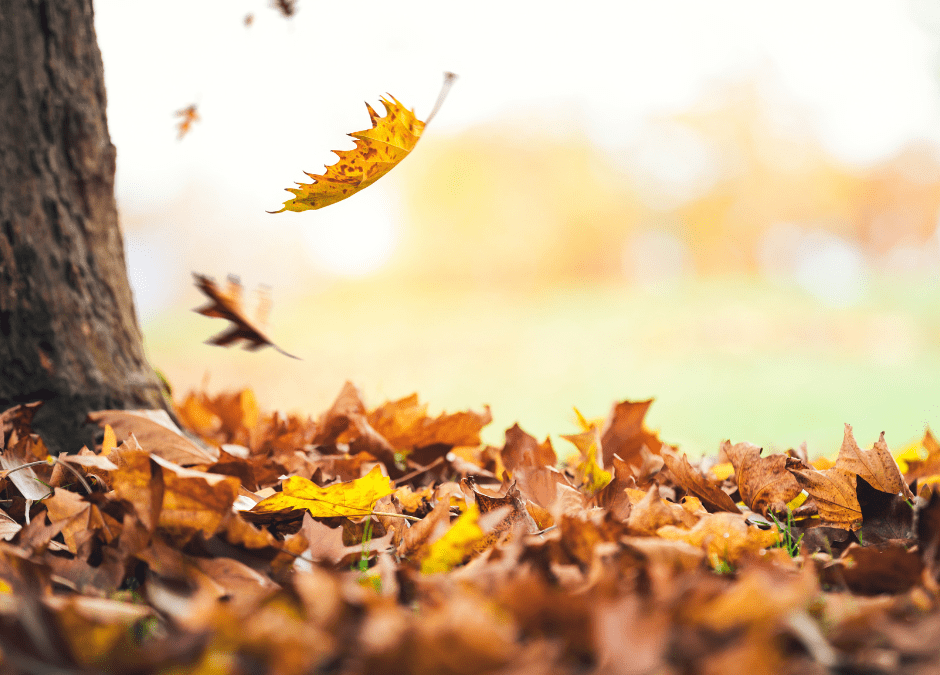
Fallen leaves create a protective layer. This layer shields butterflies and moths from predators and harsh weather conditions. It is vital for their survival.
Protection from Predators and Elements
The layer of fallen leaves acts as a barrier. It safeguards the delicate stages of butterflies and moths from predators. It also protects them from extreme temperatures and moisture loss.
Mimicry and Camouflage Advantages
Fallen leaves provide an ideal backdrop for camouflage. They allow butterflies and moths to blend in seamlessly with their surroundings. This natural camouflage is a critical survival strategy, reducing the risk of predation.
By leaving some areas of your garden untidy and allowing leaves to accumulate, you can create a haven. This haven supports the lifecycle of these beautiful creatures.
Understanding the Leave the Leaves Benefits for Butterflies
Leaving fallen leaves in your garden helps the local butterfly population a lot. It gives them a protective layer. This layer keeps eggs and chrysalides safe from harsh winter conditions.
Overwintering Protection for Eggs and Chrysalides
Fallen leaves act like a natural blanket. They keep delicate butterfly eggs and chrysalides safe from extreme temperatures and moisture loss. This is key for their survival during winter.
Food Sources in Leaf Litter
As leaves break down, they become a rich food source. This food supports detritivores and microorganisms. These organisms help the food chain, benefiting butterflies and other wildlife.
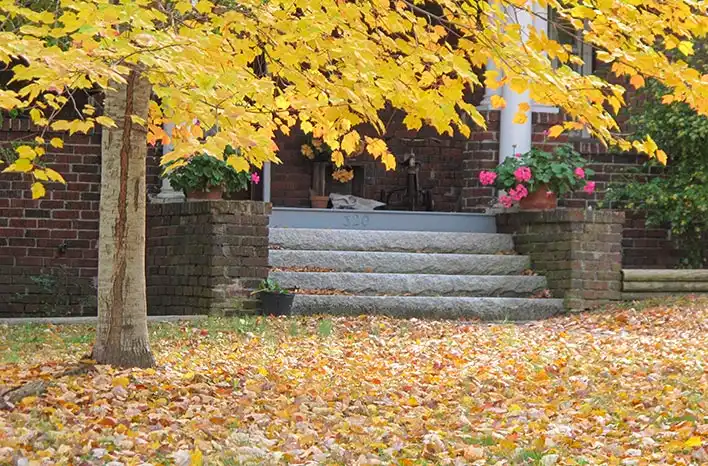
Microhabitat Creation
Leaf litter also creates microhabitats. These support a wide range of flora and fauna.
Temperature and Humidity Regulation
The layer of leaves helps regulate soil temperature and humidity. This creates a stable environment that benefits butterflies and other organisms.
- Maintains soil moisture
- Regulates soil temperature
- Supports biodiversity
By leaving leaves untouched, you make your garden a welcoming place for butterflies. This helps in their conservation.
Common Butterfly Species That Rely on Leaf Litter
Leaf litter is more than just a natural part of our environment. It’s a lifeline for many butterfly species. By knowing which butterflies need fallen leaves, you can make your garden a better place for them.
Native American Butterfly Species
Many Native American butterfly species depend on leaf litter to survive. They use it for shelter and food.
Mourning Cloaks and Commas
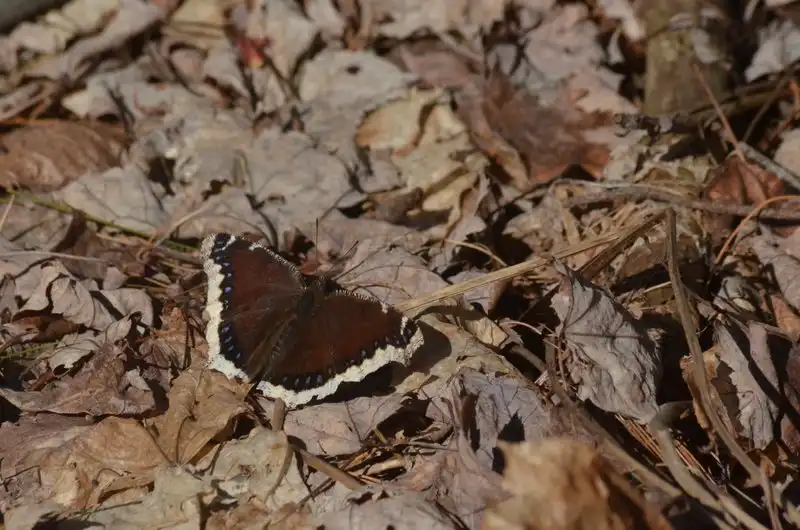
The Mourning Cloak and Comma butterflies hide in leaf litter during winter. This protects them from cold weather. The Mourning Cloak is easy to spot in gardens with lots of leaves.
Swallowtails and Fritillaries
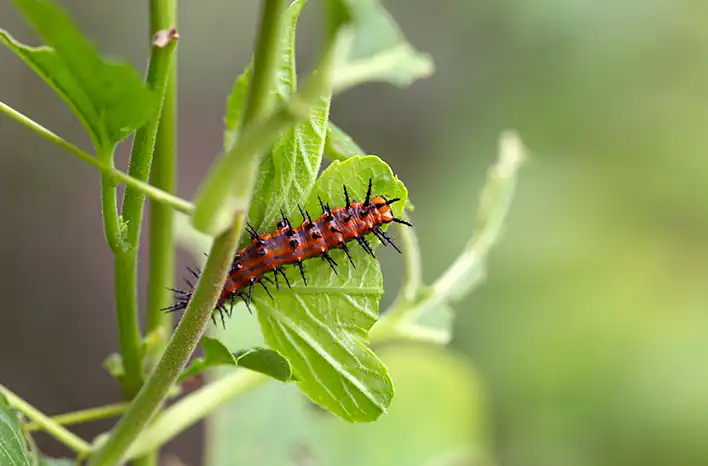
Swallowtails and Fritillaries need leaf litter when they’re young. It gives their caterpillars food and keeps them safe from predators. Keeping leaf litter around helps these beautiful butterflies grow.
Moths That Depend on Fallen Leaves
Many moth species also rely on fallen leaves. Leaf litter is a food source for their young and a safe place for eggs and chrysalides.
| Butterfly/Moth Species | Life Stage | Dependency on Leaf Litter |
|---|---|---|
| Mourning Cloak | Adult | Overwinters in leaf litter |
| Comma | Adult | Uses leaf litter for shelter |
| Swallowtails | Larval | Caterpillars feed on plants near leaf litter |
| Fritillaries | Larval | Rely on leaf litter for shelter and food |
Creating a habitat with fallen leaves attracts many butterfly species to your garden. This supports their life cycle and helps their conservation. This simple action greatly benefits local wildlife, giving these delicate creatures a place to thrive.
Creating Designated Leaf Areas in Your Yard
Setting aside areas for leaves can make your yard a haven for butterflies and wildlife. This simple step helps the local ecosystem by giving homes to many species.
Selecting the Right Locations
Choose spots for leaf areas wisely. Look for places with partial shade and good drainage. This keeps water away, protecting butterfly eggs and chrysalises.
How Much Space You Need
The space needed depends on your yard’s size and local butterfly numbers. Aim for at least a few square feet per area. This lets leaves pile up without taking over.
Balancing Aesthetics and Habitat
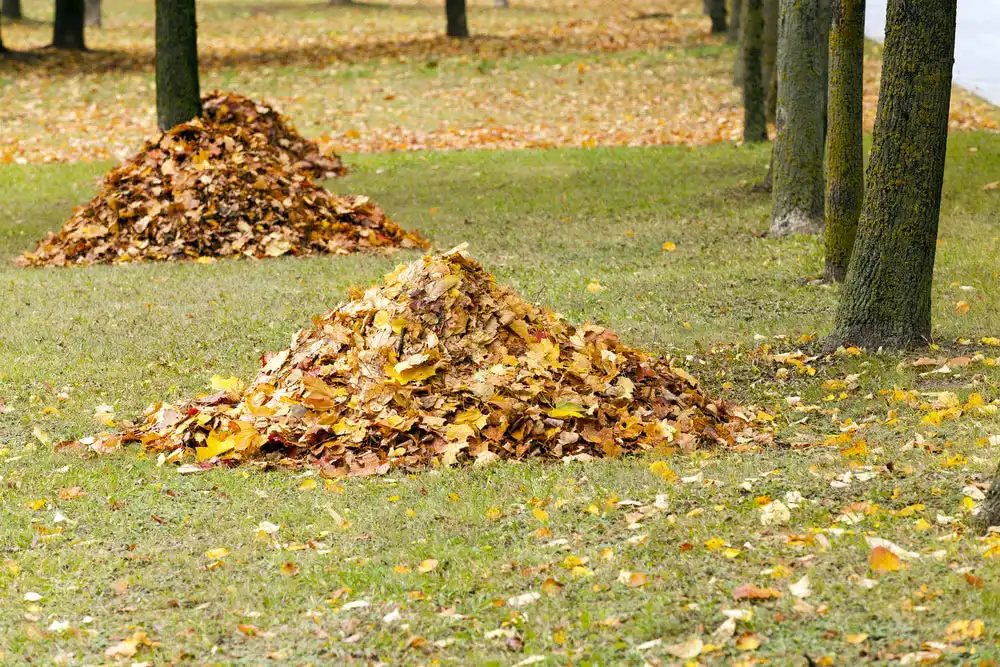
It’s important to keep your garden looking good while helping butterflies. Design “tidy messy” spots and use borders to keep things neat.
Creating “Tidy Messy” Spaces
A “tidy messy” area looks on purpose, yet tidy. Rake leaves into a corner or section. This makes a leaf bed that’s good for butterflies and looks nice.
Using Borders and Defined Edges
Use borders or edges to keep your leaf areas tidy. A simple row of stones or a garden edger works well. It keeps the leaf area separate from the rest of your yard.
By following these tips, you can make your yard a welcoming place for butterflies. This helps their life cycle and supports their conservation.
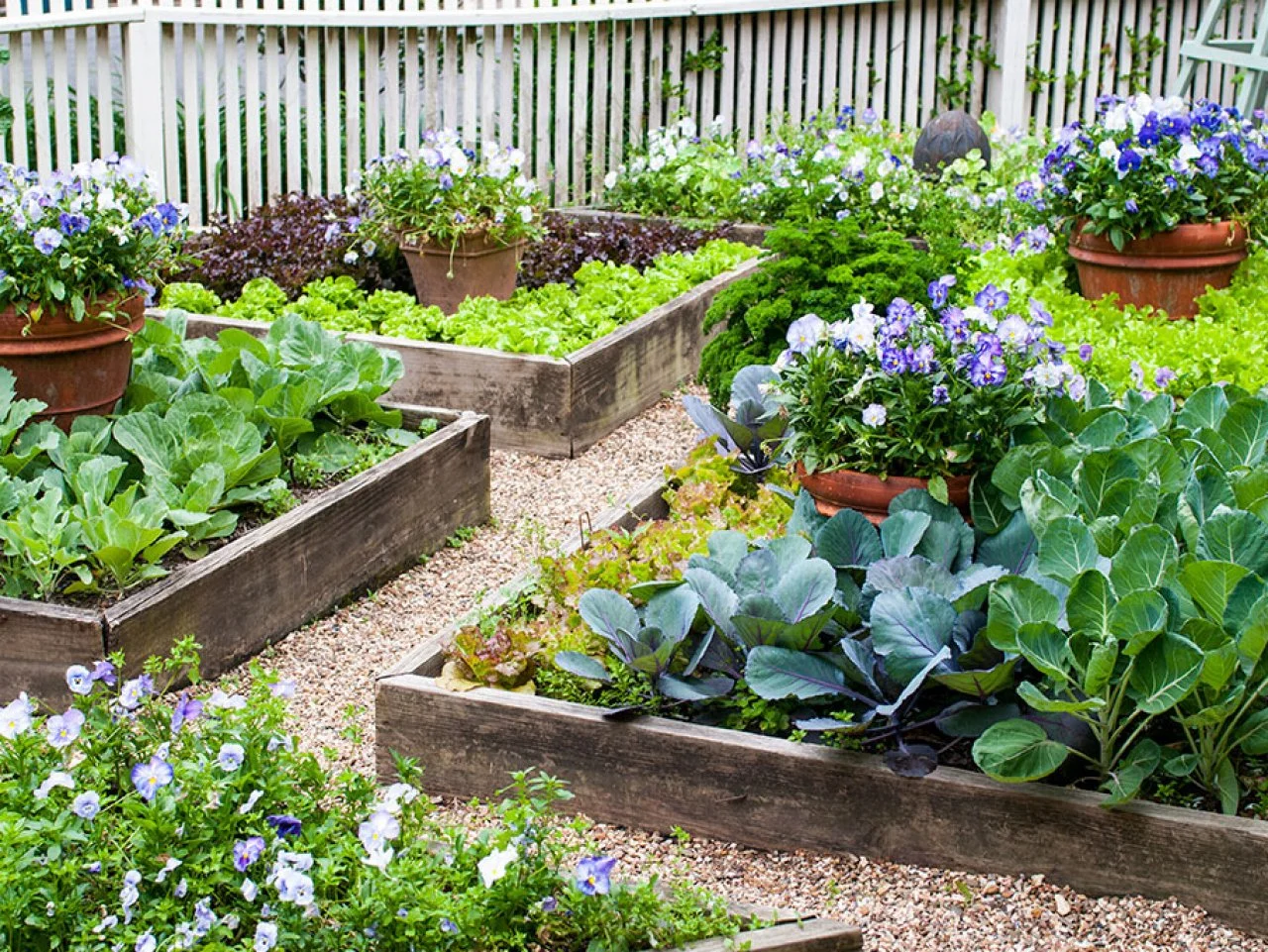
Step-by-Step Guide to Managing Fallen Leaves
Managing fallen leaves can greatly help local wildlife, especially butterflies. This guide will show you how to use fallen leaves in your garden.
When to Leave Leaves Alone
Leaving some fallen leaves alone is a simple way to help butterflies. They need these leaves to protect their eggs and chrysalides. Also, these leaves can be a food source for many creatures.
How to Create Leaf Mulch Piles
Creating leaf mulch piles is another great way to help your local ecosystem. Just collect leaves and layer them in a spot. You can add other organic stuff like branches. This mulch will be a home and food for many animals.
Maintenance Throughout the Seasons

Keeping up with your leaf mulch piles and untouched leaf areas needs some thought for each season.
Fall Preparation
In the fall, start by gathering leaves and making your mulch piles. Also, pick spots where leaves won’t be moved.
Winter Protection
During winter, make sure your leaf mulch piles stay in place. This keeps butterflies safe.
Spring Considerations
In spring, you might need to clean up a bit. But, don’t disturb all areas. Leave some for wildlife.
| Season | Task | Benefit |
|---|---|---|
| Fall | Create leaf mulch piles | Provides habitat and food |
| Winter | Maintain leaf mulch piles | Protects overwintering butterflies |
| Spring | Selective tidying | Supports emerging wildlife |

By following these steps and keeping a balance, you can make your garden a welcoming place for butterflies.
Combining Leaf Management with Other Butterfly-Friendly Practices
Integrating leaf management with other conservation strategies can create a butterfly haven. This approach supports butterflies and boosts your garden’s biodiversity.
To make your garden a butterfly paradise, consider these steps:
Planting Native Host Plants
Native host plants are key for butterfly caterpillars. Planting native plants gives them food, ensuring the next generation of butterflies. For example, milkweed is vital for monarchs, while dill and fennel help black swallowtails.
Creating Nectar Corridors
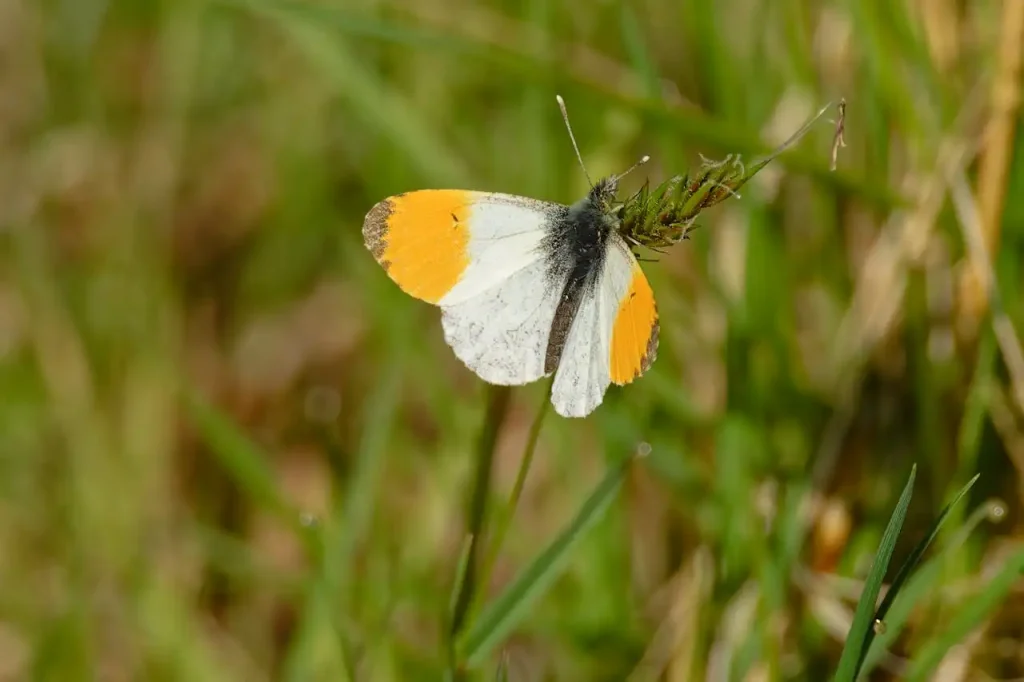
Adult butterflies need nectar for energy. Planting nectar-rich flowers creates corridors for them. Choose flowers that bloom at different times to keep nectar available all season.
Avoiding Pesticides in Leaf Areas
Don’t use pesticides in leaf areas or butterfly habitats. Pesticides can harm or kill butterflies. Use natural pest control methods instead.
By combining these practices, you’ll create a thriving ecosystem. Here’s what you’ll gain:
| Practice | Benefit |
|---|---|
| Planting Native Host Plants | Provides food for caterpillars |
| Creating Nectar Corridors | Supports adult butterflies with nectar |
| Avoiding Pesticides | Protects butterflies from harmful chemicals |
Douglas Tallamy, a famous entomologist, said, “Our backyards show our values. By creating wildlife-friendly habitats, we show the world we care.” By following these steps, you support butterflies and help the environment.
Addressing Common Concerns About Leaving Leaves
Fallen leaves are key for butterflies, but there are some issues to tackle. As you make your yard welcoming to butterflies, you’ll need to balance things. This means considering other yard care needs too.
Preventing Lawn Disease
Leaving leaves might cause lawn disease, but there’s a solution. Keeping your lawn healthy through aeration and overseeding can help. This approach prevents disease and supports a balanced environment.
Managing Neighbor Relations
Dealing with neighbors is another challenge. You might need to teach them about the good of leaving leaves. Using signage can help explain your butterfly-friendly actions and build understanding.
Educational Approaches
Explaining why leaf litter is vital for butterflies can win over your neighbors. It helps them see your point of view.
Signage Options
Clear, simple signs can share your goals and bring the community together. They’re a powerful tool for communication.
Fire Safety Considerations
In wildfire-prone areas, fire safety is a big deal. You can protect your space by removing leaves from around buildings. Keeping a safe area around your home is essential.
Conclusion: Embracing Natural Cycles in Your Garden
By choosing to leave leaves in your garden, you help create a safe space for butterflies and other wildlife. Fallen leaves offer vital habitat and food, boosting the local ecosystem. This simple change in gardening can make a big difference, supporting butterflies and enhancing biodiversity.
Leaving some parts of your yard untidy greatly benefits local wildlife. Leaves protect butterfly eggs and chrysalides during winter and provide food in leaf litter. This natural approach supports a healthy environment for these fragile creatures.
Supporting butterflies and wildlife goes beyond just leaving leaves. Adding native host plants and avoiding pesticides are also key. These actions, combined with leaving leaves, can significantly improve your garden’s health and the local ecosystem.