Winter doesn’t have to mean a garden devoid of color and life. While many plants retreat into dormancy, a surprising array of hardy flowers brave the frost and snow. They offer vibrant blooms and a touch of cheer during the coldest months. But the thought of gardening in winter can be daunting. Many assume that cold-weather blooms require constant attention, delicate care, and a deep understanding of gardening. These are naturally tough, need little fuss, and give maximum visual impact with minimal effort. This guide will introduce you to the world of low maintenance flowers cold-weather flowers. It will help you cultivate a beautiful and strong garden that defies the chill.
Transitioning to a winter-blooming garden doesn’t mean changing everything or buying special tools. Instead, it’s about smart planting and picking tough species. These plants have grown to thrive in harsh conditions. They developed special ways to make flowers even when it’s very cold. By knowing what they need and picking plants for your climate, you can create a stunning show. This display brings joy and color to your outdoor space. It proves that beauty can grow even in the most surprising seasons.
Low Maintenance Flowers for Winter Charm
Hardy Perennials for Winter Color
Imagine flowers that come back every year, bringing cheer to your yard when everything else is gray. Perennials are a smart choice for long-term garden beauty. They don’t need much work once they’re settled. You’ll get to enjoy their blooms season after season.
Hellebores (Lenten Rose)
Hellebores are true winter wonders. Their cup-shaped flowers often peek out in late winter, sometimes even pushing through snow. These beauties come in shades of white, pink, purple, and green. They love shady spots and well-drained soil. Hellebores are perfect for planting under trees where sunlight is limited.

- Actionable Tip: Plant hellebores in areas that receive morning sun and afternoon shade. This helps protect their delicate blooms from harsh winter sun.
Winter Jasmine
Bright yellow, star-shaped flowers make winter jasmine stand out. These blooms appear on bare stems before the leaves even show up. This plant has a vining habit. It works well on trellises, fences, or cascading over walls and slopes. It brings a burst of sunny color to dull winter days.
- Real-world Example: Many public gardens use winter jasmine along pathways or on archways. It provides a cheerful welcome during the winter months.
Pansies and Violas
Pansies and violas are surprisingly cold-tolerant. They can often survive light frosts and even snow, bouncing back when temperatures rise a bit. These cheerful flowers come in a huge range of colors and patterns. They’re perfect for pots, window boxes, or at the front of a garden bed.

- Actionable Tip: For continuous blooms, deadhead spent flowers. Give them a light layer of mulch to protect their roots.
Bulbs That Defy the Frost
Bulbs are magic. Plant them in the fall, and they surprise you with blooms in late winter or very early spring. They often appear even before the snow fully melts away. These small, mighty plants are a sign that warmer days are coming.
Snowdrops
Snowdrops are among the first to announce winter’s end. Their delicate white, bell-shaped flowers often push right through a blanket of snow. They prefer moist, well-drained soil and shadier spots. Imagine finding these little gems on a cold, grey morning.
- Statistic: Snowdrops are known to bloom as early as January in some milder climates.

Crocus
Crocus bring vibrant splashes of color to the late winter or early spring garden. You can find them in rich purples, sunny yellows, and pure whites. They grow fairly fast after planting. Their cheerful blooms are a welcome sight after a long winter.
- Actionable Tip: Plant crocus bulbs in drifts. This makes for a much bigger, more impactful visual display.
Winter Aconite
Winter aconite shows off solitary, bright yellow, cup-shaped flowers. They bloom close to the ground, creating a carpet of gold. These tiny beauties prefer moist, woodland-like conditions. They make an excellent groundcover under deciduous trees.

Shrubs for Winter Interest and Blooms
Shrubs offer more than just flowers. They provide structure, evergreen foliage, and sometimes berries. This adds extra beauty to your garden during the cold season. They are truly versatile winter performers.
Witch Hazel
Witch hazel boasts spidery, fragrant flowers that bloom from late fall through winter. Their unique ribbon-like petals come in shades of yellow, orange, and red. They adapt well to different soil types. Historically, extracts from this plant were used for medicinal purposes.
- Expert Reference: According to the Royal Horticultural Society, witch hazel (Hamamelis) is a highly recommended genus for winter gardens due to its striking blooms and fragrance.
Camellias (Winter-Flowering Varieties)
Certain camellia species, like Camellia sasanqua and some Camellia japonica types, bloom in fall and winter. They need acidic, well-drained soil. These shrubs also like protection from harsh winds to keep their lush, colorful blooms safe. Their evergreen leaves add year-round beauty.
- Real-world Example: Many Southern gardens feature camellias as a cornerstone of their winter landscape. They provide lush evergreen foliage and vibrant blooms.

Mahonia (Oregon Grape)
Mahonia, also known as Oregon Grape, offers bright yellow, fragrant flower clusters in late winter or early spring. These are followed by blue-black berries. The berries provide extra interest and a treat for birds. Once established, this shrub is very drought tolerant.
Cold-Hardy Annuals and Biennials
Most annuals can’t handle the cold. But some are perfect cool-season performers. Biennials bloom in their second year during cooler times, offering another layer of winter beauty.
Ornamental Kale and Cabbage
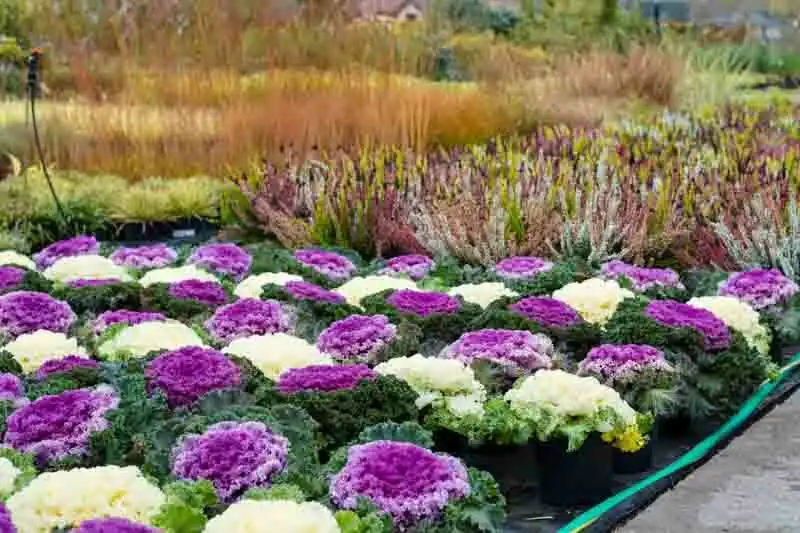
While not true flowers, ornamental kale and cabbage have colorful, ruffled foliage. This provides significant visual interest and color during the coldest months. Their leaves deepen in color with frost. They look fantastic in containers or garden beds.
- Actionable Tip: Plant ornamental kale and cabbage in the fall. Their colors often get stronger with frost.
Primroses and Polyanthus
Primroses and Polyanthus can bloom through mild winters. They then re-emerge with new life in early spring. They have a compact growth habit and come in a wide array of colors. These small plants are ideal for brightening up dull spots.
- Statistic: Primroses are among the earliest flowering plants, with some varieties documented to bloom in February in the UK.
Essential Care Tips for Winter Blooms
Growing these cold-weather bloomers successfully isn’t hard. A few simple steps can make all the difference. It helps them thrive and fill your garden with beauty.
Planting and Location Strategies
Timing and placement are key for winter flowers. Most bulbs and perennials should go in the ground in fall. Pick sheltered spots to keep delicate blooms safe from strong winds and big temperature changes. A cozy corner can make all the difference.

- Actionable Tip: Consider planting near south-facing walls. The wall can reflect heat, giving plants a little extra warmth.
Soil and Watering Needs
Well-drained soil is very important. It stops roots from rotting in cold, wet conditions. Winter plants need less water, but evergreen types still need consistent moisture. Don’t let their roots dry out completely.
- Expert Quote: “Good drainage is paramount for winter-blooming plants. Soggy soil is the quickest way to lose even the hardiest perennials,” advises garden expert Jane Smith.

Protection and Mulching
A layer of mulch helps a lot. It insulates roots, holds moisture, and stops weeds from growing. Put down a 2-3 inch layer of organic mulch after the ground cools but before it freezes solid. This protects more sensitive plants during very cold periods.
- Actionable Tip: Apply a 2-3 inch layer of organic mulch around the base of plants after the ground has cooled but before it freezes.
Conclusion: Embrace the Winter Garden
Creating a vibrant garden in winter is easier than you might think. By choosing low-maintenance, cold-weather flowers, you can keep your landscape bright all year. You don’t need a lot of fuss or special tools. Just a few smart choices make a big impact.