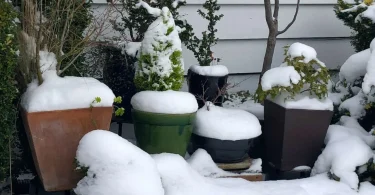
Winter can be a challenging season for plants. Shorter days, cold temperatures, dry air, and reduced sunlight often cause plants to struggle, whether they’re indoors or outdoors. However, with the right care and timely adjustments, maintaining plant health in winter is not only possible, it’s surprisingly manageable.
This guide will walk you through everything you need to know about winter plant care, from watering and light management to pest prevention and troubleshooting common problems. Whether you’re a beginner or a seasoned plant lover, these tips will help your plants survive and even thrive through the colder months.

Why Winter Is Stressful for Plants
Plants naturally slow down during winter. This period, often called dormancy, helps them conserve energy until warmer weather returns. While dormancy is normal, environmental stress can weaken plants if they aren’t cared for properly.
Common winter challenges include:
- Cold drafts and frost damage
- Reduced sunlight
- Dry indoor air from heaters
- Overwatering due to slower growth
- Increased risk of root rot
Understanding these challenges is the first step toward maintaining plant health in winter.
Adjust Watering Habits in Winter
One of the most common mistakes people make in winter is overwatering. Since plants grow more slowly during colder months, they require less water.
Winter Watering Tips:

- Water only when the top inch of soil feels dry
- Reduce watering frequency by 30–50%
- Avoid cold water; use room-temperature water
- Ensure pots have proper drainage
Overwatering in winter often leads to root rot, fungal growth, and yellowing leaves. When in doubt, it’s safer to underwater than overwater.
Provide Adequate Light
Light is essential for photosynthesis, but winter days are shorter and sunlight is weaker. Many plants suffer simply because they aren’t receiving enough light.
How to Improve Winter Light Exposure:
- Move plants closer to south-facing windows
- Rotate plants weekly for even light exposure
- Clean windows to maximize sunlight
- Use grow lights for low-light conditions
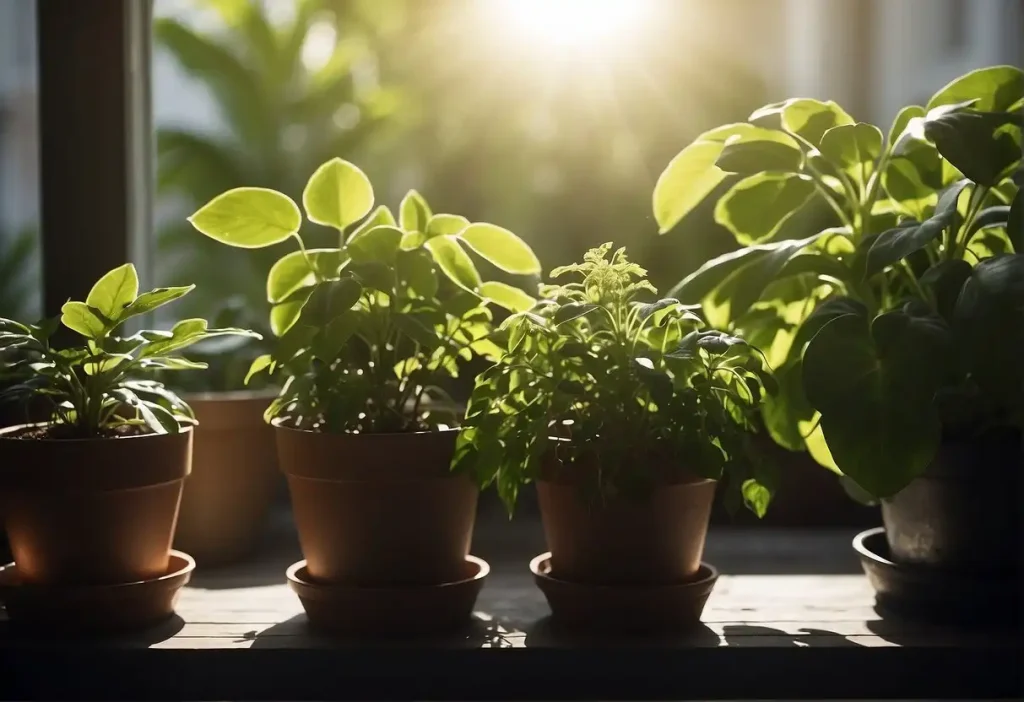
Indoor plants like succulents, fiddle leaf figs, and herbs benefit greatly from supplemental lighting during winter.
Maintain Proper Temperature
Temperature fluctuations can stress plants more than consistent cold. Sudden drops or exposure to heaters can cause leaf damage and wilting.
Ideal Winter Temperature Guidelines:
- Keep indoor plants between 18–24°C (65–75°F)
- Avoid placing plants near radiators or heaters
- Protect outdoor plants from frost with covers or mulch
- Bring sensitive plants indoors during extreme cold
Consistency is key when maintaining plant health in winter.
Manage Humidity Levels
Winter air is often dry, especially indoors. Low humidity can cause leaves to curl, brown, or drop prematurely.
Ways to Increase Humidity:

- Use a humidifier near plants
- Group plants together to create a microclimate
- Place a tray of water and pebbles under pots
- Lightly mist plants (for humidity-loving species only)
Tropical plants such as ferns, calatheas, and orchids particularly benefit from higher humidity.
Avoid Fertilizing During Winter
Most plants don’t need fertilizer in winter because they’re not actively growing. Feeding plants during dormancy can do more harm than good.
Fertilizer Best Practices:
- Stop fertilizing in late fall
- Resume feeding in early spring
- Exception: winter-growing plants and herbs
Too much fertilizer can burn roots and disrupt natural growth cycles.
Prune with Care

Winter is not the ideal time for heavy pruning, but light maintenance can help plants stay healthy.
What You Can Do:
- Remove dead or yellowing leaves
- Trim diseased or damaged branches
- Avoid aggressive pruning until spring
This helps plants conserve energy and reduces the risk of pests and disease.
Protect Outdoor Plants from Frost
Outdoor plants face harsher conditions in winter and require additional protection.
Frost Protection Methods:

- Apply mulch around the base of plants
- Cover plants with frost cloths or blankets
- Water soil lightly before frost (moist soil retains heat)
- Move potted plants to sheltered areas
These steps are essential for maintaining plant health in winter, especially in colder regions.
Troubleshooting Table: Winter Plant Problems & Solutions
| Problem | Possible Cause | Solution |
|---|---|---|
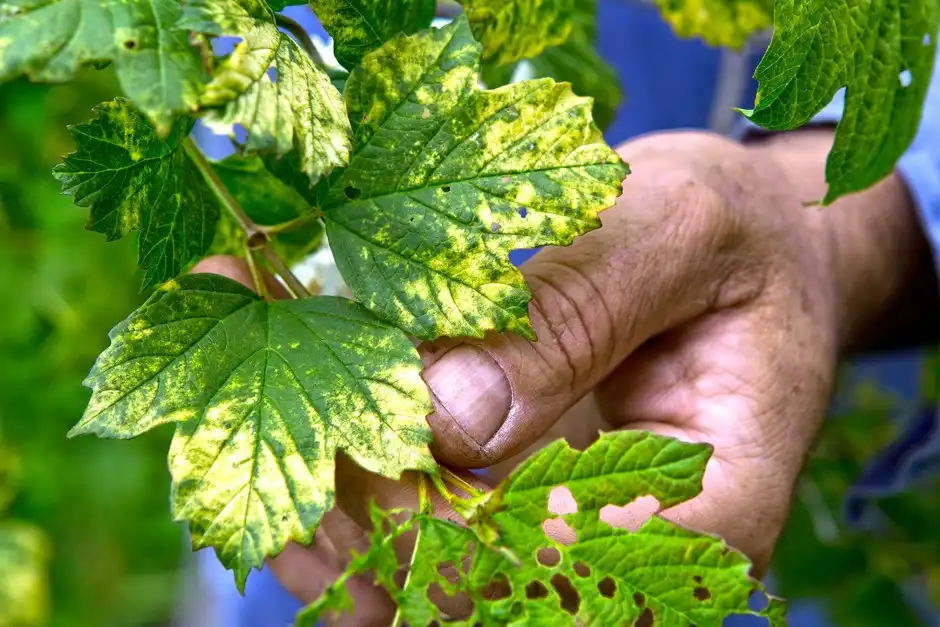
| Yellow leaves | Overwatering | Reduce watering, improve drainage |
| Brown leaf tips | Low humidity | Increase humidity, mist lightly |
| Wilting leaves | Cold drafts | Move plant away from windows/doors |
| Leaf drop | Sudden temperature changes | Maintain stable temperature |
| Mold on soil | Excess moisture | Improve airflow, reduce watering |
| No growth | Dormancy | Normal behavior; resume care in spring |
| Pest infestation | Dry indoor air | Clean leaves, apply neem oil |
Final Thoughts: Keeping Plants Healthy All Winter
Maintaining plant health in winter doesn’t require complex tools or expert skills. With mindful watering, proper light, stable temperatures, and a little patience, your plants can stay healthy throughout the cold months.
Remember:
- Less water is better
- Light and humidity matter
- Dormancy is normal
- Small adjustments make a big difference
By following these winter care practices, you’ll ensure your plants emerge stronger, greener, and ready to flourish when spring arrives.