Native wildflowers bring lasting beauty and vibrant color to any yard. They require very little effort to keep looking great. These plants also offer vital support to local life immediately. Wildflowers already fit perfectly into your soil and regional climate. This means you need far less water or fertilizer than non-native species require. Watch as bees, butterflies, and birds flock to your blooming garden.
You are building a stunning, natural space that truly supports wildlife. Ready to grow a flourishing, diverse garden at home? This detailed resource shows you every step. Learn the exact way to plant and care for native seeds successfully. Start cultivating your thriving outdoor space right now.
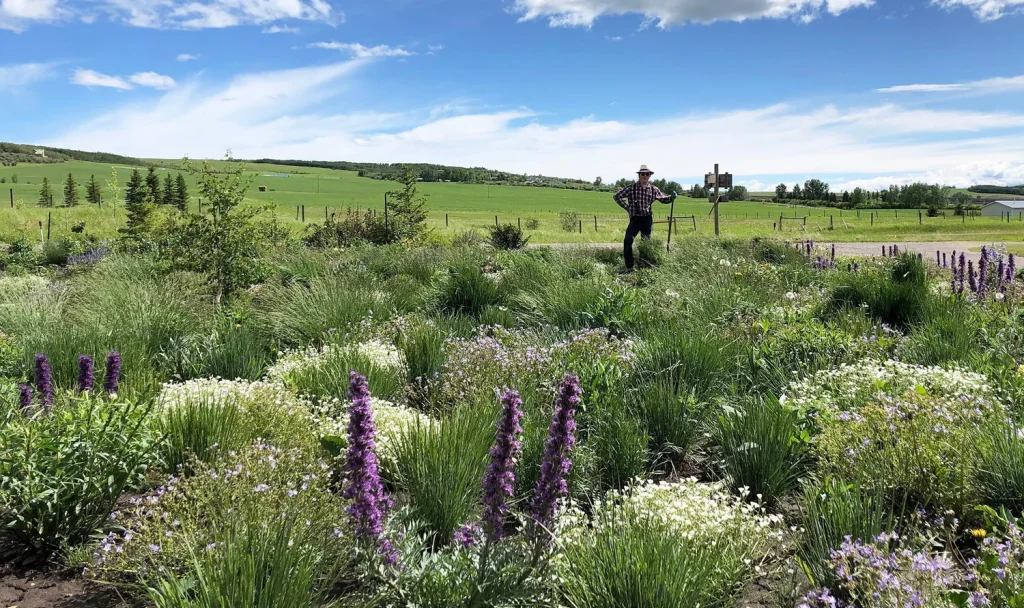
Why Grow Native Wildflowers?
Native wildflowers are plants indigenous to a specific region, evolved to thrive in local climates, soils, and conditions. They offer numerous benefits:
- Ecological Support: Native wildflowers provide food and habitat for pollinators and wildlife, supporting biodiversity and combating declining pollinator populations.
- Low Maintenance: Adapted to local conditions, they require less water, fertilizer, and pest control than exotic plants.
- Vibrant Beauty: From the bold purples of coneflowers to the sunny yellows of black-eyed Susans, native wildflowers add stunning color and texture to gardens.
- Sustainability: They promote soil health, reduce erosion, and thrive without chemical inputs, making them eco-friendly choices.
Whether you’re a beginner or an experienced gardener, growing native wildflowers is rewarding and environmentally impactful. Let’s dive into how to grow them successfully.
Step-by-Step Guide to Growing Native Wildflowers
1. Research Native Wildflowers for Your Region

- Why It Matters: Native wildflowers vary by region, so selecting species suited to your area ensures success. For example, lupines thrive in the Pacific Northwest, while blanketflowers excel in the Southwest.
- How to Choose: Consult local native plant societies, extension services, or resources like the Lady Bird Johnson Wildflower Center to identify species native to your region. Popular options include:
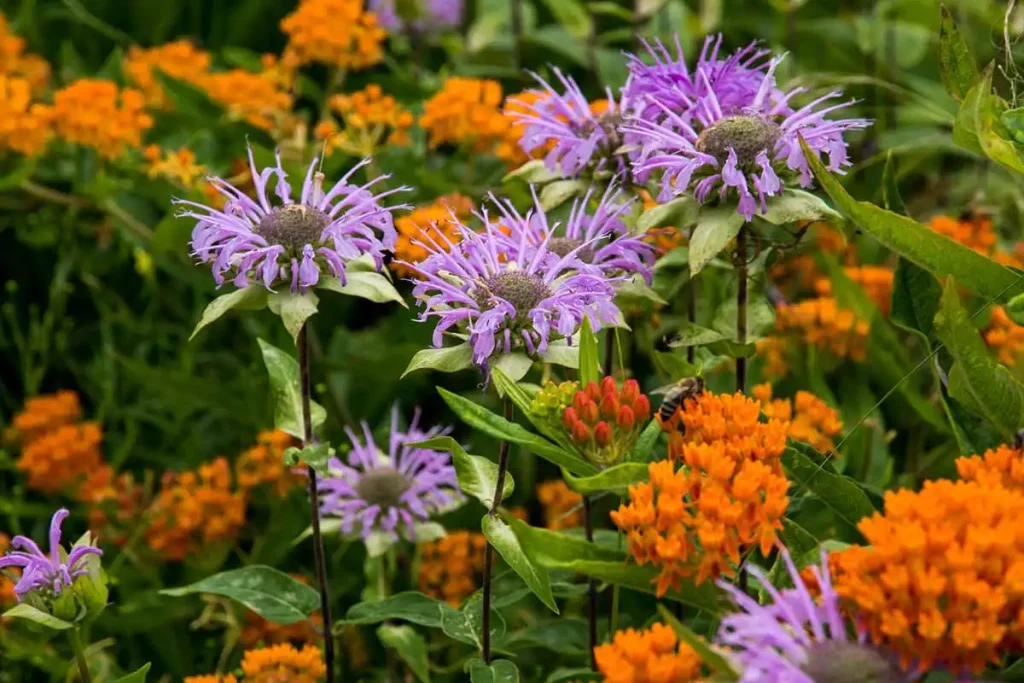
- North America: Black-eyed Susan (Rudbeckia hirta), purple coneflower (Echinacea purpurea), bee balm (Monarda fistulosa).
- Europe: Cornflower (Centaurea cyanus), oxeye daisy (Leucanthemum vulgare).
- Australia: Kangaroo paw (Anigozanthos), everlasting daisy (Xerochrysum bracteatum).
- Timing: Research and purchase seeds or plants in late summer or fall for fall planting, or early spring for spring planting.
2. Select the Ideal Location
- Sunlight: Most native wildflowers prefer full sun (6–8 hours daily), though some, like columbine (Aquilegia), tolerate partial shade. Check species-specific light requirements.
- Soil Type: Native wildflowers adapt to local soils, from sandy to clay-heavy. Most prefer well-draining soil with a pH of 6.0–7.0, but some, like milkweed, tolerate poor soils.
- Site Considerations: Choose a site with good air circulation to prevent fungal diseases. Avoid areas prone to standing water unless planting wetland natives like swamp milkweed (Asclepias incarnata).
3. Prepare the Soil

- Clear the Area: Remove weeds, grass, and debris to reduce competition. Use a hoe or hand-pull weeds, avoiding chemical herbicides to protect native ecosystems.
- Loosen the Soil: Dig or till to a depth of 6–12 inches to promote root growth. For large areas, consider a no-till method to preserve soil structure by raking in seeds.
- Amend Sparingly: Native wildflowers often thrive in lean soils. Add compost only if the soil is extremely poor. Avoid over-fertilizing, which can favor weeds over wildflowers.
- Test Drainage and pH: Ensure water drains within a few hours after rain. Use a soil test kit to check pH and adjust with lime (to raise) or sulfur (to lower) if needed.
4. Plant Native Wildflowers
- Timing:
- Fall Planting (Preferred): Sow seeds in fall (September–November) in zones 3–9 to allow natural cold stratification, which enhances germination for many species.
- Spring Planting: Sow in early spring (March–April) after the last frost for areas with harsh winters or for annual species.
- Planting Methods:
- Seeds: Mix seeds with sand for even distribution. Broadcast over prepared soil, then lightly rake to cover seeds 1/16–1/4 inch deep (check seed packet for depth). Water gently to settle.
- Plants/Plugs: Dig holes twice as wide as the root ball, place at the same depth as in the pot, backfill, and water thoroughly.
- Spacing: Space seeds or plants according to mature size (e.g., 12–18 inches for coneflowers, 6–12 inches for coreopsis). Thin seedlings if overcrowded.
- Watering: Keep soil moist during germination (1–4 weeks) and establishment (4–6 weeks).
5. Care for Your Native Wildflowers

- Watering: Water regularly during the first growing season to establish roots, providing 1 inch of water per week. Once established, most natives are drought-tolerant and need minimal watering.
- Fertilizing: Avoid fertilizing unless plants show signs of nutrient deficiency (e.g., yellowing leaves). If needed, use a low-nitrogen, organic fertilizer (e.g., 5-10-10) once in spring.
- Weed Control: Hand-pull weeds or mulch with 1–2 inches of organic material (e.g., shredded bark or straw) to suppress weeds and retain moisture.
- Deadheading: Remove spent flowers to encourage reblooming in some species (e.g., coreopsis). Leave seed heads on plants like coneflowers for birds and winter interest.
- Pest and Disease Management: Native wildflowers are generally pest-resistant but monitor for aphids or powdery mildew. Use insecticidal soap for pests and ensure good air circulation to prevent fungal issues.
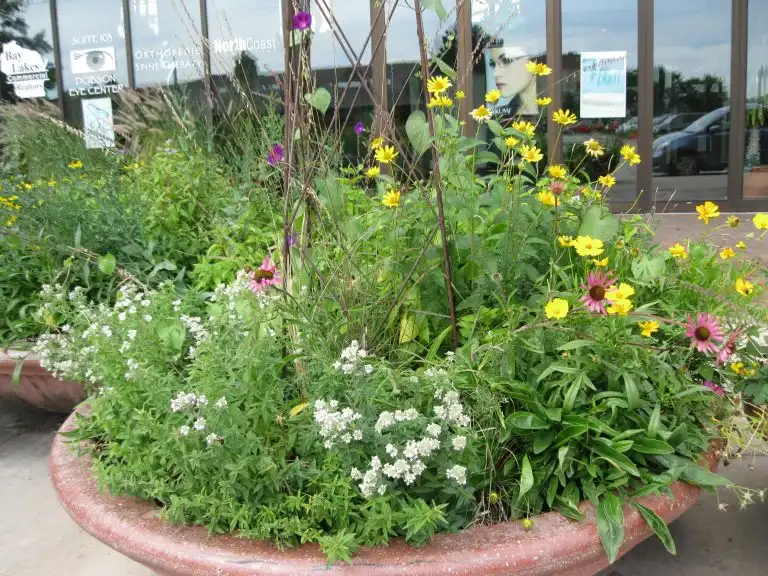
6. Growing Native Wildflowers in Containers
- Pot Selection: Use containers at least 8–12 inches deep with drainage holes. Larger pots suit perennials like echinacea.
- Soil Mix: Use a well-draining mix of potting soil, compost, and sand or perlite (2:1:1). Add gravel for natives preferring lean soils.
- Care: Place in full sun or partial shade, water when the top inch of soil is dry, and fertilize sparingly. Overwinter container plants indoors in zones colder than 8.
7. Overwintering and Maintenance
- Zones 3–9: Most native wildflowers are perennial and naturally overwinter. Leave foliage and seed heads intact for wildlife and insulation. Mulch lightly in colder zones to protect roots.
- Zones 10–11: In warm climates, annual natives may need replanting, while perennials may bloom year-round with proper care.
- Spring Cleanup: In early spring, cut back dead foliage from perennials to encourage new growth. Divide overcrowded clumps every 3–4 years to maintain vigor.
Common Challenges and Solutions
- Poor Germination: Some native seeds require cold stratification or scarification. Mimic natural conditions by refrigerating seeds for 4–8 weeks before spring planting or sowing in fall.
- Weed Competition: Aggressive weeds can outcompete young wildflowers. Clear the site thoroughly and mulch to suppress weeds.
- Pests: Aphids or beetles may appear. Use insecticidal soap or introduce beneficial insects like ladybugs.
- Sparse Blooms: Insufficient light or overly rich soil can reduce flowering. Ensure full sun and avoid heavy fertilization.
Tips for Success
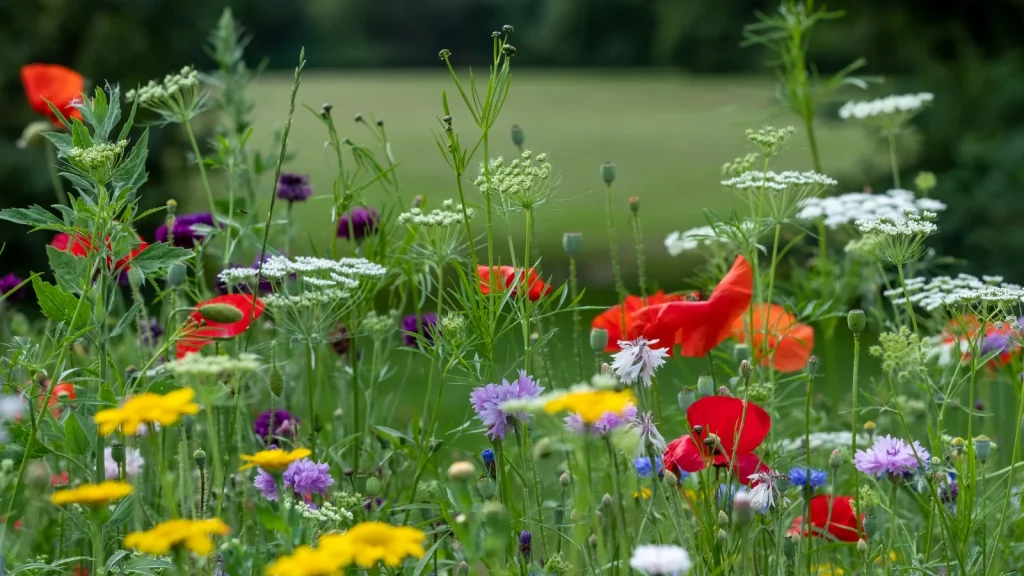
- Mix Annuals and Perennials: Combine fast-blooming annuals (e.g., cosmos) with perennials (e.g., milkweed) for instant color and long-term growth.
- Create a Meadow: Sow a mix of native wildflower seeds for a natural, low-maintenance meadow effect.
- Pollinator Haven: Plant in clusters to attract pollinators and enhance garden biodiversity.
- Zone Considerations: Choose species suited to your USDA zone. In colder zones (3–6), focus on hardy perennials like aster; in warmer zones (8–11), include heat-tolerant species like blanketflower.
- Eco-Friendly Design: Use native wildflowers in rain gardens or xeriscapes to conserve water and support local ecosystems.
Fun Facts About Native Wildflowers
- Biodiversity Boosters: Native wildflowers support over 50% more pollinator species than non-native plants.
- Historical Uses: Many, like echinacea, were used by indigenous peoples for medicinal purposes.
- Adaptation Marvels: Some species, like milkweed, are the sole food source for specific pollinators, such as monarch butterflies.
Troubleshooting Table
| Issue | Cause | Solution |
|---|---|---|
| Poor germination | Lack of stratification | Sow in fall or refrigerate seeds for 4–8 weeks before spring planting. |
| Sparse blooms | Low light or excess nutrients | Ensure 6–8 hours of sun, avoid over-fertilizing, use lean soil. |
| Pests | Aphids or beetles | Use insecticidal soap or introduce beneficial insects like ladybugs. |
| Weed competition | Aggressive weeds | Clear site thoroughly, mulch, and hand-pull weeds regularly. |
Conclusion
Growing native wildflowers is a vibrant, eco-friendly way to create a stunning garden that supports local wildlife and thrives with minimal care. By selecting region-specific species, preparing the soil, and providing proper care, you’ll cultivate a flourishing, biodiverse landscape. Start your native wildflower garden this fall or spring, and enjoy a colorful, sustainable display that benefits both you and the environment!