Gardening is a rewarding way to cultivate vibrant plants, but pests can threaten your hard work. Fortunately, non-toxic pesticides offer safe, eco-friendly solutions to protect your garden without harming plants, pets, or the environment. For example, these natural methods control common pests like aphids, caterpillars, and spider mites while maintaining a healthy ecosystem. This guide explores the best non-toxic pesticides, providing practical tips to keep your garden thriving safely.
Understanding Garden Pests and the Need for Safer Solutions
Common Garden Pests and Their Damage
Pests can quickly turn a dream garden into a disappointment. Aphids, for example, gather on new plant growth. They suck out plant sap, stunting your plants and leaving sticky residue. Slugs and snails love to chew large, irregular holes in leaves, often leaving silvery slime trails.
Caterpillars munch leaves voraciously, sometimes stripping a plant bare. Whiteflies form tiny, white clouds when you disturb an infected plant. They also weaken plants by feeding on sap, making leaves turn yellow. Spider mites, tiny arachnids, cause speckling on leaves and create fine webs, making plants look dull and sickly.
The Risks of Conventional Pesticides

Synthetic pesticides pose real threats. These chemicals can harm human health, especially for children and pets who play in the garden. Studies show that contact with some conventional pesticides has links to various health issues. Dr. Elena Rossi, an entomologist, urges gardeners to consider integrated pest management. She states, “Broad-spectrum chemicals kill indiscriminately. They wipe out helpful insects, too, disturbing the garden’s natural balance.”
These sprays do not just affect your household. They harm beneficial insects, like ladybugs and lacewings, which naturally prey on pests. Pollinators, such as bees and butterflies, are also very vulnerable. Runoff from chemically treated gardens can pollute local waterways, damaging aquatic life. Choosing non-toxic methods protects more than just your plants.
Defining “Non-Toxic” in Pest Control
What does “non-toxic” mean for your garden? It generally refers to pest control products from natural sources. These often break down quickly in the environment. They typically have a lower toxicity to non-target organisms like people, pets, and beneficial insects. Think of substances found in nature, not made in a lab.

Organic pesticides are usually non-toxic and natural. They follow strict rules for how they are made and used. Natural pesticides come from plants, minerals, or microbes. They are often safe for organic gardening. Synthetic pesticides, on the other hand, are man-made chemicals. They typically have longer-lasting effects and broader impacts.
Top Non-Toxic Pesticides for Home Gardeners
Botanical Insecticides: Nature’s Defense

Plants offer their own pest-fighting ingredients. Botanical insecticides come from these natural plant compounds. They give you effective pest control without harsh chemicals. These natural defenses work in various ways to protect your plants.
Neem Oil: The Multi-Purpose Protector
Neem oil comes from the seeds of the neem tree. Its main active ingredient is azadirachtin. This compound messes with insect growth and feeding. Pests stop eating and cannot mature, eventually dying off. Neem oil works against aphids, whiteflies, spider mites, and even some fungal diseases.
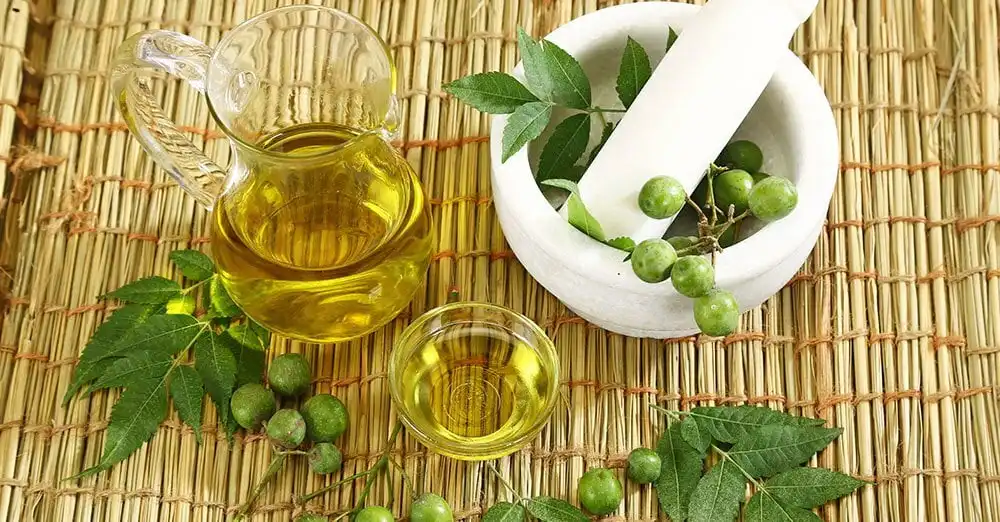
To use neem oil, mix it with water and a tiny bit of mild soap. Always follow label directions for dilution. Spray it thoroughly on plant leaves, both top and bottom. Apply in the early morning or late evening. This helps avoid leaf burn and protects helpful pollinators.
Pyrethrins: Derived from Chrysanthemums
Pyrethrins are natural insecticides found in chrysanthemum flowers. They offer a quick knockdown effect on many flying and crawling insects. Pests like aphids, whiteflies, and cabbage worms cannot withstand them. Pyrethrins disrupt an insect’s nervous system, causing paralysis and death. They break down fast in sunlight.

Always apply pyrethrins carefully. While natural, these compounds can still be toxic to fish. Be mindful around ponds or waterways. They also can harm some beneficial insects if sprayed directly. Use them as a last resort among non-toxic options.
Microbial and Biological Control Agents
Some non-toxic solutions use tiny living things or helpful bugs. These biological agents target specific pests without harming your whole garden. They are a smart way to manage pests naturally. Your garden can become a balanced ecosystem.
Bacillus thuringiensis (Bt): Targeting Caterpillars

Bacillus thuringiensis, or Bt, is a natural soil bacterium. It creates proteins toxic to the larvae of certain insects. Different Bt strains target different pests. Bt var. kurstaki (BtK) is especially good against caterpillars. This includes common garden foes like cabbage worms and tomato hornworms.
When caterpillars eat Bt-treated leaves, the toxins damage their gut. They stop feeding and soon die. Bt is very specific. It will not harm people, pets, birds, fish, or beneficial insects. Apply it when you see young caterpillars for the best results.
Beneficial Insects: Your Garden Allies
Why fight pests alone when you have allies? Beneficial insects are natural predators of common garden pests. Ladybugs devour aphids. Lacewing larvae feast on whiteflies and mealybugs. Predatory mites hunt down spider mites. These helpful bugs work tirelessly to keep your garden safe.

You can attract beneficial insects by planting diverse flowers. Marigolds and dill draw them in. You can also buy beneficial insects from garden suppliers. Release ladybugs in the evening when temperatures are cool. This helps them settle into your garden.
Mineral-Based and Soap-Based Solutions
Simple, everyday ingredients can also be powerful pest fighters. These solutions disrupt insects’ bodies in ways that are safe for your plants. They are often easy to use and very effective.
Insecticidal Soap: A Simple Yet Effective Choice
Insecticidal soaps work by breaking down the outer layer of soft-bodied insects. This outer layer, called a cuticle, keeps the insect hydrated. Once damaged, the insect dehydrates and dies. It works well on aphids, whiteflies, mealybugs, and spider mites. These soaps are contact killers, so you must spray the pest directly.
You can buy commercially formulated insecticidal soaps. These are made to be safe for plants. If making your own, use a very mild, additive-free soap. Mix about 1-2 teaspoons of soap per gallon of water. Test on a small plant area first to avoid damage. Reapply every 5-7 days until pests are gone.
Diatomaceous Earth (DE): The Abrasive Defender

Diatomaceous Earth, or DE, is a fine powder. It comes from fossilized remains of tiny aquatic organisms called diatoms. DE particles have sharp, microscopic edges. When crawling insects, like slugs, ants, or earwigs, move across it, these edges cut their exoskeletons. This causes them to dehydrate and die.
Apply food-grade DE as a dry powder around the base of plants. You can also dust it lightly on foliage when dry. Always reapply DE after rain or heavy watering. Wear a mask when applying to avoid inhaling the fine dust. While natural, it can irritate lungs.
Implementing Non-Toxic Pest Control in Your Garden
Integrated Pest Management (IPM) Strategies

Integrated Pest Management, or IPM, is a smart way to garden. It means using many methods to keep pests away. The goal is to prevent problems first. If pests show up, you start with the least toxic methods. Only use stronger solutions if absolutely needed. Regular garden monitoring is key for IPM. Check your plants often for any signs of trouble. Catching pests early makes them easier to control.
Creating a Pest-Resistant Garden Ecosystem
A healthy garden fights pests on its own. Building a strong ecosystem makes plants naturally more resistant. Think about how everything works together. A diverse garden has fewer big pest problems.
Companion Planting for Natural Defense
Companion planting uses specific plants to help each other. Some plants naturally repel pests. Marigolds, for example, can deter nematodes in the soil. Basil planted near tomatoes helps keep tomato hornworms away. Garlic and chives can deter aphids. This method adds beauty to your garden while providing pest protection.
Soil Health and Plant Vigor

Strong, healthy plants are better at fending off pests. Think of a healthy plant like a healthy person; they resist sickness better. Good soil health is the foundation of plant vigor. Feed your soil with compost and organic fertilizers. Rich soil gives plants the nutrients they need to grow strong leaves and roots. Well-nourished plants are less appealing to many common garden pests.
Proper Application and Timing for Maximum Effectiveness
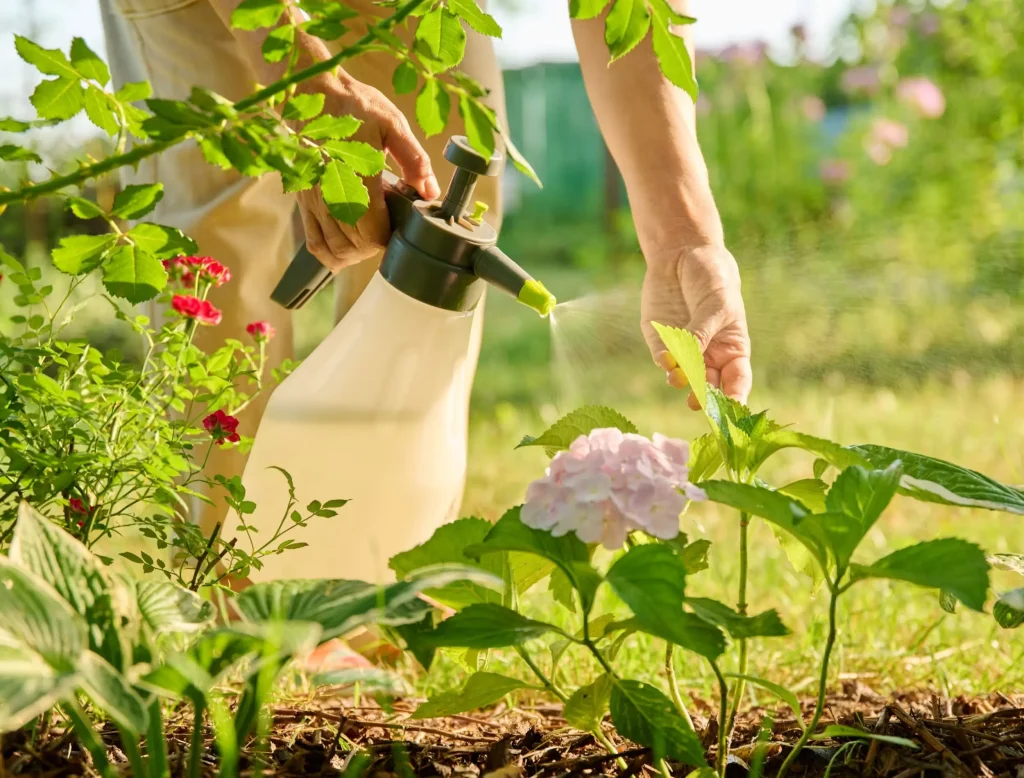
Even with non-toxic solutions, how you apply them matters. Follow directions carefully. This ensures the best results and protects other garden life. Always read the product label. It has specific instructions for dilution and use.
Apply most treatments in the early morning or late evening. This timing helps keep beneficial insects and pollinators safe. It also stops leaves from burning in strong sunlight. Spraying leaves when the sun is not too hot also helps the product stick better. Follow all instructions on the label, even for natural products.
Conclusion: Cultivating a Healthy Garden, Naturally
Choosing non-toxic pesticides is a smart choice for any home garden. It protects your family and pets from harsh chemicals. It also helps preserve helpful pollinators and a healthy environment. Embrace these natural options for a thriving, safe garden space.
Remember the power of Neem oil for broad protection. Use Bt for caterpillar control. Rely on insecticidal soap for soft-bodied pests. Diatomaceous Earth gives abrasive defense. Combine these with smart garden practices. You will soon enjoy the fruits of your labor, grown with care. Start today. Enjoy a beautiful, chemical-free garden.