Hydroponic gardening has become a revolutionary way to grow vegetables without soil and with full control over nutrients and water. But one common question growers often face is: which growing medium is better Perlite vs Cocopeat?
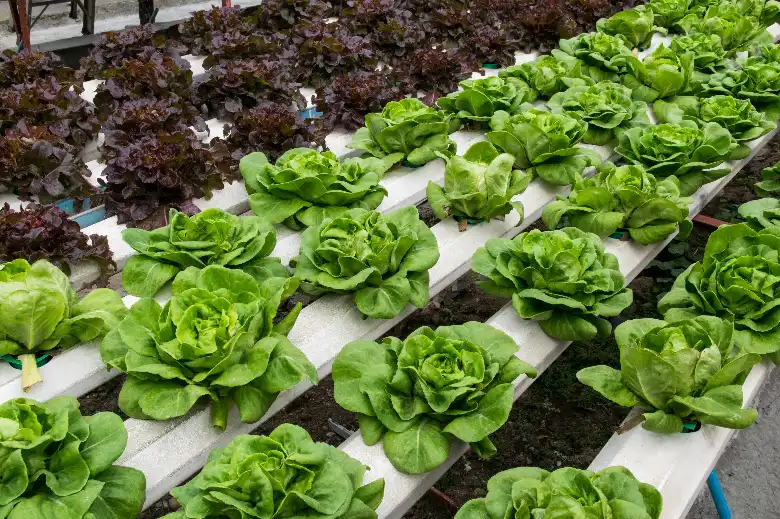
Both have unique qualities that affect plant growth, moisture retention, and aeration. Let’s explore how they differ and which one suits your hydroponic vegetable garden best.
Understanding Hydroponic Growing Media
In hydroponic systems, plants grow in nutrient-rich water instead of soil. However, they still need a medium to anchor their roots. This medium must support proper aeration, moisture retention, and nutrient delivery.
Among the most popular options are Perlite and Cocopeat, both used extensively in modern hydroponic setups.
What Is Perlite?
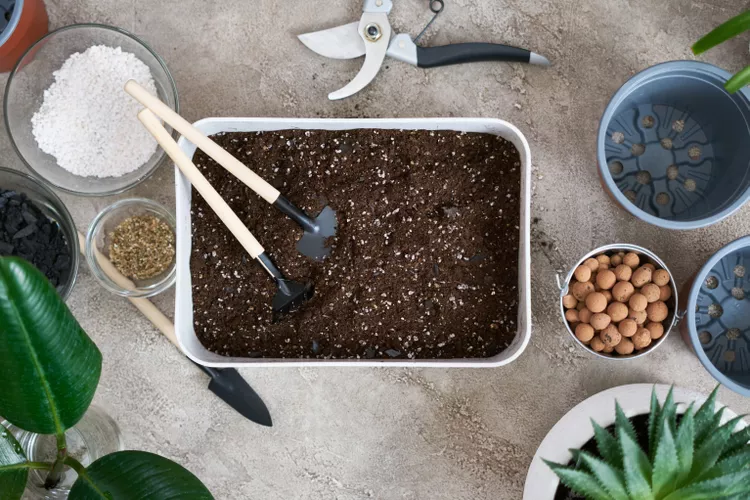
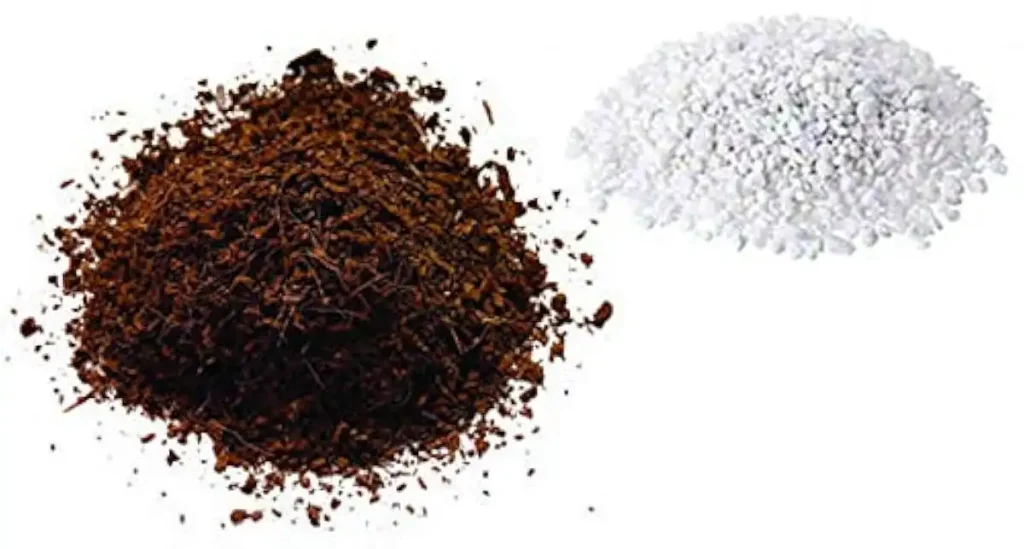
Perlite is a volcanic mineral that expands when heated at high temperatures, creating a lightweight, porous structure. It looks like small white granules and is widely used to improve aeration in growing media.
Key Properties of Perlite
- Excellent Aeration: Provides ample oxygen to roots, preventing root rot.
- Fast Drainage: Does not hold excess water—ideal for plants needing dry conditions between watering.
- Sterile and Inert: Contains no nutrients or pathogens.
- Lightweight: Easy to handle and mix with other media.
Best For:
Systems requiring high oxygenation (e.g., Deep Water Culture or NFT systems).
Leafy greens like lettuce, spinach, and basil.
What Is Cocopeat?
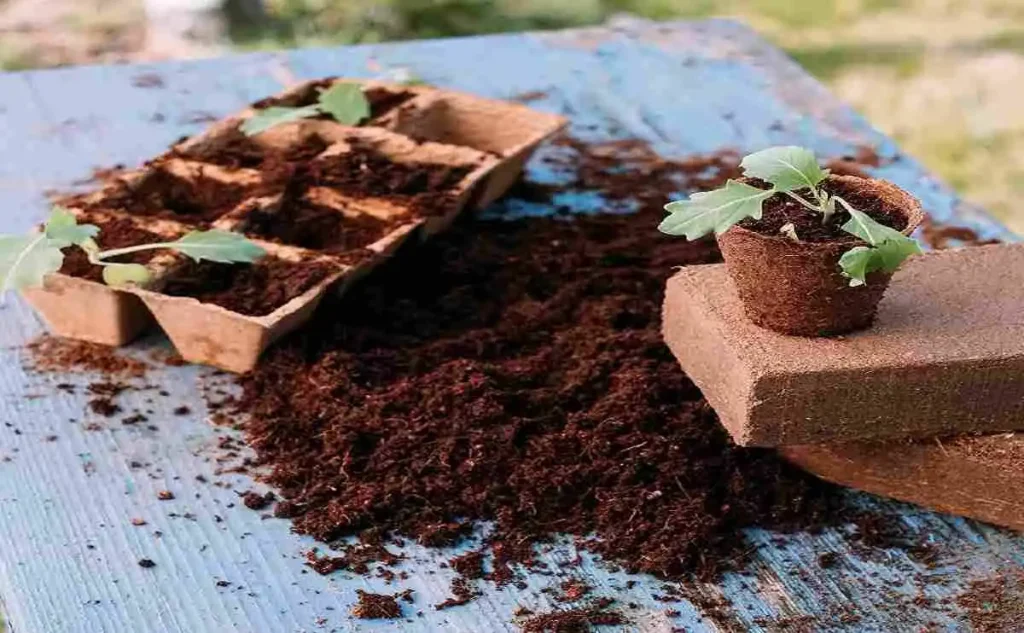
Cocopeat, also known as coco coir, is a natural byproduct of coconut husks. It’s an eco-friendly alternative to peat moss and offers a perfect balance between moisture and air.
Key Properties of Cocopeat
- High Water Retention: Holds moisture longer, reducing frequent watering.
- Rich in Lignin and Cellulose: Supports microbial activity beneficial to roots.
- pH Neutral: Typically between 5.5 and 6.8—ideal for most vegetables.
- Sustainable and Renewable: Environmentally friendly compared to peat-based products.
Best For:
Systems where moisture retention is key (e.g., Drip irrigation hydroponics).
Fruiting vegetables like tomatoes, cucumbers, and peppers.
Comparison: Perlite vs Cocopeat
| Feature | Perlite | Cocopeat |
|---|---|---|
| Material Type | Expanded volcanic rock | Coconut husk fiber |
| Water Retention | Low | High |
| Aeration | Excellent | Moderate |
| Weight | Very light | Slightly heavier |
| Nutrient Retention (CEC) | Low | High |
| pH Range | 6.5–7.5 | 5.5–6.8 |
| Sustainability | Non-renewable | Renewable |
| Best Use | Fast-draining systems | Moisture-loving crops |
Using Perlite and Cocopeat Together

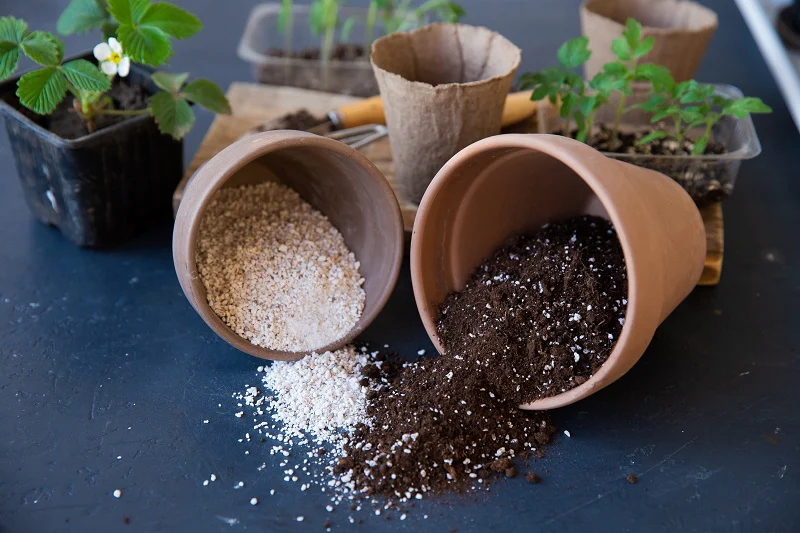
The best results often come from combining both. A 50:50 mixture of cocopeat and perlite gives an ideal balance of air, moisture, and nutrient availability.
Benefits of Mixing:
- Prevents cocopeat from compacting
- Improves aeration and drainage
- Extends the lifespan of your growing medium
This combination is perfect for hydroponic vegetables like tomatoes, lettuce, and herbs, giving you healthy, vigorous growth.
Pro Tips for Using Each Medium
For Perlite:
- Always keep the nutrient flow steady; perlite dries out fast.
- Use net pots or mesh containers to avoid floating particles.
For Cocopeat:
- Add perlite or vermiculite for better airflow.
- Soak and rinse before use to remove excess salts.
Cost and Availability
- Perlite: Generally inexpensive, widely available in gardening stores, but non-renewable.
- Cocopeat: Slightly pricier initially but reusable and eco-friendly. It’s also easily available in compressed brick form.
In the long run, Cocopeat offers better sustainability, while Perlite offers convenience for lightweight systems.
Expert Tip
Always pre-wash cocopeat before use to remove salts, and sterilize perlite (if reused) by rinsing it with hydrogen peroxide or hot water. This ensures healthy, disease-free growth.
Final Verdict
In the debate of Perlite vs Cocopeat for hydroponic vegetable gardening, there’s no one-size-fits-all answer.
If you want better aeration and lightweight support, go for Perlite.
If you prefer moisture retention and sustainability, choose Cocopeat.
And if you want the perfect hybrid, mix both for a balanced medium that supports strong, consistent growth.
Whether you’re growing crisp lettuce or juicy tomatoes, your hydroponic garden will thrive when your growing medium fits your plants’ needs perfectly.