You don’t need a backyard or perfect weather to grow your own fresh produce at home. With hydroponic gardening, you can cultivate plants indoors all year round using only water and nutrients – no soil required.
To start a hydroponic garden, we create the ideal setting for plants to flourish inside. Instead of relying on soil, your plants receive everything they require through a specially formulated water solution rich in nutrients. This method offers numerous benefits, including:
- Quicker growth rates
- Greater yields
- Less water consumption
- The ability to grow throughout the year
- Fewer pest problems

The beauty of starting a hydroponic garden at home is its flexibility. You have the freedom to establish a system that suits your available space – whether it’s an extra room, basement, or even a compact area in your apartment. The controlled environment means you’re not dependent on outdoor weather conditions or seasonal fluctuations.
Do you think you need to be an expert gardener to succeed with hydroponics at home? Think again. While the idea may seem complex, modern hydroponic systems are designed with beginners in mind. With a basic understanding of plant care and the right tools, you can create a thriving indoor garden.
Are you ready to grow fresh herbs, leafy greens, and vegetables right in your home? Let’s explore how you can become part of the expanding community of hydroponic gardeners and turn your living space into a productive growing environment.
Understanding Hydroponics: The Basics
Hydroponic gardening, a form of hydroponic farming, replaces soil with nutrient-rich water as the growing medium. Plants receive their essential nutrients directly through their root systems, eliminating the need to search for nutrients in soil. This direct delivery system creates optimal growing conditions, allowing plants to focus their energy on growth and fruit production rather than expanding their root systems.
Growth Comparison with Traditional Gardening:
- Speed: Hydroponic plants grow 30-50% faster than soil-grown plants
- Yield: Produces up to 3-10 times more yield in the same space
- Water Usage: Uses 90% less water than traditional gardening
- Space Efficiency: Vertical growing options maximize limited spaces
The controlled environment of hydroponic systems gives you complete command over growing conditions. You manage crucial factors like:
- Temperature (68-70°F ideal range)
- pH levels (5.8-6.2)
- Nutrient concentration
- Light exposure
- Humidity (40-60%)

This precise control creates ideal growing conditions year-round, regardless of outdoor weather conditions. Plants receive exactly what they need, when they need it, resulting in healthier growth and consistent harvests.
The absence of soil eliminates many common gardening challenges:
- No soil-borne diseases
- No weeding required
- Reduced pest problems
- Clean growing environment
- Easy maintenance and monitoring
Types of Hydroponic Systems Suitable for Home Use
Starting your hydroponic garden requires choosing the right system for your needs. Each system offers unique advantages and challenges, making them suitable for different growing scenarios.
1. Wick System
The wick system stands out as the simplest hydroponic setup you can build at home. This passive system uses nylon wicks to draw nutrient solution from a reservoir below to the growing medium above – similar to how a candle draws wax up its wick.
Key Components:
- Growing container with plants
- Reservoir for nutrient solution
- Nylon or cotton wicks
- Growing medium (coconut coir, perlite, or vermiculite)
Advantages for Beginners:
- No moving parts or electricity needed
- Low maintenance requirements
- Cost-effective setup
- Easy to build from household materials
- Ideal for small plants and herbs
Potential Drawbacks:
- Limited nutrient delivery to larger plants
- Risk of salt buildup in growing medium
- Slower growth compared to active systems
- Not suitable for water-hungry plants

The wick system works best with small plants that don’t require large amounts of water and nutrients. You’ll find success growing herbs, lettuce, and other leafy greens in this setup. Plants like tomatoes or peppers might struggle due to their higher water requirements.
A basic wick system can be constructed using recycled containers, making it an excellent entry point into hydroponic gardening. You can start with a simple two-container setup: one holding your plants and growing medium, another serving as the nutrient reservoir.
2. Water Culture System
The water culture system is one of the simplest yet effective hydroponic methods. In this system, your plants float on a platform (usually made of Styrofoam) with their roots suspended directly in nutrient-rich water. An air pump connected to air stones creates oxygen bubbles in the solution, ensuring that your plants’ roots receive adequate oxygen.
Key Components:
- Reservoir container
- Styrofoam platform
- Air pump
- Air stones
- Net pots
- Growing medium for seedling support
Advantages:
- Low maintenance requirements
- Cost-effective setup
- Direct nutrient absorption
- Excellent for leafy greens
- Easy to monitor root health
Challenges:
- Not suitable for large or long-term plants
- Power outages can damage roots quickly
- Water temperature fluctuations affect growth
- Limited plant variety options
- Risk of root disease if aeration fails
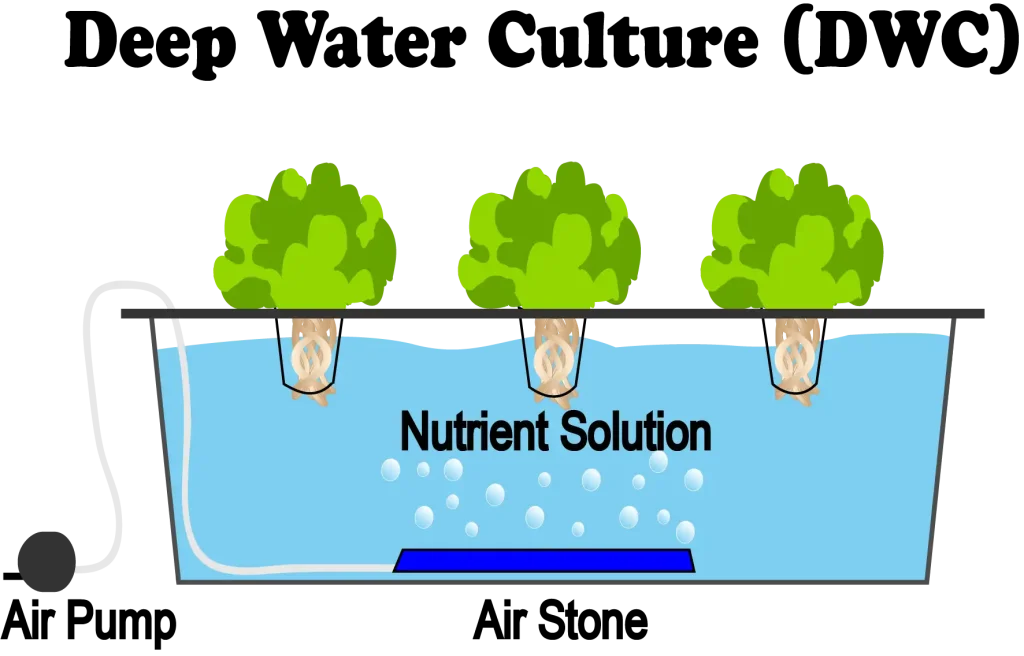
This system works best with lightweight plants like lettuce, herbs, and other leafy greens. You’ll need to maintain water temperatures between 65-75°F (18-24°C) for optimal growth. Regular cleaning of the reservoir prevents algae buildup and maintains healthy root systems.
3. Ebb and Flow (Flood and Drain) System
The ebb and flow system creates a rhythmic cycle of flooding and draining in your growing tray. A timer-controlled pump fills the grow bed with nutrient solution from a reservoir below, then drains it back down. This flooding action delivers nutrients and oxygen to your plant roots at regular intervals.
Key Components:
- Growing tray with drain holes
- Reservoir for nutrient solution
- Submersible pump
- Timer
- Fill/drain tubes
- Growing medium (clay pebbles or rockwool)
Advantages:
- Highly versatile for different plant sizes
- Efficient nutrient delivery
- Reduced risk of root rot
- Easy maintenance
- Suitable for multiple plant varieties
Challenges for Beginners:
- Initial setup requires careful planning
- Timer malfunction can damage plants
- Higher startup cost than simpler systems
- Needs regular monitoring of water levels
- Risk of pump failure

You can customize an ebb and flow system to fit your space by adjusting the size of your growing tray and reservoir. The system works well with both small herbs and larger plants like tomatoes or peppers, making it a popular choice for home hydroponic gardeners.
4. Nutrient Film Technique (NFT) System
The Nutrient Film Technique system creates a continuous flow of nutrient solution through narrow channels or tubes. Plants sit in small holes along these channels with their roots partially submerged in the shallow stream of nutrients.
Key Components:
- Sloped channels for nutrient flow
- Reservoir for nutrient solution
- Submersible pump
- Net pots or cups
- Return system for nutrient solution
Advantages:
- Space-efficient vertical setup
- Excellent for leafy greens and herbs
- Low water consumption
- Easy maintenance
- Consistent nutrient delivery
Disadvantages:
- Higher initial setup cost
- Requires reliable electricity
- Not suitable for large plants
- Risk of system failure if pump stops
- Needs precise slope adjustment

NFT systems work best with lightweight plants like lettuce, herbs, and strawberries. The shallow nutrient stream provides optimal oxygen levels to the roots while delivering necessary nutrients. A proper slope of 1:30 to 1:40 ensures smooth flow without flooding or dry spots.
The system’s success depends on maintaining consistent flow rates and preventing channel blockages. Regular cleaning of channels and filters helps avoid root problems and ensures proper nutrient delivery to all plants.
5. Aeroponics System
Aeroponics is the most advanced hydroponic growing method. In this system, the roots of the plants are suspended in air inside a dark chamber, and every few minutes, high-pressure nozzles spray them with a fine mist of nutrients.
Key Components:
- Misting nozzles
- High-pressure pump
- Timer system
- Root chamber
- Nutrient reservoir
Advantages:
- Highest oxygen exposure for roots
- Maximum nutrient absorption
- 95% less water usage than soil growing
- Faster growth rates
- Space-efficient vertical setup options
Disadvantages:
- Higher initial setup costs
- Technical complexity
- Requires reliable power
- Regular maintenance of misting nozzles
- System failures can damage plants quickly

Aeroponics is suitable for experienced hydroponic gardeners who are willing to invest in precise growing techniques. This system requires careful monitoring of mist cycles, pump pressure, and nozzle function. It is also important to have backup power solutions and regular cleaning routines to prevent clogged sprayers. When managed properly, plants grown using aeroponics often exhibit exceptional growth rates and yields.
Essential Components for Start a Hydroponic Garden at Home
A successful hydroponic garden requires specific equipment to create the perfect growing environment. Here’s what you’ll need:
- Growing Medium: Rockwool, hydroton clay pebbles, or coconut coir to support plant roots
- Nutrient Solution: Specialized hydroponic nutrients containing essential macro and micronutrients
- pH Testing Kit: A reliable pH meter to maintain optimal levels between 5.8-6.2
- Aeration Equipment: Air pump, air stones, and tubing for oxygen circulation
- Lighting System: Full-spectrum LED or fluorescent grow lights for indoor setups
- Environmental Controls: Digital timer for light cycles, thermometer, humidity monitor, and water pump (system-dependent)
- Containers: Reservoir for nutrient solution, growing trays, and net pots for plants
These components work together to create an efficient hydroponic growing system that provides your plants with optimal conditions for growth and development.
Selecting the Right Plants for Your Hydroponic Garden
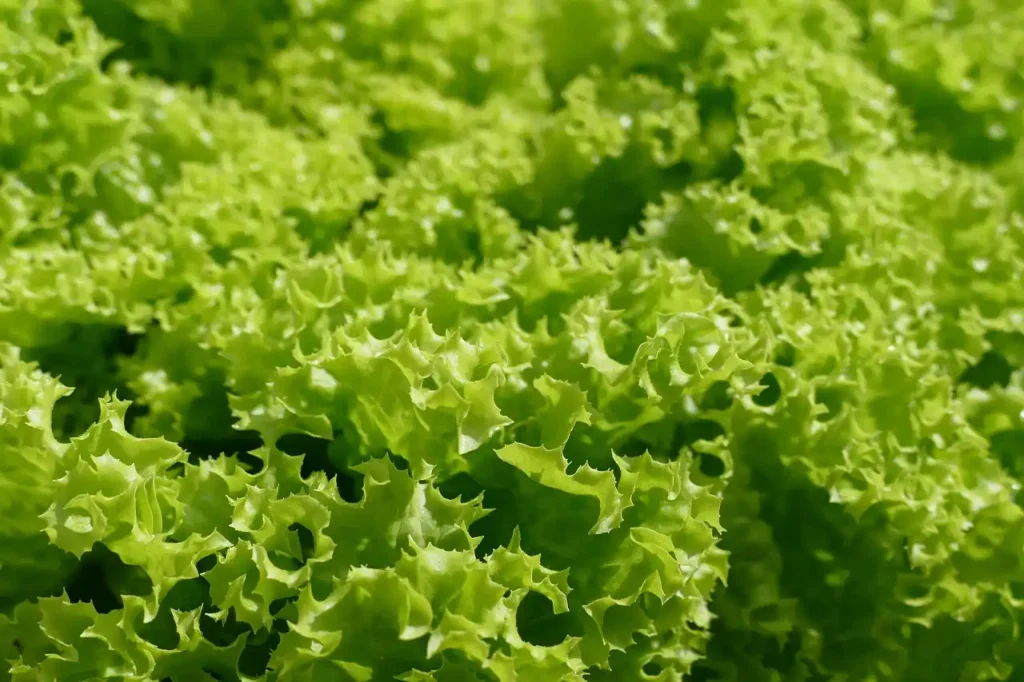
Your hydroponic garden success starts with choosing the right plants. Here are ideal options for beginners:
Leafy Greens
- Lettuce (all varieties)
- Spinach
- Swiss chard
- Kale
- Arugula
Herbs
- Basil
- Mint
- Parsley
- Cilantro
- Thyme
These plants thrive in hydroponic systems due to their compact root systems and quick growth cycles. You’ll see results in as little as 30 days with leafy greens, making them perfect for building confidence in your hydroponic gardening skills.
Pro tip: Start with just 2-3 plant varieties. This approach helps you master the specific needs of each plant type while keeping maintenance manageable.
Step-by-Step Guide to Setting Up Your Hydroponic Garden at Home
Setting up your first hydroponic garden requires careful planning and attention to detail. Here’s a systematic approach to get you started:
1. Choose Your Location
- Select a space with stable temperature (65-75°F)
- Ensure adequate ventilation
- Consider proximity to water source and electrical outlets
2. Assemble Your System
- Clean all components thoroughly
- Connect pumps and timers
- Test system for leaks
- Install grow lights if needed
3. Prepare Growing Medium
- Rinse your chosen medium (rockwool, clay pebbles, etc.)
- Pre-soak medium in pH-balanced water
- Place medium in net pots or growing containers
4. Mix Nutrient Solution
- Fill reservoir with water
- Add hydroponic nutrients according to package instructions
- Test and adjust pH levels to 5.8-6.2
- Add plants and activate system

Remember to monitor your system daily during the first week to ensure everything functions properly. Regular maintenance checks will help prevent potential issues before they affect your plants.
Maintaining Your Home Hydroponic Garden Successfully
Regular maintenance ensures your hydroponic garden thrives. Here’s what you need to monitor daily:
- pH Levels: Check and adjust pH levels between 5.8-6.2 using a digital pH meter
- Nutrient Solution: Test EC/TDS levels and top up nutrients as needed
- Water Temperature: Maintain between 65-75°F (18-24°C)
- Root Health: Look for signs of rot or discoloration
- Plant Growth: Remove dead leaves and prune when necessary
Weekly maintenance tasks include:
- Cleaning air stones and pumps
- Checking for leaks or clogs
- Replacing nutrient solution
- Sanitizing equipment
- Testing for bacterial growth
Your plants will signal when something’s wrong through leaf discoloration, stunted growth, or wilting. Keep a maintenance log to track changes and identify patterns in your garden’s performance.
Advantages of Growing a Hydroponic Garden at Home

Growing your own hydroponic garden brings remarkable benefits to your home and lifestyle. You’ll enjoy year-round fresh produce, regardless of outdoor weather conditions or seasonal changes. The controlled environment results in faster plant growth – up to 50% quicker than traditional soil methods.
Your hydroponic setup uses 90% less water than conventional gardening, making it an eco-friendly choice. The absence of soil eliminates weeding tasks and reduces the risk of soil-borne diseases.
Key advantages include:
- Higher crop yields in smaller spaces
- Complete control over nutrient delivery
- Reduced pest problems
- Clean, soil-free growing environment
- Fresh herbs and vegetables at your fingertips
- Lower water consumption
- Minimal maintenance requirements
These benefits make hydroponics an ideal solution for urban dwellers and anyone seeking a reliable source of fresh produce.
Tips for Beginners Starting a Hydroponic Garden at Home
Starting your hydroponic journey can feel overwhelming, but these proven tips will set you up for success:
- Start small and simple – Begin with a basic system like a deep water culture setup and just 2-3 plants
- Choose beginner-friendly plants – Lettuce, herbs, and leafy greens are forgiving and quick to grow
- Invest in quality pH testing tools – Accurate pH monitoring is crucial for plant health
- Keep detailed records – Track nutrient changes, pH levels, and plant growth to learn what works
- Clean your system regularly – Sanitize all components every 2-3 weeks to prevent algae growth
- Join hydroponic communities – Connect with experienced growers online for advice and support
- Monitor water temperature – Keep it between 65-75°F for optimal nutrient absorption
- Check plants daily – Early detection of issues helps prevent major problems
Remember: Your first hydroponic garden is a learning experience. Focus on understanding the basics before expanding your setup.