Extreme weather conditions are becoming more common across the globe. From scorching heatwaves and prolonged droughts to sudden frosts, heavy rains, and violent storms, plants are increasingly exposed to stressful environments. For gardeners, farmers, and plant lovers, managing plant care in extreme weather is no longer optional, it is essential for plant survival and long-term health.
Whether you grow plants indoors, in containers, or in an open garden, understanding how weather extremes affect plants and learning how to protect them can make all the difference. This guide will help you recognize weather-related plant stress, apply preventive strategies, and troubleshoot common problems caused by extreme conditions.

How Heatwaves Affect Plant Health
High temperatures increase water loss through transpiration. When water loss exceeds water absorption, plants experience heat stress.
Signs of Heat Stress in Plants
- Wilting even when soil is moist
- Leaf scorching or browning edges
- Dropping of flowers and fruits
- Stunted growth
Heat Management Strategies
- Mulching: Apply organic mulch to retain soil moisture and reduce soil temperature.
- Shade protection: Use shade cloth or move potted plants to partial shade.
- Deep watering: Water early in the morning to allow roots to absorb moisture before peak heat.
- Avoid fertilizing: Fertilizers can stress plants during heatwaves.
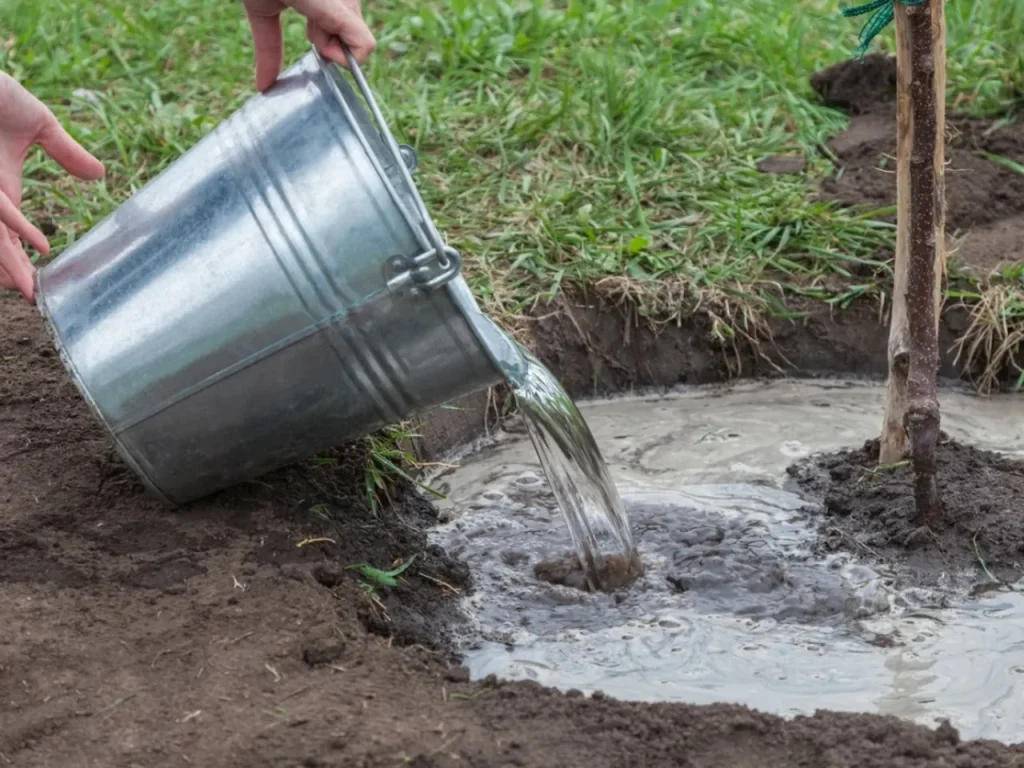
Effective heat management is a cornerstone of managing plant care in extreme weather, especially in regions with rising summer temperatures.
Managing Plant Care During Drought Conditions
Drought conditions deprive plants of essential moisture for photosynthesis and nutrient uptake.
Drought Stress Symptoms
- Curling or drooping leaves
- Yellowing foliage
- Reduced flowering
- Dry, cracked soil
Drought Care Tips
- Water deeply, not frequently: Encourage deeper root growth.
- Use drought-tolerant plants: Native plants adapt better to local conditions.
- Reduce evaporation: Mulch and ground covers help conserve moisture.
- Improve soil structure: Compost increases water-holding capacity.
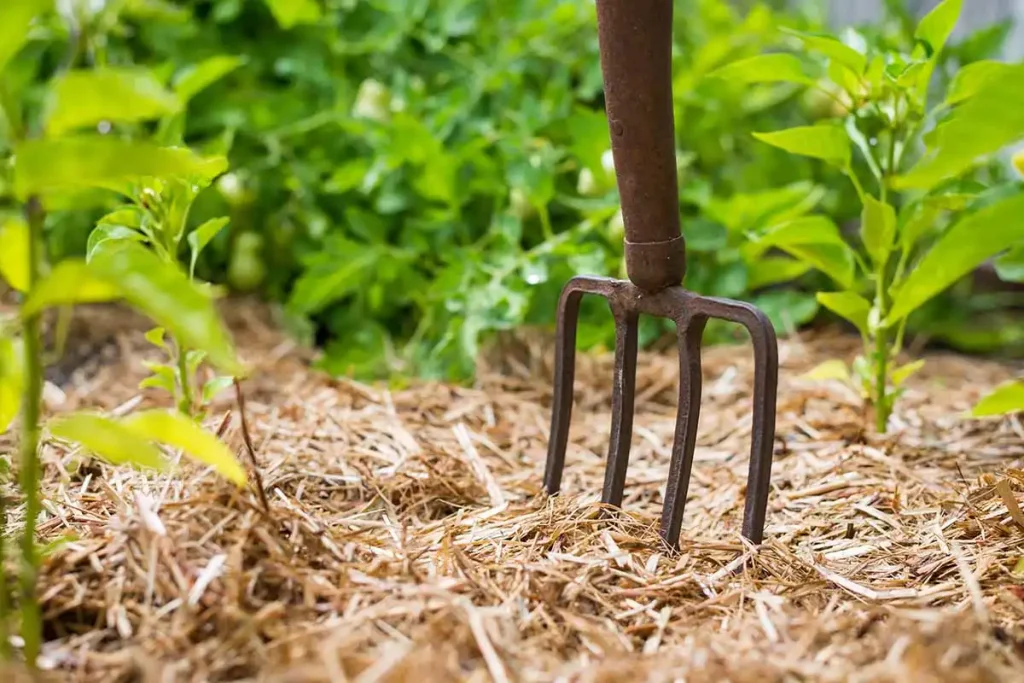
Drought-resistant planning is one of the most sustainable methods for managing plant care in extreme weather long term.
Protecting Plants From Frost and Freezing Temperatures
Cold weather can be just as damaging as heat. Frost damages plant cells by freezing the water inside them.
Frost Damage Indicators
- Blackened or mushy leaves
- Drooping stems
- Cracked bark on woody plants
Frost Protection Methods

- Cover plants: Use frost cloth, burlap, or even bedsheets overnight.
- Water before frost: Moist soil retains heat better than dry soil.
- Move container plants indoors: Especially tropical or sensitive species.
- Avoid pruning before winter: New growth is more vulnerable to frost.
Proper winter preparation is a vital aspect of managing plant care in extreme weather, particularly in colder climates.
Handling Heavy Rainfall and Flooding
Excess water can suffocate plant roots by limiting oxygen availability.
Problems Caused by Excess Rain
- Root rot
- Fungal diseases
- Nutrient leaching
- Weak root systems
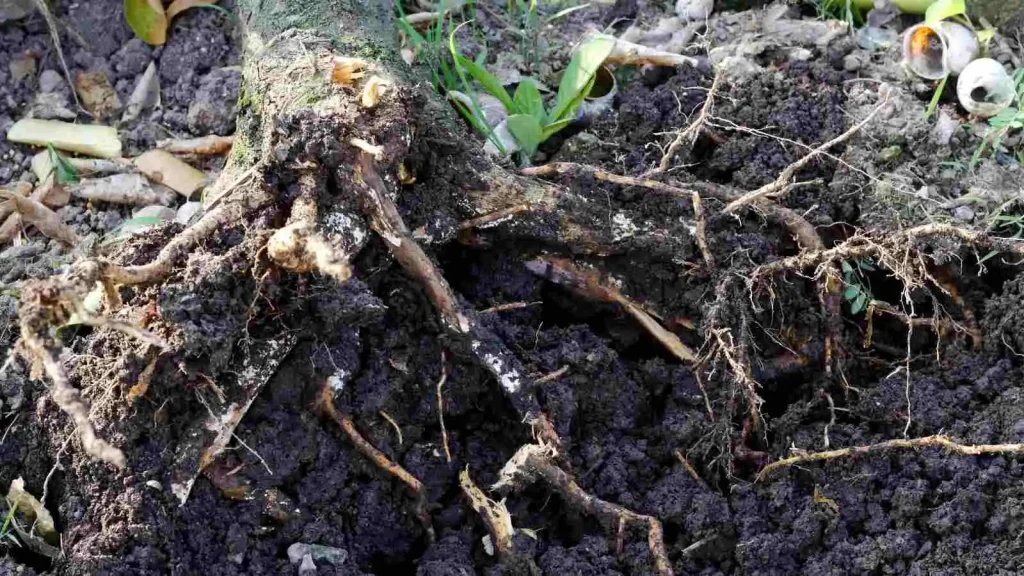
Solutions for Excess Water
- Improve drainage: Raised beds and well-draining soil mixes help.
- Avoid compacted soil: Aerate garden beds regularly.
- Remove standing water: Redirect water flow away from plant roots.
- Apply fungicides cautiously: Only when necessary.
Balancing water levels is crucial when managing plant care in extreme weather involving floods or heavy rainfall.
Protecting Plants From Wind and Storm Damage
Strong winds can break stems, tear leaves, and uproot plants.
Storm Damage Signs
- Broken branches
- Leaning or uprooted plants
- Torn leaves
Wind Protection Techniques

- Stake tall plants: Provide support without restricting movement.
- Windbreaks: Use fences, hedges, or netting.
- Prune weak growth: Reduce wind resistance before storm seasons.
- Secure containers: Heavy pots prevent tipping.
Storm preparedness reduces plant losses and supports effective managing plant care in extreme weather.
Troubleshooting Table: Managing Plant Care in Extreme Weather
| Problem | Likely Cause | Symptoms | Solution |
|---|---|---|---|
| Leaves wilting in heat | Heat stress | Drooping, scorched leaves | Add mulch, water early morning, provide shade |
| Yellow leaves after rain | Waterlogging | Soft roots, yellow foliage | Improve drainage, reduce watering |
| Blackened leaves | Frost damage | Mushy or dark leaves | Cover plants, move indoors, prune damaged parts |
| Leaf curl in drought | Water deficiency | Dry, curled leaves | Deep watering, mulch soil |
| Plants falling over | Wind damage | Broken stems | Stake plants, add windbreaks |
| Fungal growth | Excess moisture | Mold, root rot | Improve airflow, use fungicide if needed |
| Slow growth | Temperature stress | Weak or stunted growth | Adjust placement, protect from extremes |
Conclusion
Extreme weather is an unavoidable reality of modern gardening. However, with proper planning, observation, and timely intervention, plants can survive and even thrive under challenging conditions. Managing plant care in extreme weather is about understanding plant needs, anticipating climate stress, and responding with smart, sustainable solutions.
By applying the strategies outlined in this guide from heat protection and frost prevention to drainage improvement and wind defense, you can protect your plants year-round and build a resilient garden ready to face the future.