Imagine biting into fresh sweet corn. Those kernels burst with juice. It’s corn you just picked from your backyard. Store-bought corn often tastes flat. It also loses nutrients. This happens on its way to your plate. Raised beds fix this problem. They work for small yards. Even city spots or bad soil are fine. You control the soil fully. You also control the setup. Sweet corn thrives in raised beds. You get more corn. There is also less work. This guide shows you how to plant sweet corn. We cover picking seeds. Then you’ll harvest your corn. New gardeners can follow along. Grow your own tasty corn at home.
Selecting the Best Sweet Corn Varieties for Raised Beds
Raised beds limit space. Pick sweet corn types that stay compact. They should not spread too much. Find plants that grow quickly. They also need to be small. These choices give more corn. You get a good harvest in a small area. Consider how fast they ripen. Check their final height. Look for bug resistance, too. These things really matter. Get your seeds from trusted places. This helps your plants begin strong. Choose hybrid seeds for reliable crops. Or choose heirlooms for unique tastes. Think about your garden space. Also, what you enjoy eating matters.
Understanding Maturity and Growth Habits

Short-season sweet corn grows quickly. It is ready in under 70 days. Raised beds work well for this corn. They help prevent overcrowding. Choose varieties suited for cooler spots. This is important if you live in colder areas. Bushy plants stay compact. They grow about 4 to 5 feet tall. These need less space than taller types. Tall corn can reach 8 feet. Check your USDA zone first. This matches seeds to your local weather. Your seeds will then sprout well. Plants will grow strong.
If you’re in zone 5, pick early types. This helps avoid summer heat. Tall plants fit large garden beds. Just remember wind can knock them down. Shorter plants are best for city gardens. Always check seed packs for growth details. This shows how much room they need. You won’t get any surprises.
Top Recommended Varieties

For white sweet corn, try ‘Silver Queen’. It tastes creamy. This corn ripens in 92 days. It grows well in raised beds too. ‘Honey Select’ gives you two-tone kernels. It’s ready in 80 days. Both types produce a lot. You can get two ears per plant with good soil. Check seed packs for how long they take to grow. Also note the plant height. This helps fit your garden bed.
Consider ‘Peaches and Cream’ next. It’s a sweet, two-color corn. It ripens in 85 days. This one also fights off some diseases. These plants grow evenly. They pollinate better in small beds. A 4×4 foot block can yield 10 to 15 ears. Always read the labels for harvest details. This helps you plan.
Sourcing Quality Seeds
Pick seeds from well-known brands. Burpee or Johnny’s are good choices. Look for organic or non-GMO labels. This matters if that is your goal. Get small packs first. Test different types in your garden beds. Old seeds often do not sprout. Buy fresh ones every year.
Check online reviews for seeds. Look for germination rates over 85 percent. Do not buy cheap bulk seeds. They might have bad stock mixed in. Put extra seeds in a cool, dry spot. You can use them next year. This helps your raised bed corn grow right.
Preparing Your Raised Beds for Sweet Corn Success

Sweet corn grows best in rich soil. It also needs good drainage. This helps it get tall and make full ears. Prepare your garden beds first. Make sure there is room for its deep roots. Test your soil before planting. This shows what nutrients are missing. Add what the soil needs. This keeps leaves green. It also makes stalks strong. This work pays off. You will get healthy corn plants.
Building or Choosing the Right Raised Bed Size
Make your garden beds deep. Shoot for 12 to 18 inches. Corn roots reach far down for water and food. A 4×8 foot bed holds many plants. Use untreated wood or metal frames. This keeps chemicals out of your soil.
Metal beds warm up fast. This helps plants get an early start. Wood frames last years. Just treat them with care. Go with modular beds. You can add more space later. This setup lets wind pollinate easily.
Soil Preparation and Amendments

Check your soil’s pH. Aim for a range of 6.0 to 6.8. Corn grows best in slightly neutral soil. Add compost or aged manure. This gives your corn extra food. Mix one part compost with three parts garden soil. Pick a slow-release fertilizer. Make sure it has plenty of nitrogen. Corn needs nitrogen for strong, green leaves. Turn the soil over each year. This keeps it healthy. Be careful not to use too much. Too much fertilizer can burn the roots. About five pounds per 100 square feet is enough.
Ensuring Proper Sunlight and Drainage
Corn needs full sun. Give it at least eight hours a day. Set your corn beds facing south. Keep them clear of trees. Buildings also block sunlight. Raised garden spots warm up faster.
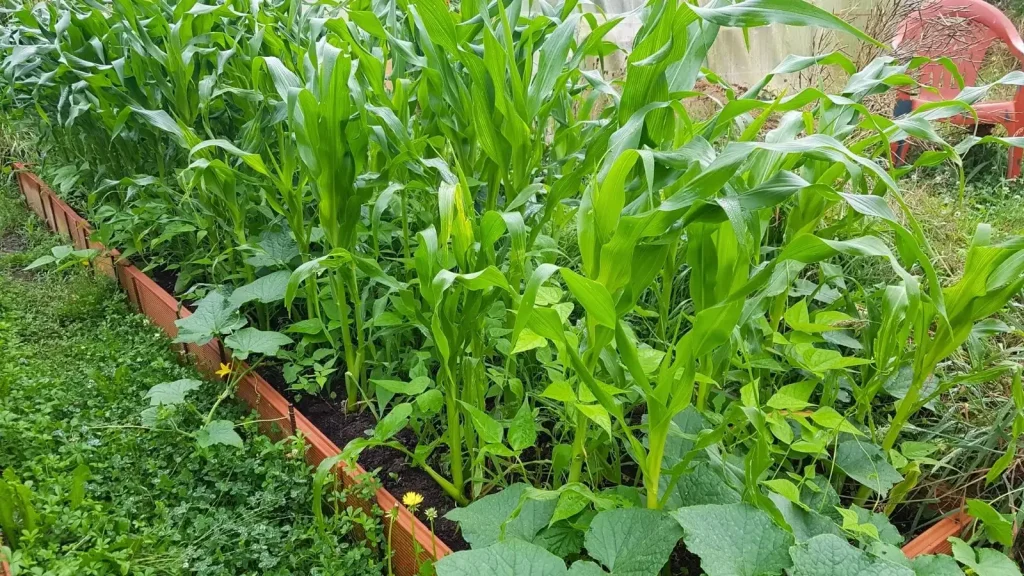
Good drainage is key. Add gravel to the bed bottom. Do this if rainwater collects. For wet spots, raise your beds. Use legs to lift them. This helps water drain away. Roots won’t rot in wet soil then. Check your beds after heavy rain. Make changes if you need to.
Optimal Timing and Site Selection for Planting
Planting sweet corn in raised beds needs good timing. Plant too early, and frost can kill young shoots. Plant too late, and summer heat hurts the corn. Find a spot out of strong wind. Bees must still reach the plants. Check your planting zone. This helps set the best dates. Your corn will grow strong. You will get big, full ears.
Determining Your Planting Window
Soil must warm up first. Wait for it to hit above 60°F. Use a simple soil thermometer to check. Most gardeners plant after the last spring frost. For northern areas, this means late April or early May.

A helpful hint: plant when dogwood trees bloom. Their flowers signal safe outdoor temperatures. Zone 7 gardeners often start in March. Always check local frost dates online. This helps you pick the right planting time.
Selecting the Ideal Location
Find a spot facing south. Make sure it has some wind protection. A fence works well for this. Raised beds sit higher off the ground. This helps avoid weeds. It also keeps many bugs away. Plan for at least a four-by-four-foot area. This gives plants space to cross-pollinate. That size helps kernels fill out properly. Stay away from low areas. Cold air tends to settle there. Watch the sun’s path all day long. This will help you test the spot.
Pre-Planting Checks
Clear weeds from the bed first. Level the soil so water spreads even. Think about companions: plant beans or squash nearby, but skip tomatoes that share pests.

Mulch paths with straw to block weeds. No need for sprays. Walk through your plan: bed ready? Seeds picked? You’re set.
Step-by-Step Planting Process
Plant sweet corn in blocks, not rows, for better pollen spread in raised beds. Sow direct or start inside for a head start. Space right to let plants stand strong. Follow these steps for even rows and healthy starts.
Starting Seeds Indoors (Optional)
In short summers, begin seeds inside two to three weeks early. Use peat pots to avoid root shock. Place under grow lights for 14 hours a day.
Keep soil moist at 70°F. Thin to one seed per pot if many sprout. Harden off by setting pots outside for longer each day before transplant.
Direct Sowing in Raised Beds
Sow seeds 1 to 2 inches deep. Space them 8 to 12 inches apart in a grid. Make blocks of 16 plants or more for good pollination.

Use string to mark lines for straight rows. Cover lightly and firm soil. Thin to the best seedlings at 4 inches tall. Water gently right after.
Watering and Initial Care After Planting
Give about 1 inch of water each week. Use soaker hoses to wet roots without splashing leaves. Avoid soggy spots that breed bugs.
Mulch with 2 inches of straw around plants. It holds moisture and cools soil. Check daily at first to see sprouts push through.
Ongoing Care and Maintenance for Healthy Growth
Watch plants from sprout to silk for best results. Feed them right and scout for trouble. Organic ways fit raised beds well. Fix issues early to keep ears plump.

Fertilizing and Nutrient Management
At knee-high, side-dress with nitrogen fertilizer. Scratch it into soil around plants. Yellow leaves mean more food needed.
Try fish emulsion for a safe boost. It feeds without harm. Do this every three weeks until tassels show. Balanced care yields more corn.
Pest and Disease Prevention
Corn earworms chew into tips. Cover young plants with row fabric. Spray neem oil if bugs show up.
Smut makes galls on ears; pick them off and burn. Check weekly, hand-pick pests. Clean tools to stop spread. Healthy soil fights most ills.
Supporting Pollination and Staking
In small blocks, shake tassels by hand on dry days. This moves pollen to silks. Do it morning when pollen flies best.

For tall types, stake with bamboo. Tie loose at the base. This stops wind from toppling stalks and breaking ears.
Harvesting and Post-Harvest Tips
Pick at the right time for max sugar in kernels. Wait too long, and it turns starchy. Learn signs and methods to get it right. Store smart to enjoy longer.
Recognizing Harvest Readiness
Silks turn brown and dry after 20 days. Puncture a kernel; milky juice means ready. Test the top ear first.
Ears feel full and tight in husks. Harvest mornings when cool for crisp taste. Most plants give ears over a week or two.
Proper Harvesting Techniques
Grab the ear and twist down sharply. Or use shears for clean cuts at the base. Leave husks on till you eat.
Pull all ripe ones in days to beat toughness. Leave stalks for birds or till under as green manure. One bed might give 20 ears.

Storing and Using Your Harvest
Husk and fridge ears up to a week. For longer, blanch two minutes and freeze. Bags keep flavor for months.
Grill whole or make fresh creamed corn. Add to salads for crunch. Share with neighbors; homegrown beats store stuff every time.
Conclusion
Raised beds make growing sweet corn easy and fun, with control over soil and space for big rewards. From picking compact varieties to timing your plant, each step builds toward juicy harvests. Block planting aids pollination, steady water and food keep plants happy, and ripe picking locks in that fresh taste store corn can’t match.
Start small this year. Grab seeds, prep a bed, and watch magic happen. Your summer table will thank you with the sweetest payoff.