When it comes to transforming your garden into a vibrant, eye-catching space, few things are as effective as planting annual flowers for bright seasonal displays. Annuals offer fast growth, bold colors, and constant blooming, making them perfect for beds, borders, containers, hanging baskets, and small urban spaces. Whether you’re a beginner or seasoned gardener, this guide walks you through everything you need to create dazzling displays that last all season long.
Planning Your Bright Seasonal Flower Display
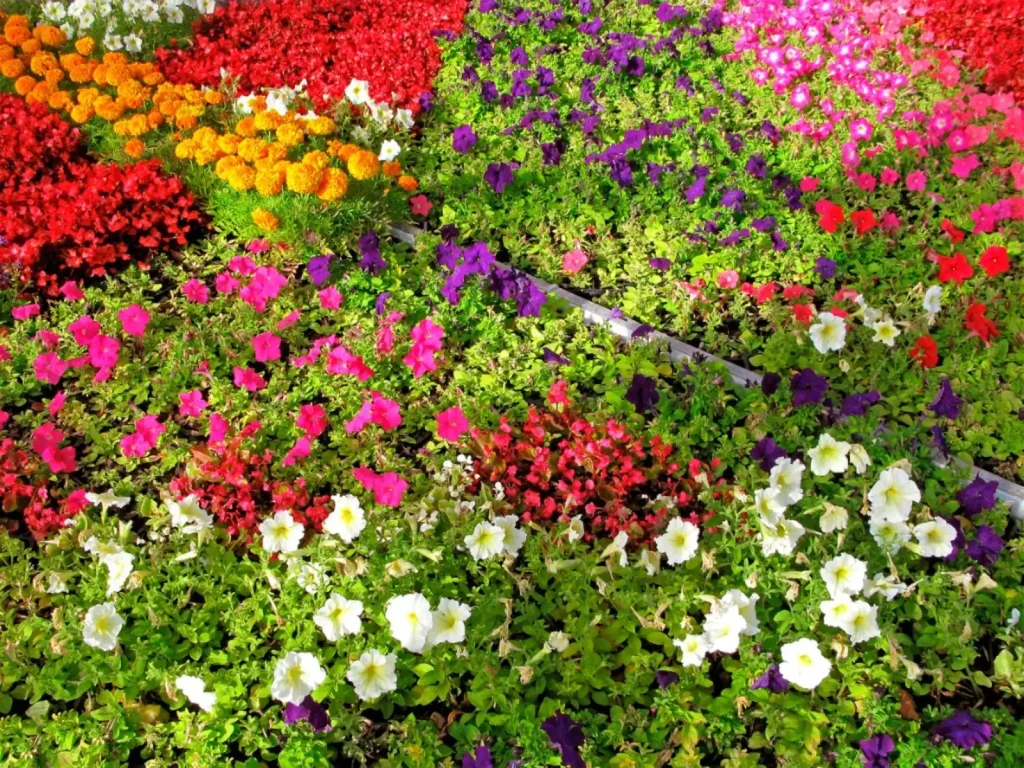
Before planting annual flowers for bright seasonal displays, spend some time planning your garden for maximum impact.
1. Choose Your Color Scheme
To achieve a balanced and attractive design, think about how colors interact.
Popular themes include:
- Monochromatic: One color in different shades
- Complementary: Opposites on the color wheel (yellow + purple, red + green)
- Analogous: Colors next to each other (orange, red, pink)
- Bold Mix: A cheerful riot of color for cottage-style gardens
2. Consider Sunlight and Climate
Sun exposure is crucial when selecting annuals.
- Full Sun: marigolds, zinnias, cosmos, portulaca
- Partial Shade: impatiens, begonias, coleus
- Full Shade: torenia, wax begonias, some ferns (mixed with shade-tolerant annuals)
3. Pick the Right Plant Heights
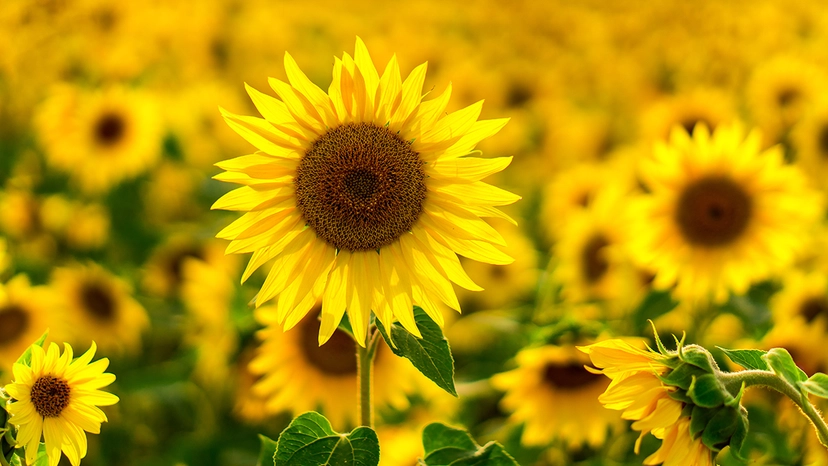
Layering heights creates depth and drama:
- Tall: sunflowers, amaranth, cosmos
- Medium: marigolds, salvias, celosia
- Low/Trailing:lobelia, alyssum, petunias, verbena
4. Decide Between Seed or Transplants
- Seedlings/Transplants: instant results and consistent spacing
- Seeds: cheaper and great for large areas
How to Plant Annual Flowers for Stunning Seasonal Displays
1. Hardening Off Seedlings
If starting indoors, gradually expose plants to outdoor conditions for 7–10 days.
2. Dig Proper Holes
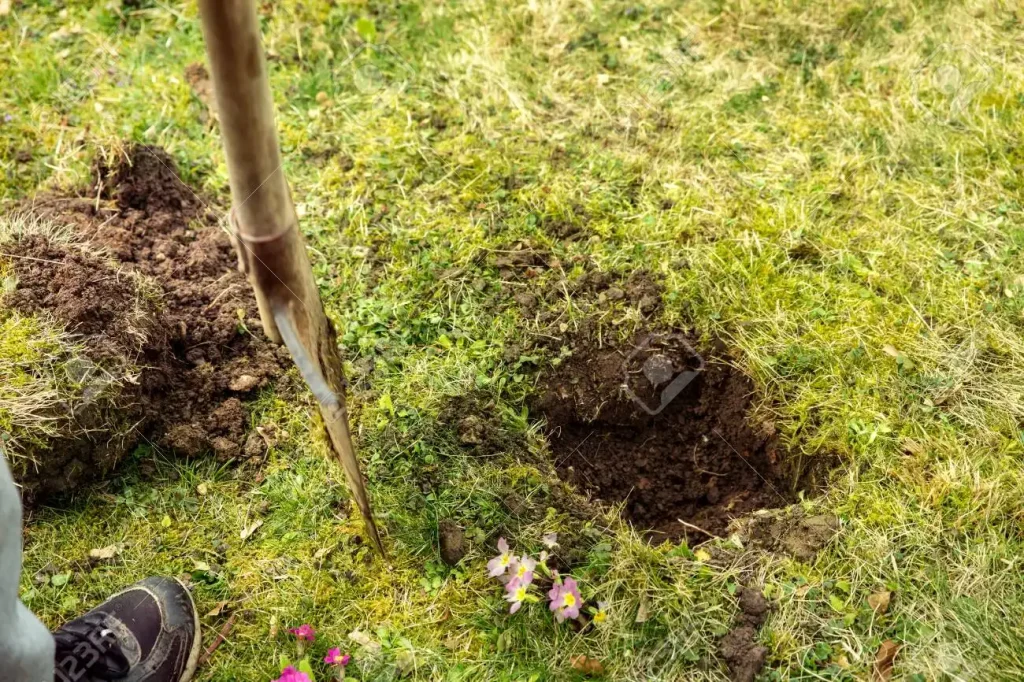
Make each planting hole slightly larger than the root ball.
3. Space Correctly
Crowded plants look good initially but may develop fungal issues later. Check the seed packet or plant label.
4. Plant at the Same Depth
Do not bury stems deeper than they were in the pot, this prevents rot.
5. Water Deeply
After planting, water thoroughly so soil settles around the roots.
Best Annual Flowers for Bright Seasonal Displays

Here are some top performers for continuous color:
Warm-Season Stars
- Marigolds – gold, orange, and yellow heat-lovers
- Petunias – trailing and bushy types for baskets or beds
- Zinnias – bold, big blooms loved by butterflies
- Vinca – drought-resistant and heat tolerant
- Cosmos – airy, delicate blooms in pink, white, and red
- Salvia – spiky blossoms attracting bees and hummingbirds
- Portulaca (Moss Rose) – perfect for hot, sunny spots
Cool-Season Favorites
- Pansies & Violas – early-spring color
- Snapdragons – tall spikes great for borders
- Calendula – bright orange and yellow daisy-like flowers
- Sweet Peas – fragrant climbers
Mixing warm and cool-season annuals allows you to maintain color almost year-round.
Annual Flower Troubleshooting Table
| Problem | Possible Causes | Solutions |
|---|---|---|
| Plants not blooming | Too much shade, overwatering, excess nitrogen | Move to sunnier spot, reduce watering, use bloom-boost fertilizer |
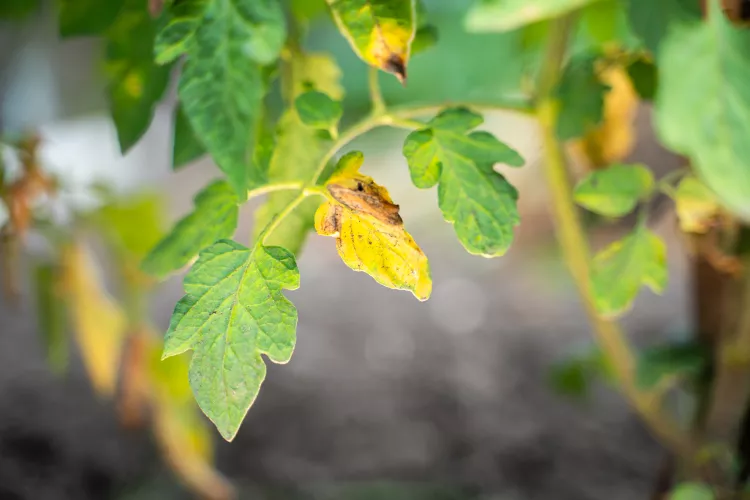
| Yellowing leaves | Poor drainage, nutrient deficiency, pest damage | Improve drainage, add fertilizer, inspect for pests |
| Wilting despite watering | Root rot, heat stress, soil compaction | Let soil dry between watering, add mulch, loosen soil |
| Leggy, stretched plants | Insufficient sunlight, crowded planting | Move to full sun, thin out plants, pinch tips |
| Brown leaf edges | Underwatering, fertilizer burn | Water consistently, flush soil, reduce fertilizer |
| Powdery mildew | Humidity, poor air circulation | Improve spacing, water at base, use fungicide if needed |
| Pests (aphids, whiteflies) | Weak plants attract insects | Use neem oil, insecticidal soap, encourage beneficial insects |
| Drooping in afternoon | Heat stress (normal for some annuals) | Water early morning; they’ll recover by evening |
Final Thoughts
Planting annual flowers for bright seasonal displays is one of the easiest and most rewarding ways to add instant beauty to your garden. With endless color options, quick growth, and the ability to thrive in containers or small spaces, annuals allow you to refresh your garden every season with creativity. By choosing the right varieties, preparing the soil well, and providing regular care, you can enjoy months of vibrant blooms that completely transform your outdoor space.