Introduction: What Is Edible Landscaping?
Edible landscaping is a sustainable approach to combining beauty and functionality in your outdoor spaces. It transforms traditional ornamental gardens into productive landscapes filled with edible plants. Instead of planting only decorative flowers or shrubs, you integrate fruits, vegetables, herbs, and even edible flowers into your garden design. This method allows you to enjoy a visually appealing yard while harvesting homegrown, fresh produce throughout the year.
You might think edible landscaping means sacrificing aesthetics for practicality, but that’s far from the truth. With proper planning, your edible garden can look as stunning as any ornamental landscape. Imagine trellises draped with vibrant grapevines, pathways bordered with aromatic rosemary, or raised beds overflowing with colorful lettuce and kale. Edible plants can thrive alongside traditional ornamental species, and they bring their own texture, flavor, and character to the space.
A key principle of edible landscaping is functionality. Every plant you choose has a dual purpose: to enhance the visual appeal and to contribute something edible or beneficial to your table. Some edible plants, like Swiss chard or colorful peppers, are inherently decorative. Others, such as blueberries and fig trees, can serve as attractive focal points while offering seasonal harvests.
By incorporating edible plants into your landscape, you’re not just creating a garden; you’re cultivating a space that supports biodiversity, promotes sustainable living, and reduces your reliance on store-bought produce. A thoughtful design ensures harmonious integration, so you can enjoy the best of both worlds—an eye-catching yard and fresh, home-grown food.
Benefits of Edible Landscaping: A Sustainable Approach
Edible landscaping offers you a unique way to combine aesthetics with functionality in your outdoor spaces. Instead of growing purely ornamental plants, you can focus on cultivating fruits, vegetables, herbs, and edible flowers while maintaining the beauty of your land. With this approach, you can transform traditional landscaping into a purposeful, sustainable practice.
Economic Benefits
By replacing decorative plants with edible ones, you can save money on grocery bills. Growing food in your yard allows you direct access to fresh produce without the markup from supermarkets. Additionally, edible plants can grow year after year, meaning you spend less on replanting, especially with perennial varieties like strawberries or asparagus. Investing in edible landscaping is like growing your own source of renewable produce.

Environmental Advantages
Edible landscaping improves environmental sustainability. You reduce reliance on long food supply chains, which decreases your carbon footprint. Incorporating native edible plants and drought-resistant crops minimalizes water usage and supports the local ecosystem. Additionally, edible landscaping avoids synthetic fertilizers or pesticides, encouraging organic cultivation that contributes positively to soil health and biodiversity.
Health Benefits
When growing your own food, you can control how it is cultivated, ensuring that your produce is free from contaminants, chemicals, or harmful substances. Having access to fresh ingredients encourages healthy eating habits by motivating you to prepare meals using nutrient-dense plants grown right at your home. Picking and eating food at peak freshness provides maximum nutritional value.
Aesthetic and Functional Value
Edible plants offer dual benefits—they are both visually appealing and practical. Berry bushes, fruit trees, or vibrant greens can serve as striking focal points while contributing to your diet. Herbs can be used as edging or ground cover, creating an attractive layered effect. These plants serve essential functions like shade, erosion control, or pollinator support, enhancing both beauty and utility.
Community Building Opportunities
Edible landscaping fosters a sense of community through shared gardening efforts. Designing shared edible landscapes in urban spaces or neighborhoods can bring people together, encouraging collaboration and knowledge exchange. Gardening offers the opportunity to host harvest festivals, seed swaps, or educational workshops.
By embracing edible landscaping, you can create a sustainable and nourishing space, all while contributing positively to your health, wallet, and environment.
Planning Your Edible Landscape: Design Basics
When designing an edible landscape, consider the key elements of space, functionality, aesthetics, and seasonal variety. Begin by analyzing your yard or garden, observing sunlight patterns, soil quality, and any environmental barriers that may influence plant growth. This helps you identify the right crops for the specific conditions of your space.

Key Factors to Evaluate
- Sunlight: Most edible plants require 6-8 hours of sunlight daily. Map out areas that receive full sun, partial shade, or heavy shade to determine where different crops can thrive.
- Soil Quality: Test your soil’s pH level and nutrient content to decide whether amendments like compost or organic matter are needed. Healthy soil is the foundation for a productive landscape.
- Drainage: Ensure your space has proper drainage. Plants don’t typically tolerate standing water, so raised beds or berms may be a good solution for waterlogged areas.
Layout and Design Principles
Use a mix of functional and ornamental plants when planning your layout. Balance practicality with visual appeal by integrating vegetables, fruits, herbs, and edible flowers into your design. Choose plants with diverse colors, shapes, and textures to create an aesthetically pleasing yet productive landscape.
- Zones: Divide your space into zones based on plant needs. Group crops that require similar sunlight, water, and care to simplify maintenance.
- Pathways: Incorporate pathways to allow easy access for harvesting and upkeep. Consider materials like gravel or stepping stones for durability and natural integration.
- Vertical Spaces: Utilize vertical gardening techniques with trellises, arches, or hanging containers to maximize space in smaller areas.
Choosing Plants for Seasonal Harvest
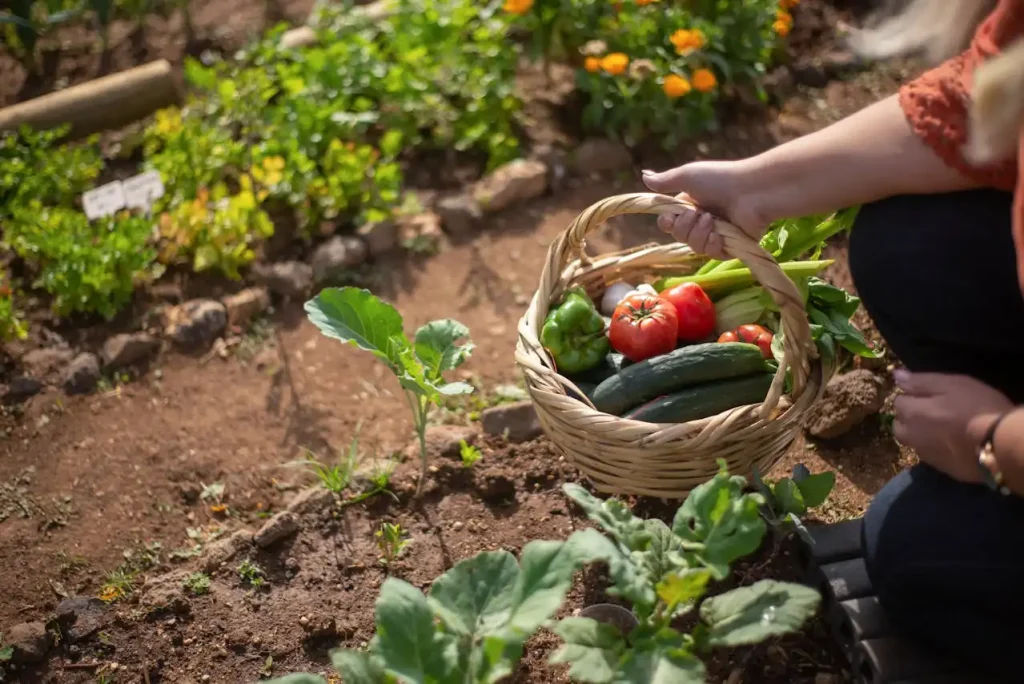
Plan for year-round productivity by selecting crops that align with the seasons. Include cool-season vegetables like kale and broccoli for spring and fall gardens. Summer crops such as tomatoes, cucumbers, and beans thrive in warm conditions, while winter-ready plants like garlic or winter squash can extend your harvest into colder months.

Take into account your climate zone and the specific growth requirements for each plant. Matching plants to their ideal conditions ensures consistent yields while reducing the need for intensive care.
Choosing the Right Edible Plants for Your Yard
When selecting edible plants for your landscaping, you need to consider multiple factors to ensure they thrive in your yard. Start by assessing your climate and soil conditions. Certain fruits, vegetables, and herbs perform better in specific climates, so it’s essential to understand the growing zone of your location. Check the acidity, drainage, and overall fertility of your soil to match it with plants that align with its characteristics. If you have poor soil conditions, amend them or consider growing in raised beds and containers.
Secondly, think about the amount of sunlight your yard receives. Most edible plants require full sun for optimal growth, which means six to eight hours of direct sunlight daily. Shade-tolerant options, such as lettuce, spinach, or certain herbs like mint and parsley, can work if you have areas with less light.
You should also take the available space into account. Larger plants such as fruit trees need sufficient room to spread their roots and canopy, while smaller plants like strawberries or chives can comfortably fit in compact areas. Factor in your vertical space too; climbing plants like beans or peas can utilize trellises for upward growth.
Another consideration is the seasonality of your plants. Choose a mix of annuals and perennials to enjoy fresh harvests year-round. Incorporate plants that thrive during different times of the year—for instance, cool-season crops such as kale and broccoli can be harvested in fall and winter, while summer crops like tomatoes and peppers flourish in the warmer months.
Finally, take your personal preferences into account. Grow plants that you will actually use for cooking, snacking, or preserving. If you enjoy fresh salads, focus on leafy greens; if you love making smoothies, plant berries. Prioritize what fits not only your garden but your lifestyle.
Incorporating Fruit Trees for Beauty and Functionality
When designing your edible garden, fruit trees can serve as striking features that provide both aesthetic appeal and practical benefits. These trees not only enhance the visual charm of your landscape but also offer shade, privacy, and an abundant supply of fresh fruits throughout the year. Incorporating them strategically ensures that your garden remains both functional and beautiful.
One of the first considerations you should make is selecting the right fruit trees for your climate. Research trees that thrive in your growing zone to guarantee a healthy yield. Common choices include apple, cherry, pear, and peach trees, which are resilient and often adaptable to various environmental conditions. For warmer climates, citrus varieties such as oranges and lemons may be ideal. If you have limited space, dwarf fruit trees can be a smart solution as they require less room but still produce substantial crops.
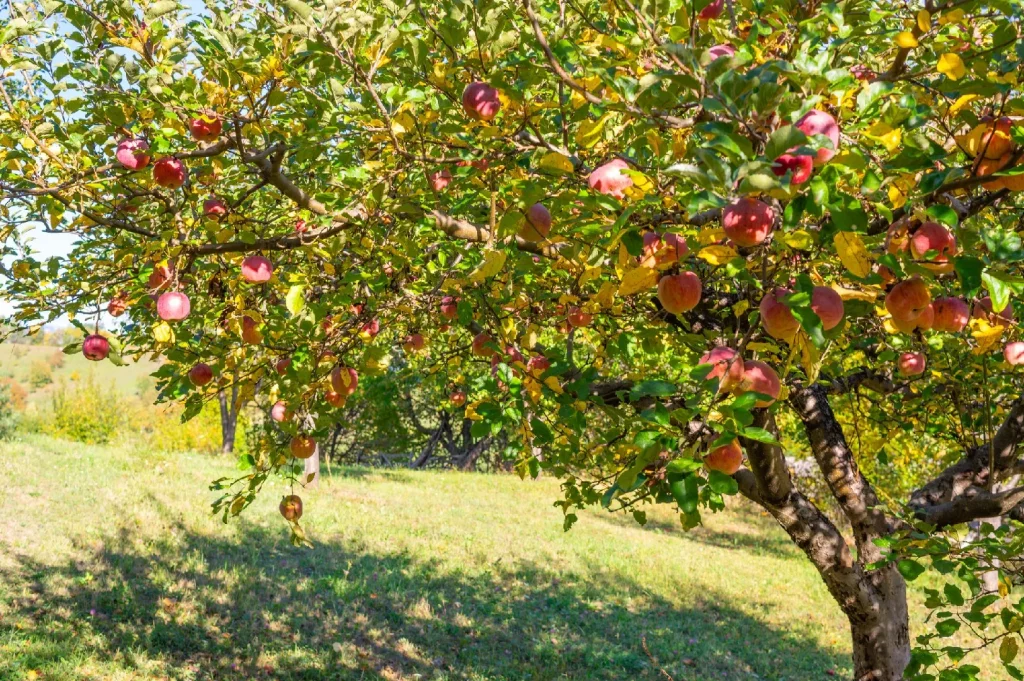
Proper placement is key to maximizing their functionality. You can use fruit trees to create natural borders along your property or to establish shaded seating areas for relaxation during warmer months. These trees also draw beneficial pollinators such as bees and butterflies, adding biodiversity to your garden. When planning their layout, ensure they have enough sun exposure since most fruit trees need full sunlight to thrive and bear fruit.
Pruning and seasonal care are essential for their long-term health. Teach yourself about pruning techniques tailored to the type of tree you choose, as this helps maintain their shape and promotes vigorous fruiting. Mulching around the base of the tree improves soil moisture retention and protects the root system during extreme weather conditions.
By incorporating fruit trees, you not only enjoy homegrown produce but also reduce reliance on store-bought fruits. Their blossoms in spring and colorful harvests in summer or fall enhance the charm of your edible garden, creating a seasonal display rich in beauty and utility.
Herbs: Versatile Additions to Your Landscaping
Herbs do more than merely enrich your culinary creations; they elevate the visual and practical appeal of your garden. Their adaptability makes them suitable for nearly any landscaping space, whether you’re dealing with large garden beds, compact containers, or even vertical gardens.
Why Should You Incorporate Herbs Into Your Landscape?
Herbs are ideal for edible landscaping due to their dual-purpose benefits. They’re easy to grow, thrive in various climates, and serve aesthetic, medicinal, and culinary purposes. Many herb plants boast striking foliage, delicate flowers, and delightful fragrances, contributing to your garden’s sensory experience. Additionally, their pest-repelling qualities may naturally safeguard nearby plants.
Selecting the Right Herbs for Your Garden
When choosing herbs, prioritize those that suit your space, local climate, and intended use. Common options include basil, rosemary, thyme, oregano, and parsley. These herbs pair practicality with charm, offering appealing leaf shapes and textures. Consider sun-loving herbs like lavender or sage for sunnier spots, and opt for shade-tolerant herbs like mint or chives for less sun-exposed areas.

Creative Ways to Integrate Herbs Into Your Landscape
To ensure harmony in your garden’s design, think creatively about placement:
- Edging and Borders: Use low-growing herbs like thyme or chamomile to edge paths or define garden beds neatly.
- Mixed Beds: Pair herbs with vegetables, flowers, or even ornamental grasses for both beauty and functionality.
- Vertical Arrangements: In areas with limited space, utilize hanging baskets or wall-mounted planters for herbs like mint or cilantro.
Maintenance Tips to Keep Your Herbs Thriving
Herbs generally require moderate care. Regular watering, proper drainage, and consistent pruning ensure healthy growth while encouraging the production of flavorful leaves. Fertilize sparingly to avoid overwhelming herbs with excessive nutrients. Monitor for pests, although many herbs naturally fend off unwanted insects.
By thoughtfully incorporating herbs into your edible landscaping efforts, you’ll cultivate a dynamic garden that enhances both your outdoor space and recipe repertoire.
Creative Ways to Grow Vegetables in Your Landscape
Integrating vegetables into your landscape can be both functional and aesthetically pleasing. Instead of reserving vegetables for traditional rows in a backyard garden, you can strategically include them in flower beds, borders, or containers. Here are some creative ways to grow vegetables in your landscape that not only serve a practical purpose but also enhance your outdoor space:
1. Mix Vegetables with Ornamentals
Combine vegetables with ornamental plants in your flower beds. Many vegetables, like kale, Swiss chard, and lettuce, feature vibrant colors and unique textures that can complement flowers and shrubs. By staggering vegetables and flowers together, you create a dynamic and multi-purpose garden space.
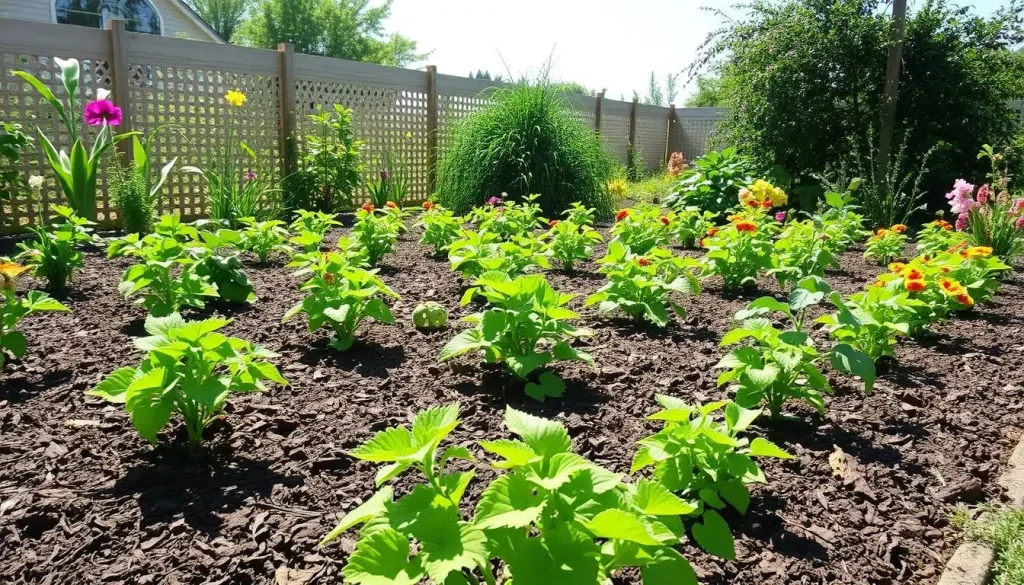
2. Decorative Containers
Use decorative pots, planters, or raised beds to grow vegetables. Containers let you move them around and arrange them in a way that accentuates your landscape design. Choose containers made of natural materials like wood, ceramic, or metal to blend with your outdoor aesthetic. Crops like tomatoes, peppers, and herbs thrive in pots and can highlight your patio or balcony.
3. Vertical Gardens
Vertical gardening maximizes space while adding visual interest. Use trellises, wall planters, or green walls for climbing vegetables like pole beans, cucumbers, and peas. You can create vertical features along fences or exterior walls, transforming blank spaces into lush, edible installations.

4. Edible Borders and Paths
Design edible borders or pathways by lining them with low-growing vegetables, like leafy greens or carrots. You can also use creeping herbs, such as thyme or oregano, to add a practical and fragrant touch to these edges.
5. Incorporate Fruit-Bearing Shrubs
If you want your landscape to produce harvests year-round, consider planting fruit-bearing shrubs like blueberries or raspberries. These shrubs can double as hedges or focal points, blending functionality and beauty seamlessly.
By combining creativity and practicality, you can transform your landscape into a thriving space that serves both culinary and decorative purposes.
Edible Ground Covers: Low-Maintenance Options
Incorporating edible ground covers into your landscape is an excellent way to maximize space, reduce weeds, and enjoy harvestable plants that require minimal upkeep. These low-growing plants thrive with little effort and can be used as functional, delicious alternatives to traditional ground covers.
Benefits of Edible Ground Covers
Adding edible ground covers supports your garden in multiple ways:
- Weed suppression: They form a dense layer, crowding out weeds.
- Soil health improvement: Many options fix nitrogen, add organic matter, or prevent soil erosion.
- Pollinator attraction: Many ground covers bloom, attracting bees and other beneficial insects.
- Aesthetic appeal: Their lush greenery or colorful fruits brighten your garden.
- Dual functionality: You enjoy both ornamental beauty and edible yields.
Top Edible Ground Cover Options
Here are some popular edible ground covers that are both practical and flavorful.
- Creeping Thyme: This hardy perennial offers fragrant foliage and tiny flowers that draw pollinators. Its leaves can enhance teas, soups, and marinades.
- Strawberry Varieties: Certain types of strawberries, like ‘Alpine,’ are perfect for ground cover. They provide a continuous yield of sweet berries while staying low to the ground.
- Oregano: With its spreading nature and delicious aroma, oregano doubles as a culinary herb and a ground cover.
- Clover: White or red clover fixes nitrogen in the soil, attracts bees, and can be used in salads or teas.
- Mache (Corn Salad): A cool-season green, mache forms rosettes of tender leaves perfect for salads, while close planting makes for excellent coverage.
Tips for Planting and Maintenance
- Choose the right species: Prioritize ground covers suited to your climate and soil.
- Spacing: Plant densely to ensure effective coverage while leaving breathing room for growth.
- Water and sunlight needs: Confirm the water and light requirements of your chosen plants match your garden’s conditions.
- Regular harvesting: Trim or pick frequently to encourage growth and prevent overcrowding.

Edible ground covers are an easy way to enhance both the productivity and beauty of your garden. With thoughtful selection, you can enjoy fresh, homegrown flavors with little effort.
Companion Planting for Better Yields and Healthier Growth
Companion planting combines science and tradition to create a thriving garden ecosystem that supports growth, deters pests, and boosts yields. By strategically pairing certain plants together, you can improve how well your edible garden thrives in each season.
Start by understanding plant compatibility. Some crops naturally assist others by improving soil nutrients, repelling enemies, or optimizing space. For example, planting legumes like beans near heavy feeders such as tomatoes enriches the soil with nitrogen, benefiting both plants. Similarly, pungent herbs like basil protect tomatoes from aphids and whiteflies while improving their flavor.
You should consider pairing plants based on their needs. Shade-loving crops like lettuce can find a perfect home beneath tall, sun-loving plants such as corn, creating mutually beneficial layers in your garden. This approach minimizes competition for sunlight and water, while maximizing your garden’s productivity.
To prevent common gardening challenges, use companion planting as a pest control strategy. For instance, marigolds release compounds into the soil that repel nematodes, which can devastate root systems. Interspersing flowers like nasturtiums among your vegetables discourages harmful beetles and caterpillars, keeping your garden flourishing without the need for chemical pesticides.

You also encourage pollinators and beneficial insects by planting species that attract them. Lavender, dill, and fennel will draw bees and ladybugs to your garden, boosting fruit production and warding off destructive pests like aphids.
You should observe spacing requirements carefully to prevent overcrowding. Some plants thrive close together while others need breathing room. Monitor your garden to ensure each plant’s health and adjust as needed.
By implementing companion planting practices, your edible garden can thrive as a productive and balanced ecosystem.
Adding Pollinator-Friendly Plants to Support Your Edibles
When planning your edible landscaping, it’s critical to incorporate plants that attract pollinators. Pollinators, including bees, butterflies, and hummingbirds, play a vital role in helping your fruits, vegetables, and herbs thrive by transferring pollen from flower to flower. By adding pollinator-friendly plants to your garden, you can boost the health, yield, and taste of your edible crops.
Start by selecting flowers that provide ample nectar and pollen throughout the growing season. Perennial favorites like lavender, salvias, and coneflowers are excellent choices, while annuals like zinnias and sunflowers can add vibrant splashes of color. Mix bloom times to ensure an ongoing food source, such as early-flowering crocus, mid-summer borage, and late-blooming asters.
Choose native plants whenever possible, as they tend to attract local pollinators more effectively. Native wildflowers, herbs like mint and thyme, and fruit trees such as apple or cherry often coexist harmoniously with your edibles. Companion planting combines beauty and function—with marigolds and cosmos, for instance, you can deter pests while drawing in pollinators.
Avoid the use of synthetic pesticides and herbicides in your garden, which can harm pollinators. Instead, opt for natural alternatives or integrated pest management methods that support a thriving, diverse ecosystem. Additionally, provide water sources, such as a shallow dish or a birdbath with stones, so pollinators can safely hydrate.
If space is tight, consider using container gardens filled with flowers like nasturtiums or calendula around your vegetable beds. You can also add pollinator plants along pathways or in raised beds to enhance accessibility. Integrating these elements creates a balanced, productive garden that not only feeds you but also sustains essential pollinator species.
Outdoor Structures and Features for Functional Aesthetics
Incorporating outdoor structures into your edible garden design can enhance both its functionality and visual appeal. You should consider versatile solutions that blend purpose with aesthetics to optimize your garden’s productivity while creating a space you’ll love to spend time in.
Raised Beds and Planters
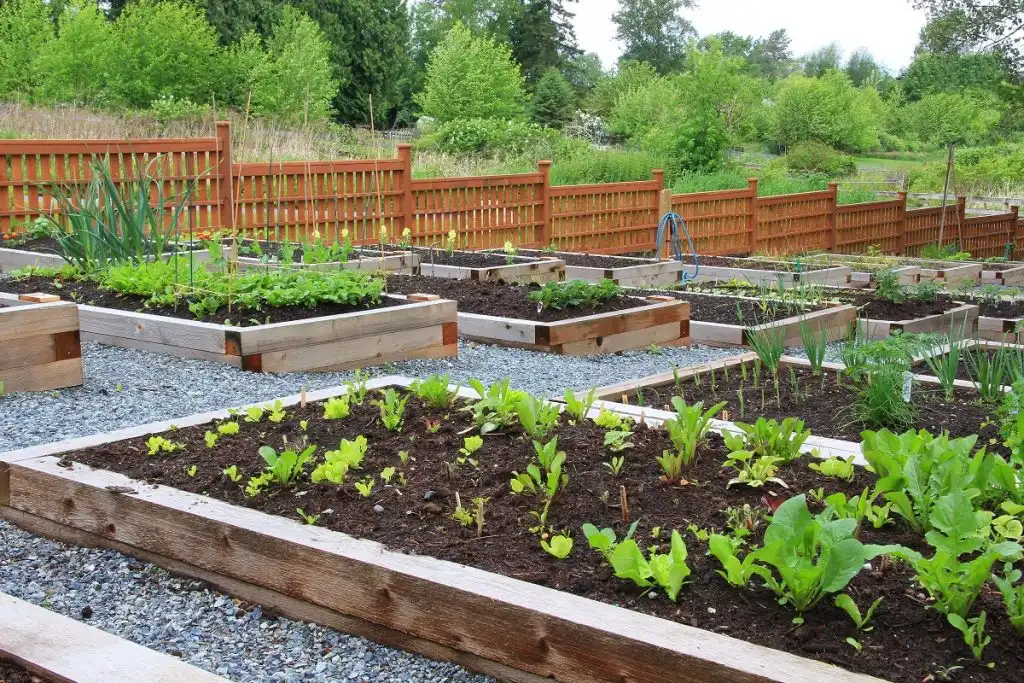
Using raised beds is an effective way to organize your edible plants. These structures provide better drainage, protect delicate crops from pests, and can be tailored to fit your garden’s layout. Choose materials such as wood, stone, or metal, depending on the style you want to achieve. Add eye-catching planters for herbs or small fruits to create focal points that are not only practical but also decorative.
Trellises and Arbors
Vertical structures like trellises and arbors create opportunities for growing climbing plants such as peas, beans, or even squash. Position them in sunny locations to maximize their utility while establishing a visually striking feature. You might include flowering vines, like edible nasturtiums, that add bursts of color to your framework.
Garden Pathways
Designing pathways through your edible landscape improves access and creates a polished look. You can use materials such as gravel, stone, or woodchips to define different zones. Well-laid paths prevent soil compaction and keep your crops reachable while encouraging visitors or family members to explore the garden without disturbing plants.

Water Features
Consider installing a water feature to elevate your garden’s aesthetic while supporting its ecosystem. A small pond or fountain can attract pollinators and beneficial insects that play an essential role in sustaining your edible plants. Ensure the water feature complements the garden’s layout and doesn’t obstruct plant growth or pathways.
Seating Areas and Shade Structures
Integrating seating areas into your edible garden gives you a comfortable space to rest and appreciate your surroundings. You can use pergolas or shade sails to protect yourself from the harsh sun while enjoying a cup of tea surrounded by fragrant herbs. These features take your garden from purely functional to an inviting retreat.
Compost Stations
Adding a designated compost area to your edible garden allows you to recycle food scraps and plant debris while keeping your garden organized. Opt for enclosed bins or tumblers that fit your design aesthetic and ensure they’re accessible but inconspicuous, blending seamlessly with your surroundings.
Outdoor structures don’t just serve practical needs—they also give your garden personality, making it unique to you.
Maintenance Tips for a Thriving Edible Oasis
Maintaining your edible landscaping requires consistent care to ensure both beauty and productivity throughout the year. By staying proactive and responsive, you can maximize your garden’s potential.
Watering and Irrigation
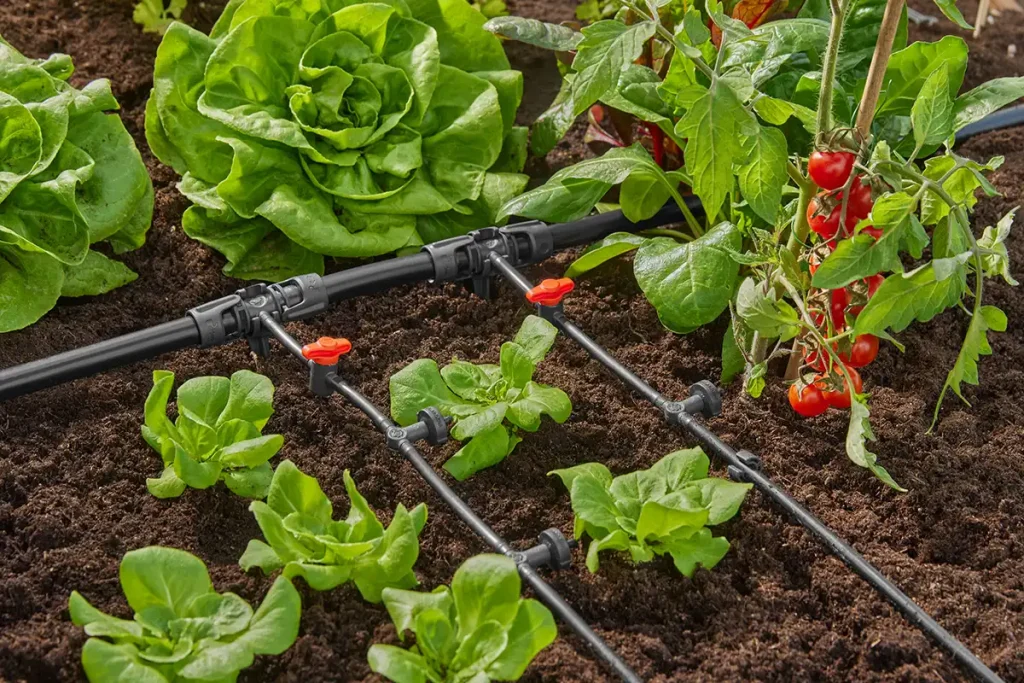
Proper hydration is key to healthy plants. Opt for drip irrigation systems to deliver water directly to the roots, reducing wastage and minimizing foliage-related diseases. Check soil moisture regularly—especially during hotter months—and water deeply instead of frequently to encourage strong root systems. Always adjust watering schedules based on seasonal changes and rainfall.
Soil Health
Healthy soil is essential for a thriving garden. Test your soil annually for pH and nutrient levels, and amend it with compost or organic matter if necessary. Mulch around plants to retain moisture, suppress weeds, and maintain temperature consistency. Rotate crops seasonally to balance nutrient absorption and prevent diseases.
Pest and Disease Management
Monitor your plants regularly for early signs of pests or diseases. Introduce natural predators such as ladybugs and praying mantises for organic pest control. Use neem oil or insecticidal soap when infestations become noticeable. If you encounter fungal diseases, ensure proper airflow between plants by pruning crowded foliage. Removing affected plants promptly can also prevent the spread of harmful pathogens.
Pruning and Harvesting
Prune as necessary to maintain your plants’ shape and health. Remove dead leaves and stems to improve air circulation and aesthetic appeal. Regular harvesting is crucial for encouraging continuous production while preventing over-ripening, which can attract pests. Research the best harvesting times for each plant to maximize flavor and nutritional value.
Seasonal Adjustments
Adapt maintenance practices to the changing seasons. Apply protective measures, such as frost cloths or wind barriers, during colder months. In spring, prepare planting beds early to take advantage of warming temperatures. Fall is the time for deep weeding and replenishing soil nutrients as plants prepare to go dormant.
By staying attentive and investing time in routine care, you’ll nurture an edible oasis that thrives year-round and offers both delicious produce and visual delight.
Inspirational Edible Landscaping Examples to Get You Started
Transforming your outdoor spaces into functional yet beautiful edible landscapes can be both rewarding and practical. Here are inspiring examples to guide your vision and help you start designing your edible garden.
1. Front Yard Fruit Trees and Berries
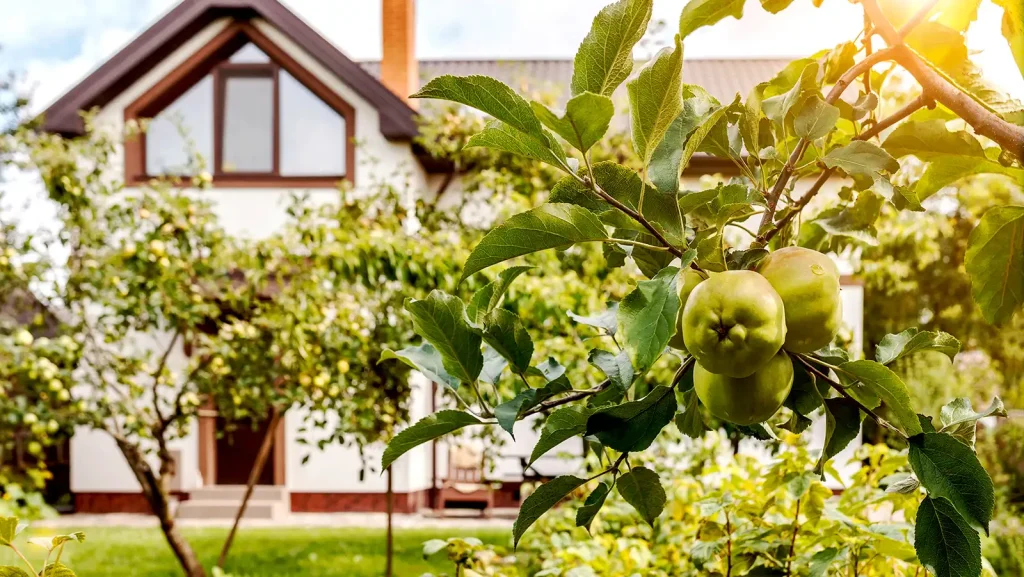
Instead of ornamental trees, you can plant fruit-bearing options like apple, peach, or plum trees. Pair these with a row of blueberry bushes or strawberry plants as ground cover. This not only adds color and texture but also provides fresh, seasonal produce right by your doorstep.
2. Raised Beds for Veggies and Herbs
Design raised beds using sustainable materials like reclaimed wood or stone. Fill them with vegetables and herbs such as kale, tomatoes, basil, and cilantro. Raised beds are space-efficient and allow you to control soil and drainage, making them perfect for beginners or urban gardening.
3. Vertical Gardening Spaces
For spaces with limited square footage, try vertical gardening. Wall-mounted planters or trellises can support climbing plants like peas, beans, or even vining tomatoes. Adding edible nasturtiums not only enhances the design but also provides a peppery addition to your salads.
4. Edible Perennial Borders
Replace traditional flower beds with edible perennials. Lavender, rosemary, and artichokes create a stunning visual display while offering edible benefits. These plants are hardy and low-maintenance, making them suitable for year-round landscaping.
5. Pathways Lined with Culinary Plants
Planting pathways with culinary herbs like thyme or oregano creates visual impact and a delightful aroma. You can use stone or gravel paths surrounded by mixing flowering edibles like chives or calendula with herbs, ensuring both function and beauty.
6. Mixed Use Urban Yards
Blend edible plants with ornamental ones to achieve a more traditional landscape look. Include lettuce, peppers, and edible flowers amidst colorful non-edible plants. This works especially well in urban spaces where aesthetics are a priority.

7. Fruit and Nut Trees for Shade
Plant fruit and nut trees such as walnut, almond, or fig in areas where shade is needed. These trees contribute to landscape design while doubling as producers of healthy snacks and ingredients for cooking.
By focusing on multifunctional plants in your landscape design, you can create spaces that combine utility, sustainability, and visual aesthetics. Each of these examples offers ideas to transform your outdoor areas into edible gardens that thrive in every season.
Conclusion: Transforming Your Yard into an Edible Retreat
Turning your outdoor space into an edible retreat allows you to create a harmonious balance between beauty and functionality. By carefully planning and considering plants that thrive in your specific climate and soil type, you can achieve a landscape that delights the senses while providing a year-round bounty of fresh, homegrown food.
To start, consider the seasonal needs of your edible plants. Incorporate a mix of perennials and annuals to ensure continuous harvest. For example, perennial herbs like rosemary and thyme can form the backbone of your garden as they last year after year with minimal effort, while vibrant annual crops like kale, tomatoes, or cucumbers ensure variety. Layer your planting with groundcovers such as strawberries, shrubs like blueberries, and even vertical climbers like beans or grapes to maximize your space.
Pay attention to sun exposure and water management. Position sun-loving crops like peppers and tomatoes in areas that receive the most light, while shade-tolerant greens like spinach or lettuce thrive in less direct sunlight. Implement watering systems such as drip irrigation or rainwater collection to conserve resources while keeping your garden hydrated.

Design your space with functionality and aesthetics in mind. Curving pathways, raised garden beds, and borders lined with marigolds or lavender can make your yard visually inviting. Encourage pollinators by planting companion flowers like nasturtiums or zinnias, which not only attract beneficial insects but also contribute to your garden’s vibrancy.
Taking an eco-conscious approach ensures sustainability. Composting kitchen scraps and garden waste enriches the soil while reducing waste. Practicing crop rotation and integrating organic pest control methods helps maintain a healthy garden ecosystem.
By embracing edible landscaping, you not only cultivate nutritious food but also create a space to relax, connect with nature, and enjoy the fruits of your labor.