Planting depth plays a crucial role in determining whether your plants thrive or struggle. Even with high-quality seeds, rich soil, and proper watering, incorrect planting depth can stunt growth, reduce yields, or cause plant failure altogether. Understanding planting depth tips for healthy plants is one of the most overlooked yet essential gardening skills for beginners and experienced gardeners alike.
In this detailed guide, you’ll learn why planting depth matters, how to determine the correct depth for seeds and transplants, common mistakes to avoid, and practical tips to ensure strong roots and healthy plant development.
Understanding Planting Depth Basics
What Is Planting Depth?
Planting depth refers to how deep a seed or plant is placed into the soil from the surface. This varies depending on:
- Plant type
- Seed size
- Soil texture
- Climate conditions
There is no universal depth for all plants, which is why learning proper guidelines is essential.
Planting Depth Tips for Seeds
Seeds rely on stored energy to germinate and push through soil. If planted too deep, they may run out of energy before reaching the surface.
General Rule for Seeds
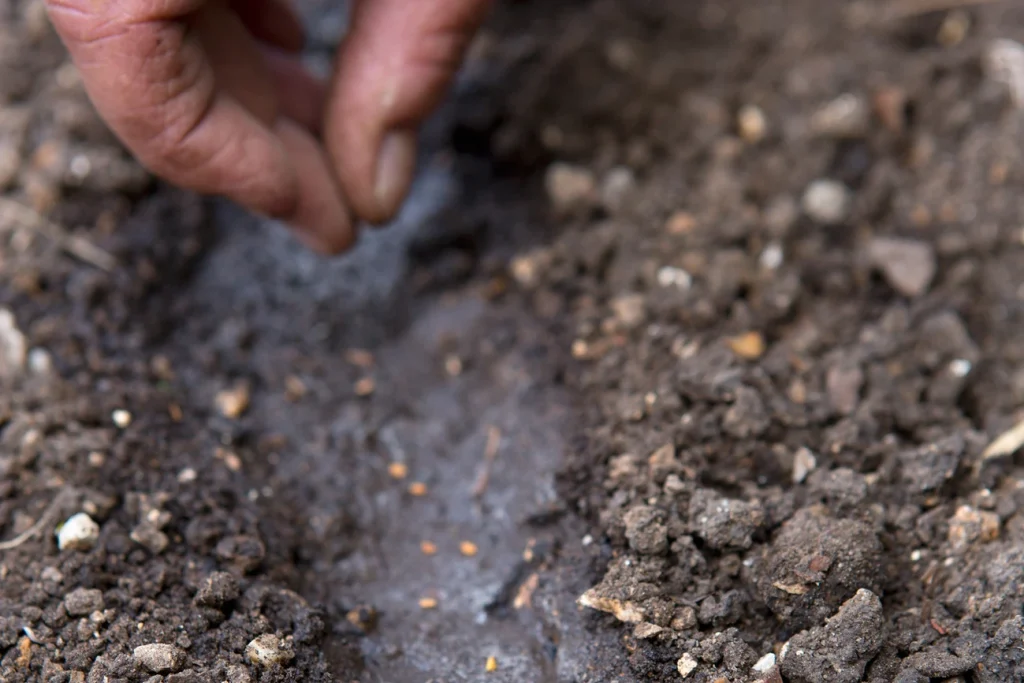
A simple rule of thumb:
Plant seeds at a depth equal to 2–3 times their size.
Small Seeds
Examples: Lettuce, basil, petunia
- Plant very shallow or simply press into soil
- Cover lightly with fine soil or compost
Small seeds need light for germination, so burying them deeply can prevent sprouting.
Medium Seeds
Examples: Tomatoes, peppers, marigolds

- Plant ¼–½ inch deep
- Ensure soil is gently firmed
Large Seeds
Examples: Beans, peas, corn, squash
- Plant 1–2 inches deep
- Deeper planting helps anchor roots and protect seeds
Planting Depth Tips for Transplants
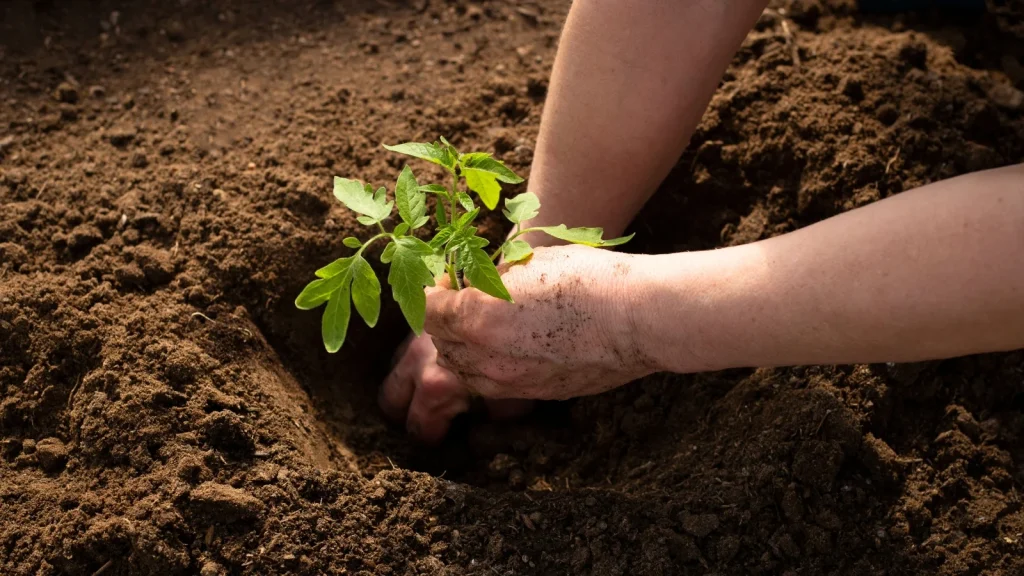
Transplants already have established roots, but improper depth can still cause stress or disease.
Correct Transplant Depth
- Most plants should be planted at the same depth as their nursery container
- The soil line should match the original root ball
Deep-Planting Exceptions

Some plants benefit from deeper planting:
- Tomatoes: Can be planted deeper to encourage additional roots
- Peppers: Slightly deeper planting improves stability
- Leggy seedlings: Bury part of the stem for stronger growth
Avoid deep planting for plants like lettuce, strawberries, and woody shrubs.
Planting Depth Tips for Different Plant Types
Vegetables
- Root crops (carrots, radishes): Shallow planting
- Fruiting crops (tomatoes, cucumbers): Moderate depth
- Bulbs (onions, garlic): Depth equals bulb size
Flowers

- Annuals: Follow seed size rule
- Perennials: Crown should remain at soil level
- Bulbs (tulips, daffodils): Plant 2–3 times bulb height
Trees and Shrubs
- Root flare should remain above soil level
- Planting too deep causes long-term decline
- Avoid burying the trunk
Soil Type and Planting Depth
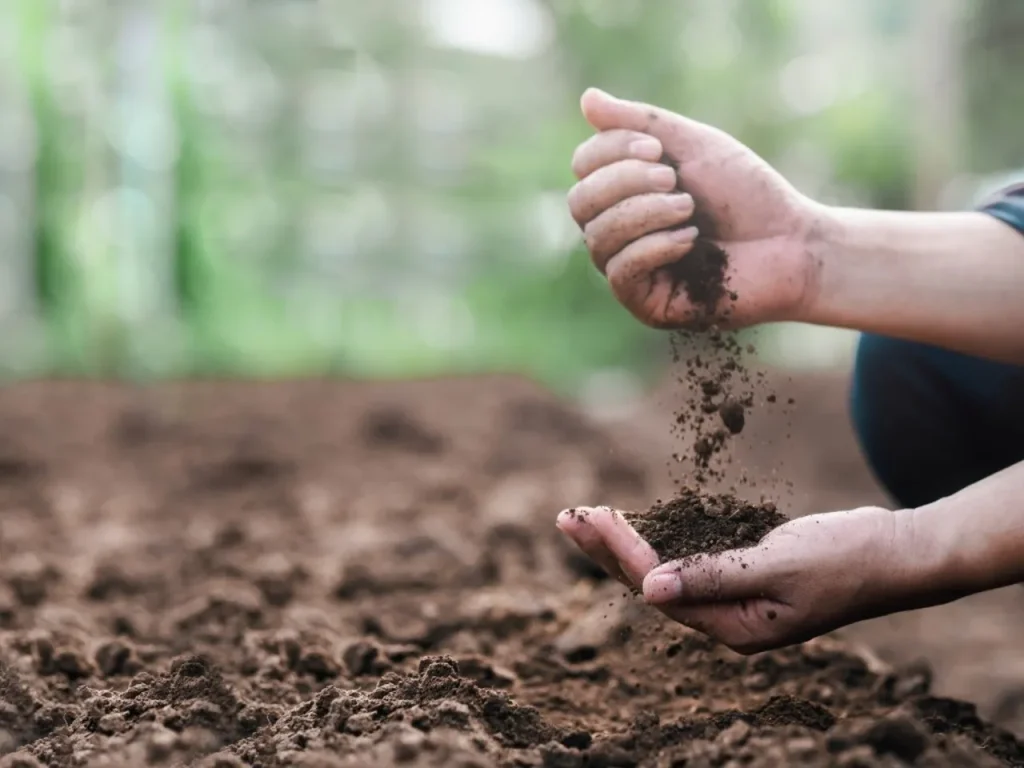
Soil texture affects how deep you should plant.
Sandy Soil
- Drains quickly
- Plant slightly deeper to retain moisture
Clay Soil
- Poor drainage
- Plant slightly shallower to prevent root rot
Loamy Soil
- Ideal balance
- Follow standard planting depth guidelines
Always loosen soil below the planting hole to allow root expansion.
Climate and Seasonal Considerations
Hot Climates
- Slightly deeper planting helps protect roots from heat
- Mulch helps maintain soil moisture
Cold Climates
- Avoid deep planting in early spring
- Shallow planting allows soil to warm faster
Windy Areas
- Use stakes for young transplants
- Deeper planting improves plant stability
Common Planting Depth Mistakes
Many gardeners unknowingly harm plants through simple depth errors.
Common mistakes include:
- Planting seeds too deep
- Burying plant crowns
- Covering tree trunks with soil
- Ignoring seed packet instructions
- Compacting soil too firmly
Correcting these mistakes early can dramatically improve plant survival.
Troubleshooting Planting Depth Problems
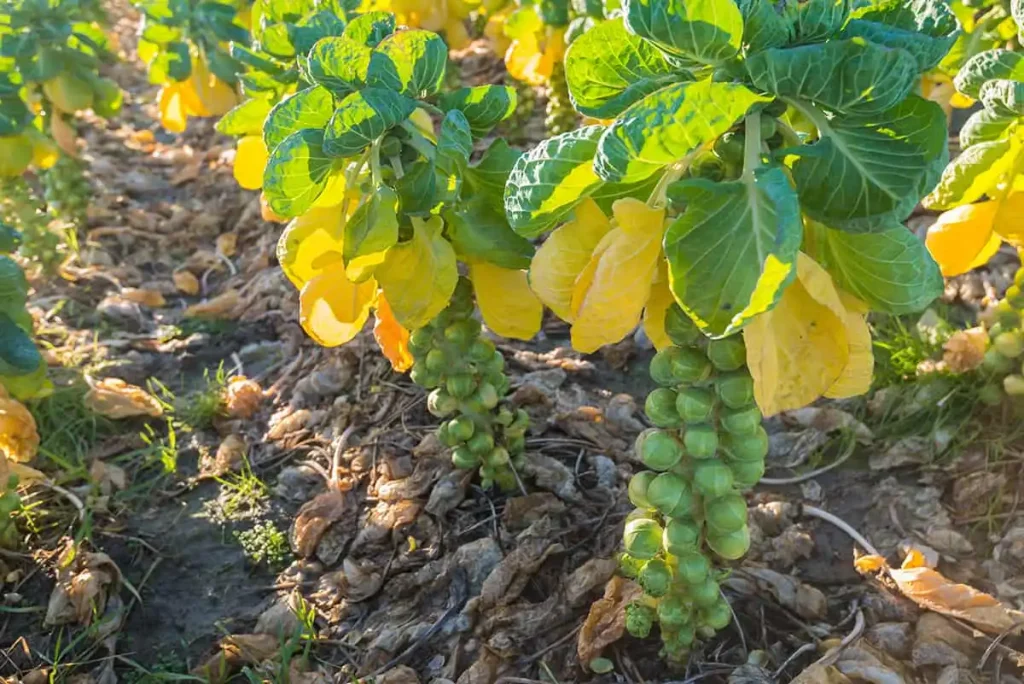
Below is a quick troubleshooting table to help diagnose and fix common planting depth issues:
| Problem | Likely Cause | Solution |
|---|---|---|
| Seeds not germinating | Seeds planted too deep | Replant at correct shallow depth |
| Seedlings weak or leggy | Seeds planted too shallow | Add light soil cover |
| Yellow leaves | Roots suffocating | Replant shallower |
| Wilting plants | Shallow roots drying out | Replant slightly deeper |
| Rotting stems | Crown buried | Raise plant above soil line |
| Trees not thriving | Trunk planted too deep | Replant with root flare exposed |
| Uneven sprouting | Inconsistent depth | Level soil and replant evenly |
| Poor flowering | Stress from depth errors | Correct depth and fertilize lightly |
Final Thoughts
Mastering planting depth tips for healthy plants can transform your gardening results. Proper depth ensures strong roots, balanced growth, and resistance to stress. Whether you’re planting seeds, transplants, or trees, taking a few extra minutes to plant correctly makes a lasting difference.
Healthy plants always begin below the soil surface, get the depth right, and your garden will reward you season after season