Creating a garden that blooms year after year is a dream for many home gardeners. Instead of replanting every season, you can enjoy lasting color, structure, and fragrance simply by choosing the right perennials. These long-lived plants return each year with fresh growth, making them an excellent investment for anyone want planting perennials multi-year flowering gardens. Whether you’re a new gardener or experienced, understanding how to plant, care for, and design with perennials will transform your outdoor space into a thriving, ever-blooming paradise.
In this comprehensive guide, you’ll learn how to successfully plant perennials, common mistakes to avoid, and expert tips to ensure they thrive for years. Let’s dive into the secrets of lush, long-lasting perennial gardens.

How to Choose the Best Planting Perennials for Multi-Year Flowering Gardens
Before planting, selecting the right perennials ensures long-term success. Consider these factors:
1. Know Your Growing Zone
Understanding your USDA hardiness zone (or local climate zone) is crucial. Choose plants that can survive your winter temperatures. For example:
- Zones 3–5: Coneflowers, peonies, hostas
- Zones 6–8: Black-eyed Susan, salvia, lavender
- Zones 9–11: Gaillardia, lantana, coreopsis
2. Check Sunlight Requirements
Perennials vary widely:
- Full sun (6+ hours): Shasta daisy, phlox, sedum
- Partial shade: Astilbe, heuchera
- Full shade: Ferns, hostas
Planting according to sunlight ensures healthier growth and maximum flowering.
3. Choose Perennials With Long Blooming Seasons
To maintain color all year, add varieties that bloom at different times:

- Early bloomers: Spring bulbs, bleeding heart
- Mid-season: Daylilies, coneflowers, bee balm
- Late-season: Asters, Russian sage, sedum
This creates a layered, nonstop flowering effect.
4. Focus on Native Perennials
Native plants are easier to maintain, climate-adapted, and attract beneficial pollinators. They also resist pests better than exotic varieties.
Step-by-Step Guide: How to Plant Perennials for Multi-Year Blooms
Follow these steps for strong, healthy growth:
Step 1: Dig a Proper Planting Hole
Make a hole twice as wide as the root ball but no deeper. Perennials thrive when roots have room to spread horizontally.
Step 2: Feed the Soil Correctly
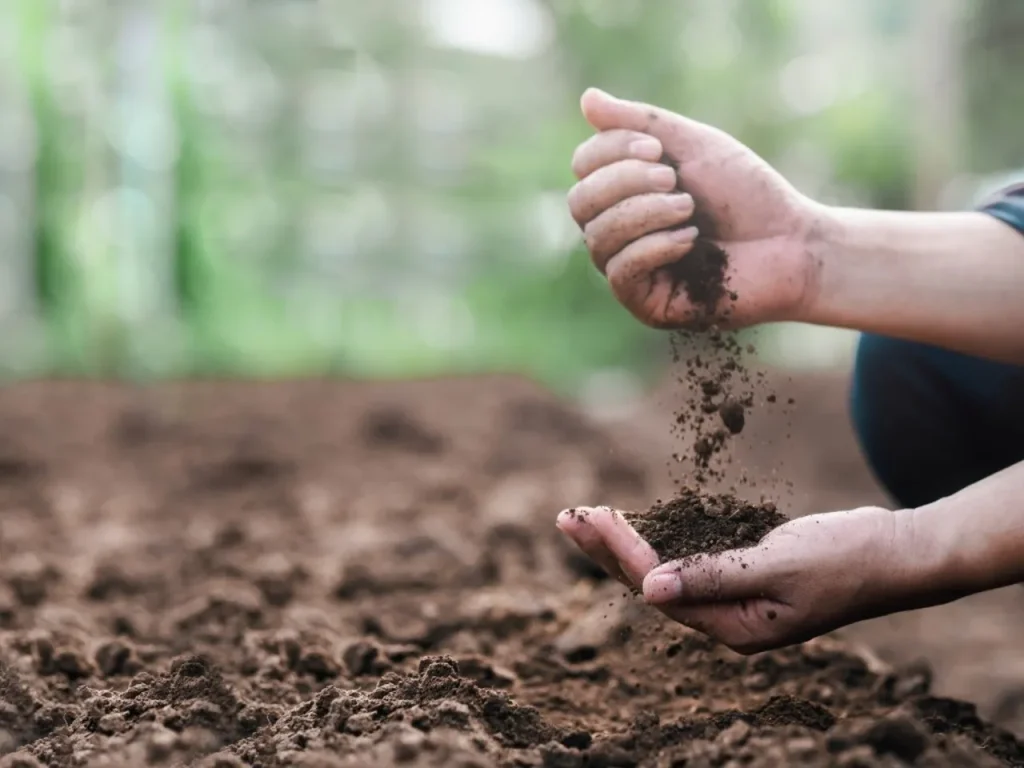
- Add a handful of compost or slow-release organic fertilizer.
- Avoid high-nitrogen fertilizers, they encourage leaf growth over flowers.
Step 3: Position the Plant at the Correct Depth
Place the perennial so the top of the root ball sits level with the soil surface. Planting too deep suffocates the roots.
Step 4: Backfill and Firm the Soil
Gently fill the hole and press the soil to remove air pockets.
Step 5: Water Deeply
Perennials require consistent moisture during the first six weeks to establish strong roots.
Top Perennials for Multi-Year Flowering Gardens
Here are high-performing, reliable choices for long-lasting gardens:
1. Coneflowers (Echinacea)
Heat-tolerant, low-maintenance, and blooms from mid-summer to fall.
2. Black-Eyed Susan

Iconic golden petals and extremely hardy.
3. Lavender
Fragrant, drought-resistant, and perfect for borders.
4. Hostas
Ideal for shade gardens with lush leaves and summer blooms.
5. Salvia
Attracts bees, butterflies, and hummingbirds.
6. Peonies
Large, luxurious blooms that return for decades.
7. Sedum (Stonecrop)
Easy to grow and excellent for late-season color.
8. Daylilies

Known as the “perfect perennial” for all gardens.
Essential Care Tips for Long-Lasting Perennial Gardens
Once established, perennials need less attention, but proper care keeps them blooming year after year.
1. Watering
Deep watering encourages deep root systems.
Use the soak method: water slowly and thoroughly.
2. Mulching
A 2–3 inch layer of mulch:

- Retains soil moisture
- Prevents weeds
- Protects roots during freezing temperatures
Use natural mulches like shredded bark, straw, or pine needles.
3. Fertilizing
Apply an organic fertilizer once in early spring. Too much fertilizer leads to leggy, non-flowering plants.
4. Deadheading
Removing spent blooms:
- Encourages more flowering
- Prevents plants from going to seed
- Keeps gardens looking fresh
5. Dividing Overgrown Perennials
Every 2–4 years, divide larger clumps to:
- Create new plants for free
- Rejuvenate plant health
- Prevent overcrowding

Final Thoughts: Create a Garden That Lasts for Years
Planting perennials is one of the most rewarding ways to build a beautiful, long-lasting landscape. With the right selections, proper soil preparation, and ongoing care, your garden will bloom year after year, naturally improving in beauty as the plants mature. Whether you want a vibrant cottage garden, a fragrant butterfly haven, or low-maintenance borders, perennials give you endless possibilities.
By following the steps in this guide, you can create stunning multi-year flowering gardens that stay colorful, healthy, and thriving season after season