Planting is the most critical stage in a plant’s life. Even the healthiest seedlings can struggle or fail if they experience stress during their early growth phase. Understanding and following the right planting rules to avoid early plant stress helps plants establish strong roots, adapt to their environment, and grow vigorously.
Early plant stress often goes unnoticed until symptoms like wilting, yellow leaves, or stunted growth appear. By then, recovery can be slow. This guide will walk you through proven planting rules, common mistakes to avoid, and a troubleshooting table to help you quickly diagnose and fix problems.
Why Avoiding Early Plant Stress Is Important
Plants stressed early in life often:
- Develop weak root systems
- Become more susceptible to pests and diseases
- Show reduced flowering or fruiting
- Grow slowly or unevenly
Following correct planting rules helps plants:
- Establish roots faster
- Absorb nutrients efficiently
- Adapt to their environment
- Produce higher yields and better blooms
1. Choose the Right Plant for the Right Location

One of the most overlooked planting rules to avoid early plant stress is plant selection.
Key considerations:
- Sun-loving plants need full sunlight (6–8 hours daily)
- Shade plants can burn in direct sun
- Some plants prefer cooler climates, others thrive in heat
Planting a sun-loving plant in shade or vice versa leads to stress from day one.
Tip: Always read plant labels or seed packets before planting.
2. Prepare the Soil Properly Before Planting
Healthy soil is the foundation of stress-free plants.
Soil preparation rules:
- Loosen soil to improve aeration
- Remove rocks, weeds, and debris
- Add organic matter like compost
- Ensure good drainage

Poor soil restricts root growth and water movement, causing stress almost immediately.
Ideal soil: Loose, well-draining, and rich in organic nutrients.
3. Avoid Planting at the Wrong Depth
Incorrect planting depth is a major cause of early plant stress.
General rule:
- Plant at the same depth as the root ball
- The crown (where stem meets roots) should be level with soil
Problems caused:
- Too deep: root rot, oxygen deprivation
- Too shallow: exposed roots, dehydration
This simple planting rule makes a big difference in plant survival.
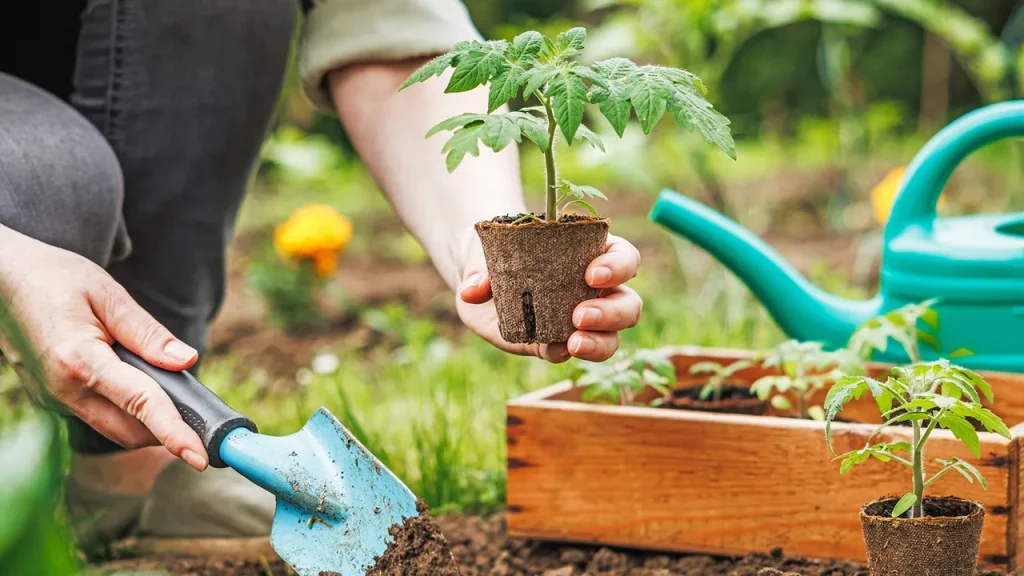
4. Handle Roots Gently During Transplanting
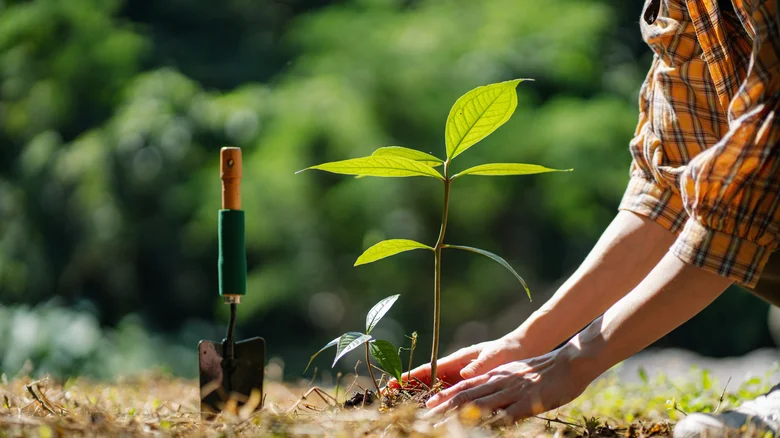
Rough handling damages roots and causes transplant shock.
Best practices:
- Water plants before transplanting
- Avoid pulling plants by the stem
- Loosen tangled roots gently
- Minimize root exposure to air
Healthy roots mean faster recovery and less stress.
5. Water Correctly After Planting
Watering mistakes are one of the top reasons plants fail early.
Correct watering rules:
- Water deeply immediately after planting
- Keep soil moist, not soggy
- Avoid shallow, frequent watering

Why it matters:
- Overwatering suffocates roots
- Underwatering causes wilting and shock
Tip: Check soil moisture with your finger before watering.
6. Avoid Fertilizing Too Early
Many gardeners think fertilizer helps new plants grow faster, but this can backfire.
Early fertilizing problems:
- Burns delicate roots
- Forces leaf growth before root establishment
Safe rule:
- Wait 2–3 weeks after planting before fertilizing
- Use mild, organic fertilizers
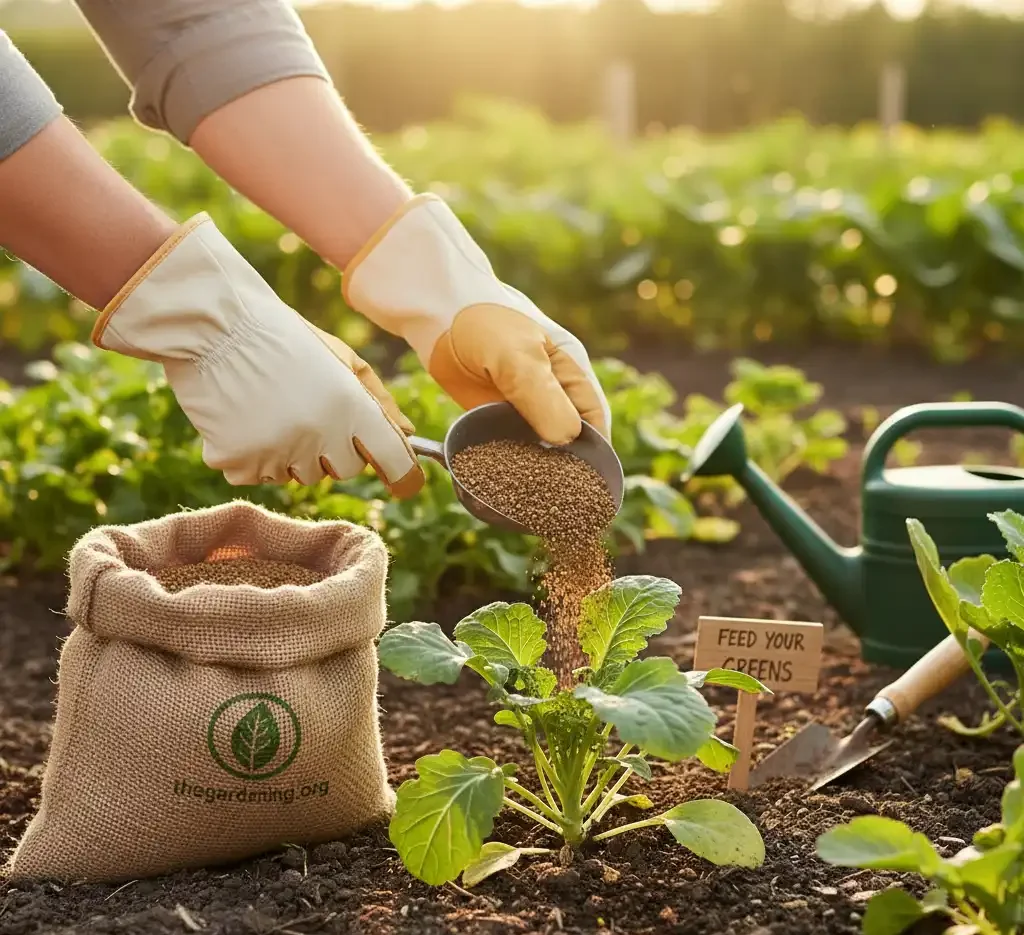
Let roots settle first before feeding the plant.
7. Protect Plants from Temperature Stress
Extreme temperatures cause instant stress to young plants.
Temperature protection rules:
- Avoid planting during heatwaves
- Protect from frost using covers
- Harden seedlings before transplanting outdoors
Hardening off: Gradually expose seedlings to outdoor conditions over 7–10 days.
8. Provide Proper Spacing
Crowded plants compete for nutrients, water, and sunlight.
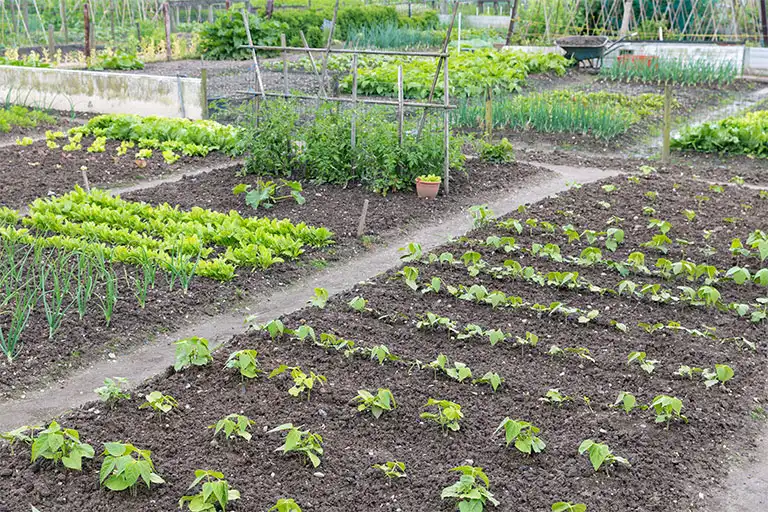
Spacing rules:
- Follow recommended spacing guidelines
- Allow air circulation
- Avoid planting too close to walls or fences
Proper spacing reduces stress and prevents disease.
9. Mulch to Maintain Soil Balance
Mulching is one of the best planting rules to avoid early plant stress.
Benefits of mulch:
- Retains moisture
- Regulates soil temperature
- Prevents weeds
- Improves soil health
Use organic mulch like straw, bark, or compost, keeping it a few inches away from the stem.

10. Avoid Disturbing Newly Planted Roots
After planting, roots need time to settle.
Avoid:
- Frequent replanting
- Digging around the base
- Heavy foot traffic near plants
Stable soil conditions reduce stress and encourage root growth.
Troubleshooting Table: Early Plant Stress Problems & Solutions
| Problem | Possible Cause | Symptoms | Solution |
|---|---|---|---|
| Wilting after planting | Transplant shock | Droopy leaves, weak stems | Water deeply, provide shade temporarily |
| Yellow leaves | Overwatering or poor drainage | Soft, pale leaves | Improve drainage, reduce watering |
| Brown leaf edges | Underwatering or heat stress | Dry, crispy edges | Increase watering, mulch soil |
| Stunted growth | Poor soil or root damage | Slow or no growth | Improve soil, avoid disturbing roots |
| Root rot | Planting too deep or excess water | Mushy roots, foul smell | Replant at correct depth, improve drainage |
| Leaf burn | Excess fertilizer | Brown spots on leaves | Flush soil with water, stop fertilizing |
| Weak stems | Low light or overcrowding | Thin, leggy growth | Improve light, space plants properly |

Final Thoughts
Following proper planting rules to avoid early plant stress is the key to successful gardening. Most plant failures occur not because of pests or diseases, but due to simple planting mistakes made in the first few days.
By choosing the right location, preparing soil carefully, watering correctly, and protecting young plants from stress factors, you give them the best possible start. Healthy beginnings lead to stronger plants, better yields, and a more rewarding gardening experience.
Whether you’re growing flowers, vegetables, or ornamental plants, remember: a stress-free start creates a thriving garden.