
Living in an apartment, small house, or urban area doesn’t mean you have to give up gardening. With the right approach, even the tiniest balcony, windowsill, or corner can turn into a lush green space. This guide explores small space planting strategies that work, helping you grow healthy plants, vegetables, and flowers without needing a large garden.
Whether you’re a beginner or an experienced plant lover, these proven techniques will help you maximize every inch of available space while keeping your garden productive and beautiful.

1. Understand Your Available Space
Before planting anything, analyze your space carefully. This step determines the success of your garden.
Key factors to consider:
- Sunlight: Observe how many hours of direct or indirect light your space receives.
- Wind exposure: Balconies and rooftops may need wind protection.
- Weight limits: Especially important for apartments and terraces.
- Accessibility: Make sure plants are easy to water and maintain.
Knowing your environment allows you to select the right plants and containers.
2. Choose the Right Containers
Container selection is one of the most effective small space planting strategies that work consistently.
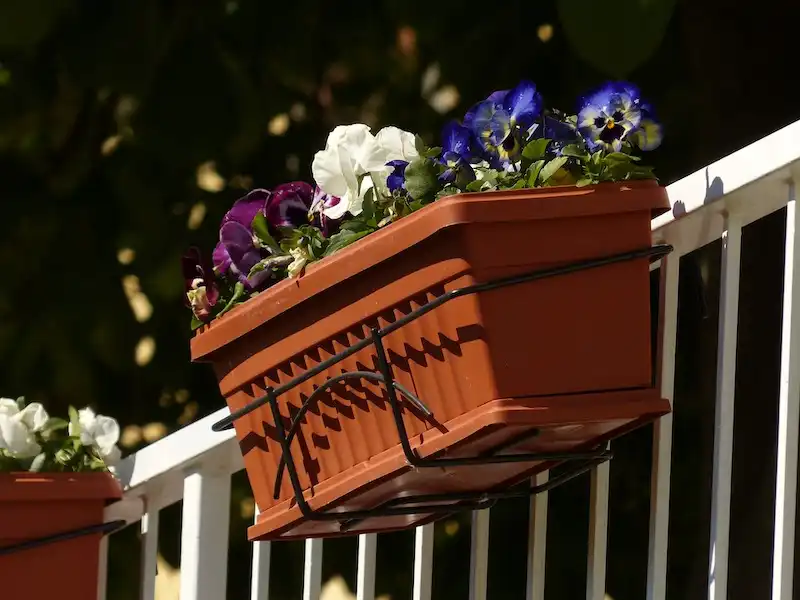
Best container options:
- Grow bags for vegetables
- Hanging baskets for herbs and flowers
- Window boxes for compact plants
- Vertical planters for walls
- Recycled containers (with drainage holes)
Pro tip: Always ensure proper drainage to prevent root rot.
3. Go Vertical to Multiply Space
Vertical gardening is a game-changer for small areas. Instead of expanding outward, grow upward.
Vertical planting ideas:
- Wall-mounted planters
- Trellises for climbers
- Ladder shelves
- Hanging pots
- Stackable planters
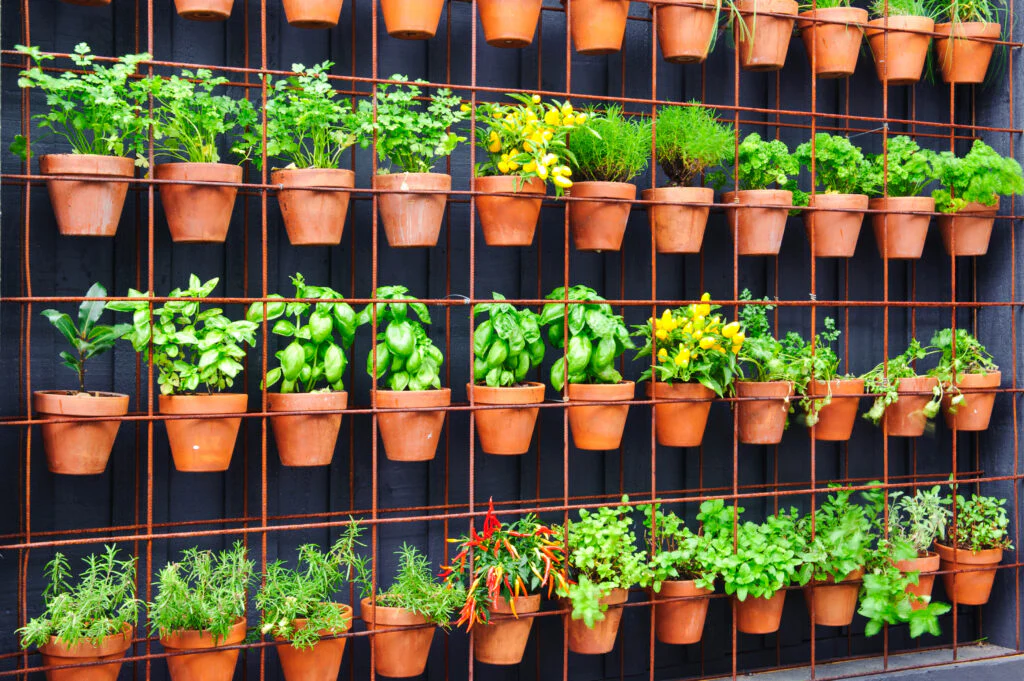
Plants like tomatoes, beans, peas, pothos, and money plants thrive vertically. This strategy not only saves space but also improves air circulation and aesthetics.
4. Select Plants That Thrive in Small Spaces
Not all plants are suitable for compact gardening. Choosing the right varieties is a crucial part of small space planting strategies that work.
Best plants for small spaces:
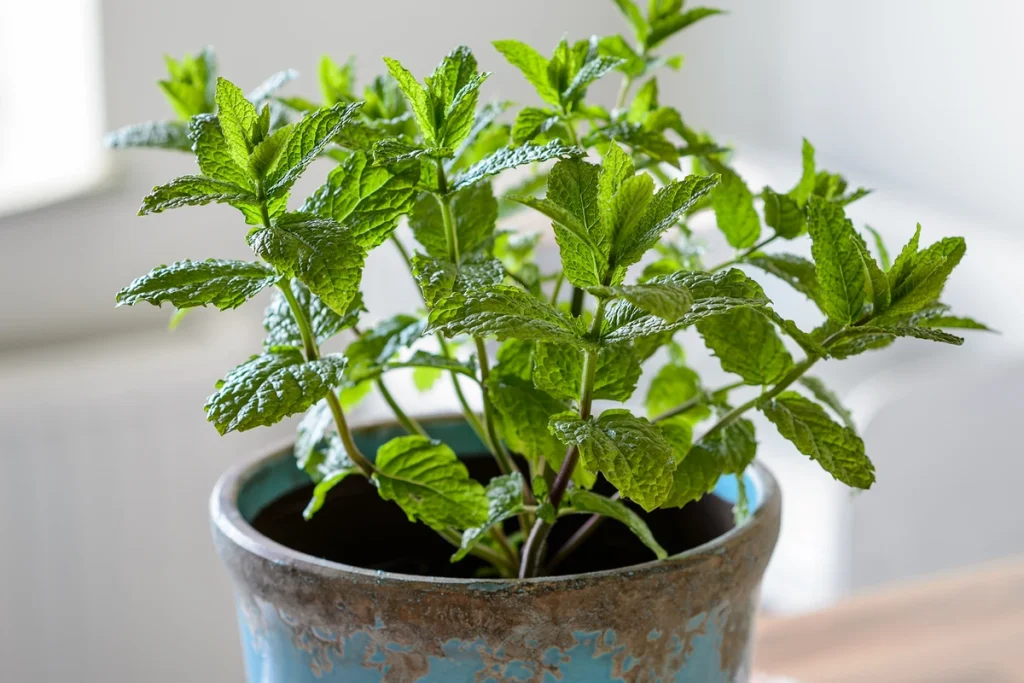
- Herbs: basil, mint, coriander, thyme
- Leafy greens: spinach, lettuce, fenugreek
- Vegetables: cherry tomatoes, chilies, radishes
- Flowers: petunias, marigolds, pansies
- Indoor plants: snake plant, spider plant, peace lily
Opt for dwarf or compact varieties whenever possible.
5. Use Smart Soil and Fertilization Techniques
Healthy soil leads to healthy plants, especially in containers where nutrients deplete quickly.
Ideal soil mix:
- Garden soil or coco peat
- Compost or vermicompost
- Sand or perlite for drainage
Fertilization tips:
- Use organic compost every 2–3 weeks
- Liquid fertilizers for faster absorption
- Avoid over-fertilizing—it harms roots
Balanced nutrition ensures consistent growth in limited soil volume.

6. Practice Companion Planting
Companion planting means growing plants that benefit each other. This is one of the smartest small space planting strategies that work naturally.
Benefits of companion planting:
- Maximizes space
- Improves soil health
- Reduces pests
- Enhances growth
Examples:
- Basil with tomatoes
- Mint with cabbage
- Marigolds with vegetables
Avoid planting incompatible species together to prevent competition.

7. Water Wisely and Efficiently
Overwatering is a common mistake in small space gardening. Containers dry out faster but also retain excess water if drainage is poor.
Smart watering tips:
- Water early morning or evening
- Use self-watering pots
- Check soil moisture before watering
- Mulch to retain moisture
Drip irrigation or bottle watering systems work well for balconies and terraces.
8. Use Multi-Purpose Gardening Furniture
Functional furniture can double your planting area.
Space-saving ideas:

- Bench planters
- Tabletop herb gardens
- Rail-mounted pots
- Storage units with planters on top
These solutions blend gardening with daily living without cluttering your space.
9. Rotate Crops and Replant Smartly
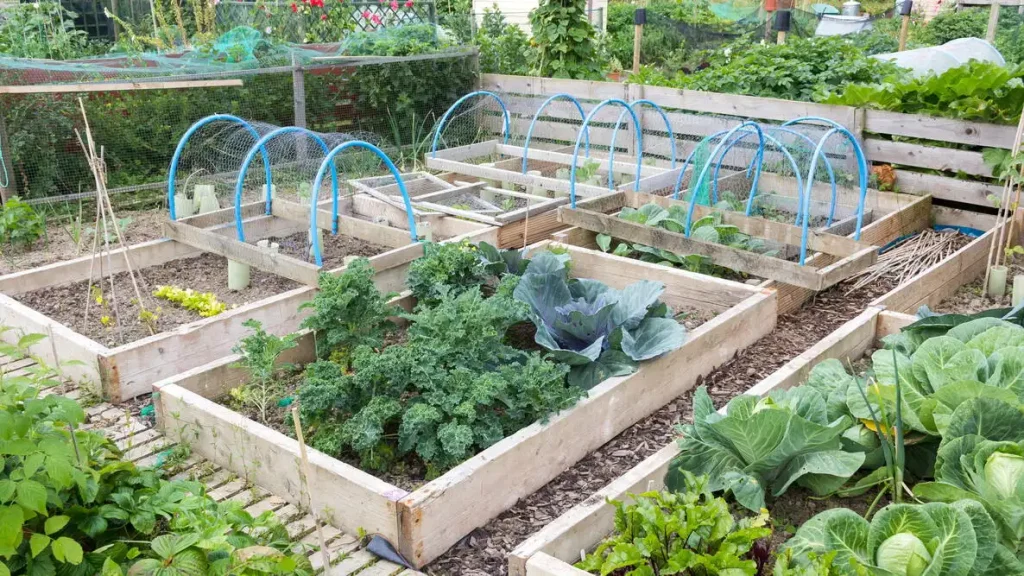
Crop rotation isn’t just for large farms. It’s a powerful method in small gardens too.
Why rotation matters:
- Prevents soil nutrient depletion
- Reduces disease buildup
- Improves yield
After harvesting leafy greens, replant legumes or herbs to maintain soil balance.
10. Maximize Sunlight with Strategic Placement
Sunlight is limited in small spaces, so placement is key.
Tips to optimize light:
- Place taller plants behind shorter ones
- Rotate pots weekly
- Use reflective surfaces like white walls
- Choose shade-tolerant plants if sunlight is low
Even indirect light can support many herbs and indoor plants.
Common Mistakes to Avoid in Small Space Gardening
Avoiding mistakes is just as important as following strategies.

Common errors:
- Overcrowding plants
- Ignoring drainage
- Using poor-quality soil
- Overwatering
- Choosing large plant varieties
Correcting these mistakes can instantly improve your results.
Final Thoughts: Small Space, Big Possibilities
You don’t need a backyard to enjoy gardening. With thoughtful planning and small space planting strategies that work, you can transform balconies, rooftops, windowsills, and indoor corners into thriving green zones.
Start small, experiment with plants, and adapt techniques based on your space. Gardening in small spaces isn’t about limitations, it’s about creativity, efficiency, and smart choices.
With the right approach, even the smallest space can grow something beautiful


