Winter can be harsh on gardens, especially when frost and snow arrive unexpectedly. While flowers bring color and life to your outdoor space, they can quickly suffer from freezing temperatures, icy winds, and heavy snow. The good news? With the right techniques, you can protect flowers from frost and snow and keep your garden thriving even through the coldest months.
This beginner-friendly guide will show you how to shield your flowers, prevent winter damage, and help your plants stay healthy until spring returns.

Why Frost and Snow Harm Flowers
Before learning how to protect your flowers, it helps to understand why frost and snow cause damage.
1. Water Freezes Inside Plant Cells
When temperatures drop below zero, water inside plant tissues freezes, expands, and causes cell damage. This leads to:
- Blackened leaves
- Wilted stems
- Dead flower buds
2. Sudden Temperature Changes Stress Plants
Warm days followed by freezing nights confuse the plant’s growth cycle, making blooms more vulnerable.
3. Heavy Snow Breaks Stems and Branches

Snow buildup weighs down delicate flowers and can snap stems easily.
4. Frost Dehydrates Plants
Cold, dry winds pull moisture from leaves and soil, leaving plants thirsty even when the ground is frozen.
Understanding these risks helps you take the right steps to protect your winter garden.
How to Protect Flowers From Frost and Snow
Below are simple, effective, and garden-tested techniques to keep your flowers safe all winter long.
1. Cover Your Flowers Before Frost Hits
One of the best ways to protect flowers from frost is by covering them.
Best Materials to Use:
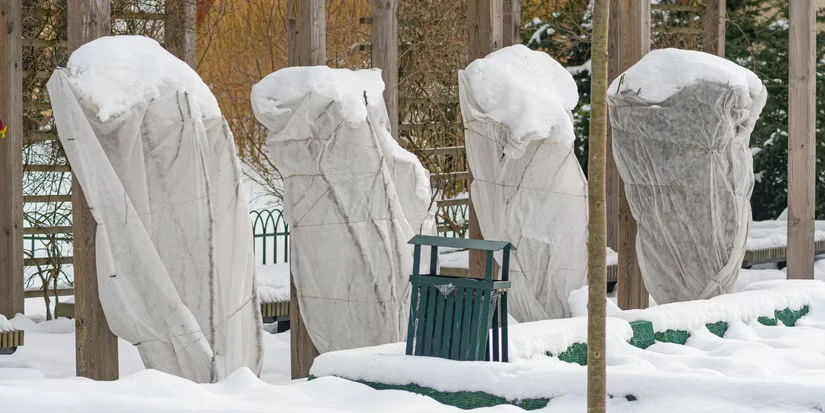
- Frost cloth
- Garden fleece
- Old bed sheets
- Burlap
- Light blankets
- Row covers
How to Cover Plants Properly:
- Cover plants before sunset when frost is expected.
- Drape the cloth loosely, don’t tie tightly.
- Allow contact with the ground to trap heat.
- Remove the cover in the morning when temperatures rise.
Avoid using plastic directly on leaves because it traps moisture and freezes to the plant.
2. Water Plants Before a Frost Event
It might sound strange, but watering your flowers before frost can help protect them.
Why It Works:
Moist soil retains heat better than dry soil.
This warmth radiates upward during the night, protecting roots and lower stems.

Tip:
Water early in the day so plants have time to absorb it before temperatures drop.
3. Add Mulch to Insulate the Soil
Mulch acts like a cozy blanket for your plants.
Best Mulch Materials:
- Shredded leaves
- Straw
- Wood chips
- Pine needles
- Compost
Benefits of Mulching:
- Protects roots from freezing
- Prevents soil temperature from dropping too quickly
- Helps retain moisture
- Reduces frost heaving
Add a 2–3 inch layer around the base of flowers but keep mulch away from the stem to avoid rot.

4. Move Potted Flowers Indoors or to Shelter
Potted plants are extremely vulnerable because their roots are exposed to air on all sides.
Where to Move Them:
- Indoors
- Garage
- Shed
- Greenhouse
- Covered porch
If the pot is too big to move:
- Wrap it with bubble wrap
- Cover the soil with mulch
- Raise the pot off frozen ground with bricks
These simple steps reduce frost damage significantly.

5. Shield Plants From Cold Winds
Cold wind is one of the biggest causes of winter plant stress.
How to Protect:
- Place windbreaks using burlap screens
- Plant near fences, walls, or hedges
- Create temporary barriers with cardboard or wooden boards
Even reducing wind exposure by half can save your flowers.
6. Use Heat Sources for Extra Protection
For extremely cold nights, you can use gentle heat sources.
Options:
- String lights (non-LED lights give off gentle heat)
- Hot water bottles under covers
- Thermal outdoor candles (used safely at a distance)
Always use caution to avoid fire risks.
Best Flowers to Grow for Winter Survival

If you want flowers that naturally resist frost and snow, consider planting:
- Hellebores
- Winter Jasmine
- Cyclamen
- Pansies
- Snowdrops
- Witch Hazel
- Winter Aconite
- Heather
These varieties bloom even when temperatures drop.
Final Thoughts

Winter doesn’t have to mean a dead or colorless garden. With the right steps, you can easily protect flowers from frost and snow and enjoy healthy plants all year long. Whether you use covers, mulch, watering techniques, or wind protection, each action helps your garden survive harsh weather.
A little preparation goes a long way, and your flowers will reward you with vibrant blooms once spring arrives.