When winter arrives, frosty mornings can spell trouble for your vegetable garden. Many gardeners assume winter crops can withstand anything the season throws at them but even hardy greens have their limits. A sudden frost can damage leaves, stunt growth, or kill your plants overnight.
Luckily, with a few smart techniques, you can protect winter vegetables from frost and enjoy fresh produce all season long.

Understanding Frost and Its Impact on Vegetables
Before you protect your crops, it’s important to understand what frost does.
Frost forms when temperatures drop below 0°C (32°F), causing water in the air to freeze on plant surfaces. This ice draws moisture from plant cells, damaging tissues and making them wilt or turn black.
Types of Frost:
- Hard Frost (Below -5°C):
Harms even cold-hardy vegetables like cabbage or kale. - Light Frost (0°C to -2°C):
Affects tender plants like lettuce and spinach. - Moderate Frost (-2°C to -5°C):
Can damage root crops and young leaves.

Vegetables Most at Risk from Frost
Not all vegetables react the same way to cold. Here’s a quick breakdown:
| Tender Vegetables | Moderately Hardy | Hardy Vegetables |
|---|---|---|
| Lettuce, Beans, Peas | Broccoli, Carrots, Beets | Kale, Cabbage, Spinach |
| Tomatoes, Cucumbers | Cauliflower, Celery | Leeks, Brussels Sprouts |
Even hardy vegetables benefit from some protection during extreme frost spells.
Signs Your Vegetables Are Frost-Damaged
Watch for these early warning signs:
- Leaves turning dark green or black overnight
- Soft, mushy stems or leaves after thawing
- Wilting during the day, even when soil is moist
- Cracked root crops, such as carrots or beets
If you spot these symptoms early, quick care can help some plants recover.
Proven Ways to Protect Winter Vegetables from Frost
Now let’s explore practical, effective methods to shield your garden from frost damage.
1. Use Row Covers or Frost Cloths

A simple but powerful solution! Row covers trap warm air around plants, acting like a cozy blanket.
Choose breathable fabrics such as garden fleece, burlap, or lightweight cloth.
Anchor the edges with rocks or soil to prevent cold air from seeping in.
Remove covers during the day to allow sunlight and airflow.
Pro Tip: For extra insulation, use two layers of cloth on extremely cold nights.
2. Mulch Heavily Around Plants
Mulch acts as a natural insulator, keeping the soil warmer and preventing roots from freezing.
Best mulch materials for winter protection:
- Straw or hay
- Shredded leaves
- Pine needles
- Compost
Spread a 2–3 inch layer around your vegetables, but leave a small gap near the stems to avoid rot.

3. Water Before a Frost
Surprisingly, watering your garden before frost hits can help. Moist soil holds heat better than dry soil, keeping roots warm overnight.
Water early in the day so moisture soaks in before the temperature drops.
Avoid overwatering, as soggy soil can freeze and suffocate roots.
4. Use Cloche Covers for Individual Plants
A cloche is a mini greenhouse that traps heat and shields single plants from frost.

You can make one easily using:
- Plastic bottles (cut off the bottom)
- Glass jars
- Plastic domes or buckets
Place the cloche over the plant in the evening and remove it in the morning once the sun warms the air.
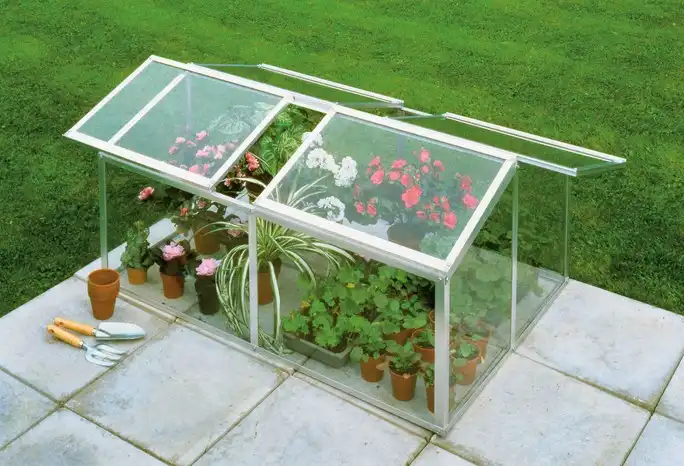
5. Build Cold Frames or Mini Greenhouses
Cold frames are one of the best ways to extend your growing season. They’re simple, efficient, and reusable every winter.
What you need:
- A wooden or metal frame
- A transparent lid (glass, polycarbonate, or clear plastic)
Cold frames trap heat from sunlight during the day and retain warmth at night. Perfect for leafy greens, herbs, and seedlings.
6. Raise Your Garden Beds
Raised beds warm up faster than ground soil and provide better drainage — both crucial for frost protection.
Line the bottom with compost or straw to help insulate the soil further.
Bonus Tip: Add black plastic or dark mulch on top to absorb more sunlight.
7. Add Windbreaks
Cold winds accelerate frost formation by drawing heat from plants and soil.
You can create natural windbreaks using:
- Fences
- Shrubs
- Straw bales
- Garden screens

Even a simple row of tall plants can block icy gusts and reduce frost exposure.
8. Harvest Smartly Before Frosts Hit
If a severe frost is forecast, it’s better to harvest tender crops early rather than risk losing them overnight.
Pick:
- Lettuce, herbs, and spinach
- Root vegetables (store in a cool, dark place)
- Remaining beans or peas
You can leave hardy crops like kale and Brussels sprouts in the ground with minimal protection.
Top Frost-Resistant Vegetables to Grow
If you want to build a winter-hardy garden, include these strong performers:
- Kale
- Spinach
- Carrots
- Beets
- Brussels sprouts
- Leeks
- Garlic
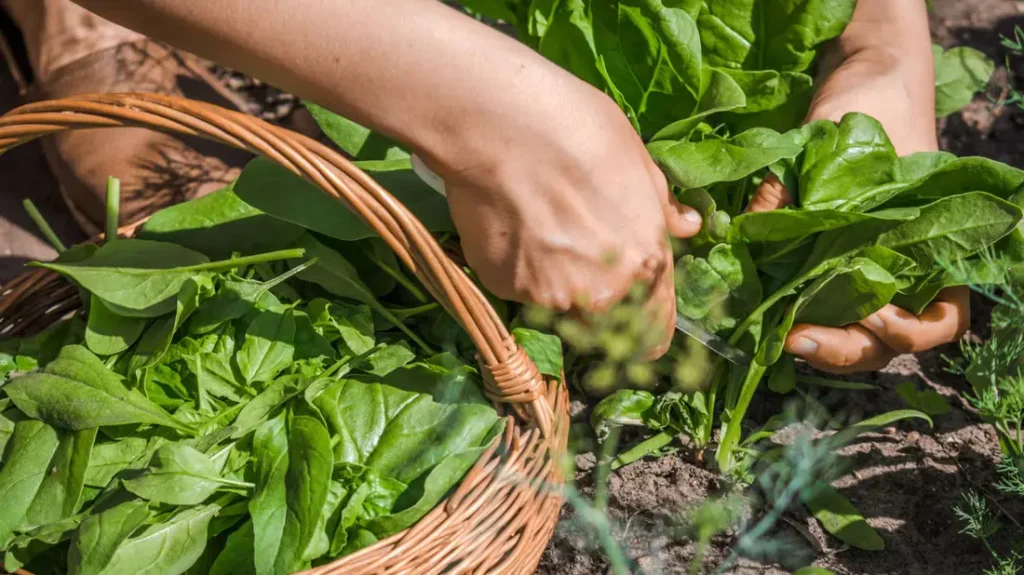
These crops thrive in cooler weather and can handle light frosts with minimal protection.
Final Thoughts
Frost doesn’t have to mean the end of your gardening season. With a bit of planning, you can protect winter vegetables from frost and enjoy fresh, nutritious produce all through the cold months.
By using mulch, row covers, cold frames, and smart watering, you’ll shield your crops from damage and keep your garden thriving — even when temperatures drop below freezing.
Remember, a little preparation before frost arrives can make the difference between a garden that fades away and one that flourishes through winter.