Introduction: Why Pruning Hydrangeas Matters for Healthy Blooms
Prune hydrangeas is essential to maintaining their health, shape, and vibrant blooms. When you prune correctly, you not only remove dead or damaged wood but also encourage new growth and more abundant flowering. Without proper pruning, hydrangeas can become overgrown, straggly, or produce fewer flowers over time. The timing and method of pruning vary depending on the type of hydrangea, making it crucial to understand your plant’s specific needs. Neglecting to prune can also lead to overcrowded stems, reducing airflow, which may increase the risk of diseases and pests. Pruning ensures your hydrangeas thrive year after year.

Understanding Different Types of Hydrangeas
To prune hydrangeas correctly, you must first identify the type of hydrangea in your garden. There are four main types:
- Bigleaf Hydrangeas (Hydrangea macrophylla): These bloom on old wood and include varieties like mophead and lacecap. Their buds form the previous summer, so avoid heavy pruning in spring.
- Panicle Hydrangeas (Hydrangea paniculata): These bloom on new wood, meaning their buds grow in the same season. Prune in late winter or early spring for best results.
- Smooth Hydrangeas (Hydrangea arborescens): Also blooming on new wood, they thrive with annual pruning in late winter. Their flowers are typically large and rounded.
- Oakleaf Hydrangeas (Hydrangea quercifolia): Similar to Bigleaf, these bloom on old wood. Prune lightly after they flower, focusing on dead or crowded branches.
Determine your hydrangea’s type to tailor your pruning approach correctly.
Identifying the Best Time to Prune Each Type of Hydrangea
Different types of hydrangeas require pruning at specific times to encourage healthy growth and blooms. Identify your hydrangea type first, then prune accordingly:

- Bigleaf Hydrangeas (Hydrangea macrophylla): Prune immediately after flowering, typically in late summer. These bloom on old wood, so cutting in spring removes potential flower buds.
- Panicle Hydrangeas (Hydrangea paniculata): Prune in late winter or early spring before new growth begins. These bloom on new wood, so trimming promotes vigorous flowering.
- Smooth Hydrangeas (Hydrangea arborescens): Prune in late winter or early spring for better results since they also bloom on new wood.
- Oakleaf Hydrangeas (Hydrangea quercifolia): Prune after blooming in late summer. Avoid cutting in spring to preserve flower buds.
Adjust pruning for your climate and hydrangea’s specific needs.
Tools You Need for Effective Hydrangea Pruning
To prune your hydrangeas successfully, you must have the right tools to ensure clean cuts and promote plant health. Here’s a list of essentials:
- Pruning Shears: Use sharp, high-quality shears for cutting smaller stems and deadheading blooms.
- Loppers: These are ideal for thicker branches that handheld shears can’t handle.
- Pruning Saw: Necessary for cutting through woody stems on older hydrangeas.
- Garden Gloves: Protect your hands from thorns, sap, or debris.
- Rubbing Alcohol or Disinfectant: To sterilize tools between cuts, preventing infections or disease spread.
- Bucket or Tarp: For collecting trimmed branches and keeping your workspace tidy.
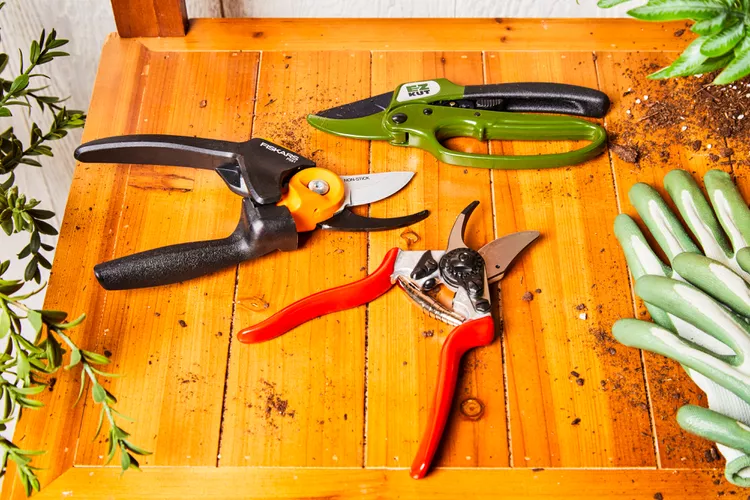
Keep your tools clean and sharp for efficient pruning.
Step-by-Step Guide: Preparing Your Hydrangea for Pruning
- Identify Your Hydrangea Type Determine if your hydrangea is a mophead, lacecap, panicle, oakleaf, or smooth variety. Each type has specific pruning needs, so correct identification is key.
- Examine the Growth Cycle Observe whether your hydrangea blooms on old wood (last year’s growth) or new wood (current year’s growth). This affects the timing and method of pruning.
- Gather Tools Prepare clean, sharp pruning shears, gloves, and safety glasses. Disinfect your tools with rubbing alcohol to prevent spreading disease.
- Inspect Plant Health Look for dead, damaged, or diseased branches. Identifying and removing these helps improve overall plant health before finer pruning.
- Choose the Right Time For hydrangeas that bloom on old wood, prune right after flowering. Those blooming on new wood should be pruned in late winter or early spring.
Pruning Techniques: How to Prune New Wood vs. Old Wood Hydrangeas
When pruning hydrangeas, understanding whether they bloom on new wood or old wood is critical. Hydrangeas that bloom on new wood, such as panicle or smooth hydrangeas, should be pruned in late winter or early spring before growth begins. Cut stems back to about a third of their height, encouraging fresh growth for the season.

For old wood blooms, like bigleaf or oakleaf hydrangeas, prune immediately after their flowering cycle ends. Focus on removing dead or damaged stems and thinning out older growth while preserving healthy buds for next year. Always use clean, sharp pruning tools to prevent plant damage.
Common Mistakes to Avoid While Pruning Hydrangeas
- Pruning at the Wrong Time: Avoid pruning certain hydrangea varieties, like mophead and lacecap, in late fall or early spring. Cutting too early or late can remove buds crucial for blooming.
- Using Improper Tools: Dull or dirty tools can damage stems and increase the risk of infection. Always ensure your pruners are sharp and sanitized before each use.
- Overpruning: Cutting back too aggressively can prevent flowers from developing. Stick to shaping the plant and removing dead or damaged wood only.
- Wrong Identification: Prune hydrangeas based on variety—some bloom on old wood, others on new. Misidentifying can lead to cutting off future blooms inadvertently.
- Ignoring Plant Health: Always check for signs of pests, disease, or other stress before pruning. Weak plants can suffer further damage from incorrect pruning practices.
Promoting Thriving Blooms with Proper Post-Pruning Care
Ensuring your hydrangeas flourish after pruning requires attentive post-pruning care. First, keep the soil consistently moist but not waterlogged. You should water deeply, especially during dry spells, to support root hydration. Mulch the base with organic material like bark or straw to retain moisture and regulate soil temperature.

Feed your hydrangeas with a balanced, slow-release fertilizer. Look for one suited for flowering shrubs, applying it in early spring or just after pruning. Protect your plant by checking for pests such as aphids and mites and treating them promptly with insecticidal soap if necessary.
Lastly, keep an eye on the plant’s sunlight exposure. Partial shade works best for most hydrangea types, ensuring they receive enough filtered light while avoiding harsh midday sun.
Tips for Enhancing Bloom Quality Through Strategic Pruning
- Know Your Hydrangea Type: Identify whether your hydrangea blooms on old wood, new wood, or both. This determines the best pruning time to avoid cutting off developing flower buds.
- Remove Dead or Damaged Wood: Begin by trimming away any dead, diseased, or broken branches. This directs the plant’s energy toward healthy growth and flowering.
- Use Sharp, Clean Tools: Ensure your pruning tools are sanitized and sharp to make clean cuts, which help prevent plant stress and infection.
- Thin Out Crowded Stems: Remove overgrown or inward-pointing stems to improve airflow and light penetration, reducing the risk of diseases.
- Prune After Blooming: For old wood hydrangeas, prune immediately after flowers fade to keep buds intact for next season.
- Control Size: If your hydrangea becomes unruly, cut back outer stems carefully, maintaining its natural shape without over-pruning.

Conclusion: Achieving Lush and Healthy Hydrangeas Through Expert Pruning
When you prune hydrangeas with care and knowledge, you foster their growth while promoting abundant and vibrant blooms. Identifying the type of hydrangea is crucial, as different varieties require tailored pruning methods. Utilizing sharp, clean tools ensures precise cuts and minimizes potential damage. Remove dead or weak stems to redirect energy to healthier branches, thereby enhancing the plant’s vitality. Pruning during the appropriate season prevents disruption to its blooming cycle. Regular maintenance, like deadheading and thinning, improves airflow and light penetration. By following these guidelines, you can transform your hydrangeas into the centerpiece of your garden.