
Healthy soil is the foundation of a resilient garden. No matter how advanced your fertilizers or how expensive your plants are, weak soil will always limit growth. Soil care routines that improve plant resilience focus on building strong roots, balanced nutrients, and a thriving soil ecosystem so plants can withstand stress such as heat, drought, pests, and disease. This guide explores practical, long-term soil care strategies and includes a troubleshooting table to help you fix common soil problems.
1. Build Organic Matter Consistently
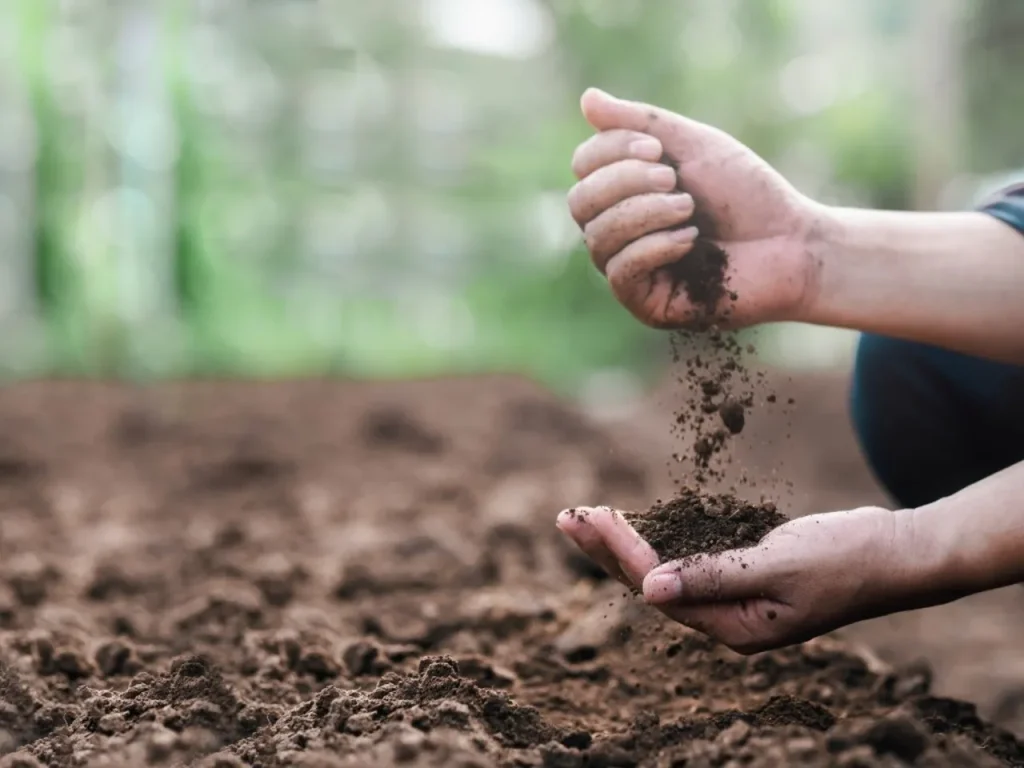
Organic matter is the backbone of resilient soil. It improves soil structure, enhances moisture retention, and feeds beneficial microbes.
Best Practices:
- Add compost at least twice a year
- Use leaf mold, well-rotted manure, or kitchen compost
- Avoid fresh organic waste directly on soil
Soils rich in organic matter develop better aggregation, allowing roots to penetrate deeply. Deep roots help plants access water during dry periods, increasing drought tolerance.
2. Maintain Balanced Soil Structure
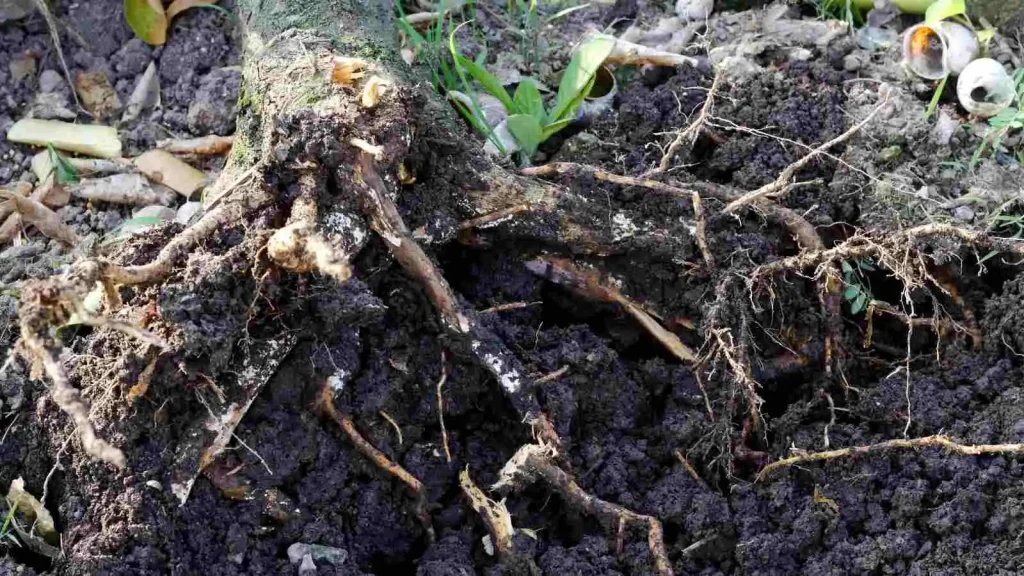
Compacted soil is one of the biggest enemies of plant resilience. It restricts root growth and reduces oxygen flow.
How to Improve Soil Structure:
- Avoid walking on garden beds
- Use broadforks instead of rototillers
- Incorporate organic matter rather than digging deeply
Loamy soil with good structure allows roots to spread easily and absorb nutrients efficiently, helping plants bounce back faster after stress.

3. Practice Smart Mulching Techniques
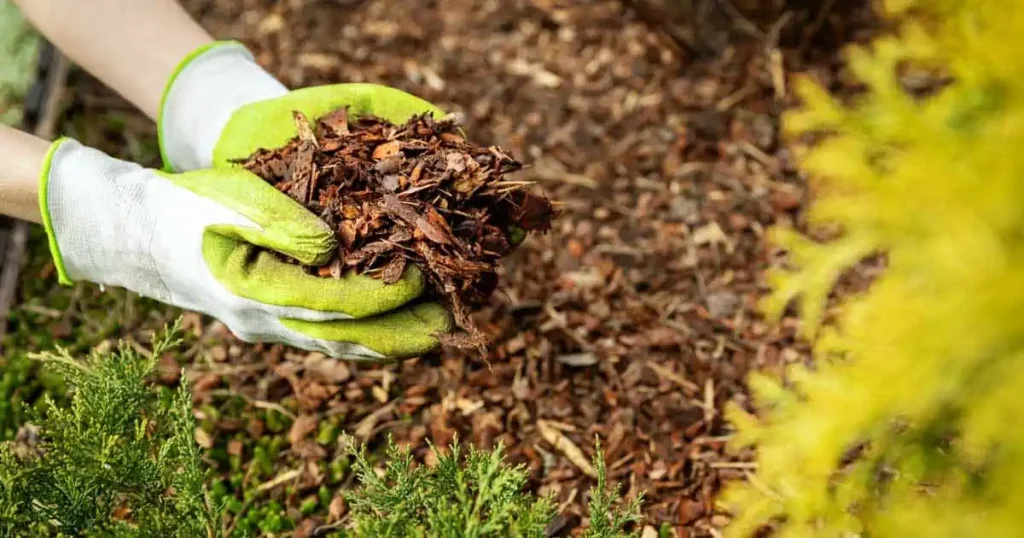
Mulching is a simple but powerful soil care routine that improves plant resilience.
Benefits of Mulching:
- Regulates soil temperature
- Reduces moisture loss
- Suppresses weeds
- Protects soil microbes
Mulch Options:
- Straw or dry leaves
- Bark chips
- Grass clippings (thin layers)
Apply mulch 2–3 inches thick, keeping it away from plant stems to prevent rot.
4. Improve Soil Microbial Life
Living soil contains bacteria, fungi, earthworms, and other organisms that support plant health. These microbes help convert nutrients into forms plants can absorb.
Ways to Encourage Microbes:
- Add compost tea
- Reduce chemical fertilizers
- Grow diverse plant species
Mycorrhizal fungi, in particular, form partnerships with roots and improve water and nutrient uptake, enhancing stress tolerance.
5. Manage Soil pH Regularly
Soil pH controls nutrient availability. Even nutrient-rich soil can fail plants if pH is incorrect.

Ideal pH Ranges:
- Vegetables: 6.0–7.0
- Flowers: 5.5–7.0
- Acid-loving plants: 4.5–5.5
Test soil annually and adjust using lime (to raise pH) or sulfur (to lower pH). Balanced pH ensures plants can absorb nutrients efficiently.
6. Rotate Crops and Plant Diversity
Monoculture planting depletes soil nutrients and increases disease risk. Crop rotation breaks pest cycles and balances nutrient demand.
Rotation Tips:
- Alternate heavy feeders with light feeders
- Rotate root, leaf, and fruit crops
- Include legumes to fix nitrogen

Diverse planting strengthens soil biology and reduces stress-related plant failure.
7. Water Soil, Not Just Plants
Resilient soil absorbs and stores water effectively. Overwatering damages soil structure and washes nutrients away.
Smart Watering Practices:
- Water deeply but less frequently
- Use drip irrigation
- Avoid watering compacted soil
Healthy soil acts like a sponge, supplying moisture gradually during dry spells.
8. Reduce Soil Disturbance
Frequent digging disrupts microbial networks and damages soil structure.
Low-Disturbance Methods:
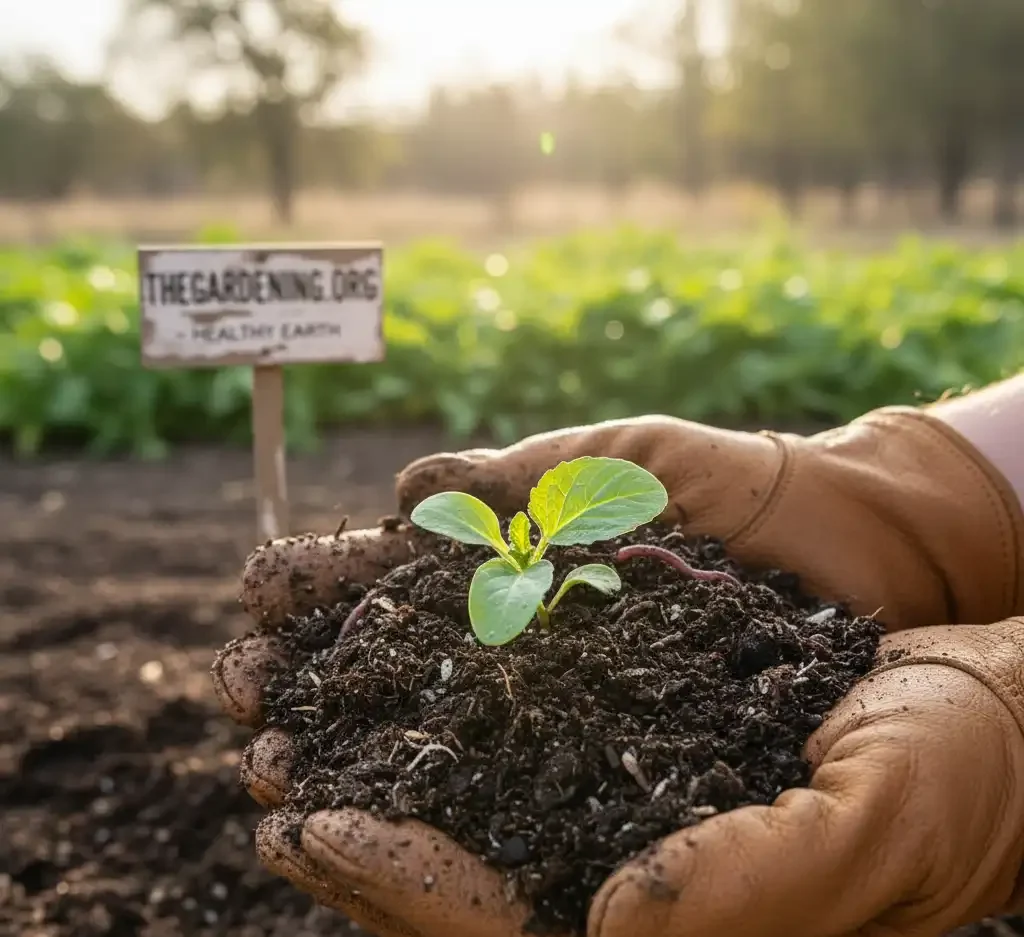
- No-dig gardening
- Top-dressing compost instead of mixing
- Minimal root disturbance during transplanting
Over time, reduced disturbance leads to stable soil ecosystems and stronger plants.
9. Feed Soil Before Feeding Plants
Instead of focusing solely on fertilizers, nourish the soil itself.
Soil-First Amendments:
- Compost
- Vermicompost
- Organic slow-release nutrients
This approach creates long-term fertility rather than short-lived growth spurts.
Troubleshooting Table: Common Soil Problems and Solutions
| Problem | Visible Symptoms | Likely Cause | Solution |
|---|---|---|---|
| Poor drainage | Wilting despite wet soil | Compaction or clay soil | Add compost, use raised beds |
| Yellow leaves | Weak growth, pale color | Nutrient imbalance | Test soil, add balanced amendments |
| Dry soil quickly | Frequent watering needed | Low organic matter | Mulch heavily, add compost |
| Root rot | Mushy roots, stunted plants | Overwatering | Improve drainage, reduce watering |
| Hard soil crust | Water runoff | Compaction | Mulch and avoid foot traffic |
| Pest outbreaks | Chewed leaves | Poor soil health | Improve biodiversity and microbes |
Long-Term Benefits of Soil Care Routines
When soil care routines that improve plant resilience are followed consistently, gardeners experience:
- Reduced plant loss
- Lower water usage
- Fewer pest and disease issues
- Stronger root systems
- Sustainable yields year after year

Healthy soil works silently beneath the surface, supporting plants even during unfavorable conditions.
Conclusion
Soil care routines that improve plant resilience are not quick fixes but long-term investments. By building organic matter, supporting soil life, managing structure, and reducing disturbance, you create an environment where plants thrive naturally. Strong soil produces strong plants, capable of resisting stress and recovering quickly. Focus on the soil, and resilience will follow.


