Vegetable gardeners usually find spring to be the most exciting season of all. However, it is also the most frequent time to make an expensive mistake. If you plant too early, then frosts will kill your seedlings; if you plant too late, you have poor harvest.
Therefore, to succeed as both a gardener and grower, it is essential that you follow the correct spring planting schedule for the crops you are trying to grow. Having an effective plan will provide clarity for all of your planting decisions and ultimately lead to having plants that are thriving and producing well.
Regardless of your previous experience, whether you are just beginning with a small vegetable garden in your yard or have many years of experience growing all types of vegetable crops in a large patch, this guide will assist you in understanding how to find the correct times to grow various types of vegetables along with how to avoid the potential pitfalls that can arise during the spring growing season.
Let us eliminate the “guess work” from growing smarter during the spring months!
Understanding Your Spring Growing Conditions
Being aware of the climate is the first step to successful spring planting. Regardless of when the theory begins, your area needs to be ready to be planted.
Factors That Affect Your Spring Planting
- Date of last frost – When does your area generally receive its last frost?
- Soil temperature: Many seeds simply will not germinate if the soil temperature is too cold.
- Length of day: Longer days will promote faster growth of plants.
- Precipitation patterns: Lots of rain will lead to seed decay.
Cool-season vegetables can withstand the effects of frost, but warm-season vegetables cannot.
Cool-Season Vegetables to Plant Early Spring
Cool-season vegetables thrive in mild temperatures and can handle light frost. These should be planted as soon as the soil can be worked.
Best Early Spring Vegetables
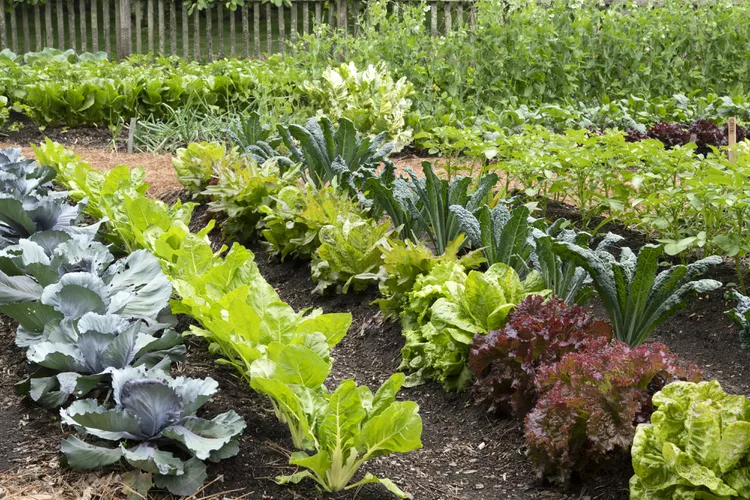
- Spinach
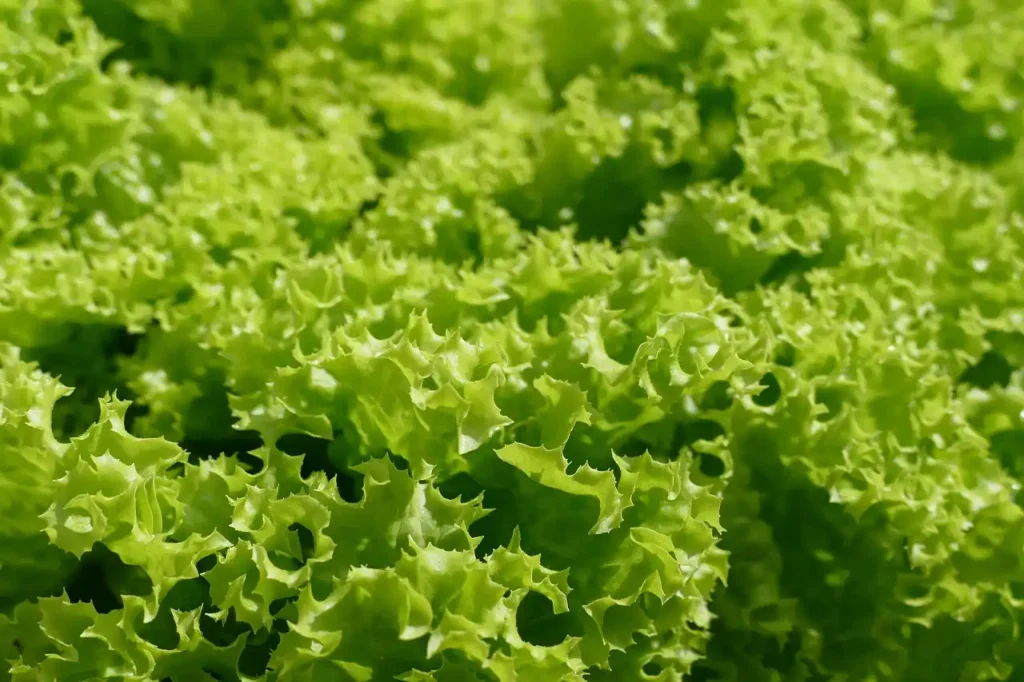
- Lettuce
- Peas
- Radishes
- Carrots
- Beets
- Broccoli
- Cabbage
- Kale
- Swiss chard
When to Plant
- 2–4 weeks before the last frost date
- Soil temperature: 40–50°F (4–10°C)
These vegetables grow best before spring heat arrives and often taste sweeter in cooler weather.
Mid-Spring Planting: Hardy and Semi-Hardy Vegetables
As temperatures stabilize, you can expand your planting list.
Vegetables to Plant in Mid-Spring

- Potatoes
- Onions
- Turnips
- Mustard greens
- Collard greens
- Cilantro
When to Plant
- Around the last frost date
- Soil temperature: 50–60°F (10–15°C)
This stage is perfect for succession planting, sowing small batches every 1–2 weeks to extend harvests.
Best Spring Planting Schedule for Vegetables
| Vegetable Type | Planting Time | Frost Tolerance |
|---|---|---|
| Leafy greens | Early spring | High |
| Root crops | Early to mid-spring | Moderate |
| Brassicas | Early spring | High |
| Legumes | Mid to late spring | Low |
| Fruit vegetables | Late spring | None |

Use this table as a simple reference when planning your garden.
Soil Preparation: The Secret to Spring Success
Even the best planting schedule fails with poor soil.
Spring Soil Prep Checklist
- Remove weeds and debris
- Add compost or aged manure
- Loosen soil to 8–12 inches
- Test soil pH (ideal: 6.0–7.0)
- Improve drainage if needed
Healthy soil warms faster, drains better, and produces stronger plants.
Watering Tips for Spring Vegetables
Spring soil often looks moist but can still be dry underneath.
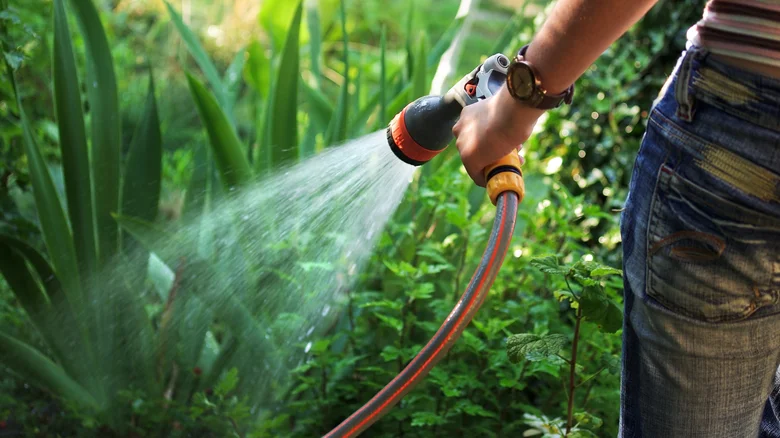
Smart Spring Watering
- Water deeply, not daily
- Avoid waterlogged soil
- Morning watering is best
- Use mulch to retain moisture
Overwatering in spring is a common mistake that leads to root rot and fungal diseases.
Mistakes That Gardeners Make in Spring
Even veteran gardeners commit these blunders.
- Plant too soon
- Don’t program soil temperature
- Don’t end up hardening seedlings
- Overpopulate your garden
- Forget to cover plants during cold snaps
Knowing these things will help you save time, money and annoyance over your gardening career.
Modify your Region’s Plant Scheduling
Different locations will have their own timeframes for when to plant in spring.
- Cold Climate – Start indoors much longer before an out door planting than what someone in a warmer climate would.
- Mild Climate – Extend your cool season crops out into the subsequent season.
- Warm Climate – Plant warm season crops earlier and monitor them carefully for heat stress.
You must always modify your planting based on your local frost free dates and your local weather history rather than generic date ranges.
Spring Planting Troubleshooting Table
Here’s a quick problem–solution table to help you fix common spring planting issues fast:
| Problem | Likely Cause | Solution |
|---|---|---|
| Seeds not germinating | Soil too cold | Wait for proper soil temperature |
| Seedlings dying | Late frost | Use row covers or delay planting |
| Yellow leaves | Overwatering | Improve drainage, water less |
| Stunted growth | Poor soil nutrients | Add compost or balanced fertilizer |
| Plants wilting | Shallow watering | Water deeply and less frequently |
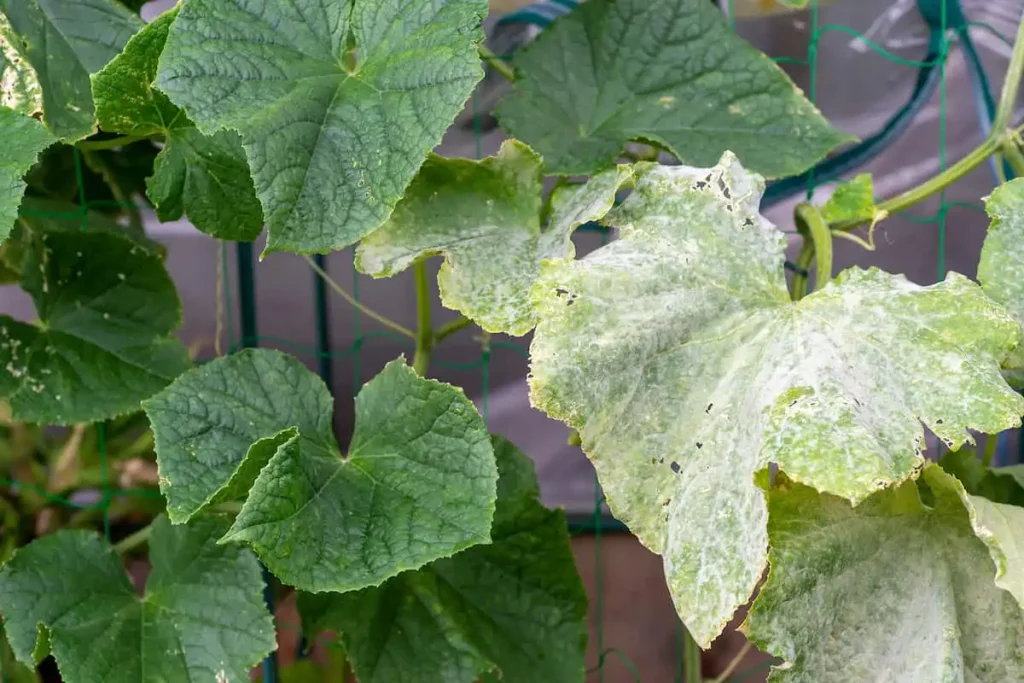
| Fungal disease | Wet leaves & cold soil | Water at soil level, increase airflow |
Bookmark this table, it’ll save your garden more than once.
Conclusions: Increase Your Yield With Confidence This Spring
Knowing when to plant your vegetables based on a good spring planting timeline will help you plant confidently, as well as help your veggies grow quickly, resist bugs and, ultimately, yield larger amounts of produce.
Spring gardening can be simple. Plant your seed(s) at the right time.
- Be smart when you start
- Be purposeful in the planting process
- Get more from each harvest this year