Square foot gardening is a highly efficient method that maximizes yield while minimizing space, making it an ideal choice for urban gardeners and those with limited outdoor areas. By organizing plants into square foot sections, gardeners can optimize their growing conditions and simplify maintenance tasks. This article delves into the principles and techniques of square foot gardening layout, offering insights on layout designs, plant selection, and best practices to achieve a bountiful harvest. Whether you are a novice or an experienced gardener, these strategies will help you cultivate a productive and vibrant garden that thrives throughout the seasons.
Understanding Square Foot Gardening Layout
History and Origins of Square Foot Gardening
Square foot gardening (SFG) emerged in the 1980s, thanks to the gardening guru Mel Bartholomew, who was tired of wasting space and time with traditional row gardening. He thought, “Why not divide the garden into manageable square sections instead of long rows?” And thus, square foot gardening was born! This innovative method focuses on maximizing yield in compact spaces, allowing gardeners novice and expert alike to cultivate an array of veggies and flowers without needing a tractor or a PhD in horticulture.
Benefits of the Square Foot Method
The square foot method is a game changer for those who want to flex their gardening muscles without needing an Olympic-sized field. First off, it saves space perfect for urban gardeners or those with limited yardage. It also promotes healthy soil and plants by emphasizing proper spacing, reducing weeds, and encouraging companion planting. Plus, let’s face it, who doesn’t like the satisfaction of growing a vibrant vegetable patch that’s as organized as a well-sorted sock drawer? Not to mention it can give you more fresh produce with less effort, making it a win-win for your taste buds and your back!
Key Principles of Maximum Yield
Space Optimization Techniques

When it comes to maximizing yield, space optimization is your best friend. Utilizing square foot grids allows you to plant intensively, arranging crops in a way that each plant gets just the right amount of elbow room. Think about incorporating vertical gardening techniques, like trellises for climbing vegetables suddenly your garden is like a high-rise apartment for plants! Also, intercropping can work wonders; pairing quick-growing plants with slower-growing varieties lets you reap rewards from every inch of soil.
Understanding Plant Growth Habits
Understanding how different plants grow can be the secret sauce to creating a gardening masterpiece. Some plants take their sweet time to mature (hello, carrots), while others are sprightly little fellows that demand to be harvested quickly (looking at you, radishes). It’s crucial to consider height, spread, and growth rates when planning your layout. Plant taller crops on the north side of your garden to avoid casting shade on their shorter neighbors think of it as urban zoning laws for your plants!
Optimal Plant Selection for Diverse Crops
Choosing High-Yield Vegetables
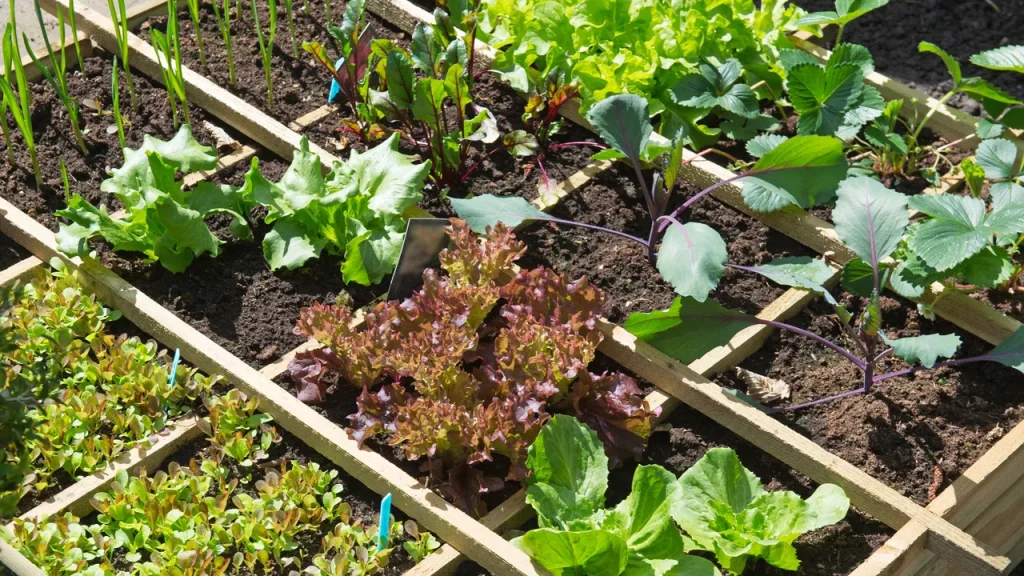
Choosing the right vegetables for your square foot garden can be akin to picking a dream team for the big game. Go for high-yield champions like tomatoes, peppers, and zucchini that can offer bountiful harvests in smaller plots. Incorporate leafy greens like spinach and lettuce for continuous harvests, and don’t forget to sprinkle in some herbs for flavor and flair! The combination of these characters will bring variety and deliciousness, ensuring your garden plot is the toast of the culinary town.
Factors to Consider for Plant Compatibility
Not all plants are meant to be besties; in fact, some can be downright toxic to each other (I’m looking at you, certain beans and onions!). Understanding companion planting principles can help you create a harmonious garden community. Consider plant size, growth stages, and nutrient needs when pairing crops. For instance, planting nitrogen-fixing legumes alongside heavy feeders like corn can provide a balanced ecosystem where everyone thrives. A little bit of thought goes a long way in ensuring your garden becomes the ultimate neighborhood block party!
Effective Soil Preparation Techniques
Creating the Ideal Soil Mix
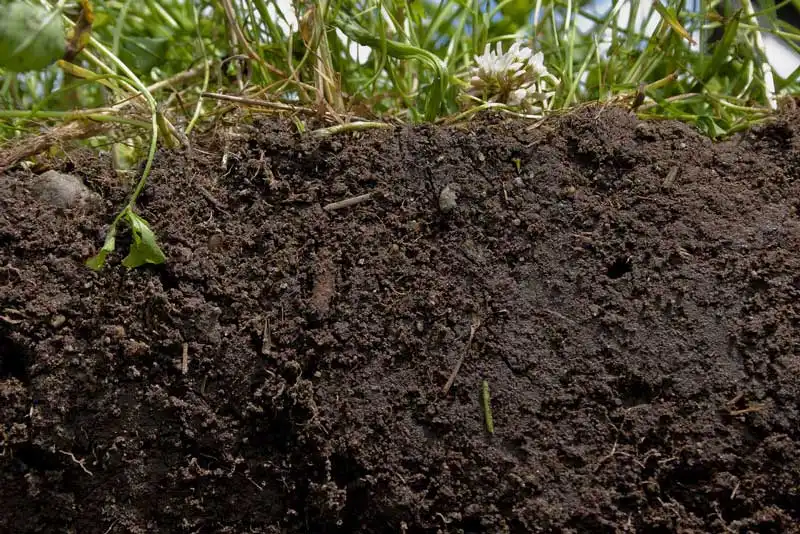
Soil is the unsung hero of gardening, so you’ll want to give it the VIP treatment! A mix of compost, peat moss, and vermiculite is the golden trifecta for square foot gardening. This blend ensures good drainage, moisture retention, and nutrient availability enough to make any plant swoon. Think of it as the gourmet meal for your plants that’s both healthy and delightful. Prepare to watch your greens thrive like they just stepped off a greenhouse runway!
Soil Testing and Amendments
Before you dive into planting, give your soil a personality test. Soil testing can reveal pH levels, nutrient deficiencies, and overall health. Armed with this knowledge, you can amend your soil like a master cocktail mixer, adding lime to raise acidity or sulfur to lower it. Incorporating organic matter will also improve soil structure and fertility. It’s like giving your garden a superhero upgrade now, your plants will not only grow; they’ll flourish!
Strategic Layout Designs for Space Efficiency
Grid Patterns and Their Advantages
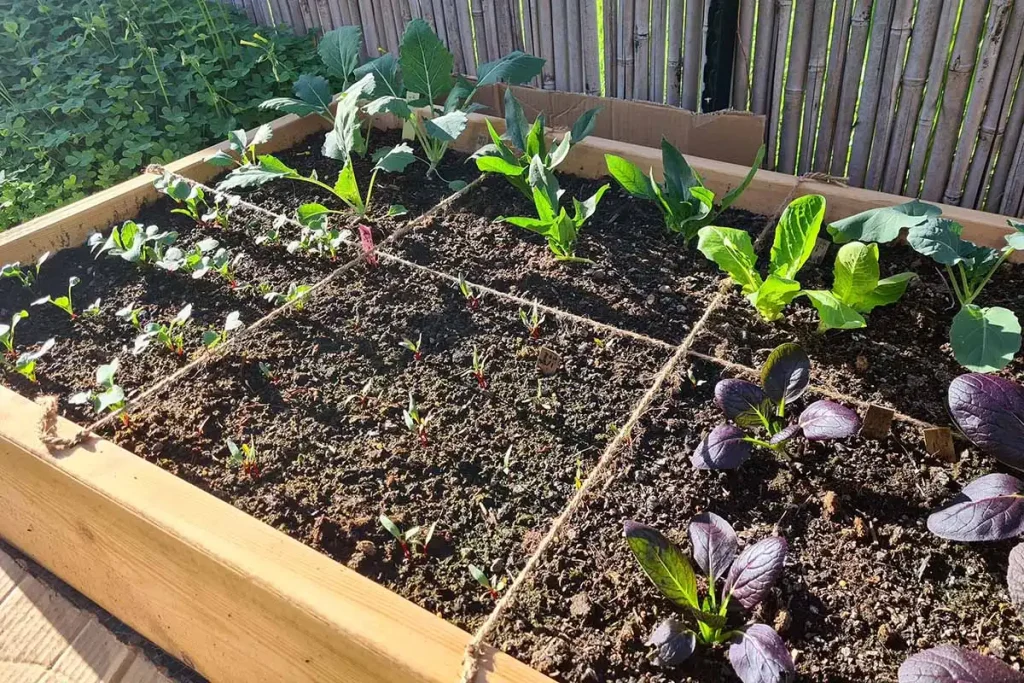
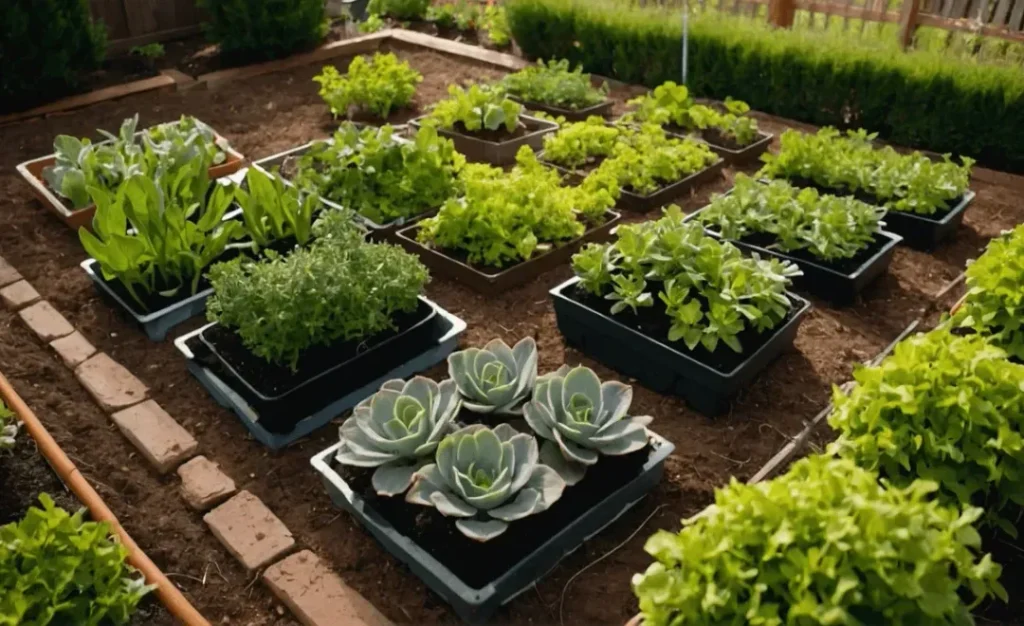
When it comes to maximizing your garden’s real estate, grid patterns are the unsung heroes of square foot gardening. By dividing your gardening space into manageable 1-foot squares, you can easily plan what to plant where. This system allows for optimal spacing and light exposure, while also making it a cinch to keep track of which plants are where (no more searching for that rogue zucchini!). Plus, it saves you from the overwhelming chaos of random planting, giving you a neat and organized garden that even your neighbors will envy.
Incorporating Vertical Gardening Solutions
Why expand horizontally when you can reach for the sky? Vertical gardening is the ultimate space-saving hack. By using trellises, cages, or even a few well-placed hooks, you can lift your plants off the ground literally! Climbing plants like peas, beans, and cucumbers thrive when they have the opportunity to grow upward, freeing up valuable ground space for other crops. Not only does this enhance your yield, but it can also add an artistic flair to your garden hello, green-tastic living wall!
Companion Planting for Enhanced Growth
Benefits of Companion Planting
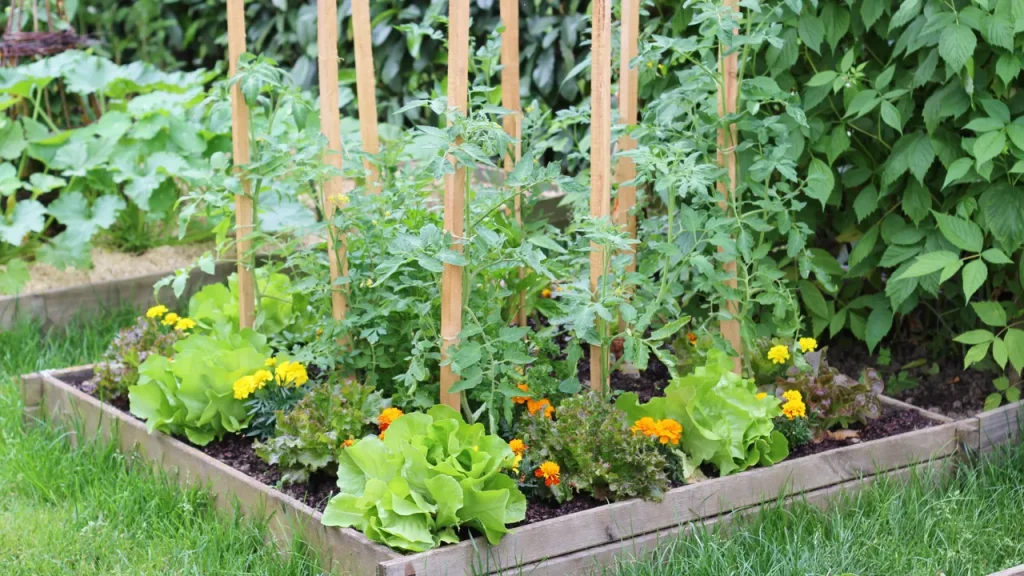
Companion planting is like attending a gardening potluck where everyone gets along fabulously. When you plant compatible species together, they can enhance each other’s growth, deter pests, and even improve soil health. Certain plants can provide shade, attract beneficial insects, or repel those pesky bugs that threaten to ruin your harvest, it’s a win-win for your little garden ecosystem! This natural teamwork can significantly boost your yield without needing to resort to chemical pesticides or fertilizers. Just think of it as a friendly neighborhood watch for your plants!
Examples of Successful Companion Planting Combinations
Let’s dive into some dynamic duos that are destined for gardening greatness! Classic companions include tomatoes and basil; not only does basil taste great on tomato sauce, but it can also repel hornworms (yikes!). Another power couple is carrots and onions—who knew they’d make such good friends? The onions repel carrot flies while the carrots help keep the soil aerated. And then there’s the legendary “Three Sisters” combo of corn, beans, and squash, where each plant supports the others like a well-coordinated dance. Get ready to unleash these botanical besties in your square foot garden!
Seasonal Planting Guides and Crop Rotation
Spring and Summer Planting Strategies
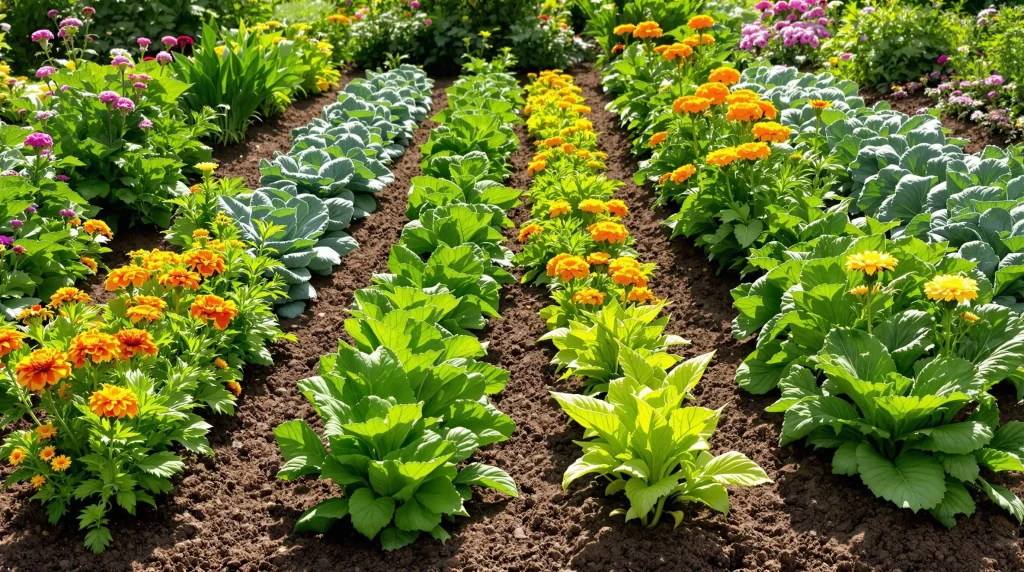
Spring is like the garden’s version of New Year’s Day, time to kick off a new season of growth! Start by planting cool-season crops like lettuce and peas, then transition to warm-season favorites as the days get longer. Think tomatoes, peppers, and squash for summer bounties. While you’re at it, don’t forget to utilize succession planting once your early crops are harvested, follow up by planting quick-growing varieties like radishes. This way, your garden remains productive and vibrant all season long. Embrace the hustle!
Fall and Winter Crop Considerations
As the temperatures drop, don’t just throw in the towel on gardening! Fall is a great time for planting hardy crops that can withstand cooler temperatures, like kale and broccoli. Consider using row covers to provide some extra protection and enjoy fresh produce long after summer has waved goodbye. For winter, look into cold frames or greenhouses if you’re feeling adventurous these nifty contraptions can extend your gardening season and keep those veggies cozy. It’s like giving your plants a warm winter sweater, while you sip hot cocoa and enjoy the view!
Maintenance Tips for Sustained Productivity
Irrigation Methods for Square Foot Gardens
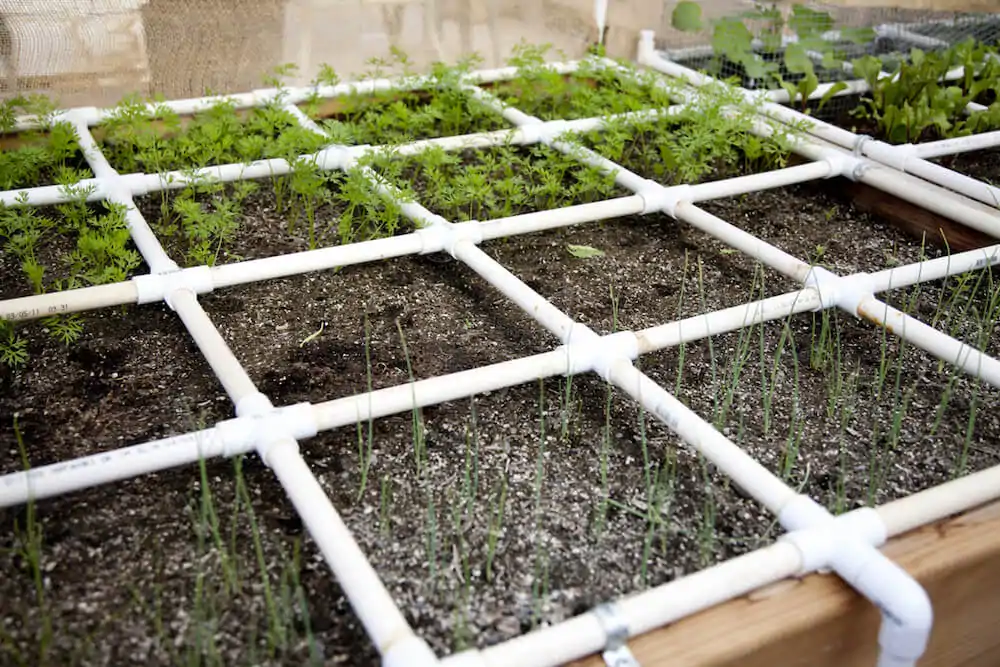
Watering can feel like a chore, but it doesn’t have to be a slog through the mud! With square foot gardening, a drip irrigation system can be your best friend, delivering moisture directly to the roots where it’s needed most. This method conserves water and minimizes evaporation. For those of us who prefer a simpler route, hand-watering with a watering can or a soaker hose is also effective. Just be sure to check moisture levels regularly; no one likes a thirsty plant, and soggy bottoms aren’t a good look for anyone!
Pest Management and Disease Prevention
Pests can be the unwelcome guests at your garden party, but fear not—the right strategies can keep them at bay. Start with prevention! Use floating row covers, companion planting, and regular monitoring to keep an eye out for any unwanted guests. If pests do invade, try natural remedies like neem oil or insecticidal soap before resorting to heavy artillery. And remember, healthy plants are more resistant to disease, so keep your garden well-fed with compost and regularly check for any signs of trouble. Your plants will thank you!In conclusion, square foot gardening offers a practical and rewarding approach to growing a diverse range of crops in limited spaces.
By implementing the strategies outlined in this article, you can optimize your garden’s layout, enhance productivity, and enjoy the fruits of your labor throughout the year. Embrace the principles of square foot gardening and watch your garden thrive, providing you with fresh produce and a fulfilling gardening experience.