
Whiteflies those tiny, fluttering pests that seem harmless at first glance can quickly become a gardener’s nightmare. They suck the sap out of plants, transmit diseases, and leave a sticky residue that attracts mold. The worst part? Once they infest your garden, they multiply rapidly.
But before you reach for chemical pesticides, know this: you can stop whiteflies naturally and effectively without harming your plants, soil, or beneficial insects. In this guide, we’ll explore how to identify, prevent, and control whiteflies using safe, eco-friendly methods.

What Are Whiteflies?
Whiteflies are small, winged insects closely related to aphids and mealybugs. They usually hide on the undersides of leaves and thrive in warm, humid environmentespecially in greenhouses or indoor gardens.
Each adult whitefly can lay hundreds of eggs, which hatch into nymphs that feed on plant sap. Over time, this weakens the plant, leading to yellowing leaves, stunted growth, and even plant death if left untreated.
Common plants targeted by whiteflies include:
- Tomatoes
- Peppers
- Eggplants
- Cucumbers
- Herbs like basil and mint
- Ornamental plants such as hibiscus and fuchsia
Signs of Whitefly Infestation
To stop whiteflies, you need to spot them early. Here are the main signs to watch for:
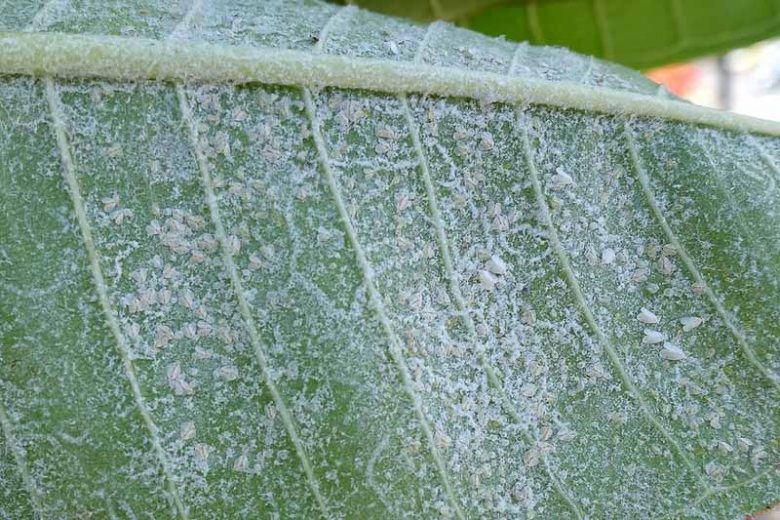
- Tiny white insects flying when you touch the plant.
- Sticky honeydew on leaves — a clear sign of sap-sucking insects.
- Yellowing or curling leaves.
- Black sooty mold — a fungus that grows on honeydew deposits.
- Stunted plant growth or wilting, even with proper watering.
If you notice these symptoms, act quickly. Whiteflies reproduce fast, and waiting too long can make control much harder.
Why Avoid Chemical Pesticides?
Chemical pesticides might seem like the fastest solution, but they often cause more harm than good. Here’s why natural control is better:
- Pesticides kill beneficial insects like ladybugs, lacewings, and bees.
- Whiteflies can develop resistance to chemicals over time.
- Toxins linger on plants, affecting edible crops.
- They disrupt soil health and contaminate groundwater.
Using chemical-free solutions keeps your garden balanced and promotes long-term plant health. Plus, you protect your family and pets from exposure to harmful residues.
Step 1: Prevention Is the Best Cure
The first step in stopping whiteflies without chemicals is to prevent them from entering your garden in the first place.
1. Choose Resistant Varieties
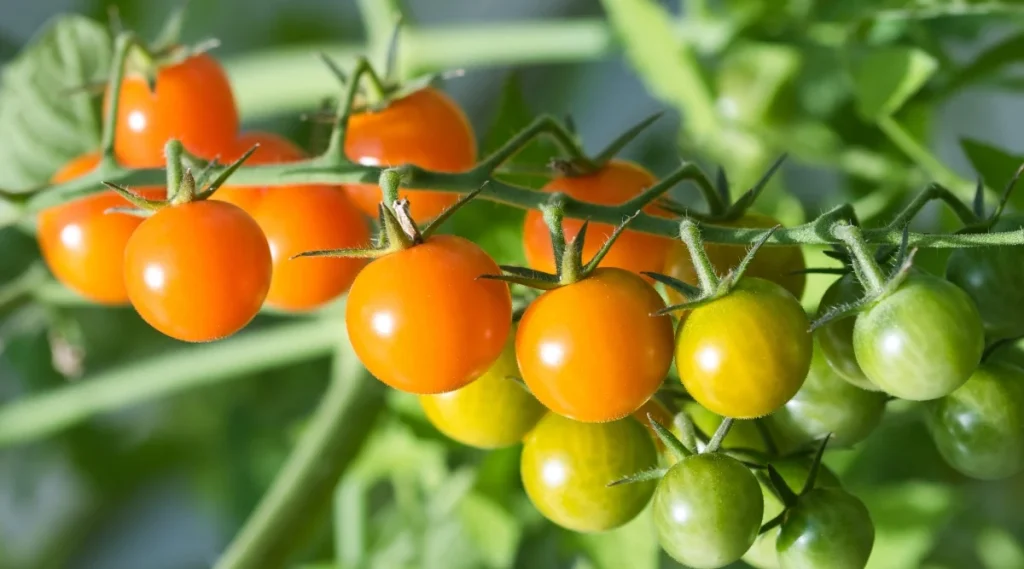
Some plants are naturally resistant to whiteflies. When possible, choose sturdy or pest-resistant varieties of tomatoes, beans, or herbs.
2. Inspect New Plants
Always check new plants before bringing them home. Look under the leaves for eggs, nymphs, or sticky residue.
3. Maintain Garden Hygiene
Remove fallen leaves and dead plant material, as these can harbor pests and diseases. Keep weeds under control, since they can serve as breeding grounds for whiteflies.
4. Use Reflective Mulch
Whiteflies dislike bright, reflective surfaces. Laying aluminum or silver-colored mulch around your plants can confuse them and deter landing.
5. Proper Spacing and Air Circulation
Overcrowded plants trap moisture and create the perfect environment for whiteflies. Ensure good air circulation by spacing plants appropriately.
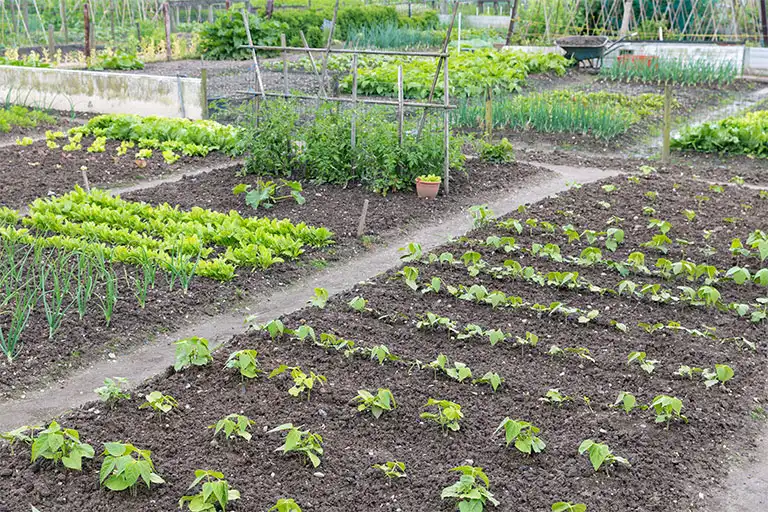
Step 2: Physical and Mechanical Controls
Sometimes, simple physical barriers or tools can dramatically reduce whitefly populations.
1. Sticky Traps
Place yellow sticky traps near infested plants. Whiteflies are drawn to the color yellow and will get trapped upon landing.
DIY Option: You can make your own traps using yellow cardstock coated with petroleum jelly or a sticky substance.
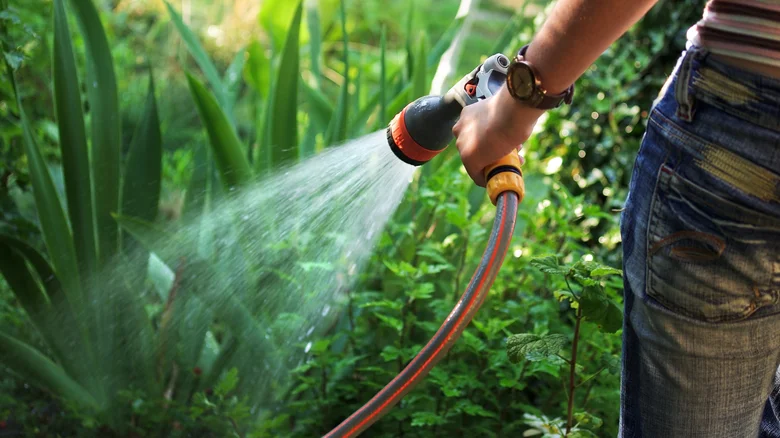
2. Water Spray
A strong burst of water from a hose can knock whiteflies off leaves and destroy eggs. Repeat this every few days to reduce populations naturally.
3. Row Covers or Netting
Covering young plants with fine mesh or floating row covers can keep adult whiteflies away from laying eggs.
Step 3: Organic Remedies and Homemade Sprays
Several organic sprays can control whiteflies without damaging plants or the environment. Always test a small area before spraying the entire plant.
1. Neem Oil Spray
Neem oil disrupts the whitefly life cycle by preventing egg hatching and feeding.
Recipe:

- 1 tablespoon neem oil
- 1 teaspoon mild liquid soap
- 1 liter of water
Mix and spray on the undersides of leaves every 5–7 days.
2. Soap and Water Spray
A simple insecticidal soap suffocates soft-bodied pests.
Recipe:
- 1 teaspoon liquid dish soap
- 1 liter of water
Spray directly on the affected leaves, focusing on whitefly colonies.
3. Garlic and Chili Spray
These natural repellents drive away many insects.
Recipe:
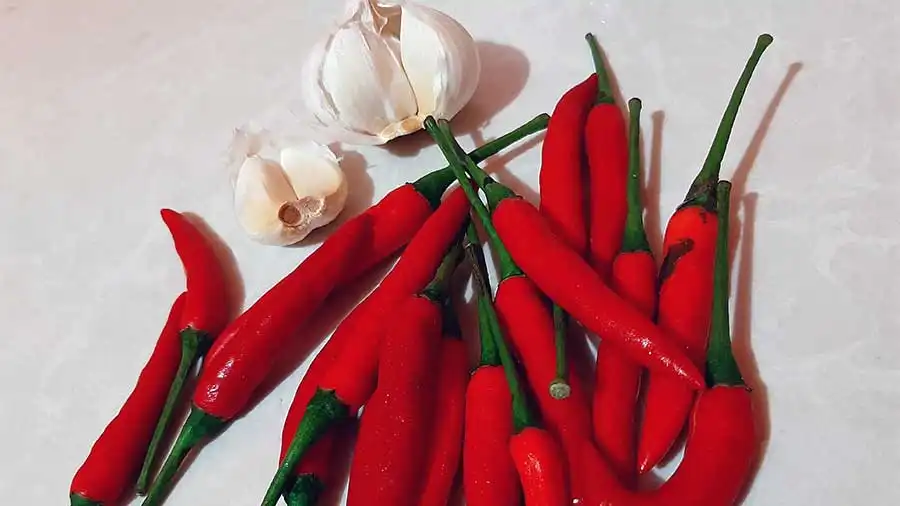
- 2 cloves of garlic
- 1 chili pepper
- 1 liter of water
Blend, strain, and spray weekly for best results.
4. Essential Oil Spray
Essential oils like peppermint, rosemary, or eucalyptus repel whiteflies effectively.
Mix 10 drops of essential oil with 1 liter of water and spray every few days.
Step 4: Companion Planting for Pest Deterrence
Companion planting is an ancient and effective way to naturally repel pests.
Plants that deter whiteflies:
- Mint and Lavender: Their strong aroma discourages whiteflies from settling nearby.
- Marigolds: Their scent confuses whiteflies.
- Basil: Repels whiteflies and improves the flavor of nearby crops.
- Nasturtiums: Act as trap plants, whiteflies prefer them over other plants.

Bonus Tip: Solarize Your Soil
If you’ve had severe infestations, solarizing your soil can help kill hidden eggs and larvae.
Cover the affected area with clear plastic during the hottest weeks of summer for 4–6 weeks. The heat will naturally sterilize the soil without chemicals.
Final Thoughts
Stopping whiteflies without chemicals is absolutely possible and even better for your garden’s long-term health. With a mix of prevention, natural predators, organic sprays, and healthy gardening practices, you can protect your plants the eco-friendly way.
Remember, gardening is about balance. Instead of wiping out every insect, aim to create a thriving ecosystem where pests stay under control naturally. Not only will your plants thank you, but you’ll also be nurturing a safer, more sustainable garden for the future.


