Understanding the Impact of Waste in Gardening
Waste Reduction in Gardening: When gardening, you may not always realize the environmental consequences of waste produced. Plastic pots, single-use seed trays, and chemical pesticide bottles often pile up, significantly contributing to landfill waste. Organic waste like weeds or plant trimmings, when improperly discarded, can release methane—a potent greenhouse gas. Excess soil amendments, fertilizer runoff, and discarded packaging can negatively affect local waterways and biodiversity. You play a crucial role in reducing this impact by embracing sustainable practices. Transitioning to composting, reusing containers, and limiting plastic use can help minimize waste while nurturing healthier ecosystems for your garden.
Benefits of Sustainable Gardening for the Environment

Sustainable gardening allows you to minimize harmful impacts on the environment by adopting eco-friendly practices. By using organic compost or mulch, you reduce reliance on chemical fertilizers and pesticides, which contributes to healthier soil and water. Growing native plants helps you support biodiversity, creating habitats for pollinators like bees and butterflies. Using rain barrels or drip irrigation systems helps conserve water, reducing strain on natural resources. Sustainable gardening also promotes carbon sequestration by incorporating trees and perennials that absorb CO2. Choosing natural methods to control pests lowers contamination risks and ensures ecosystems stay balanced. Each step in sustainable gardening can positively impact Earth.
Composting: Turning Organic Waste into Black Gold
Composting transforms kitchen scraps, yard waste, and other organic materials into rich, nutrient-packed soil. By engaging in this process, you not only reduce waste but also provide your garden with natural fertilizer. Start by choosing a compost bin or pile. Add “greens” like fruit peels, coffee grounds, and vegetable scraps, and “browns” such as dried leaves, cardboard, and newspaper.
Keep the mix aerated by stirring it regularly to encourage decomposition. Ensure it stays moist but not soggy for optimal breakdown. Avoid adding meat, dairy, and oily foods to prevent odors and pests. Over time, you’ll create humus—an enriching substance often referred to as “black gold” for its exceptional gardening benefits.
Using Recyclable and Biodegradable Planting Materials
You can minimize gardening waste by embracing recyclable and biodegradable planting materials. Opt for seedling trays made from bamboo, coconut coir, or biodegradable paper. These alternatives decompose naturally, reducing landfill contribution. Avoid plastic pots where possible and reuse items like yogurt containers or tin cans by drilling drainage holes.
To enrich soil, use compostable garden bags or liners filled with household scraps. Instead of chemical fertilizers, try biodegradable mulches made of straw or grass clippings. You’ll also find plantable pots made from compressed coir or peat that break down when planted, eliminating waste altogether. Transitioning to these options reduces environmental harm.
Rainwater Harvesting: Reducing Water Waste
Rainwater harvesting allows you to utilize one of nature’s free and abundant resources. By collecting rainwater from rooftops or other surfaces, you can reduce your dependency on municipal water supplies. Start by installing a rain barrel or a more elaborate system with gutters, downspouts, and a storage tank.
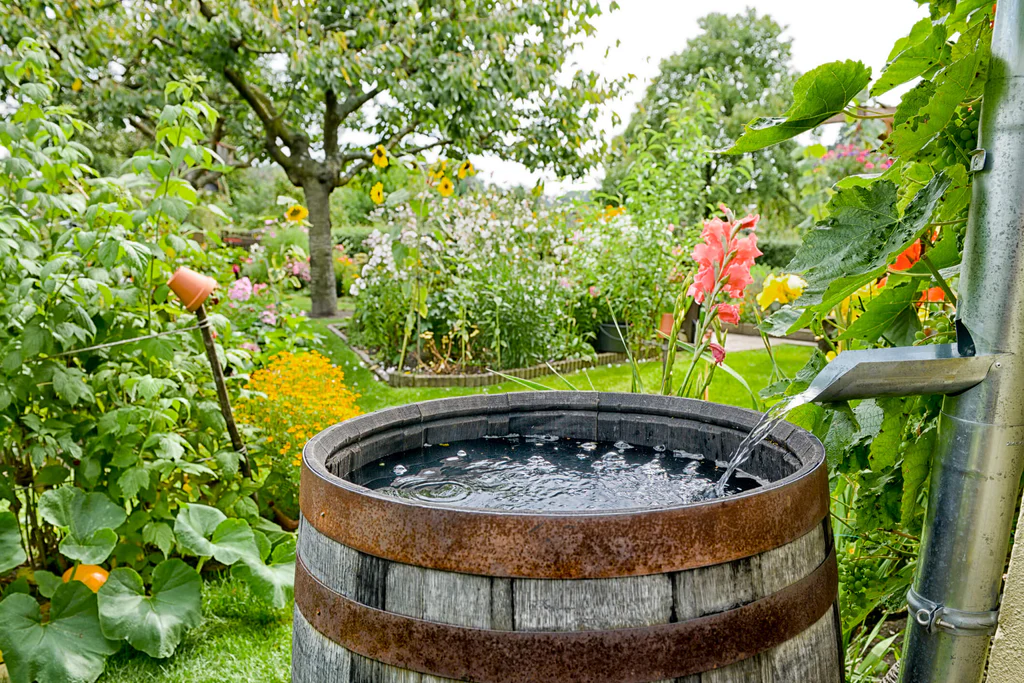
You can use the harvested rainwater for watering plants, cleaning tools, or even washing outdoor spaces. Ensure your system has a proper filtration method if you plan to use the water for sensitive plants. By implementing this practice, you not only lower your utility bills but also conserve precious groundwater resources.
Choosing Native Plants for Low-Maintenance Gardening
Using native plants in your garden reduces the need for extensive care and maintenance. These plants are already suited to your local climate, soil, and ecosystem, which means you won’t need extra fertilizers or frequent watering. When selecting native plants, research varieties that thrive in your region. They naturally resist local pests and diseases, cutting down the need for chemical treatments.
You can create biodiversity by incorporating different species that complement each other. Native plants also support local wildlife like pollinators and birds, enhancing the ecological footprint of your garden. Transitioning to native species contributes to sustainable gardening practices.

Repurposing Household Items for Garden Use
You can transform everyday household items into practical tools for your garden, reducing waste and saving money. Empty plastic containers, such as milk jugs or yogurt tubs, can be converted into seed starters or watering cans with simple modifications. Old wooden furniture or drawers can serve as unique raised garden beds, adding charm and purpose to your garden space. Broken terra cotta pots make excellent drainage aids at the base of new planters. Instead of discarding unused kitchen utensils, repurpose forks or spatulas as planting labels. Egg cartons are ideal for organizing seeds, and worn-out towels can make great weed barriers.
Minimizing Chemical Use with Natural Pest Control Methods
Reducing chemical use in your garden starts with understanding natural pest control techniques. Using beneficial insects is an effective option; ladybugs, lacewings, and predatory mites help manage aphid populations and other pests. You can plant companion crops like marigolds and basil to repel harmful insects while attracting pollinators.
Maintaining soil health also plays a key role—healthy plants are naturally more resilient to pests. Mixing homemade remedies, such as garlic spray or neem oil, offers a safe alternative to synthetic chemicals. Regularly inspect your plants for early signs of pests to take timely action.
Creating a Zero-Waste Garden Maintenance Routine
Implementing a zero-waste maintenance plan starts with assessing your current garden habits and adopting eco-friendly alternatives. Focus on reusing organic waste by composting clippings, fallen leaves, and kitchen scraps. Make tools last longer by properly cleaning and storing them, and choose repairable designs instead of single-use items. Enhance your irrigation system with water-saving methods like drip irrigation or collecting rainwater in barrels. Reduce chemical use by opting for natural pest control methods, such as introducing beneficial insects or creating homemade remedies. Always prioritize sustainable practices, such as mulching with biodegradable materials and swapping plastic pots for durable options like terra cotta or recycled metal.
The Role of Community Sharing in Sustainable Gardening

Participating in community sharing efforts transforms your gardening practices into a collaborative, eco-friendly activity. By sharing seeds, tools, and surplus produce, you reduce waste while fostering connections with other gardeners. You can join seed exchange programs, borrow tools from local sharing initiatives, or contribute extra compost materials to nearby gardeners. Sharing helps avoid the excess purchase of supplies and ensures resources are fully utilized.
Community gardens especially offer opportunities to pool efforts, share knowledge, and minimize individual environmental footprints. Through shared contributions, you learn sustainable techniques, reduce overall waste, and promote biodiversity. Collaboration makes sustainable gardening both practical and rewarding.
Seasonal Tips for Managing Garden Waste Efficiently
Properly managing garden waste throughout different seasons helps maintain an eco-friendly space. Here are some actionable strategies to keep waste under control.
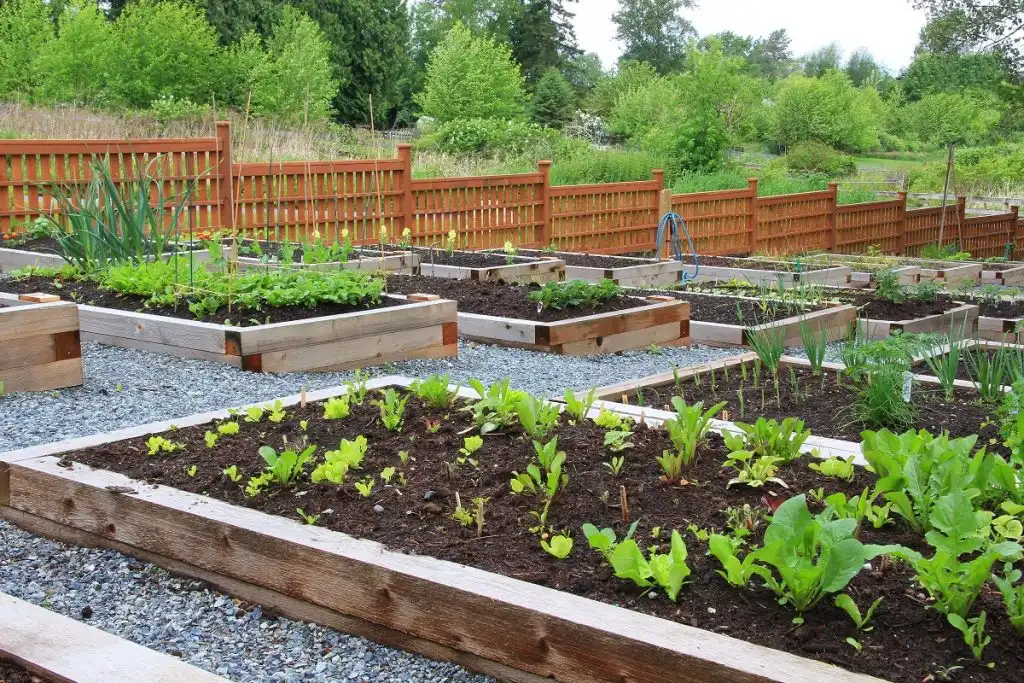
Spring:
- Organize a cleanup for fallen leaves and broken stems from winter.
- Begin a compost pile using grass clippings and small branches.
- Repurpose trimmed plant materials for mulching.
Summer:
- Use cuttings from hedges and lawns to create nutrient-rich soil amendments.
- Keep planting areas weed-free by maintaining consistent pruning.
- Water plants with collected rainwater, reducing waste tied to runoff.
Fall:
- Shred fallen leaves for compost or mulch to cover soil over winter.
- Harvest seeds for next season to cut back on new purchases.
- Prepare garden beds by clearing debris and using organic matter for insulation.
Winter:
- Store tools and pots responsibly to avoid unnecessary disposal.
- Start indoor composting with kitchen scraps if outdoor activity is limited.
- Plan for next season to minimize unused plant material.
These seasonal approaches help ensure your garden waste supports sustainability year-round.

How to Educate Others About Waste-Reducing Gardening Practices
You can inspire others to adopt waste-reducing habits by sharing actionable tips and demonstrating how easy they are to implement. Start by hosting workshops or small group discussions to teach composting techniques or the benefits of reusing garden waste. Use social media to share before-and-after photos of repurposed items, such as DIY planters made from discarded containers. Highlight the advantages of using organic methods and eliminating chemical fertilizers. Encourage others to grow native plants, which reduce resource consumption. Offer to start a community garden where shared ideas can thrive. Lead by example, and celebrate small, sustainable victories together.