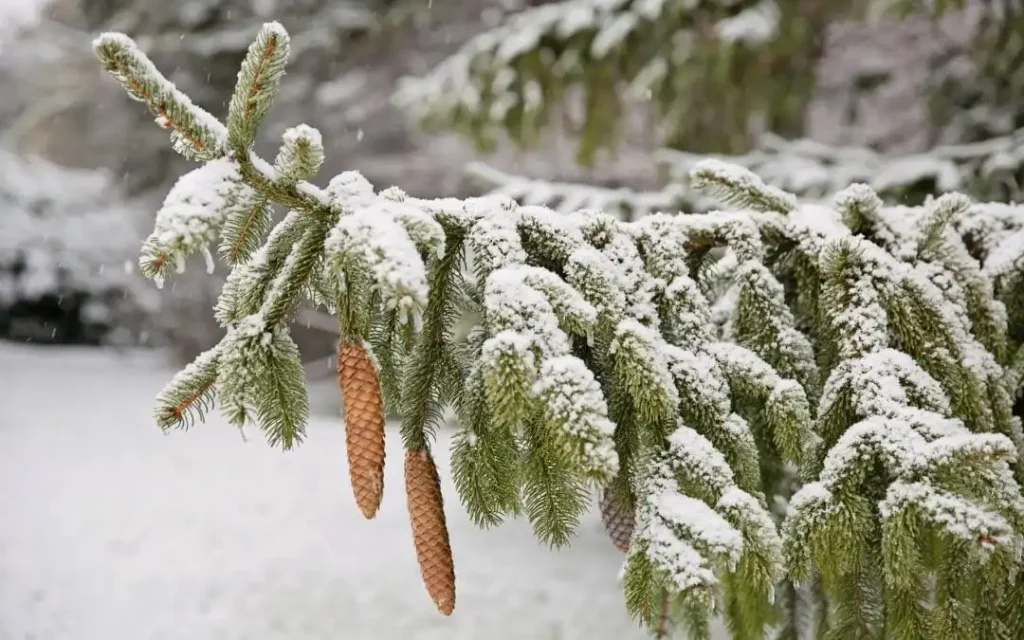
Winter garden protection tips, while winter is a natural part of the seasonal cycle, can impose significant challenges on gardens. Cold temperatures, frost, snow, and diminished sunlight can affect plant health, soil quality, and overall garden vitality. Recognizing these impacts is key to protecting an organic garden and fostering thriving plants amid harsh conditions.
During winter, reduced sunlight inhibits photosynthesis, slowing plant growth, particularly for species with ongoing needs for light, such as marigolds or spider plants. Frost can physically damage plant tissues, causing them to wilt or die back. Issues like powdery mildew may also emerge, as damp and cold conditions provide the ideal environment for fungal growth. Understanding powdery mildew treatment and how to diagnose plant diseases early in the season is essential to maintaining plant health when winter conditions are less forgiving.
The soil itself can become compacted due to frost, adversely affecting the root aeration that plants require to absorb nutrients. This impact can worsen if the garden lacks nutrients provided by compost or banana water for plants, both of which can help support the soil and plants during cold months. Choosing the best potting mix designed for winter conditions can mitigate some of these challenges, especially for potted or indoor plants like spider plants.
For deeper-rooted plants, such as garlic, winter may serve as an essential stage in their growing cycle. Guidelines on how to grow garlic often suggest a fall planting to allow bulbs to develop properly over colder months. However, tender plants—such as marigolds—may suffer without adequate insulation or mulch, especially if conditions are particularly icy. Knowing how to grow marigolds in winter can extend their lifespan while keeping your garden vibrant.
Winter also introduces challenges for pest and disease control. While cooler weather reduces some pest activity, the damp environment can foster fungal infections. Proper winter preparation alongside strategies such as using organic methods for disease management enhances garden resilience.
By understanding winter’s potential impacts, gardeners can take proactive steps to protect plants and soil health, ensuring continued success and growth throughout the colder months.
Assessing Your Garden’s Specific Winter Needs
Understanding your garden’s unique requirements during the colder months is an essential starting point for ensuring healthy, thriving plants. To protect the organic garden from winter damage, the gardener must first evaluate the specifics of the planting zone, current plant health, soil conditions, and vulnerability to pests or diseases. This informed approach allows for targeted actions, avoiding over- or under-preparation.
Begin by identifying which plants in the garden are most susceptible to frost, such as tropical species, tender perennials, or those growing in containers. For instance, if caring for houseplants like spider plants, relocating them indoors can shield them from freezing temperatures. On the other hand, hardy plants like garlic or marigolds have a natural resistance to the cold and may only require a thick layer of mulch or the best potting mix to insulate their roots effectively.
Closely inspecting plants for signs of pest infestations or fungal issues, such as powdery mildew, is equally important. The gardener should employ reliable powdery mildew treatments, as unchecked diseases can weaken plants before winter. Understanding how to diagnose plant diseases early will help ensure timely intervention and a healthier growing environment.

Soil analysis is another critical step. Healthy, well-draining soil fortified with nutrient-rich organic matter provides better protection for roots. Compost preparations or even banana water for plants can serve as organic nourishment. This ensures that dormant plants have a strong base and can readily absorb nutrients when growing resumes.
For outdoor crops, like garlic, knowing how to grow garlic properly in colder conditions ensures better yield come spring. Similarly, flowers such as marigolds require specific attention, and knowing how to grow marigold plants in winter can enhance their survival rate.
An effective winter protection plan varies widely based on a garden’s characteristics, necessitating observation, research, and adjustments to address the distinctive needs of each plant.
Building Protective Structures for Vulnerable Plants
Winter can place significant stress on plants, especially those sensitive to extreme temperature drops, heavy snowfall, or harsh winds. Constructing protective structures can shield these plants while promoting their health and longevity. This technique is particularly effective to prevent weakened plants from becoming susceptible to conditions that exacerbate issues like powdery mildew or other plant diseases. For gardeners who prioritize organic gardening practices, building eco-friendly shelters can also align with sustainable goals.

Types of Protective Structures Gardeners have several options when it comes to safeguarding plants during winter. Each structure can serve specific needs, depending on the type of greenery being protected and the local climate. Common options include:
- Cold Frames: These are mini-greenhouses beneficial for plants like marigolds or herbs. Cold frames maintain consistent warmth and prevent frost damage.
- Row Covers and Cloches: Floating row covers or plastic cloches are ideal for crops such as garlic, which benefits from temperature regulation during its growing cycle.
- Hoop Houses: These semi-covered structures are effective for larger organic gardens, protecting beds with best potting mix and enabling extended growing periods.
- Windbreaks: Strategic placement of burlap or wooden wind barriers minimizes exposure to drying winter winds that can harm evergreens and tropical species like spider plants.
Material Selection and Placement When assembling these structures, selecting the appropriate materials is critical. Recyclable plastics, untreated wood, or breathable cloth are sustainable options. Placement around vulnerable plants should consider sun exposure, airflow, and water drainage. For those learning how to diagnose plant diseases, monitoring protected areas for mold, mildew, or fungal growth is essential.
Incorporating techniques such as using banana water for plants can further strengthen winter protection strategies. Nutrient-rich banana water complements the insulation provided by shelters, improving soil vitality during colder months. By employing a combination of materials, positioning methods, and natural supplements, robust protection for vulnerable plants becomes achievable.
Leveraging Mulch to Insulate Soil Effectively
Mulch serves as an essential tool for insulating soil during winter months, safeguarding plants against harsh conditions that could compromise their health. It is particularly beneficial for maintaining consistent soil temperatures and reducing the risk of frost damage, which is crucial when exploring how to grow garlic or ensuring optimal conditions for delicate plants like spider plants and marigolds.

Benefits of Mulch for Soil Insulation
Mulching acts as a barrier between the soil surface and the external environment, limiting heat loss and shielding the roots from freezing temperatures. It also helps retain soil moisture, preventing dehydration—a vital consideration when addressing winter soil care in an organic garden. Furthermore, by regulating temperature fluctuations, mulch discourages conditions conducive to plant diseases, reducing reliance on powdery mildew treatment or other forms of intervention for winter foliage.
Choosing the Right Mulch
To insulate garden beds effectively, natural and organic mulch varieties are recommended. Materials such as straw, shredded leaves, wood chips, or bark provide outstanding thermal protection. When selecting mulch, avoid non-organic options containing artificial chemicals, as these may disrupt soil quality or harm plants. Pairing a premium mulch layer with the best potting mix ensures optimal nutritional and thermal conditions for plants.
Mulching Techniques for Winter
- Layering Appropriately: Spread mulch evenly over the soil to a depth of 2–4 inches, ensuring consistent coverage. This technique prevents freezing and improves the soil’s ability to foster healthy root development—a critical step in learning how to diagnose plant diseases.
- Avoid Direct Plant Contact: Leave a small gap around the base of plants to prevent stem rot and fungi from developing.
- Late Application: Apply mulch before the first frost or once the soil cools. Early application may trap warmth and encourage premature growth, leaving perennials vulnerable during colder weather.
Enhancing Mulch Functionality
Combine mulching with regular watering to sustain soil hydration. For gardeners creating homemade compost or experimenting with methods like banana water for plants, integrating natural fertilizers alongside mulch can further support soil insulation and plant nourishment. Winter crops, such as garlic and hardy greens, thrive when the soil is insulated adequately.
Mulching empowers gardeners to prepare their plants for winter stress effectively. Understanding techniques such as how to care for a spider plant or how to grow marigold demonstrates the importance of soil protection as part of overall plant health and longevity. By adopting well-informed mulching methods, gardeners can ensure their winter garden remains resilient.
Choosing the Right Winter Covers for Plants
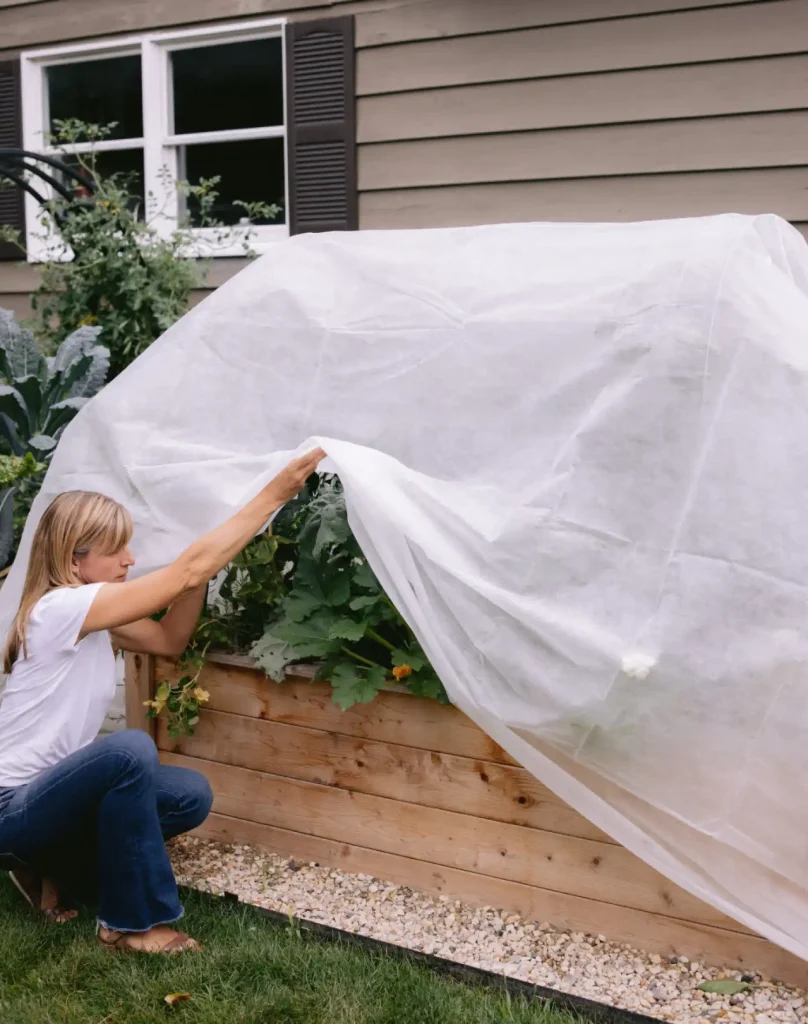
When preparing an organic garden for winter, selecting the appropriate plant covers is crucial for safeguarding against frost, snow, and harsh winds. Winter protection not only prevents damage but also creates an environment where plants can thrive, avoiding risks like powdery mildew. Proper selection depends on the type of plants being protected, their susceptibility to cold, and unique growth characteristics.
Key Factors to Consider
- Material Type Common options include burlap, frost blankets, and plastic sheeting. Burlap is breathable and provides insulation, making it ideal for perennials such as marigolds. Frost blankets are lightweight and work well for vegetables like garlic, while plastic sheeting offers water resistance but requires proper ventilation to prevent mold.
- Plant Type and Needs Plants like marigolds, spider plants, or banana trees have varying levels of cold tolerance. For sensitive plants, covering them with insulating wraps and elevating them off the ground with the best potting mix can reduce exposure to freezing. Plants in containers require extra attention since the roots are more vulnerable to frost.
- Fit and Coverage The cover must fully enclose the plant without flattening it, ensuring the entire structure—including roots, leaves, and stems—is protected. Learning how to care for a spider plant during winter demonstrates the importance of a well-fitted cover, as it prevents physical damage while maintaining airflow.
- Multi-Purpose Features Look for covers designed to repel pests, particularly if the plant is susceptible to diseases during temperature fluctuations. Knowing how to diagnose plant diseases ensures early corrections should fungal growth, including powdery mildew, develop under the covers.
Proper plant protection also involves pairing covers with techniques like mulching and occasionally using resources like banana water for plants to enrich the soil. Effective winter covers serve as a valuable layer of defense, ensuring vibrant growth when spring returns.
Watering Strategies for Frosty Temperatures
Proper watering is a crucial aspect of winter garden protection, especially as lower temperatures pose unique challenges for plants. In frosty conditions, soil moisture can transform into ice, potentially suffocating the roots or leading to rot. Employing smart watering techniques can aid plants in retaining their vitality. Knowledge of topics such as powdery mildew treatment, how to diagnose plant diseases, and even the benefits of organic methods can complement these strategies effectively.

Timing Is Everything
Watering during frosty temperatures requires precision—water plants earlier in the day when temperatures are higher to reduce the risk of freezing. Morning watering promotes absorption in the soil before the evening chill sets in, thus protecting roots. Avoid watering late in the day as it increases the chance of frost forming on wet soil or leaves.
Dry Soil and Frozen Roots
Heavy watering before a frost may cause the soil to freeze more rapidly, damaging delicate root systems. Opting for light and precise watering sessions prevents oversaturation. Integrating techniques like banana water for plants might improve soil health by offering organic nutrients. However, moderation is key.
Best Practices for Pots and Containers
Plants in pots are more susceptible to frost damage than those in garden beds due to less insulation. Using the best potting mix ensures proper drainage and contributes to maintaining healthy moisture levels. Organic mixes rich in nutrients, such as compost-based options, further shield plants like spider plants from frost-induced stress.
Protective Measures for Specialty Cultivars
Certain plants, such as garlic or marigold, require special attention during winter. While garlic relies on adequate moisture for healthy bulb development, overwatering amidst frosty conditions can hinder its growth. On the other hand, marigolds benefit from slight watering adjustments to guard against frost damage. Understanding how to grow garlic or how to grow marigold arms gardeners with the tools needed to make informed decisions.
Frost increases susceptibility to diseases like powdery mildew, especially on damp foliage. Treat exposed plants promptly with organic remedies and stay vigilant by knowing how to diagnose plant diseases during this season.
Transitioning to Sustainable Watering Systems
Drip irrigation and mulching serve as winter-friendly watering solutions. Mulch acts as an insulating layer, retaining soil warmth and preventing water from freezing. Combining drip irrigation with methods like protective covers can further safeguard plant roots in harsh conditions.
Strategic watering not only ensures plant survival during frosty temperatures but also reduces vulnerability to common winter challenges, preserving the integrity of organic gardens year-round.

Utilizing Windbreaks to Shield Against Cold Gusts
Protecting plants from harsh winter winds is crucial to ensuring their survival and thriving condition. Windbreaks serve as effective barriers, reducing the impact of cold gusts that can otherwise strip moisture from foliage, damage tender branches, and expose plants to freezing temperatures. Ensuring proper winter care involves not just remedying existing issues like powdery mildew treatment or diagnosing plant diseases but also focusing on preventive measures like structural support for plants against wind damage.
Strategically placed windbreaks can include natural elements or man-made structures. Rows of evergreen hedges, shrubs, or even bamboo can shield plants in an organic garden while maintaining aesthetic appeal. Alternatively, fences, burlap wraps, or wooden panels also provide effective protection. For container plants, especially those in the best potting mix, wrapping large pots in insulated covers and grouping them near walls or other wind-buffering structures helps mitigate cold exposure.
Small-scale gardeners can take specific steps to protect cherished plants like spider plants or marigolds. For instance, lightweight windbreak systems around marigolds ensure they stay unharmed, while hanging spider plants indoors near windows minimizes wind risks. Those wondering how to grow garlic successfully during winter can enhance bulb growth by planting cloves behind windbreaks to maintain soil warmth and stability.
When setting up windbreaks, it’s important to also encourage proper airflow. Overly tight barriers can trap moisture, potentially leading to fungal issues, adding to the need for interventions like powdery mildew treatment. Use breathable materials to strike a balance between protection and plant health.
Finally, integrating windbreaks with other care strategies like using banana water for plants or spreading mulches ensures a holistic approach to winter gardening. Thoughtfully designed windbreaks complement these strategies, safeguarding both plants and efforts to understand how to diagnose plant diseases effectively during winter months. They allow thriving growth while minimizing winter stress.
Pruning and Prepping Plants for Cold Seasons
Preparation of plants for the cold season is essential for their survival and continued health in an organic garden. Proper pruning can not only improve growth conditions but also prevent diseases. For instance, understanding how to diagnose plant diseases like powdery mildew early allows gardeners to implement effective treatments, thereby minimizing the risk of pathogen spread in the garden.
Pruning Tips to Protect Plants
- Remove Diseased Growth: Start with a thorough inspection of each plant. Use information on how to diagnose plant diseases to identify infected stems or leaves. Removing diseased portions early can prevent winter conditions, which often exacerbate issues such as powdery mildew.
- Cut Back Perennials: Focus on non-essential growth, including long stems, fading blooms, or older leaves that can sap energy from plants. Techniques used for pruning marigolds or spider plants can be adapted across similar species for optimal results.
- Shape and Thin Out Shrubs and Trees: Winter winds and heavy snow can break fragile branches. Prune shrubs and trees to improve airflow and reduce structural stress.
Preparing Root Zones and Soil
The root zone should be addressed with equal care. Begin by replacing worn-out soil with the best potting mix available to ensure adequate nutrients and drainage during winter months. For outdoor crops, gardeners preparing garlic for planting should add organic mulch around the root zones to retain moisture and insulate against frost. Other techniques, such as using banana water for plants, can supplement potassium levels critical for root health during colder months.
Essential Supplies and Techniques
- Mulching: Organic mulch creates a layer of insulation to protect root zones during freezing temperatures. Apply mulch around various plants, including vulnerable ones such as marigolds and spider plants.
- Maintenance of Containers: For container-grown plants, well-draining pots paired with the best potting mix can prevent water-logging during winter rains or snow. This strategy is especially beneficial for plants sensitive to root rot such as spider plants.
- Tool Sanitation: Tools used for pruning should always be sterilized to prevent cross-contamination. Use proper techniques after identifying any plant illnesses to avoid spreading pathogens while working.
Transitioning from gardening tasks such as learning how to grow garlic and preparing marigold blooms for propagation shows that plant care isn’t limited to warmer seasons. These strategies ensure resilience and readiness across crops and ornamentals in preparation for the cold season.
Integrating Winter-Friendly Plant Varieties
When planning a winter garden, incorporating plant varieties suited to colder climates is crucial for maintaining a thriving space and avoiding unnecessary plant stress or damage. These varieties serve as a natural buffer against harsh conditions and reduce the likelihood of pest attacks, powdery mildew, or other diseases characteristic of the season. Understanding how to diagnose plant diseases and implementing treatments like organic remedies, such as banana water for plants, can significantly enhance their resilience during colder months.
To prepare effectively, gardeners should focus on species that flourish in frost or low light conditions. Consider planting evergreens, winter-hardy vegetables, and ornamental plants that double as natural cold-resistant barriers. Examples include kale, spinach, garlic, marigolds, and pansies. Learning how to grow garlic in frost-friendly environments is particularly advantageous due to its endurance and nutritional benefits. When dealing with companion plants like spider plants, it is equally important to research how to care for a spider plant since proper care can prevent it from succumbing to root rot in chilly weather.

Choosing the best potting mix tailored for winter is vital for preserving soil health and adequately supporting plants. A nutrient-rich blend with proper drainage enhances their ability to withstand seasonal stress. Organic garden mixtures are particularly helpful in retaining warmth and ensuring consistent moisture without oversaturating. Integrating mulch into the mix adds an insulating layer, protecting roots from freezing temperatures and minimizing the risk of fungal infections common in soggy conditions.
For ornamental plants such as marigolds, knowing how to grow marigold successfully in cooler weather requires attention to planting depth and timing. Additionally, gardeners should routinely monitor for diseases and pests using diagnostic steps outlined in guides such as how to diagnose plant diseases. Ultimately, blending diverse winter-friendly varieties with thoughtful care techniques ensures healthy growth and vibrant appearances in frost-prone gardens throughout the season.
Monitoring and Maintaining Plant Health Throughout Winter
During the colder months, ensuring plant health is crucial to prevent winter stress, disease, and pest infestations. Proper monitoring techniques and preventative care can set the foundation for a thriving garden come spring.
Diagnosing Plant Health Issues
It is vital to understand how to diagnose plant diseases early to mitigate their impact. Common plant diseases in winter, such as powdery mildew, thrive in cold, damp environments. Look for signs like white powdery spots on leaves or stems, leaf yellowing, or wilting. Immediate powdery mildew treatment using organic garden-friendly solutions can help manage such issues without harming surrounding plants or soil.
Preventing Overwatering
Monitor the soil moisture regularly, especially for potted plants. Plants consume less water during winter; overwatering can lead to root rot. When preparing containers for winter protection, use the best potting mix, which offers good drainage while retaining sufficient moisture. Adding organic matter to the soil can further promote plant resilience during colder months.
Feeding and Nutrient Support
Support plants with natural fertilizers like banana water for plants, which enriches them with potassium and phosphorus. These nutrients are particularly helpful for flowering plants like marigolds, ensuring they remain healthy and vibrant when conditions improve. However, avoid excessive feeding as dormant plants cannot utilize high nutrient levels effectively.
Inspect for Pests
Winter gardens may still attract pests such as aphids and spider mites. Regularly inspect foliage, especially for indoor varieties like spider plants. Knowing how to care for a spider plant entails checking for pest infestations and wiping leaves with a damp cloth to maintain cleanliness and control pests.
Protection for Outdoor Garden Plants
Cold-hardy bulbs like garlic require less attention, but understanding how to grow garlic properly includes mulching to insulate the soil. Similarly, marigolds benefit from consistent winter monitoring. Knowing how to grow marigold plants involves removing dead leaves that could harbor pests or diseases.
By maintaining diligence through close observation and preventative care, plants stay healthier and are better equipped to thrive once warmer weather returns.
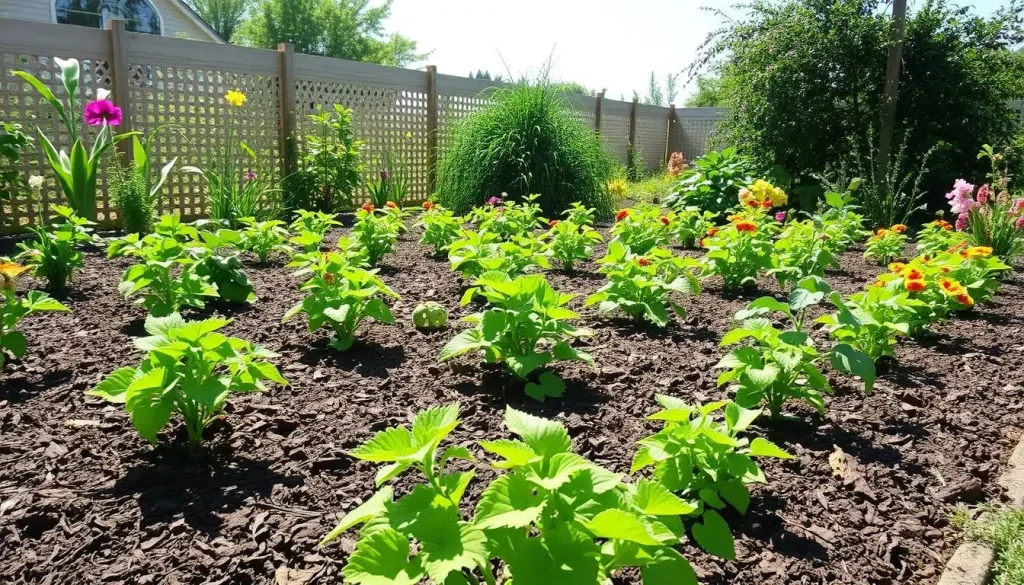
When to Remove Winter Protections as Spring Approaches
Understanding the right time to remove winter protections ensures plants transition smoothly into spring growth. This process prevents potential damage from unexpected cold snaps while allowing plants to awaken naturally. For those practicing organic garden methods or learning how to diagnose plant diseases, timing this step correctly can reduce stress on flora and curb issues like pest infestations or powdery mildew.
Begin by monitoring local weather conditions closely. Daytime temperatures consistently above 50°F (10°C) and frost-free nights indicate it is safe to start removing covers, mulch, or other insulating materials. Conduct a thorough inspection of plants, checking for signs of life like budding, leaf growth, or sprouting stems. Perennials such as marigolds or garlic may show early signs of recovery, offering a cue for gardeners deciding the right moment to remove protective layers.
Gradual exposure to outdoor conditions is key. Sudden removal of insulation, like mulch or frost blankets, may lead to vulnerability, especially during cold, wet spells. For instance, hardy plants like spider plants may require slower adaptation to sunlight and fluctuating temperatures. To mitigate risks, uncover in stages by peeling back layers during mild afternoons while ensuring a quick re-cover if frost reappears.
Additionally, prioritize cleaning up leftover debris and assessing soil conditions when making this transition. This is a crucial time to add nutrients or water blends like banana water for plants to rejuvenate the soil. Replacing insulation materials with the best potting mix also supports healthier roots. This is especially useful for sensitive plants requiring consistent nutrition. By aligning protection removal with weather cues, gardens are better prepared for vibrant spring growth.
Final Winter garden protection tips
Successfully protecting your garden through winter requires a combination of proactive planning and ongoing vigilance. By implementing these essential strategies—from building protective structures and applying proper mulching techniques to choosing the right plant covers and monitoring for diseases like powdery mildew—you can ensure your plants not only survive but thrive during the coldest months. Remember that winter garden protection is an investment in your spring success, and with careful attention to watering schedules, windbreak installation, and gradual removal of protections as temperatures warm, your organic garden will emerge healthier and more resilient than ever.