Winter can be one of the most challenging seasons for gardeners and farmers alike. Cold temperatures, frost, fluctuating moisture levels, and soil erosion can severely impact planted crops if they are not properly protected. One of the most effective and affordable solutions to these problems is winter mulching.
Winter mulching techniques for planted crops help regulate soil temperature, conserve moisture, suppress weeds, and protect roots from freezing conditions. Whether you grow vegetables, flowers, herbs, or perennial crops, proper mulching can make the difference between winter losses and a healthy spring harvest.
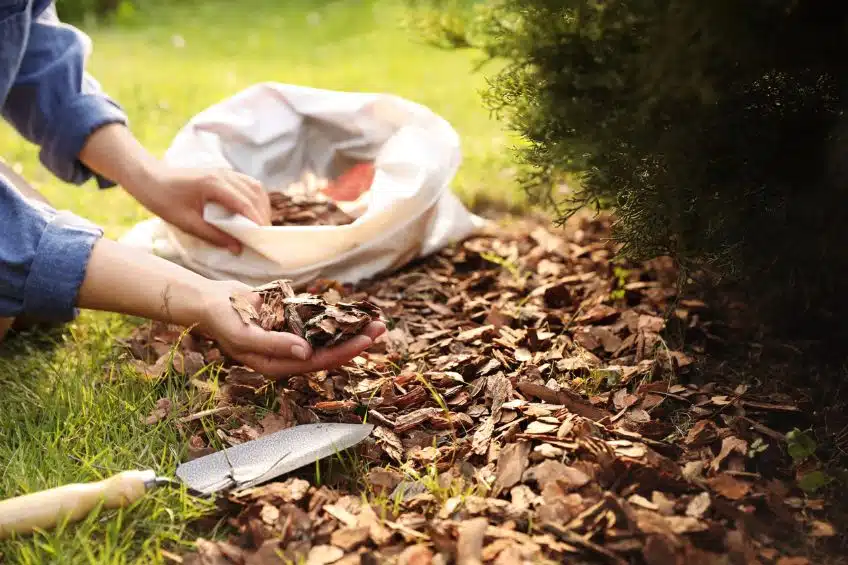
In this guide, we’ll explore everything you need to know about winter mulching, its benefits, types of mulch, step-by-step application methods, common mistakes, and a troubleshooting table to help you fix issues quickly.
Best Winter Mulching Materials for Planted Crops
Choosing the right mulch material is key to effective winter protection.
Organic Mulches (Recommended)
Straw
- Excellent insulation
- Lightweight and easy to apply
- Ideal for vegetable beds
Dry Leaves
- Readily available and eco-friendly
- Shred before use to prevent matting
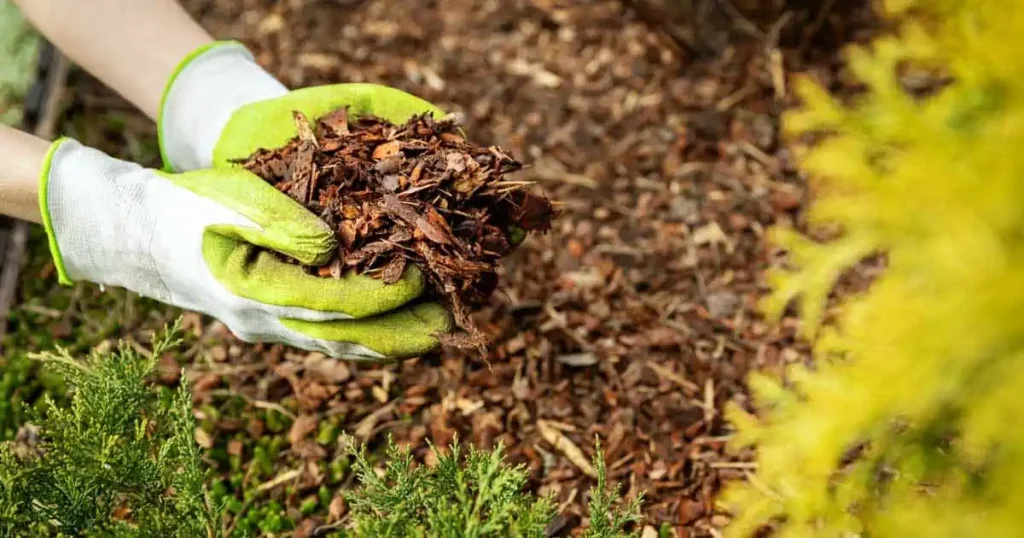
Wood Chips or Bark
- Long-lasting
- Best for perennial beds and shrubs
Compost
- Adds nutrients
- Use in combination with other mulches for insulation
Pine Needles
- Allows good airflow
- Great for acid-loving plants
Step-by-Step Winter Mulching Techniques for Planted Crops
Step 1: Prepare the Soil

- Remove weeds and dead plant debris
- Water soil lightly before mulching if dry
Step 2: Apply Mulch Evenly
- Spread mulch around plants, not over crowns
- Maintain consistent thickness
Step 3: Secure Mulch
- Use netting or light watering to prevent wind displacement
- Especially important in open or windy areas
Step 4: Monitor During Winter
- Check mulch after storms
- Reapply if it shifts or thins out
Winter Mulching for Different Types of Crops

Vegetable Crops
Mulch carrots, garlic, onions, spinach, and winter greens to prevent root damage and allow early spring growth.
Perennials
Mulching protects crowns and ensures plants return healthy in spring.
Fruit Trees & Shrubs
Apply mulch around the drip line to protect feeder roots, but keep it away from the trunk.
Raised Beds
Raised beds lose heat faster, so thicker mulch is recommended.

Common Winter Mulching Mistakes to Avoid
- Mulching too early
- Using wet or moldy mulch
- Applying mulch too close to stems
- Using overly compacted materials
- Neglecting to check mulch after storms
Avoiding these mistakes ensures maximum protection and plant health.
When to Remove Winter Mulch
- Remove gradually in early spring
- Do not remove all at once
- Allow soil to warm naturally
- Leave some mulch for moisture retention
Early removal can expose plants to late frosts, so timing matters.
Troubleshooting Table: Winter Mulching Problems & Solutions
| Problem | Possible Cause | Solution |
|---|---|---|
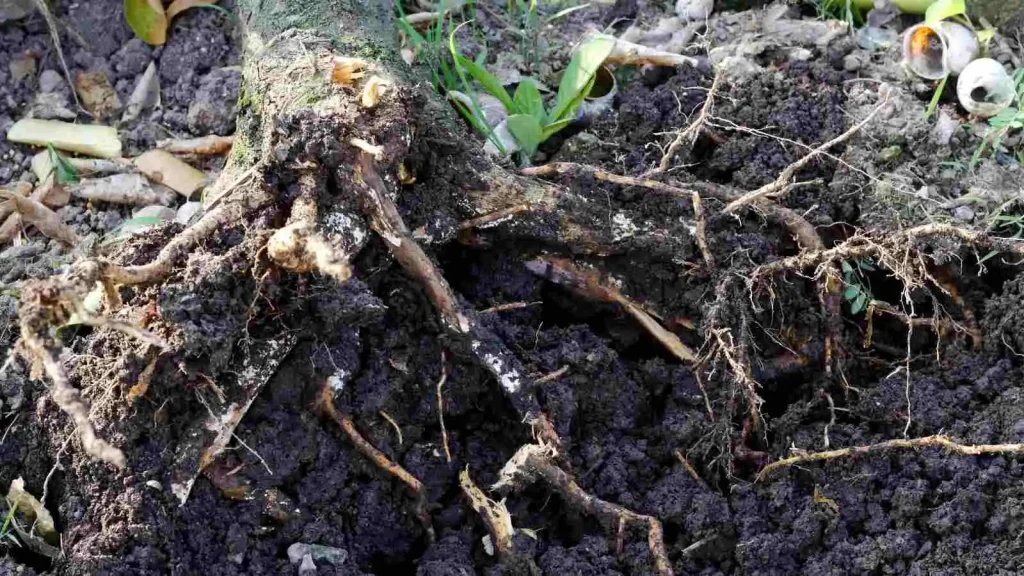
| Plants rotting at base | Mulch piled against stems | Pull mulch 2–3 inches away from stems |
| Mold or fungus growth | Wet or compacted mulch | Replace with dry, loose mulch |
| Rodents nesting | Mulch applied too early | Apply mulch after first frost |
| Soil still freezing | Mulch layer too thin | Increase mulch thickness |
| Plants pushed out of soil | Frost heaving | Apply mulch evenly after soil cools |
| Mulch blowing away | Lightweight material | Secure with netting or water lightly |
| Slow spring growth | Mulch removed too late | Gradually remove mulch in early spring |
Final Thoughts
Winter mulching techniques for planted crops are an essential part of cold-season garden care. With the right materials, proper timing, and correct application, mulching can protect your crops from harsh winter conditions and prepare your garden for a productive spring.
By avoiding common mistakes and using the troubleshooting guide above, you can ensure your plants stay healthy, insulated, and stress-free throughout winter. Whether you’re a home gardener or a small-scale grower, winter mulching is a simple practice that delivers powerful results.