Winter gardening can be rewarding, but it also comes with unique challenges. Many gardeners assume plants go completely dormant during winter, yet what you do or do not do, during the cold months can directly impact spring growth. Unfortunately, even experienced gardeners make common winter planting mistakes that weaken plants, damage roots, or reduce yields.
In this detailed guide, we’ll explore the most common winter planting mistakes to avoid, explain why they happen, and share practical solutions to keep your garden healthy, resilient, and ready to flourish when warmer weather returns.
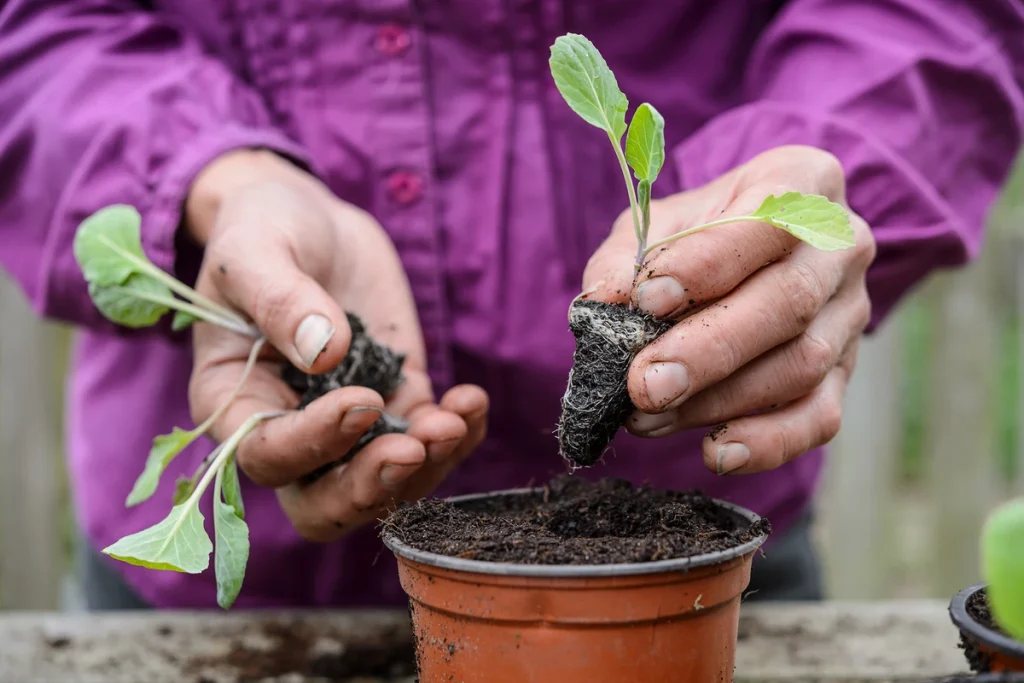
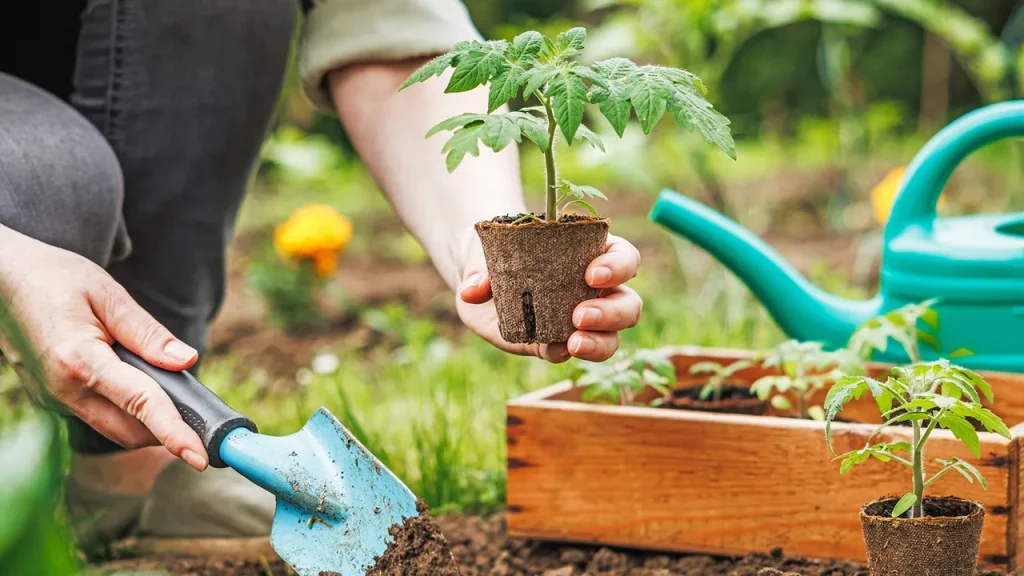
1. Planting at the Wrong Time
One of the most damaging winter planting mistakes is planting too early or too late.
Why It’s a Problem
- Early planting can expose young plants to sudden frost
- Late planting prevents roots from establishing
- Temperature fluctuations stress seedlings
How to Avoid It
- Follow your local frost calendar
- Plant winter crops 6–8 weeks before the first hard frost
- Choose plants labeled “cold-hardy” or “winter-tolerant”
Timing is critical in winter gardening, and ignoring it can undo all your hard work.
2. Choosing the Wrong Plants for Winter
Not all plants are designed to survive cold weather. Selecting unsuitable varieties is a common winter planting mistake that leads to plant loss.
Common Errors
- Planting tropical or summer-only plants
- Ignoring hardiness zones
- Assuming all vegetables can grow in winter
Better Choices
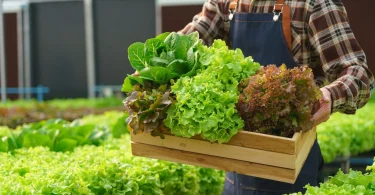
- Leafy greens (spinach, kale, lettuce)
- Root vegetables (carrots, radishes, garlic)
- Winter flowers like pansies and violas
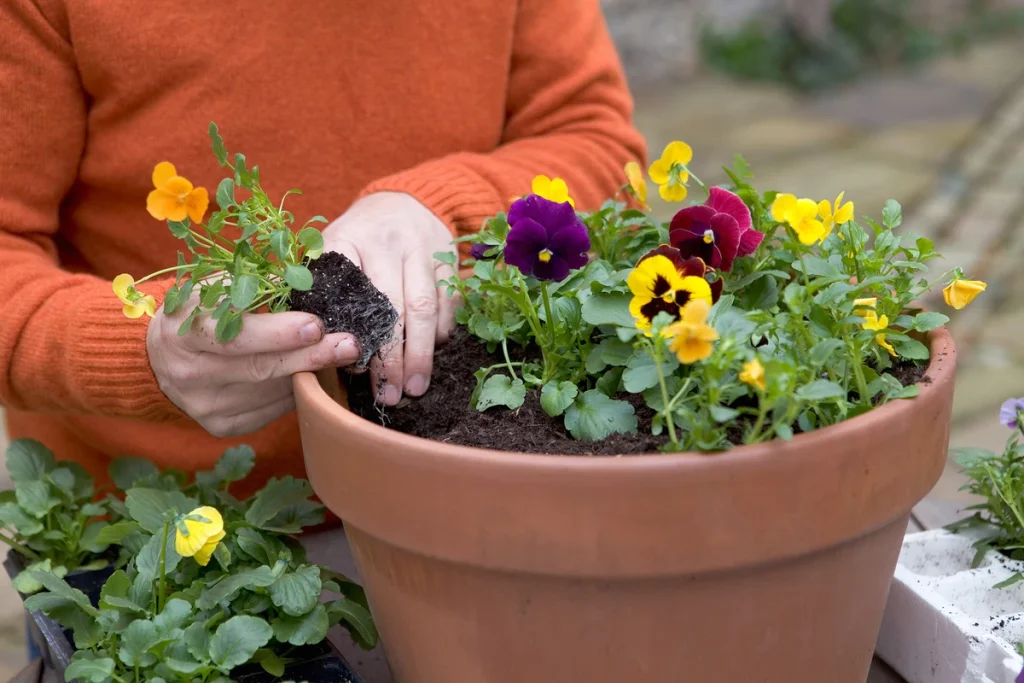
Always check plant labels and prioritize winter-hardy varieties.
3. Overwatering During Winter
Overwatering is one of the most overlooked winter planting mistakes to avoid.
Why Overwatering Happens
- Gardeners follow summer watering habits
- Reduced evaporation in cold weather
- Poor soil drainage
Risks of Overwatering
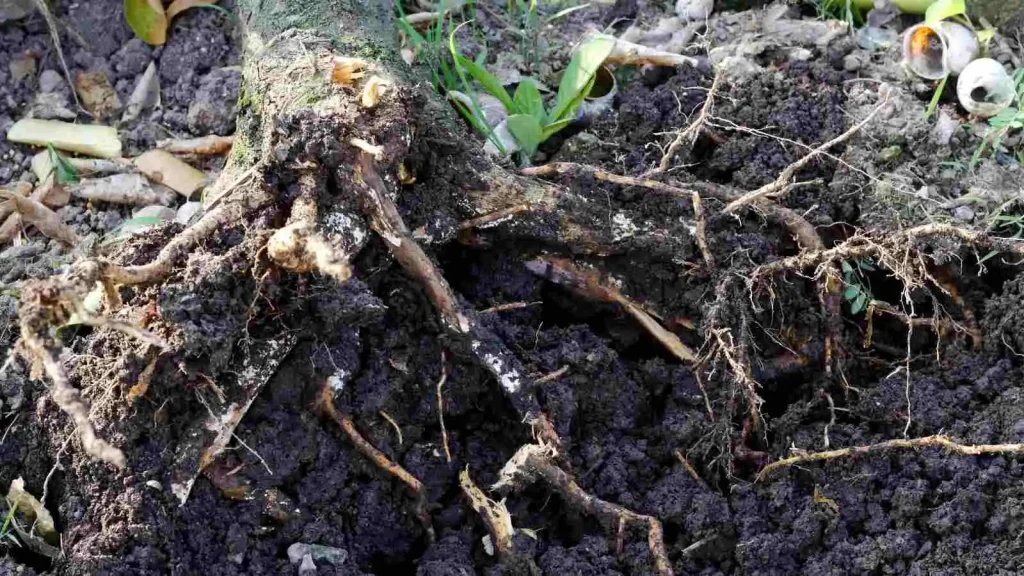
- Root rot
- Fungal diseases
- Oxygen deprivation in soil
Smart Winter Watering Tips
- Water only when soil is dry
- Water in the morning
- Reduce frequency, not depth
Plants need less water in winter, not more.
4. Ignoring Soil Preparation
Poor soil preparation is a silent but serious winter planting mistake.
Why Winter Soil Needs Attention
- Compacted soil drains poorly
- Cold soil slows nutrient uptake
- Nutrient imbalance weakens plants

How to Prepare Soil Properly
- Add organic compost before winter planting
- Improve drainage with sand or organic matter
- Avoid frozen or waterlogged soil
Healthy soil acts as insulation and nutrient storage during winter.
5. Skipping Mulch Protection
Failing to mulch is one of the most common winter planting mistakes gardeners regret later.
Benefits of Mulching in Winter
- Insulates roots from extreme cold
- Retains moisture
- Prevents soil erosion
- Suppresses winter weeds
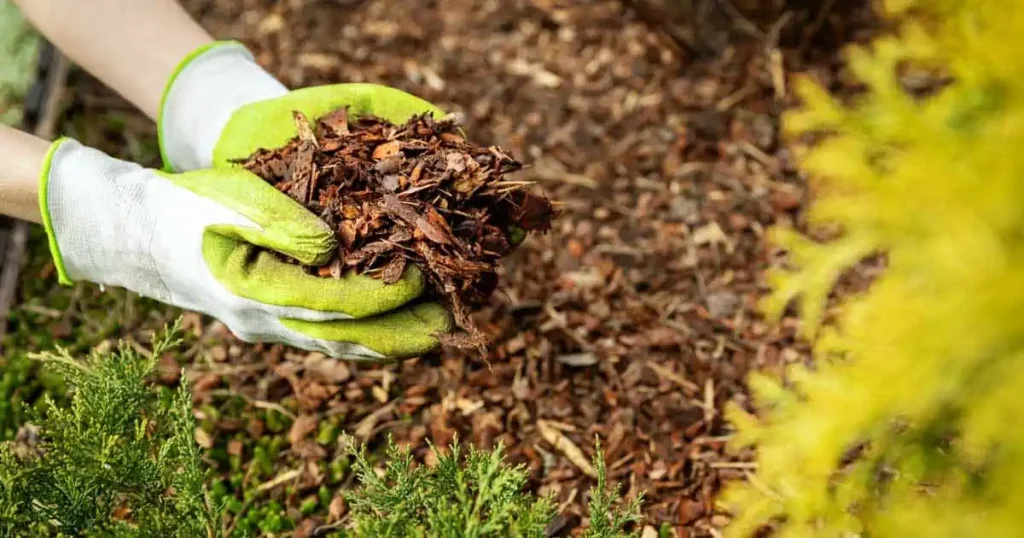
Best Mulch Options
- Straw
- Dry leaves
- Bark chips
- Compost
Apply mulch after the first frost but before severe cold sets in.
6. Not Protecting Plants from Frost
Many gardeners underestimate frost damage, making this a critical winter planting mistake to avoid.
Signs of Frost Damage
- Blackened leaves
- Wilted stems
- Soft or mushy plant tissue
Frost Protection Methods

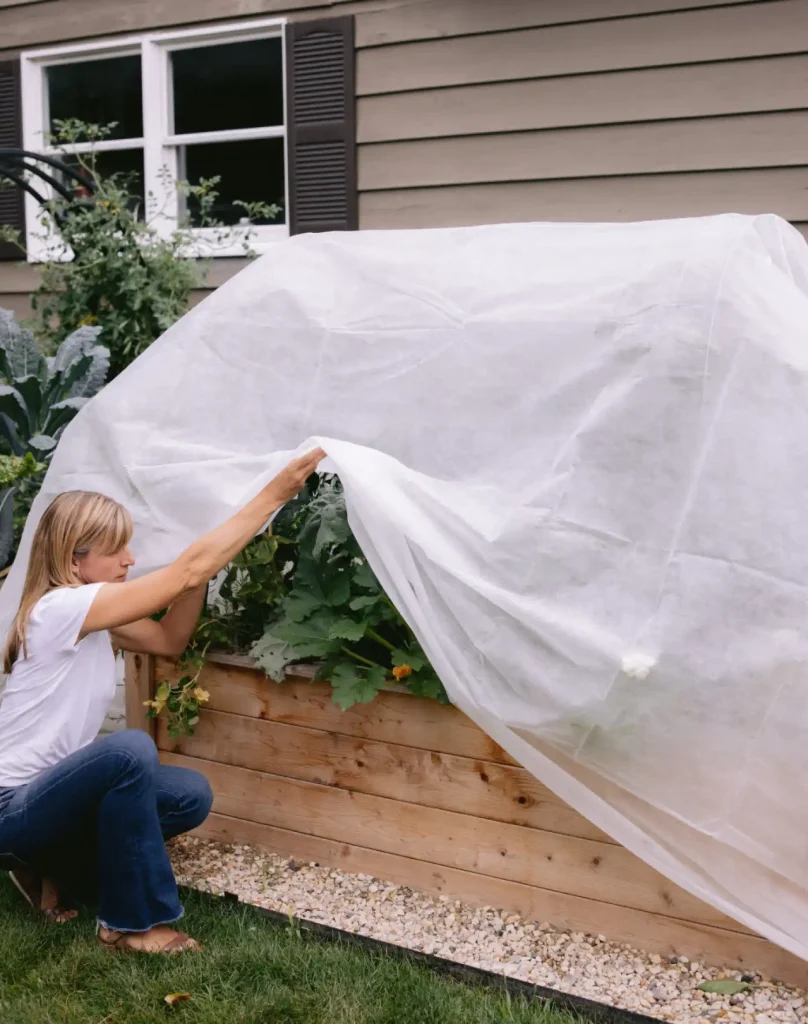
- Frost cloths or garden blankets
- Row covers
- Cloches or plastic tunnels
- Temporary shade structures
Never use plastic directly on plants, it can worsen frost damage.
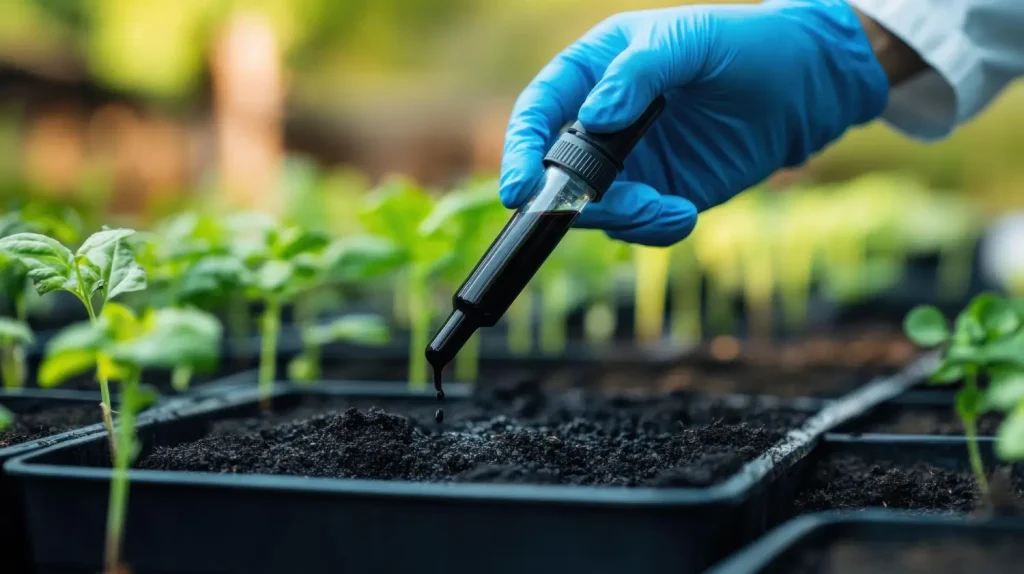
7. Fertilizing Too Much in Winter
Over-fertilizing during winter is harmful and unnecessary.
Why It’s a Mistake
- Plants grow slowly in cold weather
- Excess nutrients burn roots
- Encourages weak, frost-sensitive growth
Correct Approach
- Use slow-release organic fertilizers
- Avoid nitrogen-heavy feeds
- Focus on soil enrichment, not growth stimulation
Winter is a maintenance phase, not a growth race.
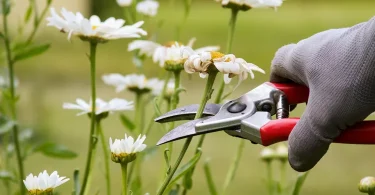
8. Pruning at the Wrong Time
Improper pruning is a common winter gardening mistake that can permanently damage plants.
Pruning Mistakes to Avoid
- Heavy pruning before extreme cold
- Cutting frost-damaged areas too early
- Pruning flowering plants at the wrong time

Safe Pruning Tips
- Remove only dead or diseased branches
- Wait until late winter or early spring for major pruning
- Research plant-specific pruning schedules
Timing matters as much as technique.
9. Forgetting About Pests and Diseases
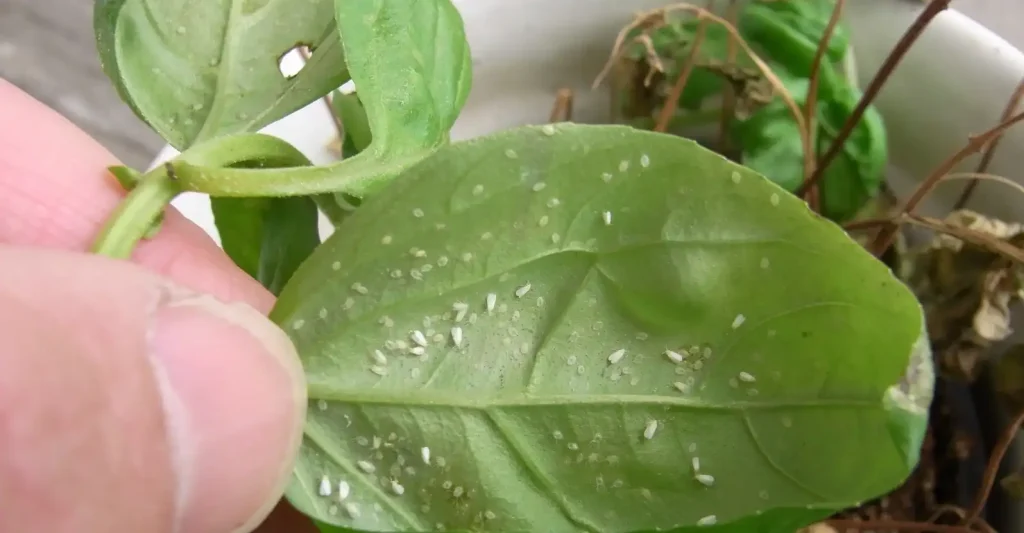
Cold weather does not eliminate pests—it often hides them.
Common Winter Issues
- Aphids in protected areas
- Fungal diseases due to moisture
- Rodents damaging roots
Prevention Tips
- Inspect plants regularly
- Improve air circulation
- Avoid overcrowding
- Use organic pest control when needed
Ignoring pests in winter allows problems to explode in spring.
10. Neglecting Container Plants
Container plants are more vulnerable to cold, making neglect a major winter planting mistake.
Why Containers Are Risky in Winter
- Roots freeze faster
- Soil dries out quickly
- Limited insulation
How to Protect Container Plants
- Move pots closer together
- Elevate from cold ground
- Wrap containers with burlap
- Water lightly when needed
Extra care ensures container plants survive winter stress.
Final Thoughts: Avoid These Common Winter Planting Mistakes
Avoiding common winter planting mistakes is the key to maintaining a healthy, productive garden year-round. Winter may slow growth, but it does not stop a garden’s needs. Proper timing, plant selection, soil care, and protection strategies can make the difference between struggling plants and a thriving spring garden.
By understanding what winter planting mistakes to avoid, you protect your plants, improve soil health, and set the stage for lush growth when warmer days arrive.
A well-cared-for winter garden is not just surviving, it’s preparing to thrive.