Zone 7 Native Flowers: Creating a beautiful garden in Zone7 can be tough, especially with drought. But, the right plants can make your garden thrive. They’ll fit the local climate and soil perfectly.
Native flowers are a great choice. They’ve adapted to the area’s weather, needing less care. Adding them to your garden boosts its beauty and helps the local ecosystem.
With the right native flowers, your Zone7 garden can be both drought-tolerant and beautiful.

Key Takeaways
- Native flowers are ideal for Zone7 gardens due to their adaptability to local climate and soil conditions.
- They require less maintenance and care, making them perfect for busy gardeners.
- Drought-tolerant native flowers can enhance the beauty of your garden while supporting the local ecosystem.
- Choosing the right native flowers can help you create a resilient and thriving garden.
- Native flowers can add visual appeal to your garden, making it more stunning and attractive.
Understanding Zone7 Climate and Drought Challenges
Knowing the climate of Zone 7 is key to fighting drought in your garden. This zone covers a big part of the eastern United States. It has hot summers and mild winters.
Defining Zone 7 Native Flowers Growing Conditions
Zone 7’s climate is temperate, with temperatures between 0°F and 10°F (-18°C to -12°C) on average. This climate is good for many plants. But, the hot summers can be tough for some.
Common Drought Patterns in Zone7
Drought in Zone 7 changes a lot from year to year. Summers often have long dry spells. This is hard for plants not used to it. Drought-tolerant native plants do well here, as they’ve adapted to the climate.

Benefits of Using Native Plants in Drought-Prone Areas
Native plants are great for areas prone to drought. They fit well with local soil, need less water, and help local wildlife. By picking drought-tolerant native plants, your garden will be strong and easy to care for.
| Plant Type | Drought Tolerance | Maintenance Level |
|---|---|---|
| Native Plants | High | Low |
| Non-Native Plants | Variable | High |
By understanding Zone 7’s climate and using native plants, you can make a beautiful, strong garden. It will handle drought well.

Why Choose Drought Tolerant Native Flowers for Zone7
Gardeners in Zone7 can make their outdoor spaces more sustainable by picking drought-tolerant native flowers. These plants fit well with the local climate and soil. They are great for areas that sometimes face drought.
Environmental Benefits of Native Plants
Native plants help the environment by boosting biodiversity. They also cut down on the need for harmful chemicals. Plus, they keep the soil healthy and stop erosion.
Water Conservation Advantages
Drought-tolerant native flowers need very little water. This makes them perfect for saving water. By picking these plants, you can use a lot less water.
| Plant Type | Water Needs | Maintenance Level |
|---|---|---|
| Native Perennials | Low | Low |
| Summer Drought Plants | Very Low | Low to Medium |
| Zone7 Native Groundcover | Low | Low |
Lower Maintenance Requirements
These plants are not only good at handling drought but also need less care. They are less likely to get pests or diseases. This means you won’t need to intervene as much.
Supporting Local Pollinators and Wildlife
Adding native flowers to your garden helps local pollinators and wildlife. It supports the local ecosystem.

Top Drought-Resistant Native Perennials for Zone7 Gardens
Native perennials that love dry conditions are great for Zone 7 gardens. They look amazing with little water. These plants fit well with the local weather and soil, helping gardeners save water.
Black-Eyed Susan (Rudbeckia fulgida and R. hirta)
Black-Eyed Susans are a favorite in Zone 7 gardens. They have bright yellow petals and dark centers. They’re drought-tolerant and draw in bees and butterflies.
Butterfly Weed (Asclepias tuberosa)
Butterfly Weed is key for monarch butterflies and other pollinators. It does well in dry spots and blooms in orange or yellow.
Purple Coneflower (Echinacea purpurea)
Purple Coneflower is a standout perennial. It draws in pollinators and adds a bold splash of color. Plus, it’s good for medicine.

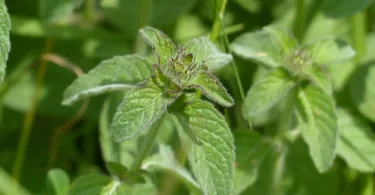
Native Mountain Mint (Pycnanthemum muticum)
Native Mountain Mint is a fragrant perennial that spreads easily. It’s great for attracting pollinators and does well in dry conditions. It grows in many soil types.
Blazing Star (Liatris spicata)
Blazing Star has unique purple spikes that attract butterflies and hummingbirds. It likes well-drained soil and full sun.
Planting Tips for Success
When planting drought-resistant native perennials, pick a spot with full sun and good drainage. Water them often in their first year to help them grow strong roots.
Maintenance Requirements
After they’re settled, these perennials need little care. They use less water, and some might need pruning to stay healthy.
Adding these native perennials to your Zone 7 garden makes for a lively and hardy landscape. It’s beautiful and uses less water.
Native Groundcovers That Thrive in Dry Conditions
Native groundcovers are a great choice for Zone 7 gardens. They help control weeds and do well in dry weather. These plants are perfect for spots where grass or other plants can’t grow because of drought.
Creeping Phlox (Phlox subulata)
Creeping Phlox is a low-growing, spreading groundcover. It blooms with vibrant pink, purple, or white flowers in early spring. It’s great for drought-tolerant landscaping because it can handle dry soils.

Wild Stonecrop (Sedum ternatum)
Wild Stonecrop is a succulent groundcover that stores water in its leaves. This lets it survive with little water. It’s perfect for areas with poor soil and full sun, making it a low-maintenance choice for gardeners.
Allegheny Spurge (Pachysandra procumbens)
Allegheny Spurge loves shade and moist, well-drained soils. It’s a bit more drought tolerant once it’s established, but it still likes some moisture.
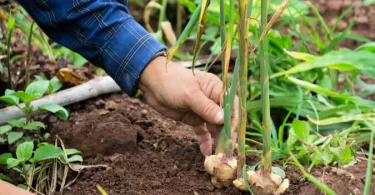
Wild Ginger (Asarum canadense)
Wild Ginger is a native groundcover that thrives in shady spots and rich soil. It’s a top pick for woodland gardens or shaded areas. It provides a lush, weed-suppressing cover.

Establishment Techniques
To get native groundcovers to grow well, start by preparing the soil. Remove weeds, add organic matter, and water well during the first phase of growth.
Controlling Spread
Some native groundcovers spread a lot. To keep them in check, use barriers or prune them regularly. This helps keep them within the desired area.
Drought-Tolerant Native Shrubs for Zone7 Landscapes
For a stunning and sustainable Zone 7 landscape, consider drought-tolerant native shrubs. These plants add beauty and structure to your garden. They also need less care and water, perfect for dry areas.
Beautyberry (Callicarpa americana)
Beautyberry is known for its vibrant purple berries that attract birds and butterflies. It’s a low-maintenance shrub that thrives in well-drained soil and partial shade.

Fragrant Sumac (Rhus aromatica)
Fragrant Sumac is a versatile shrub that can grow in various soil types. It’s valued for its fragrant leaves and red autumn color, making it a great choice for adding seasonal interest.
American Elderberry (Sambucus canadensis)
American Elderberry is a fast-growing shrub that produces clusters of small white flowers followed by purple berries. It prefers moist soils but can tolerate some drought.
Yucca (Yucca filamentosa)
Yucca is a striking shrub with sword-like leaves and tall flower stalks. It’s highly drought-tolerant and requires minimal care, making it ideal for hot, dry areas.

Planting and Spacing Guidelines
When planting drought-tolerant shrubs, ensure they are spaced correctly to allow for mature growth. A general rule is to plant them as far apart as their expected mature width.
Pruning for Health and Shape
Pruning is essential for maintaining the health and shape of your shrubs. Prune in late winter or early spring, removing dead or damaged branches to promote healthy growth.
| Shrub | Mature Size | Soil Preference | Drought Tolerance |
|---|---|---|---|
| Beautyberry | 3-6 ft tall, 4-6 ft wide | Well-drained | High |
| Fragrant Sumac | 6-10 ft tall, 6-10 ft wide | Various | High |
| American Elderberry | 6-12 ft tall, 6-12 ft wide | Moist | Medium |
| Yucca | 2-4 ft tall, 2-4 ft wide | Well-drained | Very High |
Planting and Maintaining Your Drought-Tolerant Garden
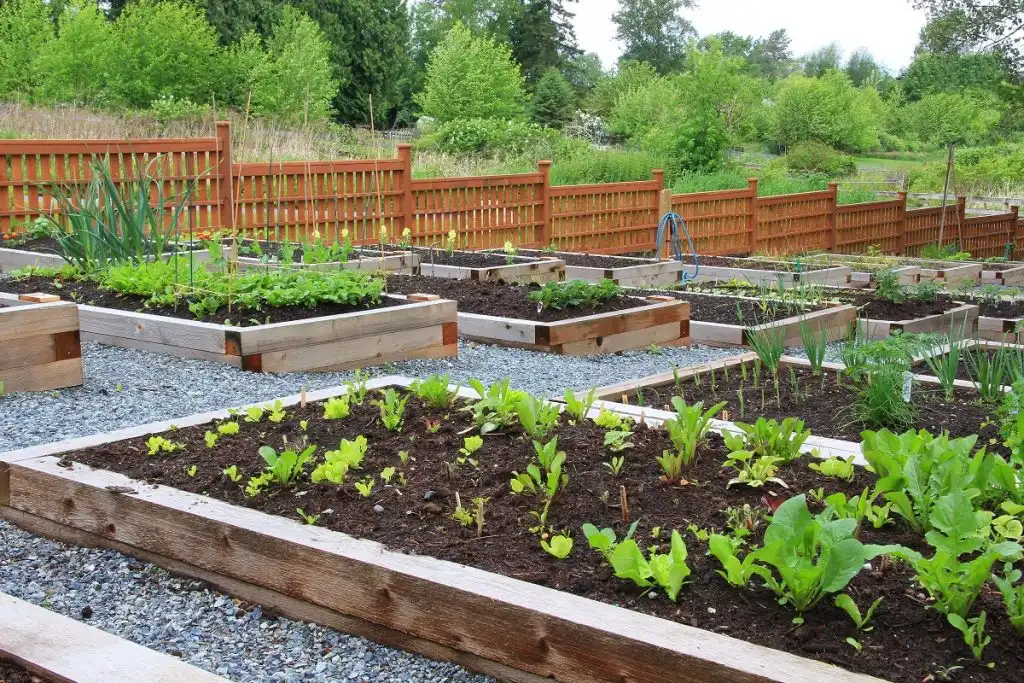
To make a drought-tolerant garden in Zone 7, knowing your local microclimate is key. This knowledge helps you pick the right plants, prepare the soil, and figure out how to water.
Best Planting Seasons for Establishment
In Zone 7, the best times to plant are spring and fall. These seasons have milder temperatures and more rain. This makes it easier for plants to grow strong before summer’s dry weather hits.
Soil Preparation Techniques
Getting your soil ready is vital for a drought-tolerant garden. Adding organic matter like compost helps it hold water and drain well. For sandy soils, adding clay or compost helps keep moisture in. Sandy amendments help clay soils drain better.
Watering Strategies During Establishment
When plants are new, water them deeply but not too often. This encourages deep roots. As they grow, they’ll need less water. But during long dry spells, some extra watering might be needed to keep them healthy.

Long-term Maintenance Tips
Keeping a drought-tolerant garden going takes some work. Mulching around plants helps keep the soil moist and stops weeds. Check your garden often for signs of trouble and act fast to stop problems.
Mulching Methods
Good mulching means picking the right stuff and using it right. Organic mulches like wood chips or bark work well. Put on 2-3 inches around plants, but keep it a few inches from stems to avoid rot.
Dealing with Extreme Drought
Even drought-tolerant plants can get stressed in extreme dry spells. Keep an eye on the weather and water them extra when needed. Using rainwater harvesting is also a smart way to water your garden.

Conclusion: Embracing Drought-Tolerant Beauty in Your Zone7 Garden
Adding drought-tolerant native flowers to your Zone7 garden makes it beautiful and strong. Plants like Black-Eyed Susan and Butterfly Weed bring color and help local pollinators and wildlife.
Choosing plants that fit the local climate makes gardening in Zone7 better. These plants need less water, are easier to care for, and help the environment.
When planning your garden, think about using native plants. They’re made for Zone7’s weather. This choice makes your garden more sustainable and beautiful, while also helping the local ecosystem.