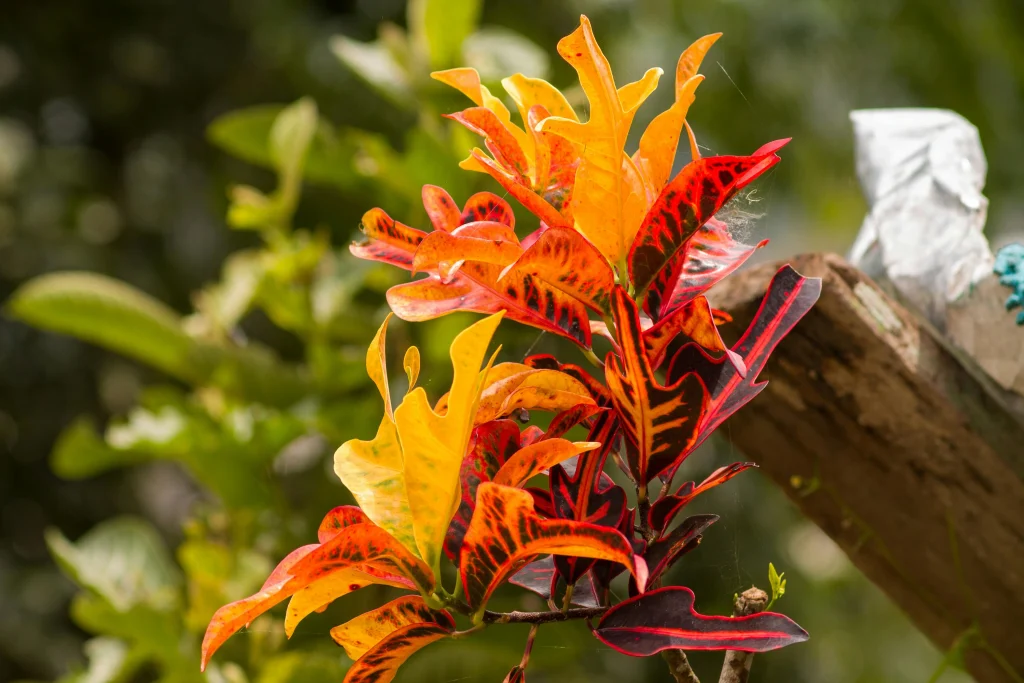
Croton plants (Codiaeum variegatum), with their vibrant, multicolored leaves, are a popular choice for adding a splash of color to homes and gardens. However, if you’re a cat owner, you might be wondering whether these striking plants are safe for your feline friend. Unfortunately, croton plants toxic to cats, and understanding the risks can help you keep your pet safe. In this blog, we’ll explore the toxicity of croton plants, symptoms to watch for, and steps to protect your cat.
Why Are Croton Plants Toxic to Cats?
Croton plants contain compounds that are toxic to cats, dogs, and other animals. The exact toxic substances are not fully identified, but the plant’s sap, leaves, stems, and roots can cause irritation and illness when ingested or even when they come into contact with a cat’s skin or eyes. The sap, in particular, is known to be irritating due to its chemical makeup, which can affect a cat’s digestive system and mucous membranes.
Symptoms of Croton Plant Toxicity in Cats
If your cat chews on or ingests parts of a croton plant, they may exhibit a range of symptoms. The severity depends on the amount consumed and your cat’s sensitivity. Common symptoms include:
- Mouth and Throat Irritation: Excessive drooling, pawing at the mouth, or difficulty swallowing due to the irritating sap.
- Vomiting: Cats may vomit as their body tries to expel the toxic material.
- Diarrhea: Gastrointestinal upset can lead to loose stools or diarrhea.
- Loss of Appetite: Your cat may refuse food due to nausea or discomfort.
- Lethargy: A general lack of energy or weakness may occur in more severe cases.
- Skin or Eye Irritation: If the sap contacts the skin or eyes, it may cause redness, itching, or swelling.
In rare cases, ingesting large amounts of the plant could lead to more serious symptoms, such as difficulty breathing or severe gastrointestinal distress. Immediate veterinary attention is crucial if you notice these signs.
What to Do If Your Cat Ingests a Croton Plant
If you suspect your cat has chewed on or ingested a croton plant, act quickly:
- Remove Plant Material: Gently remove any plant pieces from your cat’s mouth, if safe to do so.
- Rinse Affected Areas: If sap has contacted your cat’s skin or eyes, rinse the area with clean water to reduce irritation.
- Contact Your Veterinarian: Call your vet or an emergency pet poison hotline (like the ASPCA Animal Poison Control Center at 888-426-4435) for guidance. Provide details about what your cat consumed and any symptoms observed.
- Monitor Your Cat: Keep an eye on your cat’s behavior and symptoms while awaiting professional advice.
Your veterinarian may recommend treatments such as inducing vomiting, administering activated charcoal to absorb toxins, or providing supportive care like fluids to help your cat recover.
How to Keep Your Cat Safe Around Croton Plants
To prevent croton plant toxicity, consider these precautions:
- Place Plants Out of Reach: Keep croton plants in areas your cat can’t access, such as high shelves or rooms your cat doesn’t enter. Hanging planters can also work, but ensure they’re secure.
- Use Barriers: Place plants in enclosed terrariums or use protective covers to block access.
- Supervise Your Cat: If your cat is curious or prone to chewing plants, monitor them closely when they’re near houseplants.
- Choose Cat-Safe Alternatives: Consider replacing croton plants with non-toxic options like spider plants, Boston ferns, or catnip, which are safe for cats and add greenery to your home.
- Educate Yourself: Familiarize yourself with other common toxic plants, such as lilies, aloe, or pothos, to ensure your home is a safe environment for your pet.
What If You Want to Keep Your Croton Plant?
If you love your croton plant and want to keep it, you can still create a pet-safe environment. In addition to placing the plant out of reach, you can train your cat to avoid it by using deterrents like citrus-scented sprays or double-sided tape around the plant’s base, as cats dislike these textures and smells. Regularly inspect your plant for signs of chewing, and act promptly if you notice any damage.
Conclusion
Croton plants may be beautiful, but they pose a risk to cats due to their toxic properties. By recognizing the signs of toxicity, acting quickly if ingestion occurs, and taking preventive measures, you can protect your feline companion while still enjoying your houseplants. If you’re unsure about the safety of any plant in your home, consult your veterinarian or check resources like the ASPCA’s list of toxic and non-toxic plants. Keeping your cat safe doesn’t mean sacrificing your love for plants—it just means making informed choices to create a harmonious, pet-friendly home.