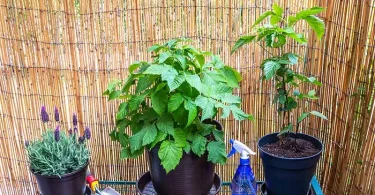
Cosmos flowers, known for their vibrant, daisy-like blooms and feathery foliage, are a delightful addition to any garden. Native to Mexico and Central America, these annuals or perennials (depending on the species) come in shades of pink, white, red, yellow, and orange, attracting pollinators like bees and butterflies. For example, their airy growth and long blooming season make them ideal for borders, containers, or wildflower gardens. Consequently, this guide provides expert tips to grow cosmos flowers, ensuring a stunning, colorful display in your garden.
Why Grow Cosmos Flowers?
Cosmos flowers are prized for their ease of growth, vibrant colors, and low maintenance. For instance, they bloom profusely from summer to fall, adding cheerful beauty to landscapes. Moreover, their nectar-rich flowers support pollinators, enhancing garden biodiversity. Hardy in USDA zones 2–11 as annuals (and zones 9–11 as perennials for some species), cosmos are versatile for various climates. As a result, they’re perfect for both novice and experienced gardeners seeking a vibrant, hassle-free garden.
Popular Cosmos Species to Grow
1. Cosmos bipinnatus
- Description: Features large, single or double blooms (2–4 inches) in pink, white, or red, with feathery, fern-like leaves. Grows 2–6 feet tall.
- Best For: Borders, cottage gardens, or cut flower arrangements.
- Fun Fact: Known as “Mexican aster,” it’s a favorite for pollinator gardens.
2. Cosmos sulphureus
- Description: Boasts bright yellow, orange, or red flowers (1–2 inches) and slightly coarser foliage. Grows 1–3 feet tall, ideal for smaller spaces.
- Best For: Containers, edging, or hot, dry climates.
- Fun Fact: Its vivid colors thrive in heat, earning it the nickname “yellow cosmos.”
3. Cosmos caudatus
- Description: A less common species with pink or white blooms and edible leaves used in Southeast Asian cuisine. Grows 3–6 feet tall.
- Best For: Ornamental and culinary gardens.
- Fun Fact: Leaves have a tangy flavor, often used in salads or garnishes.
Step-by-Step Guide to Growing Cosmos Flowers
1. Choose Quality Seeds or Plants
- Sourcing: Purchase seeds or young plants from reputable nurseries. For example, look for fresh seeds or healthy seedlings with green, undamaged leaves.
- Varieties: Select based on your garden’s needs. For instance, ‘Sonata’ (dwarf C. bipinnatus) suits containers, while ‘Cosmic Orange’ (C. sulphureus) adds bold color.
- Timing: Buy seeds in late winter or early spring for sowing after the last frost.
2. Select the Ideal Location
- Light: Cosmos thrive in full sun, requiring 6–8 hours of direct sunlight daily for maximum blooms. However, they tolerate partial shade in hotter climates.
- Soil Type: They prefer well-draining, moderately fertile soil with a pH of 6.0–7.0. For example, sandy or loamy soils work well, but cosmos tolerate poor soils.
- Site Considerations: Choose a spot with good air circulation to prevent fungal diseases. Additionally, avoid overly rich soils, which can lead to excessive foliage and fewer flowers.
3. Prepare the Soil
- Loosen the Soil: Dig to a depth of 8–12 inches to promote root growth. Remove rocks or debris for even planting.
- Amend the Soil: Mix in compost or aged manure to improve fertility, but avoid over-enriching to prevent lush foliage at the expense of blooms. For instance, a light application of compost is sufficient.
- Test Drainage: Water the area; it should drain within a few hours. If not, add sand or use raised beds to improve drainage.
- Soil Testing (Optional): Use a soil test kit to confirm pH, adjusting with lime (to raise) or sulfur (to lower) if needed.
4. Planting Cosmos Seeds or Seedlings
- Timing: Sow seeds outdoors after the last frost (April–May in most regions) when soil temperatures reach 60°F. Alternatively, start seeds indoors 4–6 weeks before the last frost in cooler zones (2–7).
- Seed Planting:
- Scatter seeds on the soil surface and cover lightly with ¼ inch of soil.
- Space seeds 6–12 inches apart, thinning seedlings to 12–18 inches for mature plants.
- Water gently to settle the soil.
- Seedling Planting:
- Dig a hole as deep as the root ball and twice as wide.
- Place the seedling, backfill with soil, and water thoroughly.
- Support: For taller varieties (e.g., C. bipinnatus), insert stakes at planting to support stems in windy areas.
5. Care for Cosmos Plants
- Watering: Water seedlings regularly to keep soil moist but not soggy, about 1 inch per week. Once established, cosmos are drought-tolerant, needing water only during prolonged dry spells. For example, water every 7–10 days in hot weather.
- Fertilizing: Apply a balanced fertilizer (e.g., 10-10-10) at planting, then sparingly every 6–8 weeks. Over-fertilizing can reduce blooms, so use a light hand. Alternatively, use a bloom-boosting fertilizer (e.g., 5-10-10) for more flowers.
- Deadheading: Remove spent blooms to encourage continuous flowering. For instance, snip faded flowers just above a leaf node to promote new buds.
- Mulching: Apply a 1–2 inch layer of organic mulch (e.g., straw or bark) to retain moisture and suppress weeds. Keep mulch away from stems to avoid rot.
- Pest and Disease Management: Monitor for aphids, spider mites, or fungal issues like powdery mildew. Therefore, treat pests with insecticidal soap or neem oil and ensure good air circulation to prevent diseases.
6. Growing Cosmos in Containers
- Pot Selection: Use containers 8–12 inches wide with drainage holes. For example, dwarf varieties like ‘Sonata’ are ideal for pots.
- Soil Mix: Combine potting soil, compost, and perlite (2:1:1 ratio) for drainage and fertility.
- Care: Place in full sun, water when the top inch of soil is dry, and fertilize monthly. Move indoors or to a sheltered area in zones 2–7 before frost. Consequently, containers allow flexibility for small spaces or cooler climates.
7. Overwintering and Seed Saving
- Zones 9–11: Some cosmos (C. sulphureus) may perennialize with mulching (2–3 inches of straw or bark) to protect roots from light frosts. Prune frost-damaged growth in spring.
- Zones 2–8: Treat as annuals or save seeds for replanting. For example, collect dry seed heads in fall, store in a cool, dry place, and sow next spring.
- Indoor Care: In cooler zones, grow in containers and bring indoors before frost, placing in a sunny window or under grow lights with reduced watering.
Common Challenges and Solutions
- Few Blooms: Insufficient light or over-fertilizing with nitrogen. Therefore, ensure full sun and use a low-nitrogen, high-phosphorus fertilizer.
- Leggy Growth: Too much shade or rich soil. For instance, move to a sunnier spot and avoid over-fertilizing to promote compact growth.
- Pests: Aphids or spider mites may appear. Consequently, treat with insecticidal soap or neem oil and attract beneficial insects like ladybugs.
- Powdery Mildew: Caused by poor air circulation or wet foliage. Thus, space plants properly, water at the base, and apply fungicides if needed.
Tips for Success
- Cut Flower Use: Harvest cosmos in the morning when blooms are partially open for long-lasting bouquets. For example, place stems in water immediately to extend vase life.
- Companion Planting: Pair with zinnias, marigolds, or lavender to attract pollinators and create a vibrant display. Consequently, this enhances garden beauty and health.
- Zone Considerations: In zones 2–8, grow as annuals or overwinter seeds. In contrast, zones 9–11 support perennial growth for some species with protection.
- Self-Seeding: Allow some flowers to go to seed for natural reseeding next season, especially in mild climates.
- Pollinator Gardens: Plant cosmos in clusters to attract more bees and butterflies, boosting pollination for nearby crops.
Fun Facts About Cosmos Flowers
- Cultural Significance: In Mexico, cosmos are celebrated in festivals, symbolizing joy and harmony.
- Edible Flowers: Cosmos petals are edible, adding a mild, floral flavor to salads or garnishes (avoid if treated with pesticides).
- Fast Growth: Cosmos can bloom just 6–8 weeks after sowing, making them ideal for quick garden color.
Troubleshooting Table
| Issue | Cause | Solution |
|---|---|---|
| Few or no blooms | Low light or excess nitrogen | Ensure 6–8 hours of sun, use high-phosphorus fertilizer. |
| Leggy growth | Too much shade or rich soil | Move to full sun, avoid over-fertilizing, prune for compactness. |
| Pests | Aphids or spider mites | Treat with insecticidal soap or neem oil; attract beneficial insects. |
| Powdery mildew | Poor air circulation, wet foliage | Space plants properly, water at the base, apply fungicides if needed. |
Conclusion
Growing cosmos flowers is a vibrant and rewarding way to fill your garden with colorful, easy-care blooms. With their ability to thrive in various conditions and attract pollinators, cosmos elevate any landscape. For example, by providing proper light, minimal fertilization, and regular deadheading, you’ll enjoy a stunning display all season long. Start planting cosmos today, and transform your garden into a vibrant, blooming paradise!