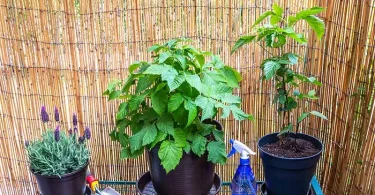
Pomegranate plants (Punica granatum) are stunning additions to any garden, renowned for their vibrant, ruby-red fruits, glossy green foliage, and delicate, trumpet-shaped flowers. Native to the Middle East and South Asia, these versatile shrubs or small trees produce juicy, antioxidant-rich fruits that are perfect for fresh eating, juicing, or culinary use. Growing pomegranate plants is rewarding with proper care, offering both ornamental beauty and delicious harvests. This guide will walk you through every step to successfully grow pomegranate plants in your garden or containers.
Why Grow Pomegranate Plants?
Pomegranates are prized for their flavorful, nutrient-packed fruits, which are rich in vitamins C and K, folate, and antioxidants. Their bright red or orange flowers attract pollinators like bees and hummingbirds, enhancing garden biodiversity. Hardy in USDA zones 7–10, pomegranates thrive in warm, arid climates but can be grown in containers in cooler regions. Their drought tolerance and striking appearance make them ideal for low-maintenance landscapes or edible gardens.
Step-by-Step Guide to Growing Pomegranate Plants
1. Choose the Right Pomegranate Variety
- Quality Plants: Select healthy, disease-free plants or bare-root specimens from a reputable nursery. Look for strong stems, vibrant leaves, and no signs of pests or damage.
- Popular Varieties:
- ‘Wonderful’ (large, juicy red fruits, widely grown).
- ‘Angel Red’ (early-ripening, soft-seeded).
- ‘Nana’ (dwarf, ideal for containers, ornamental).
- ‘Ambrosia’ (extra-large fruits, sweet-tart flavor).
- Timing: Purchase and plant in early spring (March–April) for best establishment, or in fall in warmer climates.
2. Select the Ideal Location
- Sunlight: Pomegranates thrive in full sun, requiring 6–8 hours of direct sunlight daily for optimal fruit production and flowering.
- Soil Type: They prefer well-draining, loamy or sandy soil with a pH of 5.5–7.0. Pomegranates tolerate poor soils but perform best with amendments.
- Site Considerations: Choose a spot with good air circulation and protection from strong winds to prevent branch damage. Ensure space for mature size (8–20 feet tall and wide, depending on variety).
3. Prepare the Soil
- Loosen the Soil: Dig to a depth of 18–24 inches to promote deep root growth. Remove rocks or debris to ensure even rooting.
- Amend the Soil: Mix in compost or well-rotted manure to improve fertility. For heavy clay soils, add sand or perlite to enhance drainage.
- Test Drainage: Water the area and ensure it drains within a few hours. If water pools, use raised beds or additional amendments to prevent root rot.
- Soil Testing (Optional): Use a soil test kit to check pH and nutrient levels. Adjust with lime (to raise pH) or sulfur (to lower pH) if needed.
4. Plant the Pomegranate
- Timing: Plant in early spring after the last frost in zones 7–10. In cooler zones (5–6), grow in containers and bring indoors before frost.
- Planting Method:
- Dig a hole twice as wide and as deep as the root ball.
- Place the plant so the top of the root ball is level with the soil surface. For bare-root plants, spread roots evenly over a small soil mound in the hole.
- Backfill with soil, firm gently, and water thoroughly to settle the roots.
- Spacing: Space plants 10–20 feet apart for shrubs or trees, or 6–8 feet for hedges, depending on variety.
- Watering: Water deeply after planting and keep soil moist (but not soggy) for the first 4–6 weeks to establish roots.
5. Care for Your Pomegranate Plant
- Watering: Provide 1–2 inches of water per week during the first year. Once established, pomegranates are drought-tolerant; water every 2–3 weeks in dry periods. Avoid overwatering to prevent root rot.
- Fertilizing: Apply a balanced fertilizer (e.g., 10-10-10) in early spring and mid-summer. Use a high-potassium fertilizer (e.g., 5-10-15) during fruiting to boost yield. Avoid over-fertilizing, which can reduce fruiting.
- Pruning: Prune in late winter or early spring to remove dead, damaged, or crossing branches and to shape the plant. For shrubs, maintain an open center; for trees, train to a single trunk. Thin suckers at the base to focus energy on fruit production.
- Mulching: Apply a 2–3 inch layer of organic mulch (e.g., bark, straw, or wood chips) around the base to retain moisture, suppress weeds, and regulate soil temperature.
- Pest and Disease Management: Monitor for pests like aphids, whiteflies, or pomegranate fruit worms. Use insecticidal soap or neem oil for pests. Prevent fungal issues like leaf spot by ensuring good air circulation and avoiding overhead watering.
6. Growing Pomegranates in Containers
- Pot Selection: Use a container at least 18–24 inches wide and deep with drainage holes. Terracotta or plastic pots work well.
- Soil Mix: Fill with a well-draining mix of potting soil, compost, and perlite or sand (2:1:1 ratio).
- Care: Place in full sun, water when the top inch of soil is dry, and fertilize monthly during spring and summer. Prune to maintain size and shape. Move indoors before frost in zones 5–6.
- Varieties: Choose dwarf varieties like ‘Nana’ or ‘State Fair’ for containers.
7. Harvesting Pomegranates
- Timing: Harvest fruits in late summer to fall (September–November) when they turn deep red or yellow and feel heavy. The skin may split slightly when ripe.
- Method: Cut fruits from the branch with pruning shears, leaving a short stem. Handle gently to avoid bruising.
- Storage: Store whole pomegranates at room temperature for up to 1 month or in the refrigerator (32–40°F) for 2–3 months. Extracted arils can be frozen for up to 6 months.
8. Overwintering and Protection
- Zones 7–10: Mulch heavily (4–6 inches) around the base in late fall to protect roots from light frosts. Prune frost-damaged branches in spring.
- Zones 5–6: Grow in containers and move indoors before the first frost. Place in a sunny window or under grow lights, keeping temperatures at 50–60°F and watering sparingly.
- Frost Protection: Cover outdoor plants with frost cloth during unexpected cold snaps in marginal zones.
Common Challenges and Solutions
- Few or No Fruits: Insufficient sunlight, over-fertilizing with nitrogen, or young plants. Ensure full sun, use a high-potassium fertilizer, and note that plants may take 2–3 years to fruit.
- Yellowing Leaves: Overwatering, poor drainage, or nutrient deficiency. Adjust watering, improve drainage, and apply a balanced fertilizer.
- Pests: Aphids, whiteflies, or pomegranate fruit worms may affect plants. Use insecticidal soap, neem oil, or introduce beneficial insects like ladybugs.
- Fruit Splitting: Inconsistent watering or heavy rain. Maintain even moisture and mulch to stabilize soil conditions.
Tips for Success
- Pollination Boost: Hand-pollinate flowers with a small brush to improve fruit set, especially for container plants.
- Pruning for Shape: Train pomegranates as shrubs, trees, or hedges depending on your garden design. Regular pruning enhances fruit quality.
- Container Gardening: Use dwarf varieties in pots for patios or balconies, ensuring a sunny location.
- Zone Considerations: In zones 5–6, grow in containers and overwinter indoors. In zones 7–10, pomegranates thrive outdoors with minimal protection.
- Culinary Uses: Use arils in salads, smoothies, or desserts, or extract juice for beverages and sauces.
Fun Facts About Pomegranate Plants
- Cultural Significance: Pomegranates symbolize fertility, abundance, and prosperity in many cultures, often featured in art and mythology.
- Longevity: With proper care, pomegranate plants can live for decades, producing fruit for 15–20 years or more.
- Superfood Status: Pomegranate arils are packed with antioxidants, linked to heart health and anti-inflammatory benefits.
Troubleshooting Table
| Issue | Cause | Solution |
|---|---|---|
| Few or no fruits | Low light or excess nitrogen | Ensure 6–8 hours of sun, use high-potassium fertilizer, wait for maturity. |
| Yellowing leaves | Overwatering or nutrient deficiency | Reduce watering, improve drainage, apply balanced fertilizer. |
| Pests | Aphids, whiteflies, or fruit worms | Use insecticidal soap or neem oil; introduce beneficial insects. |
| Fruit splitting | Inconsistent watering | Maintain even moisture, mulch to stabilize soil conditions. |
Conclusion
Growing pomegranate plants is a delightful way to bring stunning beauty and juicy, flavorful fruits to your garden. With their vibrant flowers and resilient nature, pomegranates elevate any landscape. By selecting a suitable variety, providing proper care, and addressing challenges promptly, you’ll enjoy a bountiful harvest. Start your pomegranate journey this spring, and let these remarkable plants transform your garden with their vibrant charm!