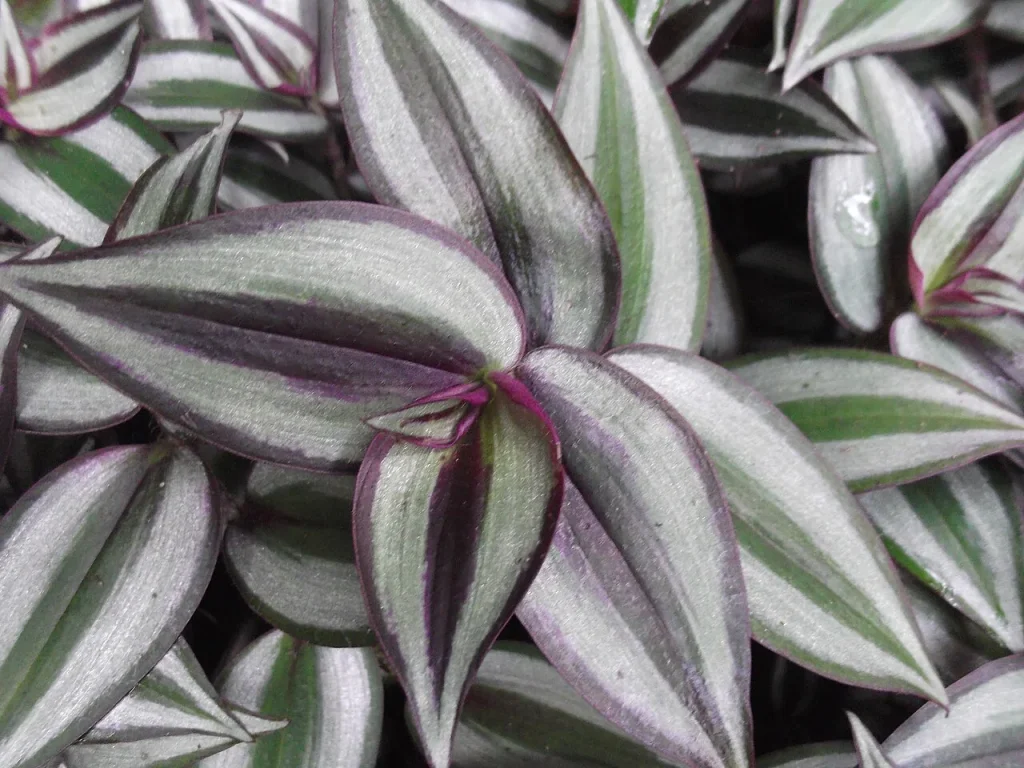
Houseplants bring life, color, and beauty to our homes, but not every plant is safe for our furry companions. If you’re a cat owner, you might have heard concerns about the Wandering Jew plant. Known for its vibrant purple-and-green leaves, it’s a favorite among plant lovers. However, it also comes with a warning: the Wandering Jew plant toxic to cats.
Let’s explore why, what symptoms to watch for, and how you can keep both your plants and pets safe.
What is the Wandering Jew Plant?
The Wandering Jew (scientific name Tradescantia zebrina and related species) is a fast-growing, trailing plant native to Central and South America. It’s prized for its colorful foliage, making it a popular choice for hanging baskets, tabletops, and gardens.
But beneath that beauty lies a problem for cat owners—it contains compounds that can irritate your pet’s skin and digestive system.
Why is the Wandering Jew Plant Toxic to Cats?
The toxicity in the Wandering Jew plant comes from calcium oxalate crystals and other irritants in its sap. These compounds are part of the plant’s natural defense system against herbivores.
When a curious cat chews on or rubs against the plant, the sap can cause:
- Skin irritation
- Mouth discomfort
- Digestive upset
Symptoms of Wandering Jew Plant Poisoning in Cats
If your cat has come into contact with or eaten parts of the Wandering Jew plant, you may notice symptoms within a few hours. Common signs include:
- Skin redness and rash, especially around the mouth, chin, or paws
- Itching or frequent scratching
- Excessive drooling
- Swelling around the lips or tongue
- Vomiting or diarrhea
- Reduced appetite
While the toxicity is usually mild to moderate, it can be very uncomfortable for your cat. Prolonged exposure or repeated contact can make the symptoms worse.
What to Do if Your Cat is Exposed
If you suspect your cat has chewed or rubbed against a Wandering Jew plant:
- Remove plant material from the cat’s fur and mouth.
- Rinse the affected skin gently with lukewarm water to reduce irritation.
- Offer fresh water to help flush the mouth.
- Call your veterinarian for advice—especially if symptoms persist or worsen.
For skin irritation, your vet may recommend a mild pet-safe ointment. For ingestion, they may suggest supportive care to ease discomfort.
How to Prevent Exposure
Cats are naturally curious, so preventing plant-related accidents means thinking ahead.
Place Plants Out of Reach
Hanging baskets or high shelves can reduce the chances of your cat reaching the Wandering Jew. However, remember that cats can jump impressively high!
Use Cat Deterrents
Some pet owners use citrus peels, motion-activated sprays, or non-toxic plant sprays to keep cats away from dangerous plants.
Choose Pet-Safe Plants
If you can’t guarantee your cat won’t nibble, consider replacing toxic plants with cat-friendly alternatives.
Safe Alternatives to the Wandering Jew Plant
Here are some pet-safe options that still give you a pop of color indoors:
- Spider Plant (Chlorophytum comosum) – Attractive green and white leaves, easy to grow.
- Areca Palm (Dypsis lutescens) – Adds a tropical touch without harming pets.
- Calathea – Known for its bold leaf patterns and safe for cats.
- Boston Fern (Nephrolepis exaltata) – Lush and pet-safe.
These plants give you beauty without the worry of harming your cat.
Why Awareness Matters
Many pet owners don’t realize that common houseplants can cause health problems for cats. The Wandering Jew plant may not be deadly, but it can cause significant discomfort and stress for both you and your pet. Awareness means you can take steps to protect your furry family member.
Final Thoughts
The Wandering Jew plant is toxic to cats, mainly due to irritating compounds in its sap. While it may not cause severe poisoning, it can lead to skin irritation, mouth discomfort, and digestive issues.
If you own cats, it’s best to keep this plant out of reach—or replace it with a pet-safe alternative. That way, you can enjoy your indoor greenery without compromising your pet’s safety.
Your cat’s health and comfort are worth the extra effort. With a little planning, you can create a home that’s both beautiful and pet-friendly.