Creating a fruit garden is a rewarding way to enjoy fresh, homegrown produce while enhancing your outdoor space with beauty and functionality. A well-planned fruit garden layout maximizes space, ensures healthy plant growth, and simplifies maintenance. Whether you have a large backyard or a small urban plot, designing a fruit garden tailored to your needs is achievable with the right approach. This guide explores stunning fruit garden layout ideas for 2025, offering expert tips to design, plant, and maintain a thriving, productive garden.
Why Plan a Fruit Garden Layout?
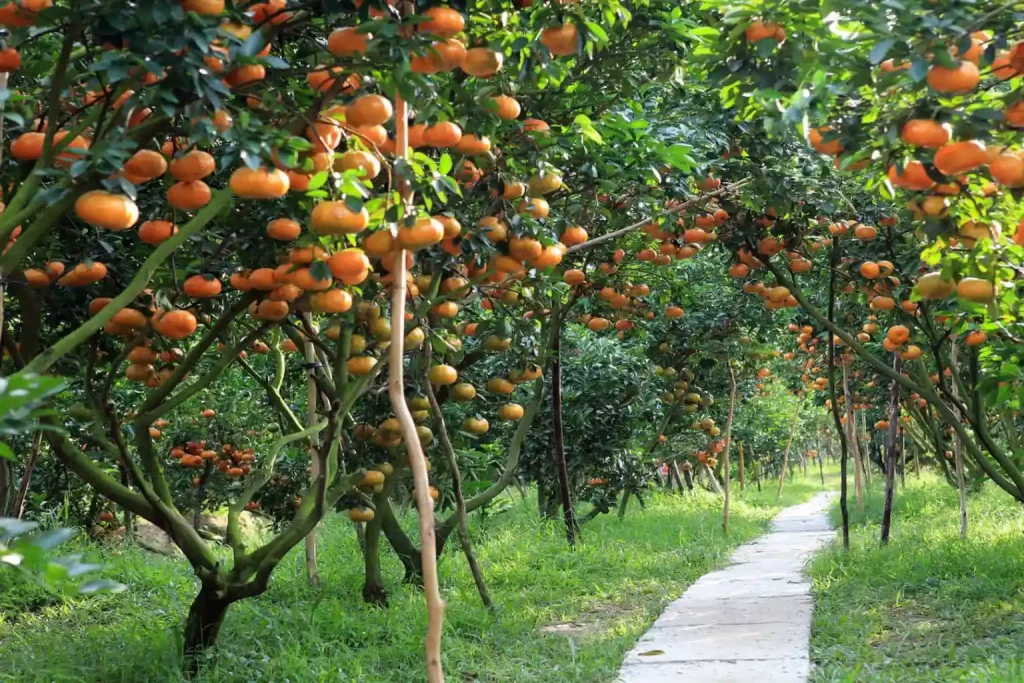
A thoughtful fruit garden layout optimizes sunlight, soil conditions, and space, ensuring healthy trees, shrubs, and vines. It enhances accessibility for care and harvesting, improves pollination, and creates an aesthetically pleasing space. Fruit gardens provide fresh fruits like apples, berries, or citrus, packed with nutrients, while attracting pollinators like bees and butterflies. With trends in 2025 emphasizing sustainability and edible landscaping, a fruit garden is both practical and visually stunning.
Key Considerations for Fruit Garden Layout
- Space Availability: Assess your garden size to determine whether to plant trees, shrubs, or container fruits.
- Sunlight: Most fruit plants require 6–8 hours of direct sunlight daily for optimal growth and fruit production.
- Soil Type: Fruit plants prefer well-draining, fertile soil with a pH of 6.0–7.0. Test and amend soil as needed.
- Climate and Zones: Choose fruit varieties suited to your USDA hardiness zone (e.g., zones 3–10, depending on the plant).
- Pollination Needs: Some fruits (e.g., apples, pears) require cross-pollination, so plan for compatible varieties nearby.
- Accessibility: Ensure pathways for easy maintenance, harvesting, and pest control.
Stunning Fruit Garden Layout Ideas for 2025
1. The Orchard Grid Layout
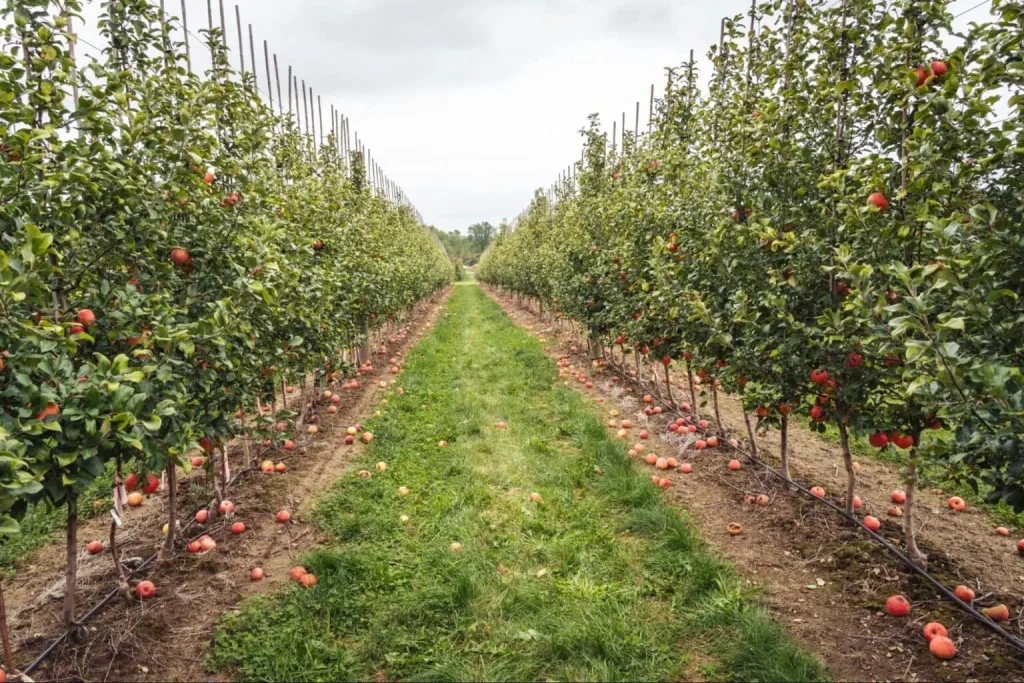
- Description: A classic layout with fruit trees planted in rows, ideal for larger spaces (1/4 acre or more).
- Best For: Apples, pears, cherries, or peaches.
- Design Tips:
- Space standard trees 15–20 feet apart, dwarf trees 8–10 feet apart, in a grid pattern for easy access.
- Plant in full sun, aligning rows north-south to maximize light exposure.
- Include pathways (2–3 feet wide) covered with mulch or gravel for accessibility.
- 2025 Trend: Incorporate pollinator-friendly plants like lavender or clover between rows to boost yields and add beauty.
- Pros: High yield, organized, easy to mow or maintain.
- Cons: Requires significant space; not ideal for small gardens.
2. The Mixed Edible Border
- Description: A compact layout blending fruit shrubs, vines, and perennials along garden edges or fences.
- Best For: Blueberries, raspberries, grapes, or strawberries.
- Design Tips:
- Plant taller shrubs (e.g., blueberries) at the back, medium-height plants (e.g., raspberries) in the middle, and low-growers (e.g., strawberries) in front.
- Use trellises or fences for climbing fruits like grapes or kiwi.
- Add companion plants like marigolds to deter pests.
- 2025 Trend: Use vertical gardening with espaliered fruit trees (e.g., apples) along walls for space-saving elegance.
- Pros: Space-efficient, visually appealing, great for small gardens.
- Cons: May require more frequent pruning to maintain structure.
3. The Container Fruit Garden
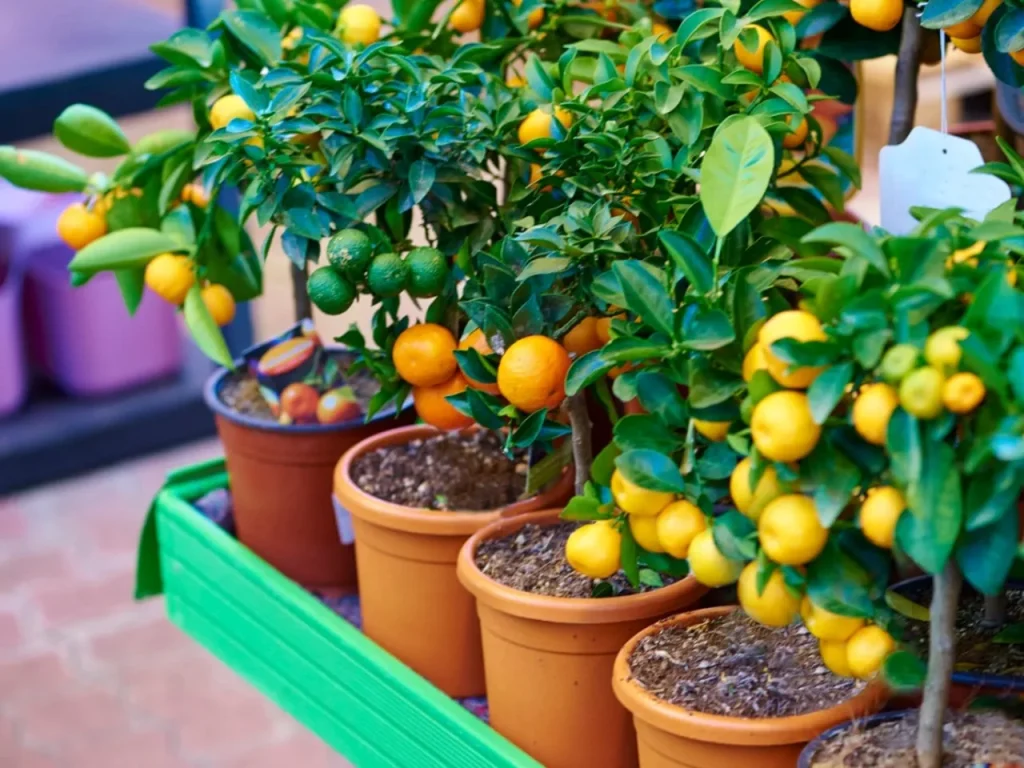
- Description: A flexible layout using pots for fruit plants, perfect for patios, balconies, or small spaces.
- Best For: Dwarf citrus, figs, strawberries, or dwarf apple trees.
- Design Tips:
- Use pots (12–18 inches wide) with drainage holes, filled with a mix of potting soil, compost, and perlite (2:1:1).
- Arrange pots in clusters for visual impact, placing taller plants (e.g., dwarf citrus) as focal points.
- Ensure full sun and rotate pots for even light exposure.
- 2025 Trend: Incorporate self-watering pots or smart irrigation systems for low-maintenance care.
- Pros: Portable, ideal for urban gardens, frost protection by moving indoors.
- Cons: Limited yield, requires regular watering and fertilizing.
4. The Circular Espalier Garden
- Description: A decorative layout with fruit trees trained flat in circular or semi-circular patterns around a central feature (e.g., a bench or water feature).
- Best For: Apples, pears, or plums trained as espaliers.
- Design Tips:
- Plant dwarf or semi-dwarf trees in a circle, spacing 6–8 feet apart, and train branches along wires or trellises in fan or cordon shapes.
- Place in full sun with well-draining soil.
- Add a central focal point like a birdbath or herb spiral for aesthetics.
- 2025 Trend: Use low-maintenance, disease-resistant varieties like ‘Liberty’ apples for easier care.
- Pros: Space-saving, artistic, high visual impact.
- Cons: Requires training and pruning expertise.
5. The Permaculture Food Forest
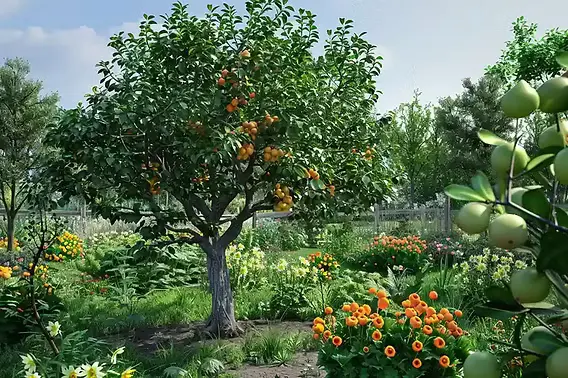
- Description: A layered layout mimicking natural ecosystems, combining fruit trees, shrubs, vines, and ground covers.
- Best For: Mixed fruits like apples, cherries, currants, and strawberries.
- Design Tips:
- Layer plants by height: tall trees (e.g., apples) at the back, shrubs (e.g., blueberries) in the middle, vines (e.g., grapes), and ground covers (e.g., strawberries) at the base.
- Incorporate nitrogen-fixing plants (e.g., clover) and mulch to enrich soil.
- Design winding paths for access and a natural aesthetic.
- 2025 Trend: Integrate edible perennials like rhubarb or asparagus for year-round harvests.
- Pros: Sustainable, biodiverse, low-maintenance once established.
- Cons: Takes years to mature, requires planning for light and space.
Step-by-Step Guide to Creating Your Fruit Garden Layout
1. Plan Your Layout
- Sketch Your Design: Draw a map of your garden, noting sunlight patterns, soil conditions, and existing features. Use graph paper or digital tools for precision.
- Choose Plants: Select fruit varieties suited to your climate, space, and pollination needs. Check local nursery catalogs for 2025-recommended varieties.
- Consider Maintenance: Plan for irrigation, pathways, and access to pruning or harvesting tools.
2. Prepare the Soil
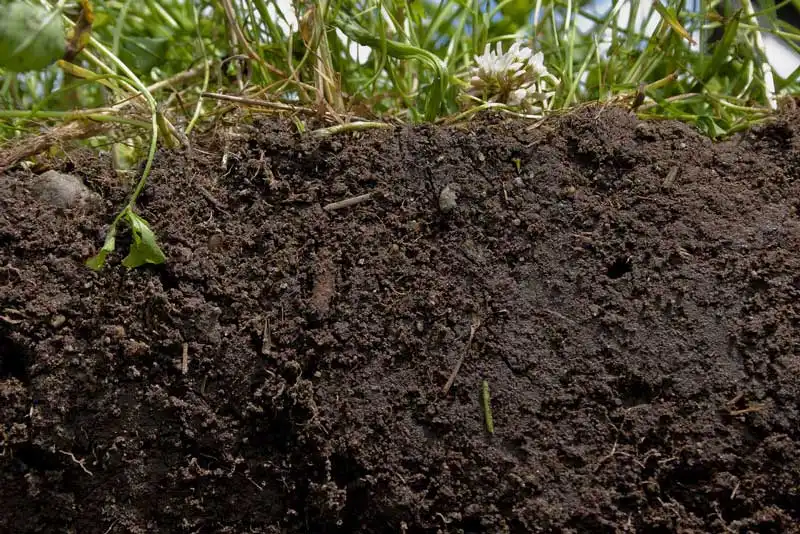
- Test Soil: Use a soil test kit to check pH (6.0–7.0 ideal) and nutrient levels. Amend with compost, manure, or lime/sulfur as needed.
- Loosen Soil: Dig to 12–18 inches to promote root growth. Remove rocks or debris.
- Improve Drainage: For heavy soils, add sand or organic matter, or use raised beds.
3. Plant Your Fruit Garden
- Timing: Plant in early spring or fall for most fruit plants. Bare-root trees are best planted in early spring, while potted plants can go in anytime during the growing season.
- Planting Method:
- Dig holes twice as wide and as deep as the root ball.
- Place plants at the same depth as in their nursery pots, spreading roots gently.
- Backfill with soil, firm gently, and water thoroughly.
- Spacing: Follow variety-specific spacing (e.g., 8–10 feet for dwarf trees, 2–3 feet for berry bushes).
4. Care for Your Fruit Garden
- Watering: Provide 1–2 inches of water weekly during establishment, reducing once plants are established. Use drip irrigation for efficiency.
- Fertilizing: Apply a balanced fertilizer (e.g., 10-10-10) in spring, followed by a high-potassium fertilizer (e.g., 5-10-10) for fruit production.
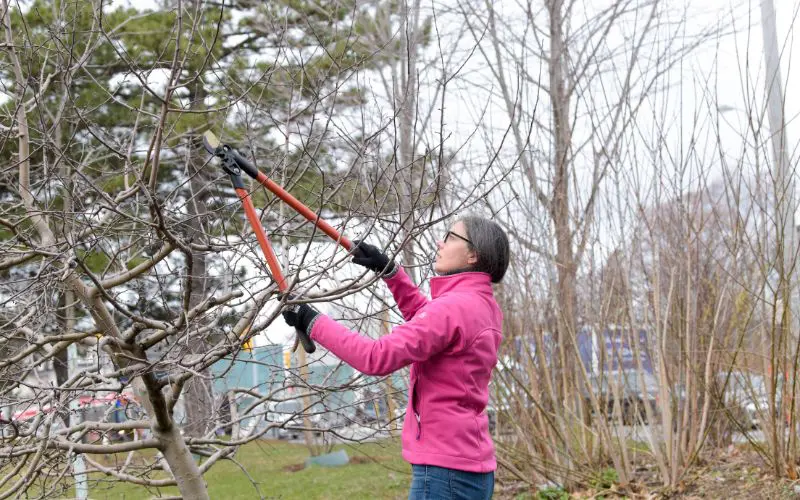
- Pruning: Prune fruit trees in late winter to shape and remove dead wood. Trim berry bushes after fruiting to encourage new growth.
- Pest and Disease Management: Monitor for pests like aphids or codling moths and diseases like powdery mildew. Use organic controls (e.g., neem oil) or resistant varieties.
Common Challenges and Solutions
- Poor Fruit Set: Insufficient pollination or poor weather. Plant pollinator-compatible varieties and include pollinator-friendly plants.
- Pests: Aphids, fruit flies, or birds. Use netting, sticky traps, or insecticidal soap.
- Diseases: Fungal issues like apple scab or root rot. Ensure good air circulation, proper drainage, and apply fungicides if needed.
- Space Constraints: Limited space can restrict growth. Choose dwarf varieties or use vertical gardening techniques like espalier.
Tips for Success
- Pollination Planning: Group cross-pollinating fruits (e.g., apples, pears) together and include pollinator plants like bee balm or lavender.
- Succession Planting: Stagger berry plantings for continuous harvests throughout the season.
- 2025 Trend: Use smart garden tech, like soil moisture sensors, to optimize watering and care.
- Zone Considerations: Select cold-hardy fruits (e.g., apples, blueberries) for zones 3–6, or heat-tolerant ones (e.g., figs, citrus) for zones 8–10.
- Edible Landscaping: Blend fruit plants with ornamental flowers for a stunning, functional garden.
Fun Facts About Fruit Gardens
- Historical Roots: Fruit gardens date back to ancient Persia, where “paradise” gardens combined fruit trees and flowers.
- Biodiversity Boost: Fruit gardens support local wildlife, from pollinators to birds, enhancing ecosystem health.
- Nutritional Benefits: Homegrown fruits are fresher and often higher in nutrients than store-bought options.
Troubleshooting Table
| Issue | Cause | Solution |
|---|---|---|
| Poor fruit set | Lack of pollination | Plant compatible varieties, add pollinator plants, attract bees. |
| Pests | Aphids, fruit flies, or birds | Use netting, sticky traps, or organic controls like neem oil. |
| Diseases | Fungal issues or root rot | Improve drainage, ensure air circulation, apply fungicides if needed. |
| Stunted growth | Poor soil or insufficient light | Amend soil with compost, ensure 6–8 hours of sunlight. |

Conclusion
Designing a stunning fruit garden layout for 2025 is an exciting way to blend beauty, functionality, and sustainability. Whether you choose an orchard grid, mixed border, or container garden, a well-planned layout ensures healthy plants and bountiful harvests. By selecting the right fruits, preparing the soil, and providing proper care, you’ll create a thriving garden that delights the senses. Start planning your fruit garden today, and enjoy the fruits of your labor in 2025!