Growing your own cut flowers is one of the most rewarding gardening experiences. Not only do homegrown blooms look fresher and last longer than store-bought flowers, but they also allow you to create beautiful indoor arrangements whenever you like. Whether you have a backyard garden, a small balcony, or even containers by a sunny window, learning how to grow cut flowers for fresh indoor arrangements can transform your home and your gardening routine.
Choosing the Best Cut Flowers to Grow
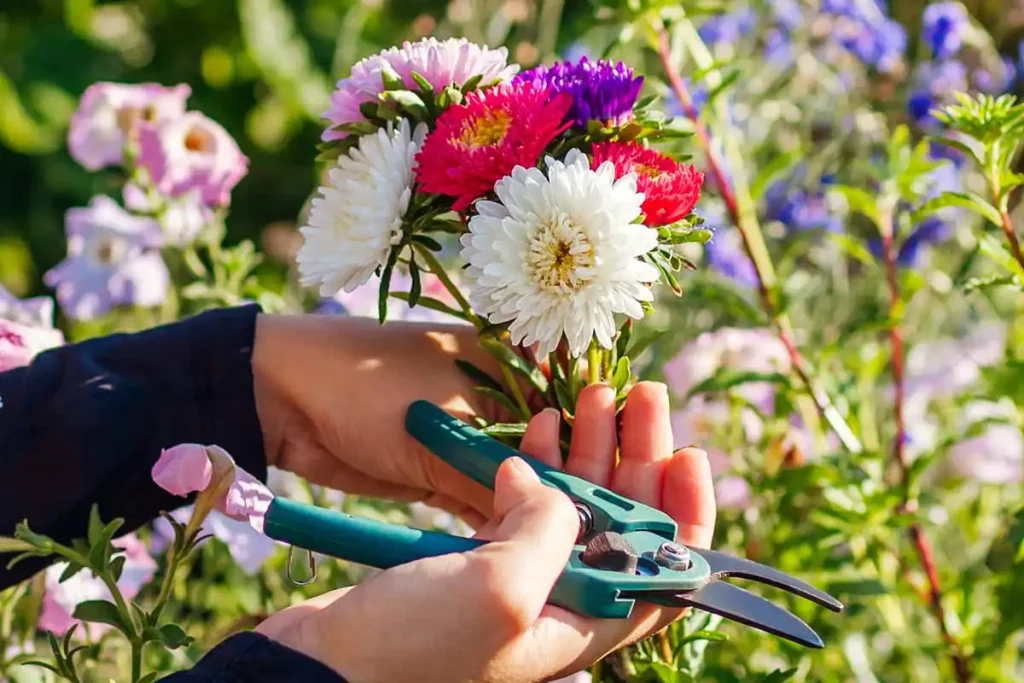
Not all flowers perform equally well as cut flowers. The best varieties have long stems, strong growth, and good vase life. Here are some excellent choices for beginners and experienced gardeners alike:
Easy-to-Grow Cut Flowers
- Zinnias: Bright, fast-growing, and perfect for summer bouquets.
- Cosmos: Airy, delicate flowers with long stems.
- Sunflowers: Bold focal flowers that thrive in full sun.
- Marigolds: Hardy blooms with vibrant color.
- Bachelor’s Buttons: Classic cottage-garden charm with excellent vase life.
Long-Lasting Cut Flowers
- Roses: Timeless and fragrant with proper care.
- Carnations: Extremely durable and long-lasting indoors.
- Chrysanthemums: Ideal for fall arrangements.
- Alstroemeria: Known for exceptional vase life.

Filler and Foliage Plants
- Baby’s Breath: Adds softness and volume.
- Statice: Excellent for fresh and dried arrangements.
- Eucalyptus or Ferns: Provide greenery and texture.
Selecting a mix of focal flowers, fillers, and foliage ensures balanced and professional-looking indoor arrangements.
How to Plant Cut Flowers Successfully
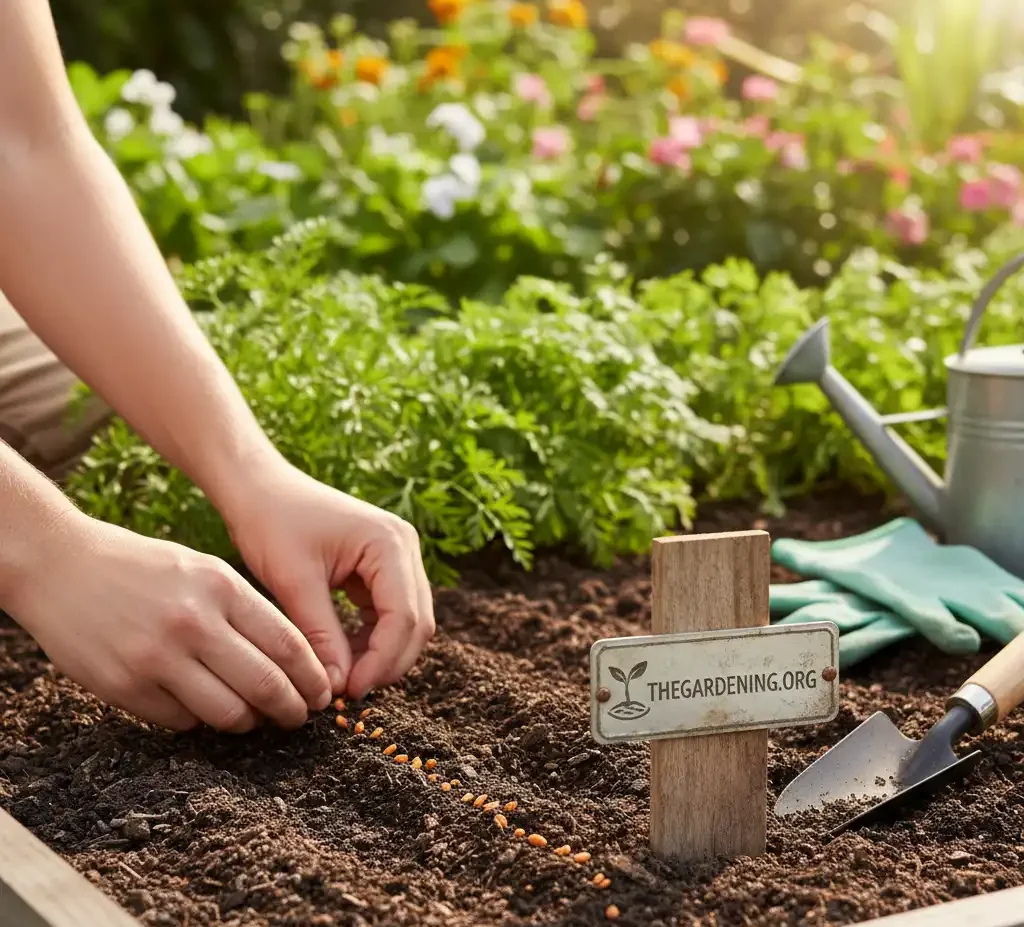
From Seeds
Growing cut flowers from seed is affordable and rewarding.
- Start seeds indoors 4–6 weeks before the last frost (for cool-season flowers).
- Direct sow warm-season flowers once the soil has warmed.
- Keep soil consistently moist during germination.
From Transplants
If you want quicker results, transplants are a great option.
- Water plants thoroughly before planting.
- Plant at the same depth as in their original container.
- Gently firm the soil around the roots.
Caring for Cut Flowers While Growing
Consistent care ensures high-quality blooms suitable for indoor arrangements.
Watering
- Water deeply rather than frequently.
- Early morning watering reduces evaporation and disease.
- Avoid wetting leaves whenever possible.

Feeding and Fertilizing
Use a balanced fertilizer every 2–3 weeks during the growing season. Too much nitrogen can cause leafy growth with fewer flowers, so moderation is key.
Pinching and Pruning
Pinching young plants encourages branching, which means:
- More stems
- More flowers
- Bushier plants
Flowers like zinnias, cosmos, and snapdragons benefit greatly from early pinching.
Harvesting Flowers at the Right Time
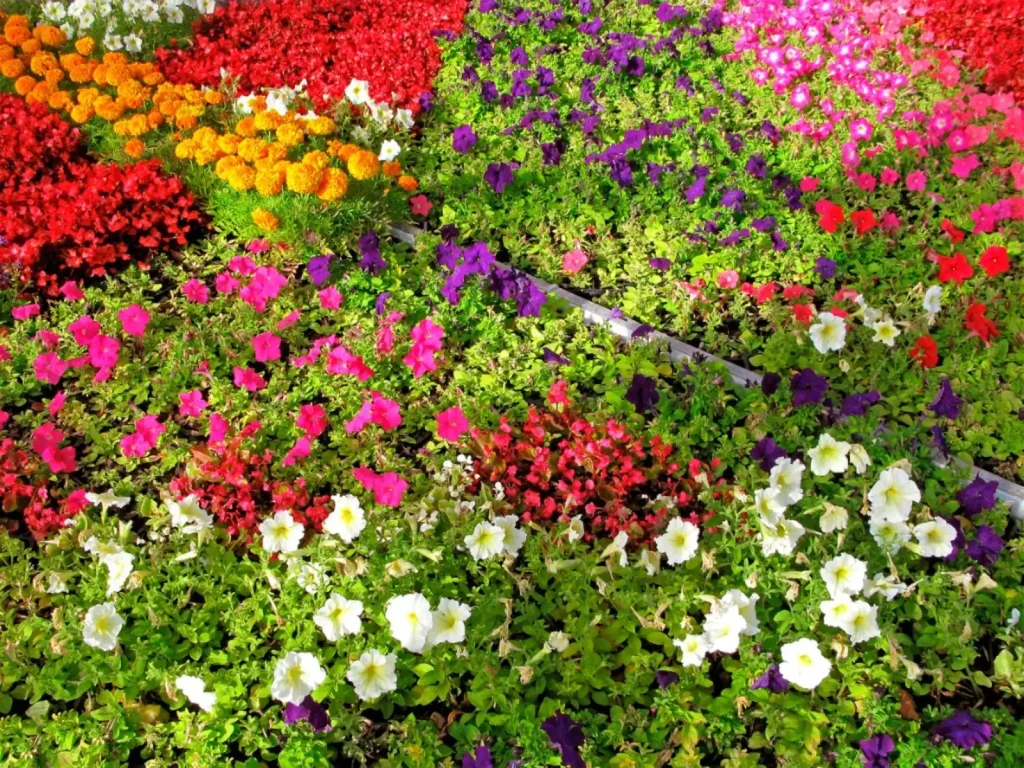
Harvesting correctly is one of the most important steps in growing cut flowers for fresh indoor arrangements.
Best Time to Cut
- Early morning or late evening when plants are well-hydrated
- Avoid cutting during the heat of the day
Right Stage of Bloom
- Bud stage: For flowers like lilies and gladiolus
- Half-open blooms: For roses and peonies
- Fully open: For zinnias and sunflowers
Proper Cutting Technique
- Immediately place stems in clean water
- Use clean, sharp scissors or pruners
- Cut stems at an angle to improve water uptake

Troubleshooting Common Cut Flower Problems
The table below highlights common issues you may face while growing cut flowers and how to fix them:
| Problem | Possible Cause | Solution |
|---|---|---|
| Short flower stems | Overcrowding or insufficient sunlight | Improve spacing and ensure full sun exposure |
| Flowers wilting quickly indoors | Cut at wrong time or poor conditioning | Harvest early morning and condition properly |
| Yellowing leaves | Overwatering or nutrient imbalance | Improve drainage and adjust fertilization |
| Few blooms | Excess nitrogen or lack of pinching | Reduce fertilizer and pinch young plants |
| Bent or weak stems | Insufficient light or wind stress | Increase sun exposure and provide support |
| Fungal diseases | Poor airflow and wet foliage | Space plants properly and water at soil level |

Final Thoughts
Learning how to grow cut flowers for fresh indoor arrangements is a skill that combines gardening, creativity, and mindfulness. From seed to vase, every step brings satisfaction and beauty into your home. With the right flower choices, proper care, and simple harvesting techniques, you can enjoy stunning, long-lasting bouquets grown entirely by you.
Start small, experiment with different varieties, and soon your home will be filled with fresh, seasonal blooms straight from your garden.