Transplanting is one of the most stressful stages in a plant’s life. Whether you’re moving seedlings from trays to soil, shifting plants into larger pots, or relocating them in the garden, improper handling can lead to this, a condition that slows growth, causes wilting, yellowing, or even plant death. The good news is that avoid transplant shock is largely preventable. By understanding what causes it and following the right planting methods, you can help plants adjust quickly, grow stronger roots, and thrive in their new environment.
This guide covers everything you need to know about planting methods to avoid it, from preparation and timing to aftercare and troubleshooting.
Why Plants Experience Transplant Shock
Before learning how to avoid this shock, it’s important to understand why it happens:
- Root disturbance during removal
- Sudden exposure to heat, cold, or wind
- Differences in soil structure or nutrients
- Improper watering before or after planting
- Transplanting at the wrong time
Each of these factors can be controlled with the right planting approach.
1. Choose the Right Time for Transplanting
Timing plays a crucial role in preventing it.
Best Time to Transplant
- Early morning or late afternoon
- Cool, cloudy days
- Spring or early fall for most plants
Avoid transplanting during extreme heat, frost, or windy conditions, as these increase water loss and stress.
2. Prepare the New Planting Site in Advance
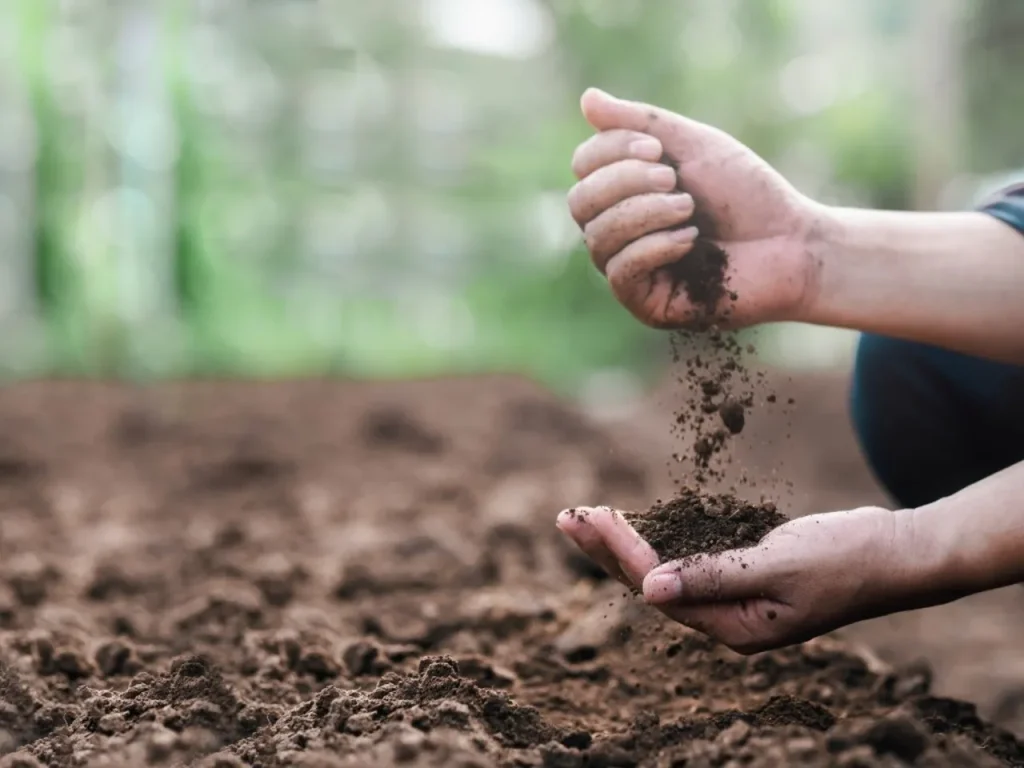
One of the most effective planting methods to avoid transplant shock is site preparation.
How to Prepare the Soil
- Loosen soil 8–12 inches deep
- Add compost or organic matter
- Ensure proper drainage
- Remove weeds and debris
Prepared soil allows roots to spread easily without resistance, helping plants establish faster.
3. Water Plants Before Transplanting
Never transplant dry plants.
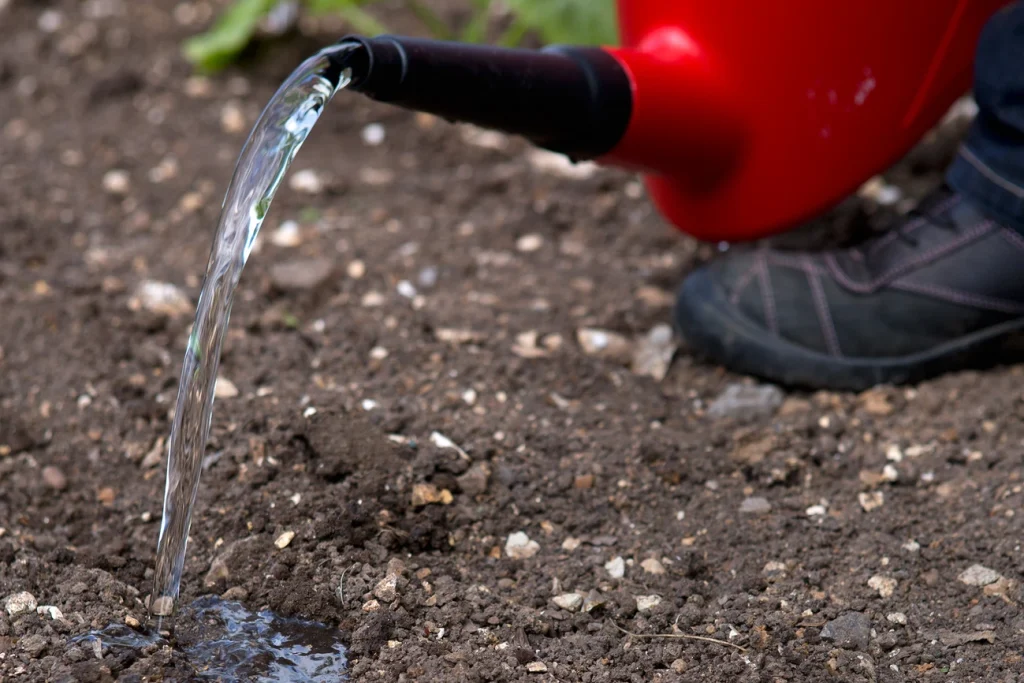
Why Pre-Watering Matters
- Keeps roots hydrated
- Reduces root breakage
- Helps soil hold together around roots
Water plants thoroughly 12–24 hours before transplanting. This step alone significantly reduces transplant shock.
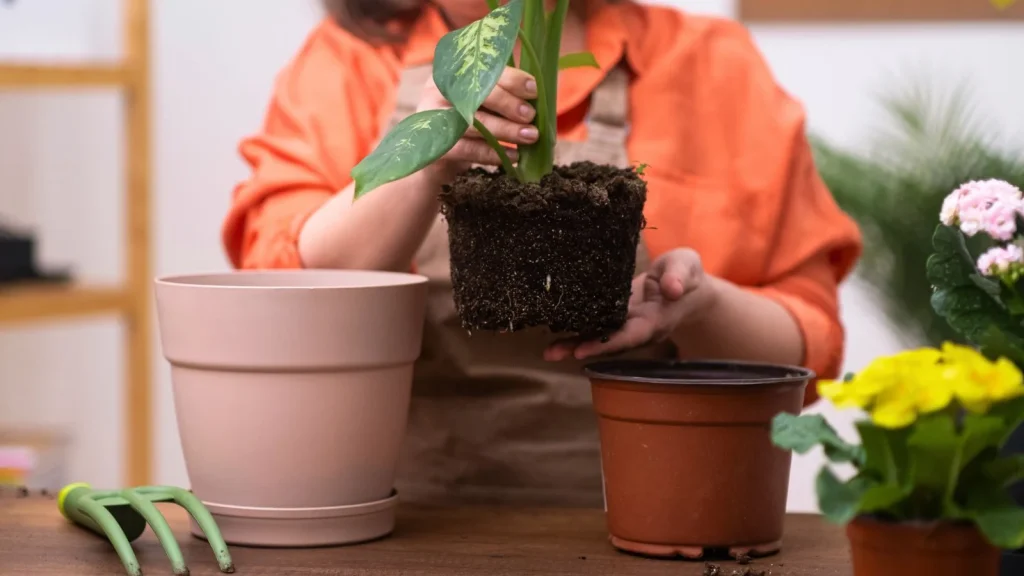
4. Handle Roots with Care
Roots are the lifeline of a plant, and damage to them is a major cause of transplant shock.
Root Handling Tips
- Gently loosen root balls if roots are circling
- Avoid pulling plants by the stem
- Keep roots moist at all times
- Minimize exposure to air and sun
For seedlings, handle plants by the leaves instead of stems to prevent injury.
5. Dig the Right-Sized Hole
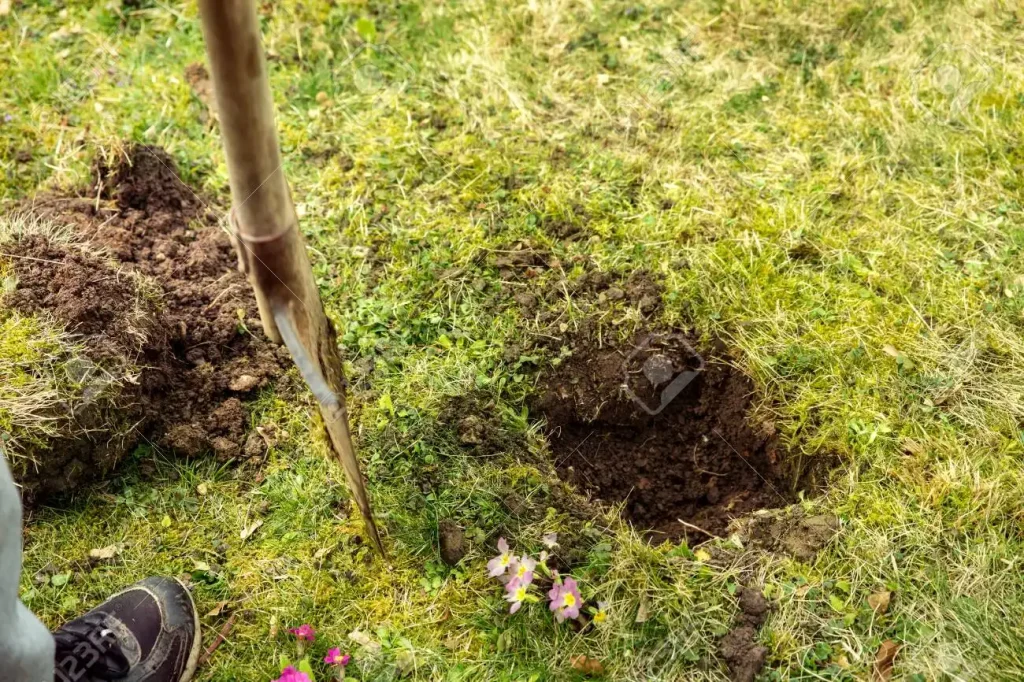
Planting too deep or too shallow can stress plants.
Ideal Planting Depth
- Match the original soil level of the plant
- Hole should be twice as wide as the root ball
- Depth should allow roots to spread naturally
Proper depth supports oxygen flow and prevents root rot.
6. Use Proper Planting Techniques
Correct planting methods make a major difference in preventing it.
Step-by-Step Planting Method
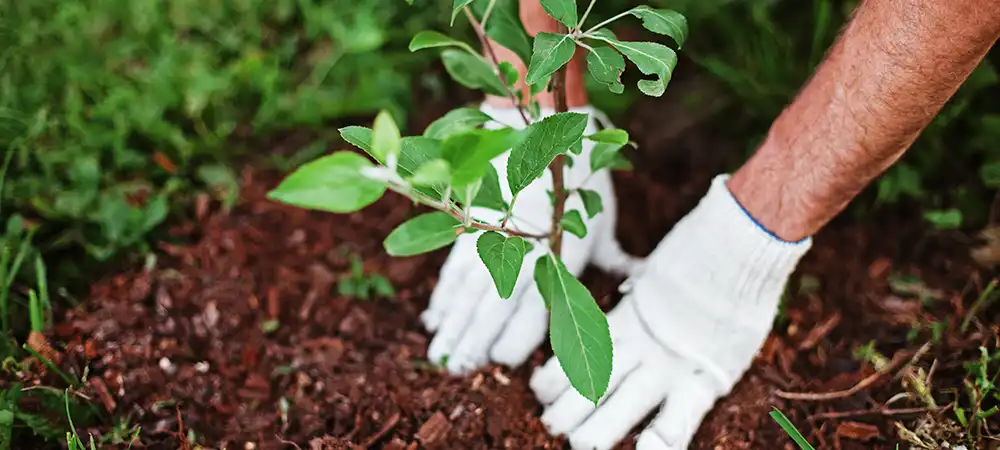
- Place the plant gently into the hole
- Spread roots outward, not downward
- Backfill with loose soil
- Press soil lightly to remove air pockets
- Water immediately after planting
Avoid compacting the soil too tightly, as this restricts root growth.
7. Water Correctly After Transplanting
Watering mistakes are one of the most common causes of it.
Best Watering Practices
- Water deeply after planting
- Keep soil consistently moist, not soggy
- Avoid overhead watering in hot weather
- Reduce watering gradually as the plant establishes
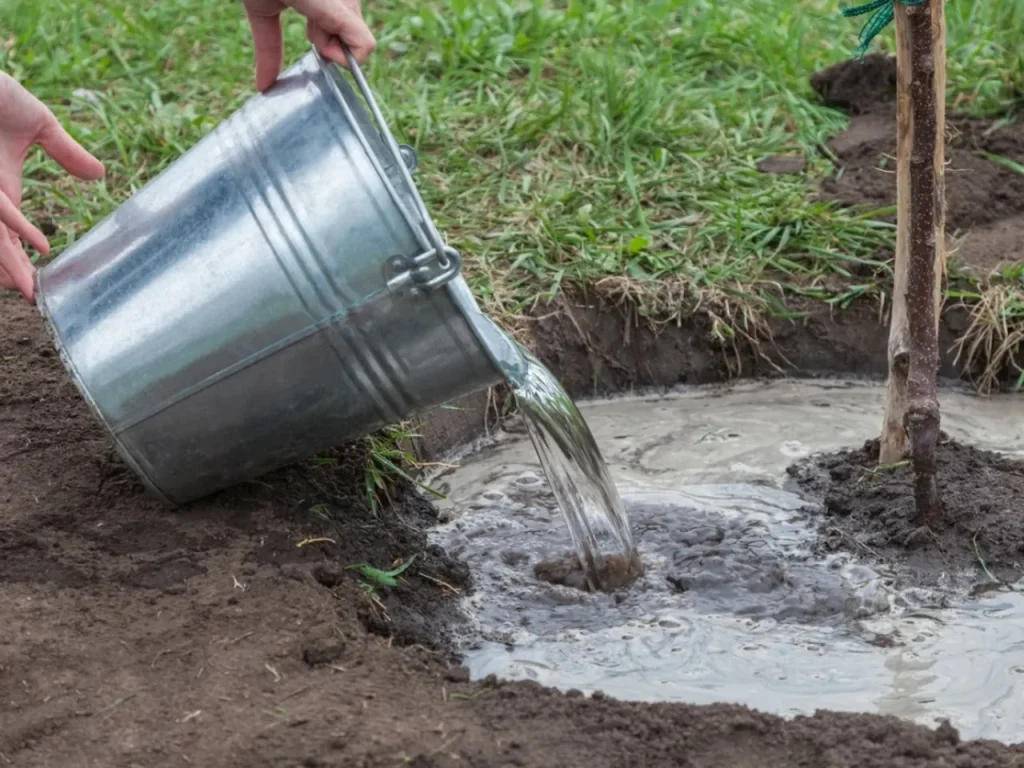
Deep watering encourages roots to grow downward, improving plant stability.
8. Provide Temporary Shade and Protection
Newly plants are vulnerable to environmental stress.
How to Protect Transplants
- Use shade cloth or garden fabric
- Create temporary wind barriers
- Mulch to regulate soil temperature
Even sun-loving plants benefit from short-term shade during their adjustment period.
9. Apply Mulch to Reduce Stress

Mulching is one of the simplest yet most effective planting methods to avoid tit.
Benefits of Mulch
- Retains soil moisture
- Regulates temperature
- Prevents weed competition
- Protects shallow roots
Apply a 2–3 inch layer of organic mulch, keeping it slightly away from the stem.
10. Avoid Fertilizing Immediately
Newly transplanted plants don’t need strong fertilizers right away.
Why Delaying Fertilizer Helps
- Prevents root burn
- Allows roots to establish naturally
- Reduces stress
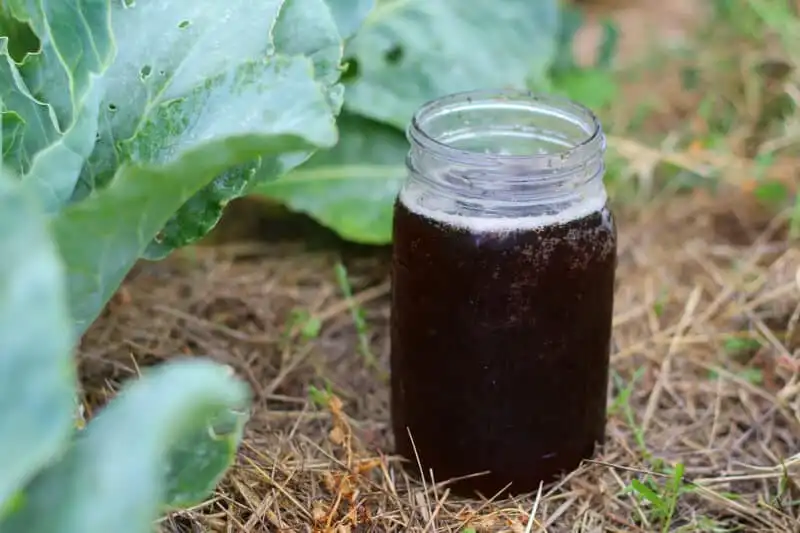
Wait 2–3 weeks before applying mild, balanced fertilizer or organic compost tea.
Troubleshooting Table: Problems & Solutions
| Problem | Likely Cause | Solution |
|---|---|---|
| Wilting after transplant | Root damage or water stress | Water deeply, provide shade |
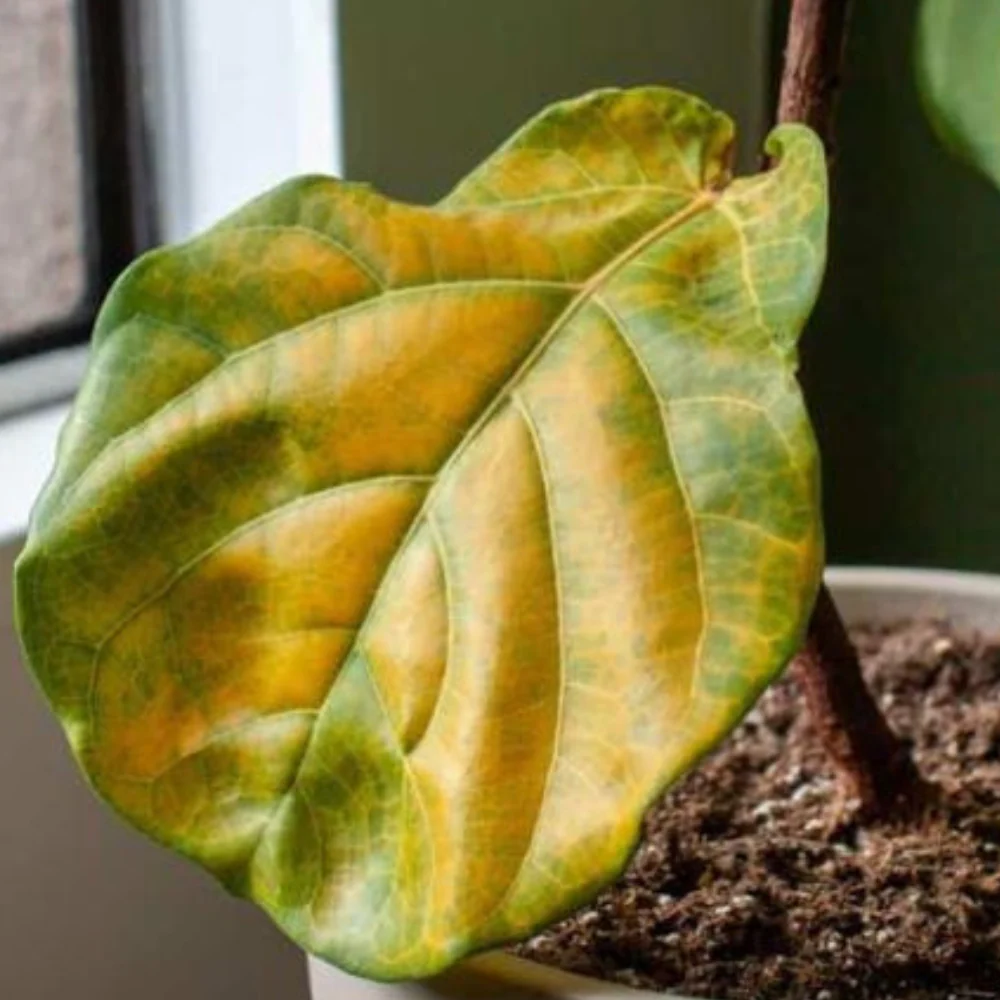
| Yellow leaves | Nutrient stress or overwatering | Improve drainage, delay fertilizer |
| Leaf drop | Sudden temperature change | Protect from wind and extreme weather |
| Slow growth | Poor soil preparation | Loosen soil, add organic matter |
| Brown leaf edges | Sun or heat shock | Use temporary shade cloth |
| Root rot | Waterlogged soil | Improve drainage, reduce watering |
| Seedlings dying | No hardening off | Gradually acclimate before transplant |
| Plant leaning | Weak root establishment | Firm soil gently and stake if needed |
Final Thoughts
Transplant shock can be frustrating, but it’s not inevitable. By following the best planting methods to avoid this shock, you can dramatically improve plant survival, speed up establishment, and enjoy healthier growth.
Remember, successful transplanting is about preparation, gentle handling, proper watering, and protection. Small steps taken before and after planting make a big difference in long-term plant health.
With patience and the right techniques, your plants won’t just survive the move, they’ll thrive.