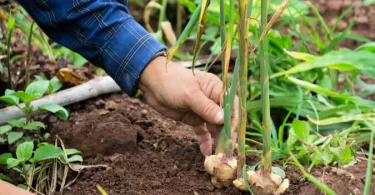
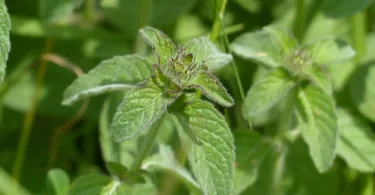
Winter does not have to mean a lifeless or dull garden. With the right plant choices, your home garden can remain vibrant, productive, and resilient even during the coldest months. Winter hardy plants for home gardens are specially adapted to survive frost, low temperatures, and reduced sunlight while continuing to grow or remain healthy until spring.
Whether you are a beginner gardener or someone looking to improve winter garden performance, this guide will help you understand what winter hardy plants are, why they matter, and how to grow them successfully.

Why Choose Winter Hardy Plants for Home Gardens?
Growing winter hardy plants offers multiple benefits:
- Year-round garden beauty
- Reduced replanting costs
- Lower maintenance in winter
- Improved soil health
- Fresh winter vegetables and herbs
For home gardeners, especially in regions with mild to moderate winters, these plants are an excellent way to extend the growing season.
Best Winter Hardy Plants for Home Gardens
1. Winter Hardy Vegetables
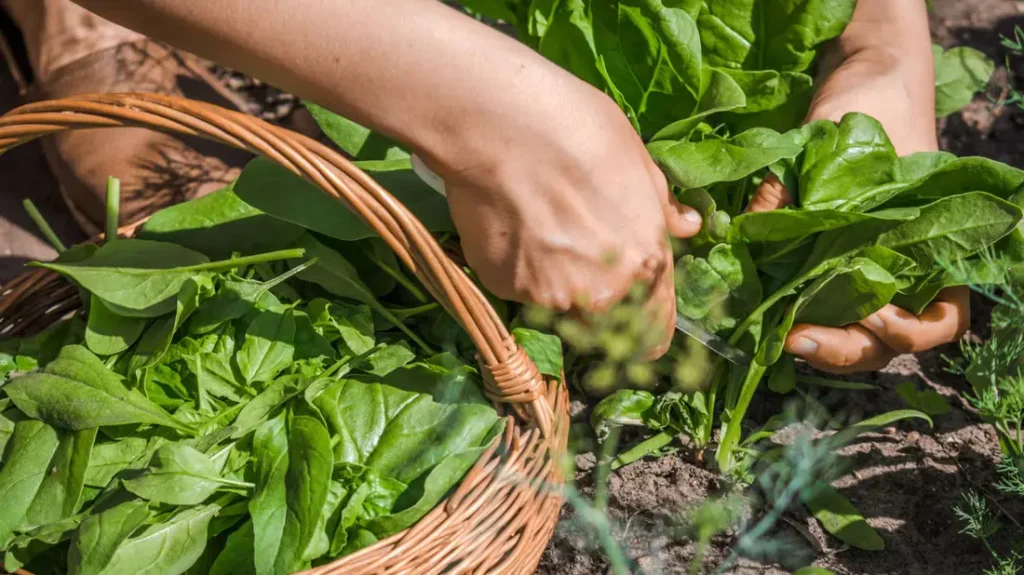
Vegetables that tolerate cold are perfect for winter gardening.
Popular options include:
- Spinach
- Kale
- Swiss chard
- Carrots
- Radishes
- Turnips
- Garlic
- Onions
- Peas
These vegetables often taste sweeter after frost due to natural sugar concentration in the leaves and roots.
2. Winter Hardy Herbs
Many herbs remain productive during winter or return strongly in spring.

Best winter hardy herbs:
- Rosemary
- Thyme
- Sage
- Mint
- Chives
- Oregano
- Parsley
Herbs are ideal for containers, making them easy to move or protect during extreme cold.
3. Winter Hardy Flowers
Winter gardens do not need to be colorless. Several flowers bloom or stay evergreen in cold weather.

Cold-tolerant flowers include:
- Pansies
- Violas
- Calendula
- Sweet peas
- Winter jasmine
- Primrose
These flowers add charm and color while tolerating frost.
4. Winter Hardy Shrubs and Perennials
Shrubs and perennials form the backbone of winter gardens.
Recommended options:

- Lavender
- Boxwood
- Holly
- Juniper
- Hostas
- Daylilies
- Coneflowers
They provide structure, greenery, and long-term garden stability.
How to Prepare Your Garden for Winter Hardy Plants
Soil Preparation
Healthy soil is essential for winter survival.

- Add compost or well-rotted manure
- Improve drainage to avoid root rot
- Mulch heavily to retain warmth
Proper Planting Time
Plant winter hardy plants before extreme cold arrives. This allows roots to establish properly.
- Avoid planting during frozen soil conditions
- Early to mid-autumn is ideal
Winter Care Tips for Hardy Plants
Even hardy plants benefit from some care.
Mulching
Mulch protects roots from freezing temperatures and temperature fluctuations.
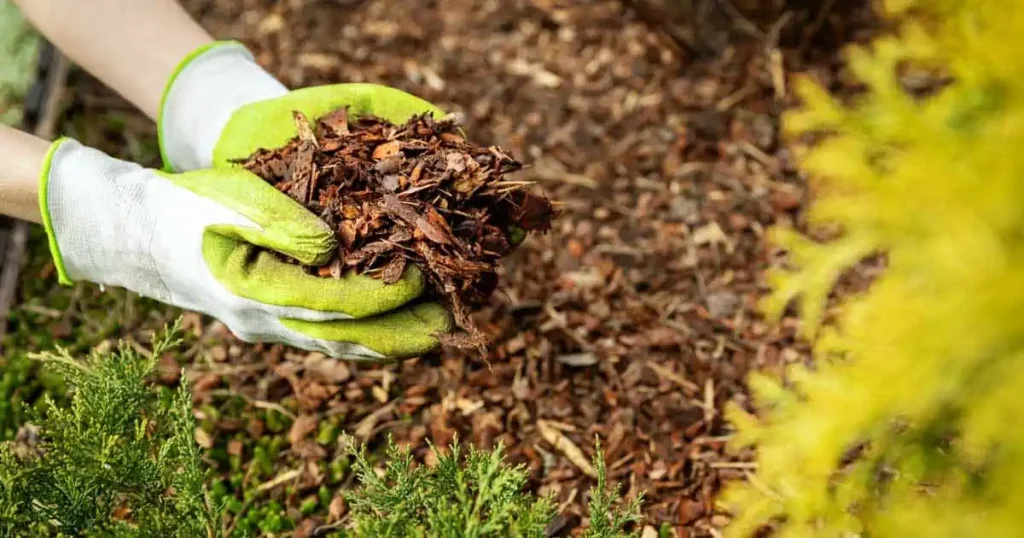
- Use straw, leaves, or bark mulch
- Apply 2–4 inches thick
Watering
- Water deeply before frost
- Avoid overwatering in winter
- Water during warmer winter days if soil is dry
Protection from Frost
- Remove covers during the day for sunlight
- Use frost cloths or garden fabric
- Cover plants during extreme cold nights
Troubleshooting Common Winter Gardening Problems
Below is a troubleshooting table to help you quickly identify and solve common issues with winter hardy plants.

| Problem | Possible Cause | Solution |
|---|---|---|
| Plants wilting in winter | Dry soil or frozen roots | Water during warmer days and mulch deeply |
| Yellowing leaves | Poor drainage or nutrient deficiency | Improve soil drainage and add compost |
| Frost damage on leaves | Sudden temperature drop | Use frost cloth or cover plants at night |
| Slow or no growth | Low sunlight or dormancy | Be patient; growth resumes in spring |
| Root rot | Overwatering | Reduce watering and improve drainage |
| Leaves turning brown | Cold wind exposure | Provide wind protection or relocate containers |
| Plants dying suddenly | Plant not truly winter hardy | Choose plants suitable for your climate |
| Mold on soil | Poor airflow | Reduce watering and improve air circulation |
Final Thoughts
Choosing winter hardy plants for home gardens allows you to enjoy greenery, flowers, and even fresh produce during the colder months. With proper soil preparation, smart plant selection, and basic winter care, your garden can thrive despite low temperatures.
Winter gardening is not about fighting nature, it’s about working with it. By embracing hardy plants, you build a stronger, healthier, and more sustainable home garden that rewards you year after year.