Planting cold season crops at home is one of the most rewarding gardening practices for home growers. While many people associate gardening with spring and summer, the cooler months offer excellent opportunities to grow healthy, flavorful vegetables right in your backyard, balcony, or even indoors. Cold season crops are hardy, low-maintenance, and perfect for beginners as well as experienced gardeners.
In this detailed guide, you’ll learn everything about planting crops at home from choosing the right vegetables and preparing soil to watering, care, and troubleshooting common problems. This guide is designed to help you grow successfully and rank high in search results.
What Are Cold Season Crops?
Cold season crops are plants that thrive in cooler temperatures, usually between 10°C to 20°C (50°F to 68°F). These crops can tolerate light frost and often grow better in cool weather than in heat. In fact, many vegetables develop sweeter flavors when exposed to cool temperatures.
Common cold season crops include:
- Leafy greens (spinach, lettuce, kale)
- Root vegetables (carrots, radishes, beets)
- Cruciferous vegetables (cabbage, cauliflower, broccoli)
- Herbs (coriander, parsley, dill)
Planting crops at home allows you to enjoy fresh produce when market vegetables are limited or expensive.
Soil Preparation for Cold Season Crops
Healthy soil is the foundation of successful gardening. For planting crops at home, soil should be:

- Loose and well-drained
- Rich in organic matter
- Slightly acidic to neutral (pH 6.0–7.0)
How to Prepare Soil
- Remove weeds and debris
- Add compost or well-rotted manure
- Mix in coco peat or sand for drainage
- Level the soil before planting
For container gardening, use a high-quality potting mix enriched with compost.
How to Plant Cold Season Crops at Home
Direct Sowing
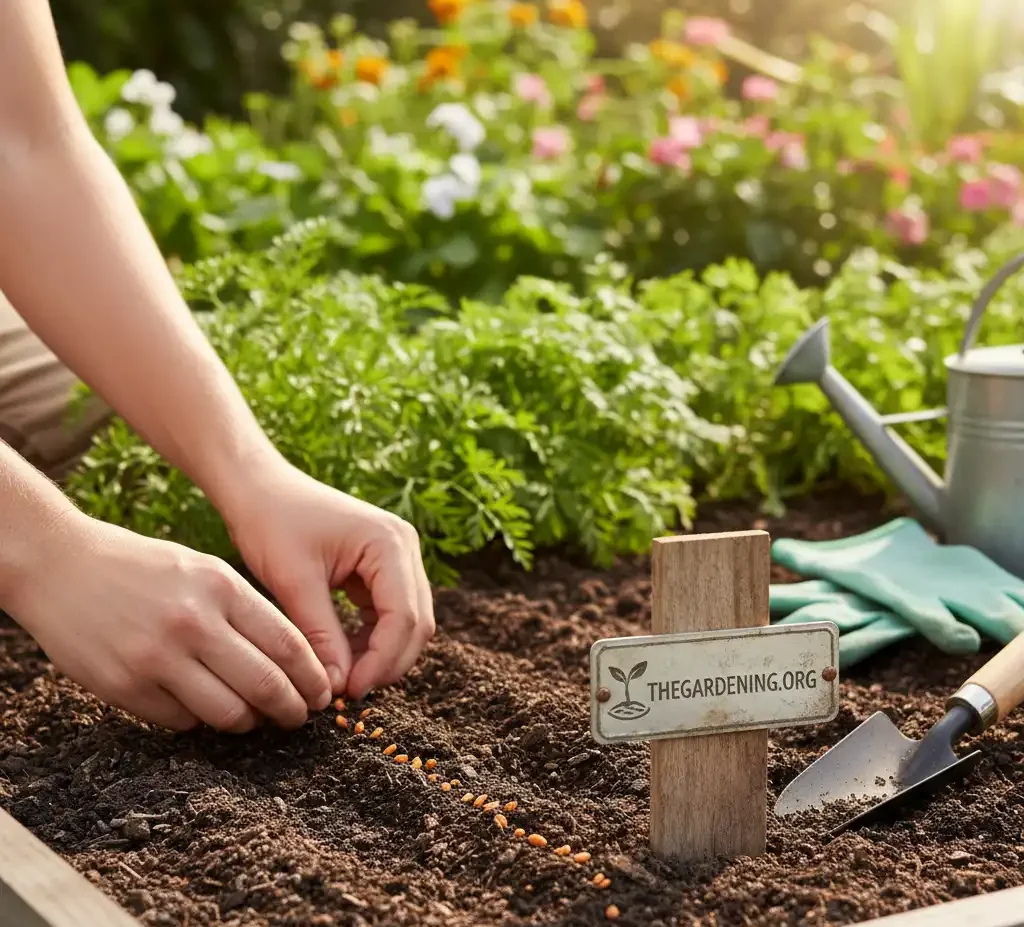
Many cold season crops grow best when seeds are sown directly into the soil.
- Carrots
- Radishes
- Spinach
Sow seeds at the recommended depth and spacing.
Transplanting Seedlings
Crops like cabbage and cauliflower perform better when transplanted.
- Water well after transplanting
- Start seeds in trays
- Transplant after 3–4 weeks
Watering Requirements
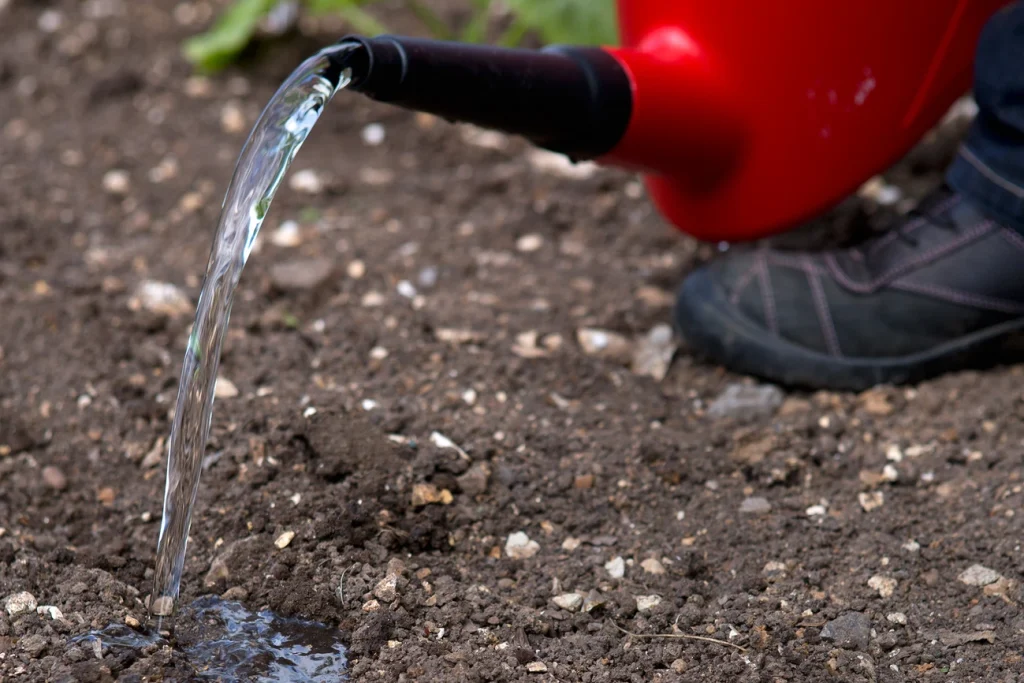
Cold season crops need consistent but moderate watering. Overwatering can cause root rot, while underwatering slows growth.
Best watering tips:
- Water in the morning
- Keep soil moist, not soggy
- Reduce watering during rainy or very cold days
Sunlight Needs
Most cold season crops require 4–6 hours of sunlight daily. Leafy greens can tolerate partial shade, making them ideal for balconies and small spaces.
If sunlight is limited, place containers near bright windows or open terraces.
Fertilizing Cold Season Crops
Use organic fertilizers to promote healthy growth:
- Compost tea
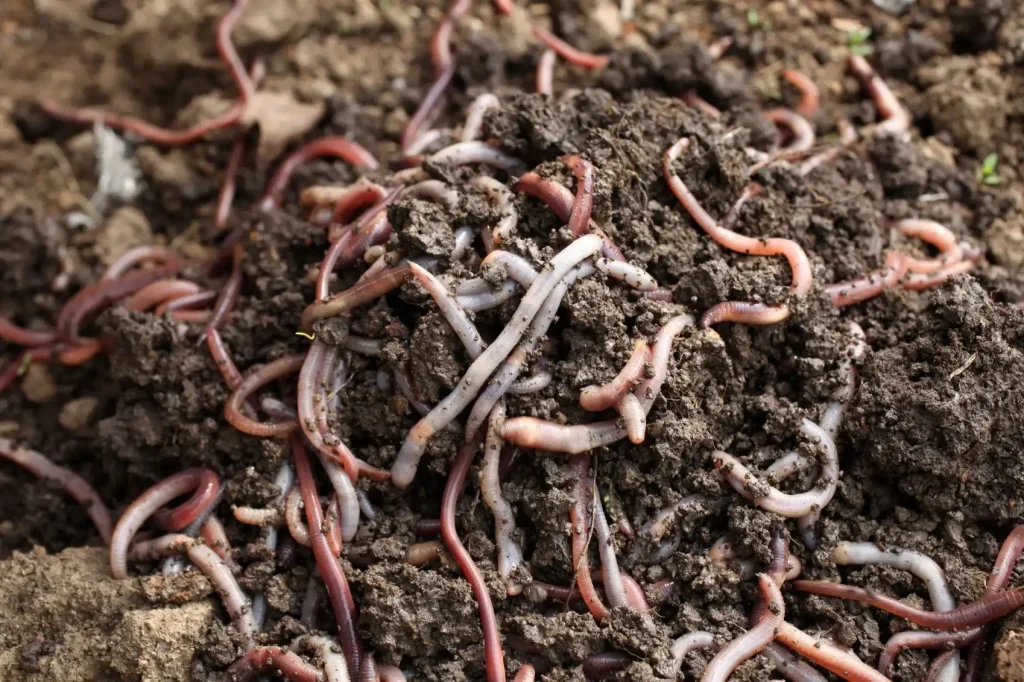
- Vermicompost
- Fish emulsion (diluted)
Fertilize lightly every 2–3 weeks to avoid excessive leaf growth and nutrient burn.
Common Problems When Planting Cold Season Crops at Home
Even hardy crops can face issues. Identifying problems early ensures healthy plants.
Troubleshooting Table for Cold Season Crops
| Problem | Possible Cause | Solution |
|---|---|---|
| Slow growth | Low sunlight or poor soil | Improve sunlight and add compost |
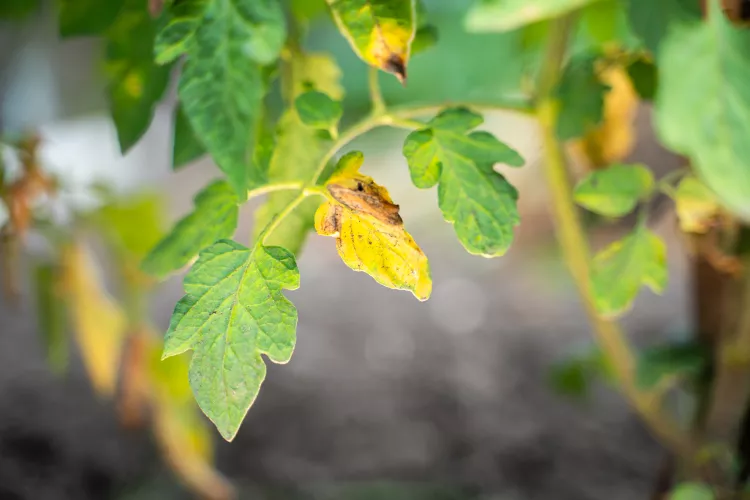
| Yellow leaves | Overwatering or nitrogen deficiency | Reduce watering, add organic fertilizer |
| Wilting plants | Underwatering or cold stress | Water consistently, use mulch |
| Leaf holes | Caterpillars or pests | Hand-pick pests, use neem oil |
| Root rot | Poor drainage | Improve soil drainage, reduce watering |
| Bitter taste | Temperature stress | Harvest early, provide shade |
Tips for High Yields in Cold Season Gardening
- Mulch soil to retain moisture and warmth
- Protect plants during frost with covers
- Rotate crops to prevent soil diseases
- Keep soil nutrient-rich
Consistency is key to successful cold season gardening.
Final Thoughts
Planting crops at home is a smart and sustainable way to enjoy fresh vegetables during cooler months. With proper soil preparation, watering, sunlight, and care, you can grow a thriving home garden even when temperatures drop.
Whether you’re gardening on a balcony, terrace, or backyard, cold season crops offer high yields, fewer problems, and delicious results. Start planting today and enjoy healthy, homegrown produce all winter long.