Creating a permaculture garden is a rewarding way to live sustainably and boost your food security. It lets you enjoy a diverse and strong ecosystem in your backyard. This is thanks to a garden that works well with nature.
You can turn your outdoor space into a thriving permaculture garden with a few simple steps. This method not only cuts down on your environmental impact but also gives you fresh, healthy food.

Key Takeaways
- Understand the basics of permaculture and its benefits for home gardeners.
- Learn how to design a permaculture garden that suits your climate and needs.
- Discover simple, effective techniques for implementing permaculture principles.
- Enhance your food security with a diverse and resilient garden ecosystem.
- Reduce your environmental impact through sustainable gardening practices.
Understanding Permaculture Design Principles
Learning about permaculture design principles is key to making your garden better. Permaculture is more than gardening. It’s a way to make your garden sustainable and self-sufficient.
The Three Ethics of Permaculture
Permaculture has three main ethics: Earth Care, People Care, and Fair Share. These ethics guide how we treat our environment and each other.
Earth Care, People Care, and Fair Share
- Earth Care means taking care of the planet. This includes making the soil better, saving water, and increasing biodiversity.
- People Care focuses on community and helping each other. Its about makin systems that help both the environment and people.
- Fair Share is about sharing what we have. It encourages a culture of cooperation and sharing.
Care of the Earth in Permaculture Practice
Caring for the earth is a big part of permaculture. It’s about using resources wisely and reducing waste. This helps keep the environment balanced.
| Practice | Description | Benefit |
| Composting | Turning organic waste into nutrient-rich soil | Improves soil fertility and structure |
| Rainwater Harvesting | Collecting & storing rain-water for garden use | Conserves water and reduces dependency on municipal supplies |
| Polyculture Planting | Growing multiple crops together in same space | Enhance biodiversity and reduces pest and disease pressure |

Observe and Interact: The Foundation of Permaculture
Watching and working with your garden is key. It helps you understand what it needs and how it works. This way, you can make choices that help it thrive.
Practical Observation Techniques for Your Garden
Good observation is more than just looking. It’s about studying your garden’s patterns and cycles. This helps you make smart decisions for its health
- Keep a record of what you see to track changes and patterns.
- Notice the different areas of your garden, as they affect plant growth.
- Visit your garden every day to catch the small details that guide your design.
By using these permaculture principles, you can make a garden that’s productive and sustainable. It’s a journey that needs patience, observation, and a willingness to learn and change.
How to Start a Permaculture Garden at Home
To start a permaculture garden, first check your space and what you have. This step is key to a successful garden.
Assessing Your Space and Resources
Measuring your garden area is just the start. You also need to know your climate, soil type, and ecosystem.
Doing a site analysis is important. This means:
- Watching where the sun and wind come from
- Seeing what plants and animals are already there
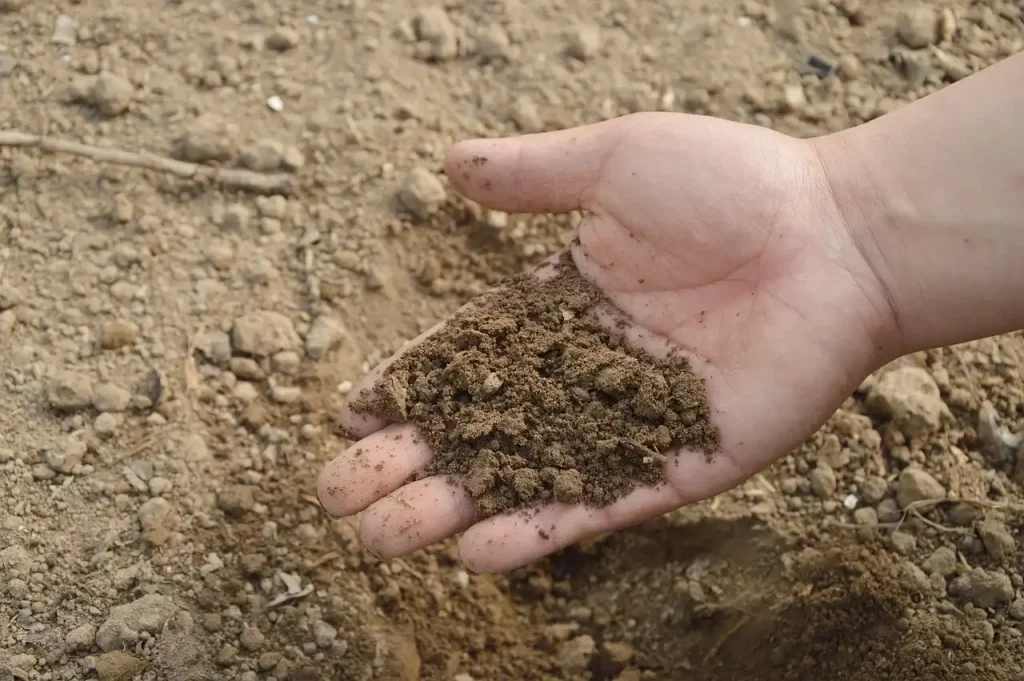
- Checking your soil and water
Conducting a Site Analysis
A site analysis helps you know your land. By observing and interacting, you can design your garden wisely.
Creating a Permaculture Design Plan
After analyzing your site, make a design plan. This plan shows how you’ll use your space, including where to put plants and paths.
Mapping Your Garden Zones
Zone mapping organizes your garden well. It puts the most used areas near your home and less used areas further away.
- Zone 1: Areas closest to the house, such as herb gardens and small animal enclosures
- Zone 2: Orchards and larger animal enclosures
- Zone 3: Larger crops and pastures
Essential Tools and Materials
To start your garden, you’ll need basic tools and materials. These include:
- Gardening tools like shovels, rakes, and pruning shears
- Stuff for paths and structures, like wood and stone
- Seeds and plants that fit your climate and soil
Good tools and materials make gardening easier and more efficient.

Building Your Permaculture Garden Zones
A thriving permaculture garden starts with its design. Organizing your garden into zones is key. This approach helps manage your space by categorizing areas based on their distance from your home and how often you visit them.
Zone Planning for Maximum Efficiency
Zone planning divides your garden into sections, from Zone 0 (your home) to Zone 5 (a wilderness area). This system helps you use your time and resources better.
- Zone 0: Your home, where you live and where the majority of your daily activities take place.
- Zone 1: Areas that require frequent visits, such as vegetable gardens and herb gardens.
- Zone 2: Areas that need regular maintenance but not daily visits, such as orchards and larger herb gardens.
- Zone 3: Areas for larger livestock and crops that require less frequent visits.
- Zone 4: Semi-wild areas that may have some managed elements like foraging areas for animals.
- Zone 5: Wilderness areas that are left unmanaged and are used for observation and inspiration.
Creating Guilds and Companion Planting
Companion planting, or creating guilds, is vital in permaculture. It groups plant together for mutual benefits like shade, soil improvement or pest control.
Examples of Successful Plant Combinations
Here are some examples of successful guilds:
| Main Crop | Companion Plants | Benefits |
| Tomatoes | Basil, Marigold | Basil repels pests that target tomatoes, while marigold deters nematodes. |
| Corn | Beans, Squash | The “Three Sisters” guild, where beans fix nitrogen, squash shades out weeds and corn provides structural support. |
| Comfrey | Various vegetables | Comfrey acts as a fertilizer plant, adding nutrients to the soil that benefit nearby plants. |

Water Management Systems
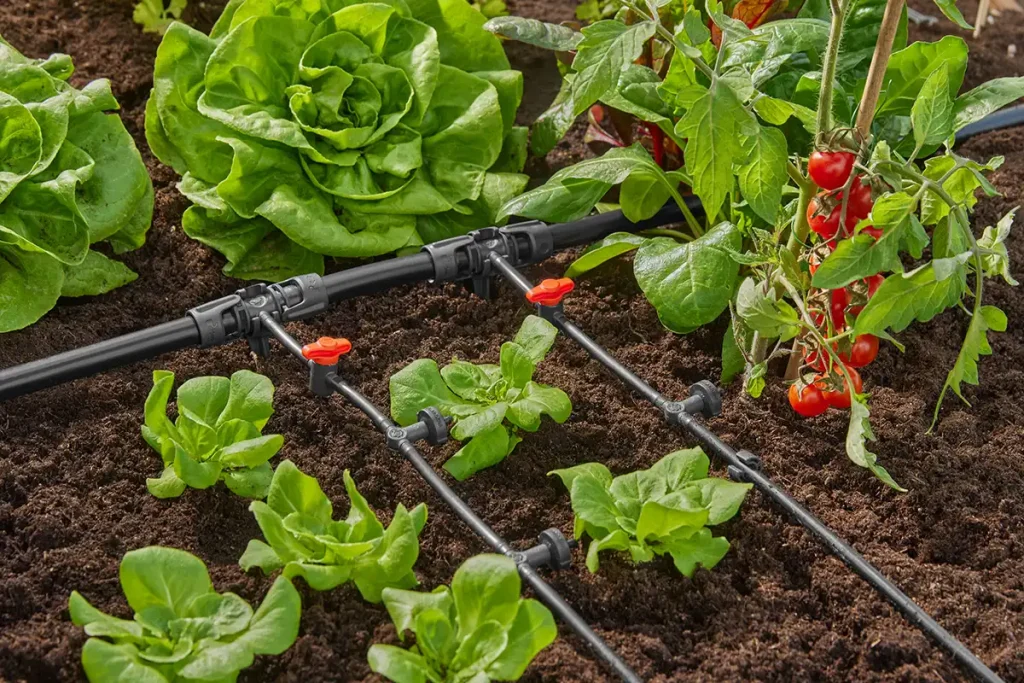
Effective water management is key in a permaculture garden. Swales, rain gardens, and efficient irrigation systems help save water and ensure it’s used where needed.
Swales, Rain Gardens, and Irrigation
Swales capture and store rainwater, letting it soak into the soil. Rain gardens collect rainwater, reducing runoff. Drip irrigation delivers water directly to plant roots, cutting down on evaporation and runoff.
By using these strategies, you can make your permaculture garden productive, sustainable, and resilient.
Selecting Plants for Your Permaculture Garden
To build a strong permaculture garden, start with the right plants. These plants will be the heart of your garden. They give food, shelter, and home to many helpful creatures.
Edible Perennials for Sustainable Harvests
Edible perennials are key in a permaculture garden. They offer food that lasts and need less care than annuals. Pick plants that fit your local weather and soil.
Top 5 Beginner-Friendly Perennials
- Asparagus: A tasty and healthy choice for your garden.
- Rhubarb: Great for pies and jams with its tart taste.
- Artichoke: Adds flavor and structure to your garden.
- Strawberries: Quick to produce fruit and can cover the ground.
- Blueberries: Rich in antioxidants and grow well in acidic soils.

Nitrogen Fixers and Dynamic Accumulators
Nitrogen fixers and dynamic accumulators keep the soil healthy. Nitrogen fixers like legumes turn air nitrogen into plant food. Dynamic accumulators pull up deep nutrients for other plants.
Beans and peas are nitrogen fixers. Comfrey is a top dynamic accumulator. Adding these to your garden boosts biodiversity and productivity.
Adapting Permaculture in Tropical Climates
Permaculture in the tropics has its own set of challenges and chances. High heat and humidity mean you must pick plants carefully for your garden’s survival.
Heat-Tolerant Plant Selection
In tropical climates, choose plants that can handle the heat. Here are some:
- Cassava: A drought-resistant root that grows well in poor soil.
- Yams: A reliable food source that grows in many conditions.
- Bananas: Provide shade, food, and help create a cooler spot in your garden.
By using these plants, you can make a garden that thrives in the local climate.

Maintaining Your Permaculture Garden
To keep your permaculture garden thriving, regular maintenance is key. Tasks change with the seasons. This ensures your garden stays productive and strong.
Seasonal Maintenance Tasks
Seasonal tasks are vital for your garden’s health. Each season has its own challenges and chances.
Creating a Year-Round Maintenance Calendar
A maintenance calendar helps you manage tasks like pruning and mulching. Planning ahead keeps your garden well-cared for all year.
In spring, focus on pruning and mulching. Summer is for pest control and harvesting. Autumn is for clearing and soil prep. Winter is for planning and repairs.
Natural Pest Management
Natural pest control is key in a permaculture garden. Encourage beneficial insects and use natural deterrents. This way, you avoid chemical pesticides.
Beneficial Insects and Plant Allies
Beneficial insects like bees and ladybugs are crucial. They pollinate and control pests. Planting diverse flowers and herbs attracts them.
For example, marigolds fight nematodes, and basil keeps aphids away. Knowing plant and insect relationships helps create a balanced garden ecosystem.
Harvesting and Seed Saving
Harvesting and seed saving are vital for your garden’s future. Saving seeds from healthy plants helps develop local varieties.
Preserving Your Garden’s Genetic Diversity
Keeping genetic diversity is crucial for your garden’s resilience. Saving seeds and growing diverse plants makes your garden adaptable. This approach boosts sustainability and helps preserve biodiversity.
Conclusion
You now know how to start your permaculture garden. By using the tips from this guide, you can make a garden that’s good for you and the planet.
First, look at your space and what you have. Then, make a plan that includes zones, guilds, and ways to manage water. Its important to pick the right plants, like edible perennials and nitrogen fixers, for a good harvest.
As you start, watch and work with your garden. Make changes when you need to. Over time, your garden will be full of life and give you fresh food.
Learning to start a permaculture garden means you’re working towards a greener future. Start today and build your permaculture garden.