Introduction to Regenerative Gardening and Its Benefits
Regenerative Gardening Principles focuses on improving the health of your soil, plants, and overall ecosystem. Unlike conventional methods, it emphasizes restoring natural processes that sustain biodiversity and productivity over time. You actively enhance soil fertility by fostering organic matter, microbial life, and balanced nutrient cycles. This approach also prioritizes water conservation, carbon sequestration, and reducing waste.
With regenerative gardening, you create self-sustaining systems through practices like companion planting, crop rotation, and minimal tillage. The benefits are extensive: you improve food quality, support pollinators, and combat climate change. By adopting these methods, you play a crucial role in cultivating resilient and thriving landscapes for the future.

Understanding Soil Health: The Foundation of Regenerative Gardening
When you embark on regenerative gardening, soil health becomes your top priority. Healthy soil serves as the backbone of a thriving ecosystem, fostering robust plant growth and increasing resilience against pests and diseases. To assess soil health, start by examining its texture, structure, and organic matter content. A balanced soil mix allows for proper aeration and moisture retention.
Key practices to improve soil health include:
- Adding organic matter such as compost or mulch to nourish microorganisms.
- Avoiding synthetic chemicals that can harm beneficial soil organisms.
- Minimizing soil disturbance to maintain its natural structure.
- Encouraging biodiversity by planting diverse species for nutrient cycling.
Healthy soil leads to healthier plants, fostering regeneration.

Building Biodiversity: Supporting Plants, Animals, and Microorganisms
To foster biodiversity in your garden, you must create an environment where plants, animals, and microorganisms thrive together. Start by incorporating a diverse range of native plants as they provide food and shelter for local wildlife. Include flowering species to attract pollinators like bees and butterflies, and plant dense shrubs or ground cover to support small mammals and birds.
Avoid chemical pesticides or fertilizers, as they harm beneficial insects and microbes. Instead, use compost or organic amendments to enrich the soil. Create microhabitats, such as rock piles, water features, or decaying wood, to encourage soil organisms and insects.
Rotate crops and interplant species to naturally deter pests and improve soil health. Allocate zones for undisturbed growth to allow natural succession, empowering an ecosystem to mature sustainably.

Water Conservation Techniques for a Sustainable Garden
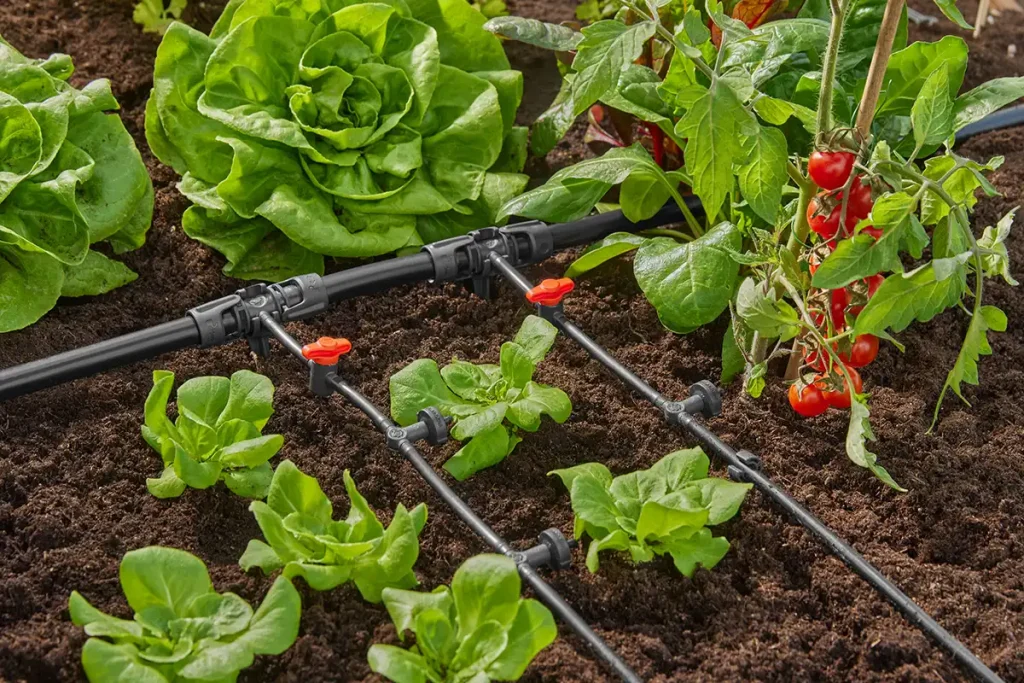
To maintain a sustainable garden, you need to implement effective water conservation techniques. Begin by grouping plants with similar water needs together to ensure efficient irrigation. Use drip irrigation systems to target roots directly and minimize water wastage. Mulch your garden beds with organic materials like bark or straw to retain soil moisture and reduce evaporation.
Install rain barrels to collect and store rainfall for irrigation during dry periods. Regularly check for leaks in hoses or sprinklers that could lead to unnecessary water loss. Opt for drought-resistant or native plants that thrive in your climate, reducing the need for frequent watering.
Composting and Organic Mulching for Soil Regeneration
You can revitalize soil health by integrating composting and organic mulching into your gardening practices. Composting transforms kitchen scraps, garden waste, and organic materials into nutrient-rich humus, which improves soil structure and fertility. Start by building a compost pile in a well-ventilated area or using a dedicated bin to manage decomposition.
Organic mulching protects soil from erosion, retains moisture, and suppresses weed growth. Shredded leaves, straw, or wood chips serve as effective mulch layers. Spread mulch evenly over the soil surface, ensuring you leave space around plant stems for air circulation. Together, these methods restore soil biodiversity and promote sustainable plant growth.
The Importance of Native Plants in Regenerative Gardening
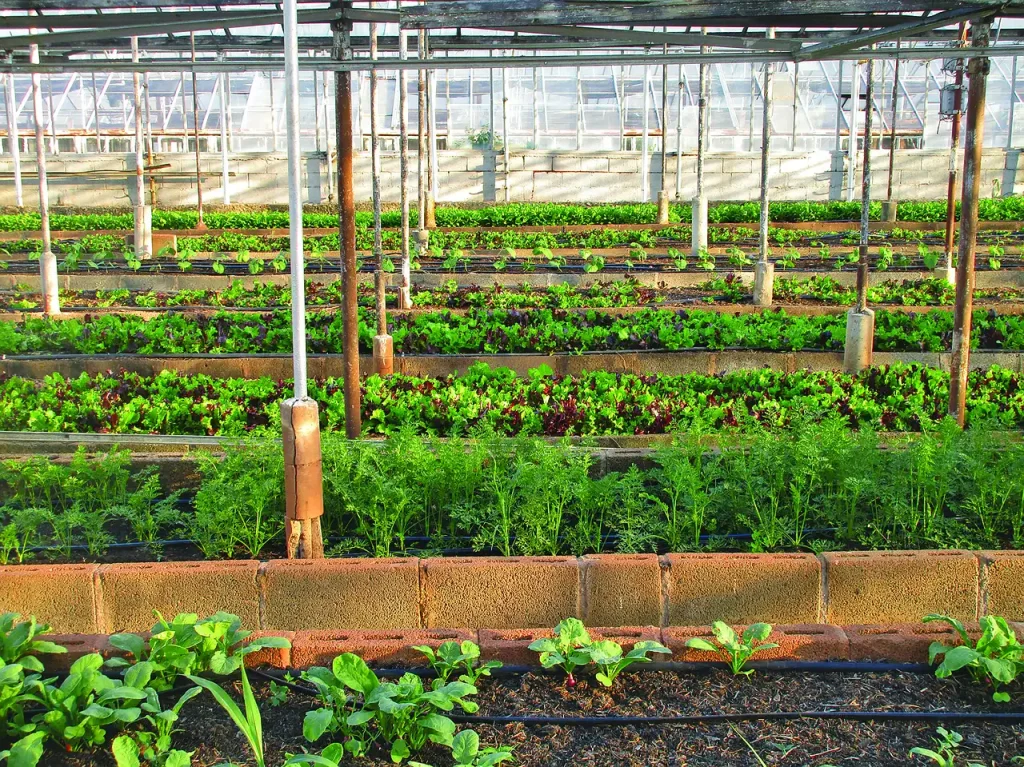
Native plants play a crucial role in regenerative gardening by creating a balanced and resilient ecosystem. You should prioritize these plants because they are adapted to the local climate and soil, requiring less water, fertilizer, and pest control. By cultivating native species, you support pollinators, such as bees and butterflies, which rely on them for food and habitat.
- Support Biodiversity: Native plants attract diverse wildlife, enhancing the ecological stability of your garden.
- Erosion Control: Their root systems prevent soil erosion and improve nutrients.
- Climate Adaptation: Native plants handle extreme weather better than non-native ones.
Integrating native plants not only sustains the environment but also strengthens your garden’s productivity.

Creating Pollinator-Friendly Spaces in Your Garden
Transform your garden into a haven for pollinators by incorporating native plants that thrive in your local environment. Choose flowers with diverse shapes, colors, and bloom times to ensure consistent nectar and pollen availability throughout the year. Avoid chemical pesticides or herbicides, as these harm bees, butterflies, and other beneficial species.
Steps to Encourage Pollinators:
- Plant Diversity: Select a mix of wildflowers, shrubs, and trees to attract different pollinator species.
- Provide Water Sources: Set up shallow dishes or floating stones in a birdbath to offer pollinators a safe place to drink.
- Minimize Disturbance: Leave undisturbed patches for nesting bees and create brush piles for shelter.
Promote biodiversity by providing habitats that pollinators need to thrive.
Natural Pest Control Methods for a Balanced Ecosystem
Using natural pest control methods allows you to protect your garden while fostering ecological harmony. You can start by encouraging beneficial insects, such as ladybugs and lacewings, which feed on harmful pests. Planting native flowers or installing insectary plants attracts these helpful species.
Utilize companion planting to repel pests; for instance, marigolds deter nematodes, while garlic repels aphids. Rotate crops annually to prevent pest cycles from forming. Physical barriers like row covers protect vulnerable plants. For manual removal, inspect plants regularly and remove visible pests by hand. These techniques promote sustainability while maintaining a balanced ecosystem in your garden.

Minimizing Chemical Inputs in Regenerative Practices
Note: This is not case sensitive.Transform Your Garden with Smart Greenhouse Setup and AI Technology
Integrate natural pest management like companion planting or introducing beneficial insects, such as ladybugs. Avoid fertilizers that disrupt microbial activity. Embrace soil testing to meet nutrient demands responsibly, replacing synthetic inputs with organic amendments. Focus on building soil resilience, letting nature repair itself, and maintaining ecological balance. Transition gradually to ensure stability.
Integrating Permaculture Principles into Regenerative Gardening
Incorporating permaculture principles into your regenerative gardening practice allows you to harmonize with nature’s cycles. Start by observing your garden’s patterns—sunlight, water flow, and plant interactions—to understand its unique ecosystem. Focus on designing for sustainability through thoughtful zone planning. By cultivating perennial plants, you ensure consistent yield while minimizing soil disturbance.
Utilize organic mulches to enhance soil health, retain moisture, and suppress weeds. Foster biodiversity by integrating companion planting and attracting beneficial insects. Embrace natural energy flows, using rainwater harvesting and employing solar power where possible. Finally, ensure surplus resources are shared to foster a community-oriented ecosystem.
Steps to Transition from Conventional Gardening to Regenerative Gardening
- Evaluate Your Current Practices Examine your gardening methods, including soil management, pest control, and water usage. Identify areas where synthetic inputs are used or soil health is compromised.
- Build Healthy Soil Shift to organic compost and natural fertilizers. Incorporate cover crops, mulch, and diverse organic materials to improve soil structure and increase microbial activity.
- Adopt No-Till Practices Minimize soil disturbance by avoiding tilling. Use sheet mulching or direct seeding to reduce erosion and retain carbon in the soil.
- Focus on Plant Diversity Introduce a variety of native plants and companion species. A diverse garden supports pollinators, beneficial insects, and resiliency against pests.
- Enhance Water Conservation Implement rainwater harvesting, drip irrigation, or swales. Prioritize hydration efficiency and reduce runoff to protect surrounding ecosystems.
- Eliminate Chemical Inputs Gradually replace synthetic herbicides, pesticides, and fertilizers with organic or homemade alternatives to foster ecological balance.
- Monitor and Adjust Regularly observe changes in soil health, water retention, and biodiversity. Adjust practices as needed to ensure a thriving garden ecosystem.

Measuring and Improving Carbon Sequestration in Your Garden
To measure carbon sequestration in your garden, you can assess soil organic matter levels over time using lab tests or soil health kits. Incorporate practices that improve soil structure, such as maintaining cover crops, utilizing organic mulch, and minimizing soil disturbance. You should focus on planting deep-rooted perennials and native species, as these enhance carbon capture through their extensive root systems. Rotate crops to prevent soil degradation and improve resilience. In addition, aim to maximize green biomass coverage year-round. Finally, compost kitchen waste to enrich soil carbon stocks. These actions collectively enhance your garden’s ability to sequester carbon effectively.
Seasonal Strategies for Maintaining a Thriving Garden Ecosystem
To foster a resilient garden ecosystem, adjust your approach based on seasonal changes. In spring, prioritize soil amendments, incorporating compost to rebuild nutrients lost during winter. Mulching safeguards these amendments while preserving moisture. Summer demands vigilant water management; consider drip irrigation systems to combat evaporation and conserve resources. Autumn is ideal for planting cover crops; they enrich soil fertility and prevent erosion. In winter, minimize disturbance to allow habitats for beneficial insects. Rotate crops yearly to prevent nutrient depletion and pests. Optimize your garden’s biodiversity by selecting native plants suitable for seasonal conditions to create a dynamic, thriving ecosystem year-round.
The Role of Human Impact in Sustaining Regenerative Gardening Principles
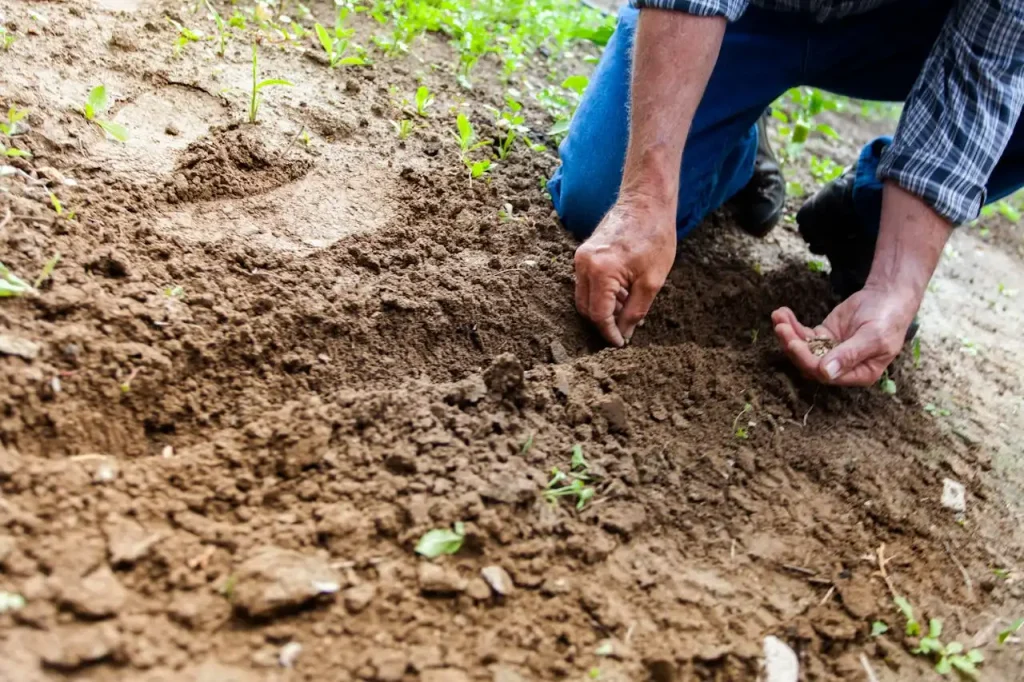
Human involvement plays a pivotal role in ensuring regenerative gardening principles thrive. You influence soil health, biodiversity, and water retention by employing practices that nurture ecosystems. Start by avoiding synthetic chemicals, opting for organic methods to maintain soil balance. Build soil fertility through composting and mulching, enriching the food web that supports microbial life. Implement crop rotation and companion planting for resilience against pests and diseases. Monitor water use, adopting techniques like rainwater harvesting to minimize waste. Foster pollinator habitats and encourage native species growth to bolster biodiversity. Through intentional actions, you establish equilibrium, allowing gardens to adapt and flourish sustainably over time.

Conclusion: A Call to Action for Regenerative Gardening Enthusiasts
Adopting regenerative gardening practices places you at the forefront of environmental stewardship. You hold the power to restore soil health, foster biodiversity, and combat climate change right from your garden. Begin by rethinking your approach to soil cultivation:
- Prioritize organic compost and natural amendments.
- Ensure minimal soil disturbance to preserve microbial ecosystems.
Next, maximize biodiversity by planting native species and incorporating pollinator-friendly flowers. Build resilient systems such as permaculture designs to sustain long-term ecosystem health.
Every small action contributes to a larger collective effort. Your commitment to regenerative gardening shapes a thriving planet for future generations. Accelerate change begin today!