Introduction to Smart Greenhouse Technology
Smart greenhouse technology represents an innovative approach to modern gardening by integrating sensors, Internet of Things (IoT) devices, and artificial intelligence to enhance plant growth and streamline operations. Unlike traditional greenhouses, smart greenhouses are equipped with automated systems capable of monitoring environmental conditions and adjusting variables to optimize plant health. These systems are designed to handle various tasks, such as temperature regulation, humidity control, water distribution, and even lighting adjustments according to the specific needs of different plants.
One of the key components of smart greenhouse technology is sensor integration. Sensors are utilized to gather real-time data related to soil moisture, air temperature, carbon dioxide levels, and other vital metrics. This data is then processed by AI-powered control systems to make precise adjustments, ensuring optimal growing conditions. For example, if the soil becomes dry, the system can automatically trigger irrigation, or if temperatures fall below acceptable levels, heaters can be activated. These processes eliminate human errors and reduce the need for constant manual oversight.

Another crucial aspect is energy efficiency. Smart greenhouses use advanced systems to minimize resource consumption without compromising plant health. Automated lighting solutions employ LED grow lights, which can be programmed to mimic natural sunlight cycles while consuming less power. Furthermore, water systems in smart greenhouses often feature drip irrigation or misting techniques, which are far more sustainable than traditional watering methods.
Smart greenhouse technology also incorporates networking capabilities, allowing gardeners to manage and monitor their systems remotely via mobile apps or web interfaces. Notifications and updates can inform users of any irregularities, enabling swift responses to emerging issues. This level of connectivity transforms traditional gardening into a data-driven activity, combining science and practicality to produce optimal outcomes while conserving resources.
Why Choose Smart Greenhouse Over Traditional Gardening?
A smart greenhouse offers advanced solutions to many challenges faced in traditional gardening practices. Unlike conventional methods, it incorporates technology to create a controlled environment, enabling optimal growth conditions for plants throughout the year. This integration of technological tools ensures precision, efficiency, and sustainability, making it a compelling choice for modern gardeners.
Enhanced Environmental Control
Smart greenhouses equip users with the ability to regulate critical factors such as temperature, humidity, light levels, and soil moisture. Through automated systems and sensors, these settings can be adjusted in real time, ensuring that plants receive exactly what they need to thrive. Traditional gardening, subjected to unpredictable weather patterns and external conditions, lacks this level of control.

Improved Resource Management
In traditional gardening, overwatering or inefficient use of fertilizers often results in wastage and environmental harm. With a smart greenhouse, data-driven monitoring systems optimize the use of water, nutrients, and energy. Automated irrigation and fertilization systems ensure precise application, minimizing waste and reducing costs over time.
Year-Round Cultivation
Seasonal limitations in traditional gardening restrict the types of crops and their growing periods. Smart greenhouse technology circumvents these restrictions by maintaining a stable internal climate throughout the year. This enables gardeners to grow a variety of plants, including exotic or out-of-season species, fostering biodiversity and increased yields.
Remote Monitoring and Management
Traditional gardening requires constant physical presence and manual effort. Smart greenhouses, integrated with AI and IoT tools, allow users to monitor and manage their greenhouse remotely via smartphones or computers. This flexibility is particularly advantageous for busy individuals or those unable to attend to their garden daily.

Enhanced Productivity
AI-driven analytics in smart greenhouses provide actionable insights that help identify issues such as pest infestations or diseases early. By proactively addressing problems, the technology safeguards the health of plants and boosts productivity. This ensures higher-quality produce in greater quantities compared to traditional gardening methods.
Smart technology removes much of the guesswork involved in gardening, making it more accessible for novices while empowering experienced gardeners to refine their techniques.
Key Benefits of Using Smart Gardening Tools
Smart gardening tools introduce precision and efficiency into the realm of horticulture, transforming traditional methods into modern, data-driven practices. These tools offer gardeners advanced solutions to optimize plant care, conserve resources, and achieve healthier yields.
Improved Resource Management
Smart gardening tools help users manage water, nutrients, and energy effectively. Devices such as automated irrigation systems and soil sensors ensure that plants receive only the amount of water and nutrients they need. By preventing overwatering or over-fertilizing, these tools significantly reduce waste while supporting sustainable gardening practices.
Real-Time Monitoring
Integrated sensors deliver real-time data on soil moisture, humidity, temperature, and light conditions. This constant stream of information enables gardeners to address concerns promptly and adjust growth conditions as needed. Such tools minimize guesswork, ensuring that the garden thrives under optimal parameters.

Enhanced Productivity
Automated systems, robotic weeders, and smart planting tools save significant time and effort. Tasks that traditionally require hours of labor can now be completed in a fraction of the time. These tools empower gardeners to focus on nurturing creativity and innovation in garden design rather than mundane maintenance.
Higher Plant Survival Rates
With precise insights into environmental conditions, gardeners can proactively protect plants from stressors such as extreme temperatures, pests, or diseases. Early detection capabilities reduce the risk of plant loss, ensuring higher survival rates and healthier growth across all garden areas.
Energy Efficiency
Many smart gardening devices incorporate energy-saving technologies, such as solar power and energy-efficient systems. These features lower the overall cost of operation while promoting eco-conscious gardening practices, making them suitable for both hobbyists and professionals across diverse climates.
Accessibility to Advanced Analytics
Smart gardening tools often pair with apps or platforms that provide analytics on plant growth trends and environmental patterns. This enables gardeners to make informed decisions backed by data and predictive modeling, elevating gardening from trial-and-error to precision agriculture.

By integrating technology into gardening practices, users benefit from streamlined operations, improved plant health, and sustainable practices, all while increasing the joy and satisfaction derived from cultivating their green spaces.
Essential Features of a Smart Greenhouse
A smart greenhouse leverages innovative technology to optimize plant growth, enhance efficiency, and reduce human intervention. It combines IoT devices, sensors, and AI systems to maintain ideal environmental conditions and maximize productivity. Essential features of a smart greenhouse include:
1. Climate Control Systems
A core aspect of a smart greenhouse is its ability to regulate temperature, humidity, and ventilation automatically. Integrated sensors monitor these factors in real-time and activate fans, heaters, or coolers as needed. The automation ensures plants are consistently in their ideal growth environment without requiring manual operation.

2. Light Management
LED lighting and smart control systems mimic natural sunlight and adjust based on plant-specific needs. These systems extend growing hours or intensify light during low sunshine periods to support uniform growth. Some setups include spectrum-adjustable lighting to cater to different plant varieties and growth stages.
3. Soil and Nutrient Monitoring
Advanced smart greenhouses incorporate soil sensors to measure moisture levels, pH, and nutrient content. This data allows precise irrigation and fertilization, preventing overwatering or undernourishment. AI algorithms analyze trends and offer recommendations for optimal soil management.
4. Automated Irrigation and Fertigation
Automated systems ensure the timely delivery of water and nutrients in precise quantities. IoT-controlled irrigation valves reduce waste and adapt to weather conditions, further improving resource efficiency. Fertigation systems can deliver controlled doses of nutrients directly through irrigation lines.
5. Pest and Disease Management
Smart greenhouses can use AI-equipped cameras to detect pests and diseases at their earliest stages. Alerts are sent to operators, or integrated pest management systems can release targeted biological controls. Preventative action through early detection reduces crop damage.

6. Data Analytics and Remote Monitoring
Cloud-connected devices gather and analyze data on plant growth, environmental conditions, and resource usage. Greenhouse operators can monitor and control systems remotely via smartphone apps or dashboards, ensuring operations remain seamless even from a distance.
7. Energy Efficiency
Energy usage is optimized through systems like solar panels, automated shading, and energy-efficient equipment. Smart algorithms predict energy patterns and operate systems accordingly, minimizing utility costs while maintaining productivity.
With these features, a smart greenhouse transforms traditional gardening into an efficient, data-driven process. By incorporating cutting-edge technology, it ensures higher yields, reduced waste, and more sustainable practices, paving the way for a greener future.
Planning Your Smart Greenhouse Setup: Location and Design
When establishing a smart greenhouse, selecting the optimal location and designing the structure are two critical factors that greatly influence its efficiency and success. These elements need to be carefully evaluated to ensure they align with the intended purpose, crop requirements, and technological integration.
Choosing the Right Location
The location must provide sufficient sunlight, which is vital for photosynthesis and plant growth. Factors such as the direction, shading from nearby structures or trees, and seasonal sunlight variations must be considered. For maximum light exposure, positioning the greenhouse in a location clear of obstructions and orienting it to face south is often recommended, especially in regions with less sunlight during colder months.
Proximity to resources is another consideration. The greenhouse should be located near water and power supplies to facilitate irrigation systems, environmental sensors, and other AI-powered automation tools. Accessibility for routine maintenance tasks is also crucial. Furthermore, it’s essential to assess local weather conditions, including wind patterns, rainfall, and temperature variations. Structures such as windbreaks may be necessary in areas prone to strong winds to protect the greenhouse.

Designing the Greenhouse Structure
The design must incorporate durable materials, such as tempered glass or polycarbonate sheets, to withstand environmental factors while allowing maximum light penetration. Ventilation mechanisms should be prioritized to ensure appropriate airflow and temperature regulation. Options such as automated vent systems, exhaust fans, and shading devices, powered by AI, enhance efficiencies and can reduce manual interventions.
Space planning is key for optimal growth. Dedicated zones for plant beds, equipment, and storage areas should be integrated in a manner that supports seamless operations. Incorporating modular layouts allows flexibility to accommodate growth demands or introduce new technologies. Consideration of insulation methods, like thermal screens, also improves energy efficiency during extreme weather conditions.
The integration of IoT devices and sensors into the design is instrumental in creating a truly smart greenhouse. Incorporating points for cameras, soil sensors, and climate control instruments allows for real-time data collection for AI analysis. This data-driven approach facilitates automation and precise adjustments, ensuring ideal growth conditions for crops consistently.
Investing thought into both location and design not only ensures functionality but also maximizes the benefits smart technology brings to greenhouse farming. Proper planning at these stages lays the foundation for sustainable and profitable operations, driven by AI technology.
Automation in Smart Greenhouses: Sensors, Timers, and Controls
Automation is the backbone of modern smart greenhouse systems, seamlessly integrating advanced technologies to optimize plant growth and resource management. With the integration of sensors, timers, and controls, these systems can monitor, analyze, and adjust environmental conditions without the need for constant human intervention.

Sensors: Precision in Environmental Monitoring
Sensors play a pivotal role in collecting real-time data to ensure optimal growing conditions. They measure a variety of parameters, including:
- Temperature Sensors: Monitor air and soil temperature to adjust heating or cooling systems.
- Humidity Sensors: Track moisture levels in the air to avoid conditions conducive to mold or plant stress.
- Light Sensors: Detect the intensity and duration of sunlight, ensuring proper use of grow lights when natural light is insufficient.
- Soil Moisture Sensors: Analyze water levels in the soil to provide accurate irrigation inputs.
- CO₂ Sensors: Measure carbon dioxide concentration, crucial for photosynthesis and plant health.
By generating precise data, these sensors empower greenhouse systems to respond dynamically to fluctuations in environmental factors.
Timers: Scheduled Precision
Timers support the automation process by enabling pre-set schedules for key greenhouse functions.
- Lighting Control Timers: Implement consistent photoperiods by turning LED grow lights on and off.
- Irrigation Timers: Regulate watering cycles to match soil moisture content and plant needs.
- Ventilation Timers: Manage airflow by scheduling regular intervals for fans or vents to operate.
Timers simplify repetitive processes and promote energy efficiency while aligning with seasonal and daily plant requirements.
Controls: Integrative Command Systems
Control units serve as the central hub, integrating data from sensors and executing automation commands.
- Climate Control Systems: Automatically adjust heating, ventilation, and air conditioning (HVAC) based on sensor feedback.
- Irrigation Controllers: Communicate directly with moisture sensors to deliver water only when it’s necessary.
- Mobile and Remote Access Controls: Allow users to monitor and modify environmental settings via smartphones or web-based interfaces.
Through these intertwined technologies, smart greenhouses offer a scalable and efficient framework to maximize crop yield with minimal manual labor.
Smart Irrigation Systems: Watering Plants Efficiently
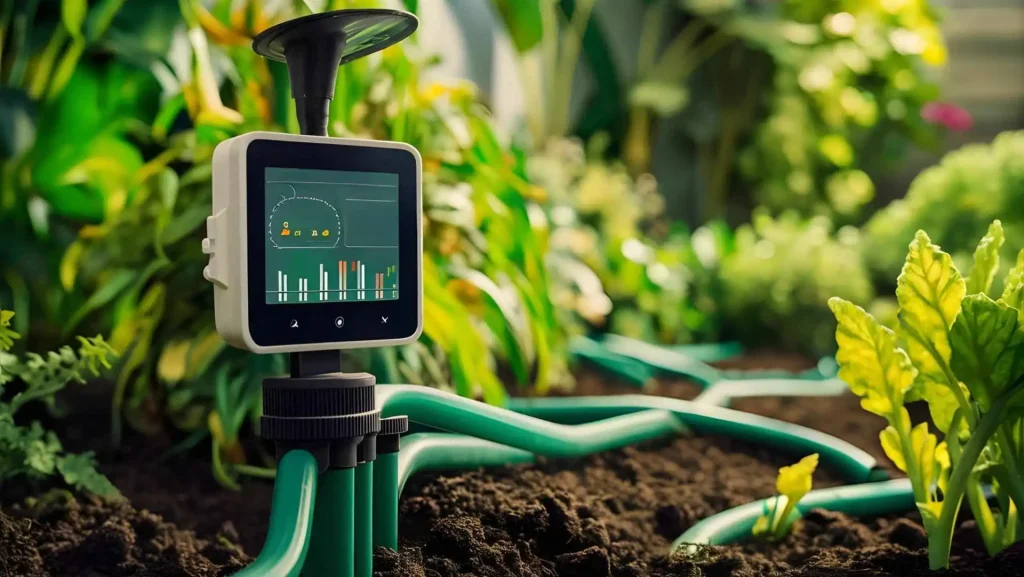
Smart irrigation systems are revolutionizing the way gardeners manage water for their plants, ensuring optimal growth while conserving valuable resources. These cutting-edge systems leverage advanced sensors, automation features, and AI technology to monitor soil moisture, weather conditions, and plant needs in real-time. By tailoring irrigation schedules and amounts, they eliminate guesswork and significantly reduce water wastage, making them an essential tool for sustainable gardening.
Key Features of Smart Irrigation Systems
Smart irrigation systems integrate multiple features to achieve precision watering:
- Soil Moisture Sensors: These sensors measure the water content in the soil, determining when plants need hydration.
- Weather Integration: Many systems sync with weather forecasts to adjust watering schedules based on expected rainfall or temperature changes.
- Automated Timers: Scheduling capabilities allow users to water plants during ideal times, such as early morning or evening, minimizing evaporation.
- Zone Customization: Systems can segment the greenhouse or garden into different zones, catering to varied water requirements based on plant type and size.
Benefits of Smart Irrigation Technology
The adoption of smart irrigation systems offers numerous benefits for gardeners and the environment:
- Resource Optimization: Efficient water usage leads to significant cost savings while maintaining healthy plants.
- Environmentally Friendly: Reduced runoff and minimized overwatering prevent soil erosion and contamination of nearby water sources.
- Plant Health Enhancement: Precise control of water distribution prevents issues like overwatering, ensuring plants thrive.
- Ease of Use: Automated systems require minimal intervention, saving time and reducing labor for gardeners.

Integration with AI in Greenhouse Setups
Pairing smart irrigation systems with AI technology further enhances their capabilities. AI-driven platforms analyze historical data, predict water demand trends, and refine system performance to deliver accurate results over time. For gardens or greenhouses with diverse crops, AI systems can easily distinguish the requirements of individual plants and adjust water delivery to suit their needs seamlessly.
Adopting smart irrigation systems transforms traditional gardening methods, aligning them with eco-friendly practices and modern technological advances. Through innovation, gardeners can achieve a balance between lush, vibrant plant growth and responsible water management.
Climate Control: Temperature, Humidity, and Ventilation Management
Effective climate control is a cornerstone of any smart greenhouse setup, ensuring optimal conditions for plant growth while mitigating risks associated with extreme weather changes. Temperature regulation is critical since different crops thrive within specific temperature ranges. AI-integrated systems harness data from sensors to monitor internal and external temperatures in real-time. By leveraging this information, automated controls adjust heating or cooling systems to maintain consistency. Such dynamic adjustments prevent temperature fluctuations that could hinder photosynthesis or stress plants.
Humidity management plays an equally essential role in plant health. Excess humidity promotes mold and fungal growth, while overly dry air can cause dehydration and reduce the efficacy of nutrient absorption. Smart greenhouse systems employ hygrometers to continuously assess humidity levels. These sensors communicate with dehumidifiers or misting systems to create the optimal balance. For example, during high heat, automated misting can elevate humidity levels quickly, preventing plant wilting and ensuring the continuity of growth.

Ventilation is another critical component, as proper air circulation facilitates gas exchange, regulates temperature, and reduces humidity. Automated vent controls respond to sensor feedback, opening or closing to enhance airflow. Ceiling fans or sidewall vents may also be integrated to supplement natural ventilation. Based on specific crop needs, AI systems can calculate and implement targeted airflow patterns to achieve uniform climate conditions.
By integrating these climate control components temperature, humidity, and ventilation—smart greenhouse technology ensures precision management, fostering healthy plant development and improving resource efficiency. Such advancements represent a quantum leap forward in modern horticultural practices.
Energy Efficiency and Sustainable Practices in Smart Greenhouses
Smart greenhouses are redefining energy management and sustainability in modern agriculture by integrating advanced technologies that optimize resource utilization. These systems leverage real-time data from sensors and AI algorithms to reduce energy waste, improve operational efficiency, and foster environmentally conscious practices.
A key component of energy efficiency in smart greenhouses involves the use of automated climate control systems. These systems regulate temperature, humidity, and ventilation according to plant needs and external weather conditions, minimizing reliance on traditional heating or cooling mechanisms. For instance, dynamic ventilation systems can automatically open or close vents to ensure proper air circulation while reducing the need for energy-intensive equipment.
Lighting systems in smart greenhouses also contribute significantly to sustainability. Light-emitting diode (LED) grow lights are commonly employed over traditional lighting solutions due to their lower energy consumption and longer lifespan. Smart lighting setups can dynamically adjust light intensity and spectrum based on plant growth stages, ensuring optimum photosynthesis while conserving electricity.
Renewable energy sources like solar panels and geothermal systems are increasingly being integrated into smart greenhouse designs. These alternatives not only reduce dependency on fossil fuels but also align with global sustainability goals by lowering greenhouse gas emissions. Energy storage systems, such as battery arrays, can store excess energy generated during the day for use during nighttime operations.
Water conservation practices are equally integral to sustainability. Advanced irrigation systems equipped with soil moisture sensors can deliver precise amounts of water directly to the root zone, preventing over-irrigation and reducing water waste. Some systems also recycle and purify runoff water for reuse, further improving efficiency.
Through predictive analytics, AI-driven systems can forecast plant needs and energy requirements, allowing greenhouse operators to optimize schedules for lighting, heating, and irrigation dynamically. By mitigating resource overuse and prioritizing renewable solutions, smart greenhouses embody innovation that marries productivity with ecological responsibility.
Monitoring Plants: Using AI and IoT for Growth Optimization
Harnessing the power of Artificial Intelligence (AI) and the Internet of Things (IoT) has revolutionized modern greenhouse practices, enabling precision monitoring and tailored adjustments for optimal plant growth. Through advanced sensors and interconnected devices, growers can collect real-time data on various environmental factors, ensuring that conditions are consistently aligned with the specific needs of each plant species.
Key Factors Monitored by AI and IoT

- Temperature and Humidity: IoT-enabled sensors continuously gather information about ambient temperature and relative humidity within the greenhouse. AI algorithms interpret this data to identify deviations and automatically adjust climate controls, maintaining ideal conditions for plant health.
- Light Levels: Photometric sensors measure sunlight intensity and artificial light usage. By analyzing light patterns, AI systems ensure plants receive adequate photosynthesis-promoting light during critical growth stages, improving yield efficiency.
- Soil Moisture and Nutrient Levels: A combination of moisture detectors and nutrient sensors embedded in the soil provides insights into water absorption rates and nutrient concentrations. Automated irrigation systems, powered by AI insights, deliver the precise amount of water and fertilizer, reducing waste and preventing undernourishment.
- Air Quality: IoT monitoring tools track carbon dioxide levels and other airborne pollutants to maintain a clean growing environment. AI systems predict airflow requirements and adjust ventilation systems accordingly.
Benefits of AI and IoT Monitoring
- Data-Driven Decision-Making: Continuous monitoring ensures real-time insights, giving operators the ability to address issues proactively before they affect plant health.
- Resource Optimization: Automated control of irrigation, lighting, and temperature reduces excessive energy and water consumption.
- Enhanced Plant Performance: Precise environmental adjustments improve growth rates, resilience, and overall harvest quality.
The seamless integration of AI and IoT enables growers to cultivate well-defined environmental ecosystems tailored to each crop’s requirements. It minimizes human errors while enhancing efficiency and sustainability in greenhouse management.
Smart Greenhouse Apps and Software Insights
Smart greenhouse apps and software have emerged as indispensable tools for managing and optimizing greenhouse operations with precision. These solutions integrate seamlessly with IoT devices, enabling real-time monitoring and control over critical environmental factors such as temperature, humidity, and light levels. By leveraging advanced analytics and machine learning algorithms, these platforms provide actionable insights, ensuring optimal plant growth and yield.
Many applications are designed to cater to diverse needs, from novice gardeners to commercial agriculturalists. Essential features often include remote control via smartphones or tablets, detailed plant health tracking, and data visualization dashboards. Software like Growlink, Autogrow, and Netafim exemplify this trend, offering cloud-based automation complemented by predictive analytics models that adapt to growing conditions. Such systems also help reduce resource wastage by delivering precise water, nutrient, and energy usage recommendations.

Integration with AI-powered decision-making tools is another critical aspect. These programs can analyze environmental data in real time and suggest modifications—such as adjusting fan speeds or modifying lighting schedules—to maintain a stable and conducive growth environment. Moreover, app-based notifications alert users to issues like pest infestations, enabling interventions before significant damage occurs.
Users can also benefit from the ability to manage tasks using preconfigured schedules. Functions such as irrigation timing, misting, and ventilation adjustments are often automated, eliminating the need for manual interventions. Cloud connectivity ensures access to data and controls from virtually anywhere, enhancing convenience and efficiency.
Emerging trends include augmented reality (AR)-assisted planting guides and blockchain integration for supply chain traceability. These advancements further elevate the potential of smart greenhouse technologies, making them a cornerstone of modern horticultural practices.
Top Smart Gardening Technologies and Devices in the Market
Innovative gardening technologies continue to redefine how individuals nurture and maintain their green spaces. Smart gardening devices are designed to automate processes, conserve resources, and optimize crop yield, making them indispensable for modern growers. Here are some leading technologies and devices available in the market today:
1. Smart Irrigation Controllers
Smart irrigation controllers allow users to manage water usage efficiently. These devices connect via mobile apps and use weather data, soil moisture readings, and plant-specific needs to adjust watering schedules. Top models include Rachio 3 and Orbit B-hyve, which reduce water waste and ensure optimal hydration for plants.

2. Automated Climate Control Systems
Automated climate control systems regulate temperature, humidity, and air circulation in greenhouses. Advanced systems like the ELMECO Climate Manager integrate sensors and controllers to create the ideal growing environment, improving plant health and productivity.
3. Intelligent Soil Sensors
Soil sensors monitor vital metrics like pH levels, moisture content, and nutrient concentration. Devices such as the Xiaomi Mi Flora and Teralytic Sensor provide real-time insights, enabling precise adjustments to soil conditions.
4. LED Grow Lights
Smart LED grow lights help optimize light intensity and spectrum based on a plant’s growth stage. Devices like the Philips GreenPower and GE Arize Lynk reduce energy consumption while promoting vigorous plant development.
5. AI-Powered Garden Assistants
AI-powered assistants like Verdmo and Growbot leverage machine learning to identify plant health issues, recommend solutions, and automate care tasks. These tools deliver actionable insights through smartphone apps.
6. Robotic Weed Removers
Weed-removal robots, including the Tertill and FarmBot, autonomously manage weeds in garden beds. Using sensor-driven navigation and precision tools, these devices eliminate the need for manual labor.

Adopting these smart gardening technologies not only streamlines gardening workflows but also promotes sustainability and increased yield efficiency.
Common Challenges and Troubleshooting in Smart Greenhouse Setup
Connectivity Issues
Smart greenhouses frequently rely on Wi-Fi, Bluetooth, or other wireless communication protocols to integrate devices and systems. Weak internet signals or disruptions can hinder data transfer and control. Ensuring a strong, reliable network with appropriate range extenders or mesh Wi-Fi systems is essential. Additionally, interference from nearby electronic devices can impact connectivity, requiring careful placement of equipment.
Sensor Calibration
Environmental sensors, including those measuring temperature, humidity, and soil moisture, may lose accuracy over time. Incorrect calibration or failure to regularly recalibrate leads to unreliable readings, which can compromise automation algorithms. Greenhouse operators should follow manufacturer guidelines for recalibration and periodically test sensors to verify their performance.
Power Supply Reliability
Uninterrupted power is critical for continuous operation of smart greenhouse systems. Power outages or fluctuations can interrupt automated processes and damage sensitive equipment. Backup solutions, such as uninterruptible power supplies (UPS) or solar-powered systems with batteries, can mitigate potential disruptions.
Software Integration
The integration of various hardware with the central control system can be challenging due to compatibility issues or software bugs. Proprietary software often struggles with third-party components, leading to limited functionality or operational errors. Testing for compatibility and relying on platforms with open APIs can improve integration success.
Environmental and Pest Control
AI technology enables automated control of greenhouse climate, but inaccurate data or system errors might inadequately manage temperature or humidity, stressing plants. Additionally, some systems fail to identify certain pests or diseases accurately, potentially delaying intervention. Regular monitoring and leveraging hybrid approaches, like manual inspection alongside AI tools, can resolve such challenges.
Maintenance and System Scalability
Expanding or upgrading components in the system can lead to conflicts with existing infrastructure. Maintenance of advanced equipment, such as cameras or actuators, also demands specialized knowledge, leading to increased costs. Investing in modular systems that allow easy upgrades and working with trained technicians can alleviate these concerns.
Normalizing these obstacles through proactive strategies eases operations and optimizes greenhouse performance.
Saving Costs with DIY Smart Greenhouse Projects
Investing in smart greenhouse technology does not have to strain budgets, as Do-It-Yourself (DIY) projects provide an affordable alternative to costly commercial systems. By leveraging accessible tools and technology, gardening enthusiasts can build efficient systems tailored to their needs, significantly reducing setup and maintenance costs.
Benefits of DIY Greenhouse Initiatives
DIY projects allow gardeners to customize their greenhouses while saving on expenses. The flexibility of creating systems from scratch ensures that individuals can prioritize features, such as automated irrigation or temperature control, based on their specific requirements. Furthermore, assembling hardware and integrating technology independently reduces upfront costs associated with professional installation services.
Affordable Components and Materials
Accessible tools and mechanisms, such as recycled materials, inexpensive sensors, and open-source software, are key to DIY greenhouse projects.
- Recycled Materials: Used wood, polycarbonate panels, or repurposed windows can reduce construction costs without sacrificing durability.
- Affordable Sensors: Soil moisture meters, light sensors, or temperature probes available at low prices can provide essential data for maintaining optimal growing conditions.
- Open-Source Software: Platforms like Arduino or Raspberry Pi allow gardeners to program and control devices efficiently, offering affordable alternatives to commercially sold smart systems.
Steps for Cost-Effective DIY Setup
- Plan and Budget: Define the key objectives for growth and automation, ensuring a clear budget for materials.
- Select Tools: Identify affordable hardware and user-friendly technology platforms compatible with greenhouse requirements.
- Build the Structure: Use lightweight yet sturdy materials to construct the greenhouse framework.
- Install Sensors: Position cost-efficient sensors strategically for real-time data collection and adjustments.
- Integrate Controls: Set up an automation system to manage irrigation, temperature, and lighting with minimal manual intervention.
- Test and Optimize: Conduct regular evaluations to ensure systems function efficiently and customize settings as needed.
Importance of Strategic Integration
The success of DIY smart greenhouses lies in balancing cost savings with functionality. Strategic integration of sensors and automation tools optimizes plant growth while keeping expenses low. This combination benefits hobbyists and experienced gardeners alike, proving that technology-focused gardening can remain within reach for all.
Future Trends in Smart Greenhouse Technology
The ongoing evolution in smart greenhouse technologies is continually enhancing agricultural efficiency, sustainability, and productivity. Several emerging trends are reshaping the future of this field by integrating cutting-edge tools and processes into traditional cultivation techniques.

1. Integration of AI-Powered Autonomous Systems
Artificial Intelligence (AI) is becoming instrumental in automating greenhouse operations. Advanced machine learning algorithms are expected to analyze real-time data such as temperature, humidity, and plant health to make precision adjustments in greenhouse environments. Autonomous drones and robots could also gain prominence, conducting seeding, pruning, and harvesting tasks with minimal human intervention while maintaining high accuracy.
2. IoT Connectivity for Enhanced Ecosystem Control
The Internet of Things (IoT) remains at the core of smart greenhouse advancements. Future systems are expected to feature more interconnected devices, enabling growers to monitor various parameters remotely through centralized dashboards. Wireless sensors and smart controllers will provide actionable insights, leading to streamlined resource management and reduced reliance on manual labor.
3. Vertical Farming Integration

Urban agriculture is driving the adoption of vertical farming within smart greenhouses. This trend maximizes space efficiency by employing stacked layers of crops, supported by hydroponic or aeroponic systems. Coupled with intelligent lighting, vertical farming ensures year-round production regardless of external climate conditions, which strengthens food security across urban and semi-urban areas.
4. Renewable Energy Adoption
Future greenhouse setups will likely integrate renewable energy sources such as solar panels and wind turbines. Energy-efficient technologies, including LED grow lights and smart irrigation systems, will pair with these renewables to reduce the carbon footprint of agricultural practices.
5. Blockchain for Supply Chain Transparency
Blockchain technology is projected to play a significant role in traceability within smart greenhouse operations. By documenting every stage of plant cultivation, this innovation ensures transparency and promotes consumer trust, particularly in organic and specialty crop markets.

As these trends unfold, they promise to redefine how growers approach food production in the years to come.
Conclusion: The Impact of Smart Greenhouses on Gardening
The integration of smart greenhouses with AI technology has redefined traditional gardening by introducing unprecedented precision and efficiency. These systems empower gardeners to monitor and regulate vital growing conditions such as temperature, humidity, light, and soil health with exactitude. By leveraging advanced sensors and automated processes, smart greenhouses enable the optimization of resource usage, minimizing waste while ensuring that plants receive tailored care based on real-time data.
AI-driven analytics further enhance these capabilities by offering predictive insights into plant growth cycles, pest control, and optimal harvesting times. This not only saves time for gardeners but also significantly improves yield quality. For businesses in agriculture, such systems create opportunities to scale production sustainably, catering to the increasing demand for high-quality produce.

Moreover, smart greenhouses bring inclusivity to gardening. They lower the barrier for beginners with user-friendly interfaces and guided approaches, while experienced gardeners gain access to tools designed to explore advanced cultivation techniques. Through smartphone applications, AI-powered control systems allow for remote management, ensuring peace of mind even when away from the garden.
Beyond individual impacts, adopting this technology contributes to global sustainability efforts. Reduced reliance on chemical inputs, lower water consumption, and minimized environmental impact demonstrate the ecological benefits of smart greenhouses. This becomes especially crucial in addressing challenges such as climate change and food security.
As the horticultural landscape evolves, the adoption of AI-enhanced smart greenhouses promises to revolutionize how gardens are designed, maintained, and cultivated, reshaping the relationship between people, technology, and the natural world. The synergy between innovation and nature is paving the way for a brighter, greener future.