Winter can be brutal for soil. Falling temperatures slow microbial activity, damage plant roots, and reduce nutrient availability. Without proper care, soil loses warmth quickly, leading to weak plants and poor yields in spring. This is where winter soil warmth retention strategies become essential.
In this in-depth, this guide, you’ll learn practical, proven, and sustainable methods to keep your soil warm during winter. Whether you’re a home gardener, farmer, or horticulture student, these strategies will help you protect roots, improve soil health, and ensure stronger plant growth when temperatures rise again.

Top Winter Soil Warmth Retention Strategies
1. Mulching: The Most Effective Method
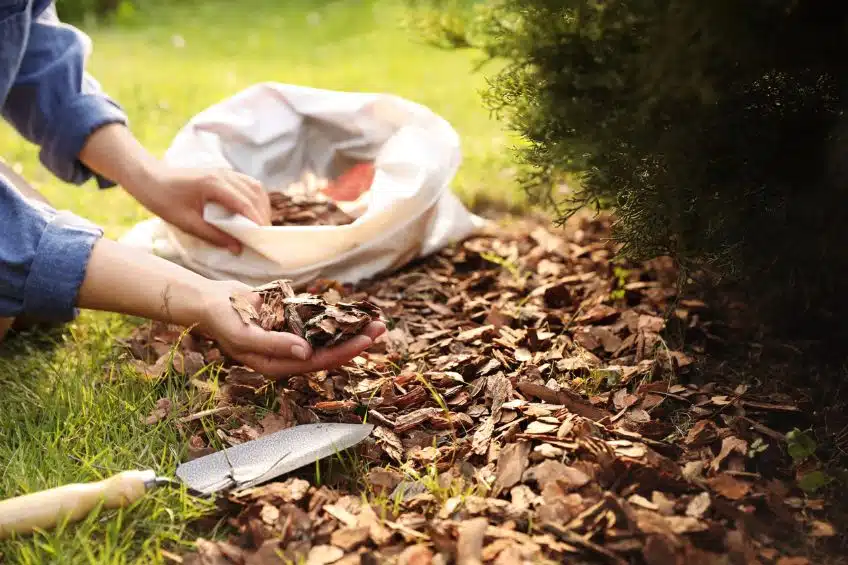
Mulching is the cornerstone of winter soil warmth retention strategies. A thick mulch layer acts as insulation, reducing heat loss and preventing sudden temperature drops.
Best mulch materials for winter:
- Straw or hay
- Dry leaves
- Pine needles
- Wood chips
- Compost
How to apply:
- Spread 2–4 inches for mild winters
- Use 4–6 inches in extreme cold regions
- Keep mulch slightly away from plant stems
Mulch also improves moisture retention and adds organic matter as it decomposes.
2. Organic Matter Enrichment
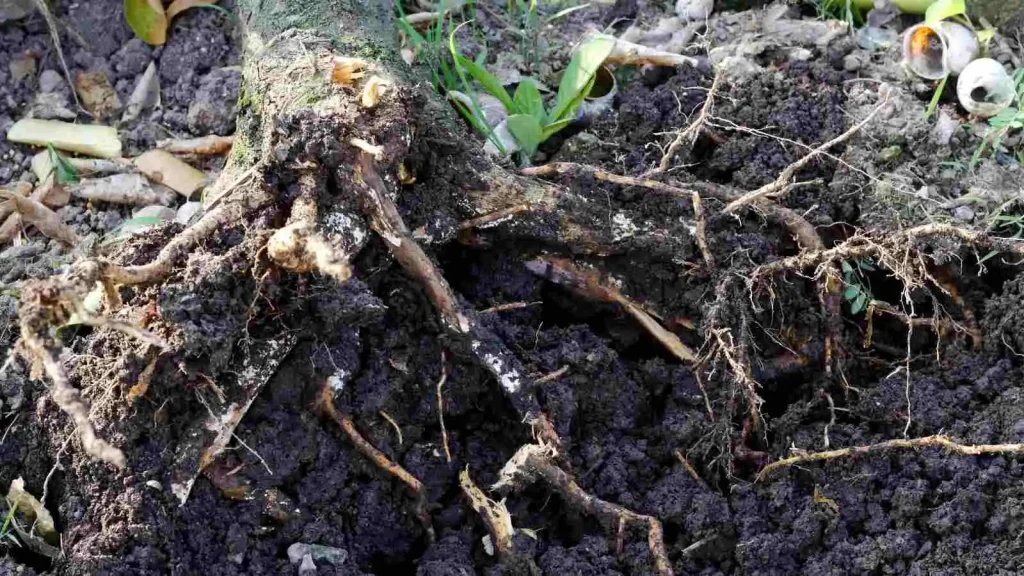
Soil rich in organic matter holds warmth better than sandy or compacted soil. Compost, manure, and leaf mold improve soil structure and heat retention.
Benefits:
- Traps heat within soil pores
- Enhances microbial activity
- Improves nutrient availability
- Prevents soil compaction
Apply organic matter in late fall so it integrates before winter frost.
3. Cover Crops for Living Insulation
Cover crops provide natural insulation and protect soil from direct exposure to cold air.
Best winter cover crops:
- Rye
- Clover
- Winter wheat
- Vetch
These crops:

- Reduce heat loss
- Prevent erosion
- Improve nitrogen levels
- Support soil microbes
Even when dormant, cover crops act as a protective blanket.
4. Raised Beds for Better Heat Control
Raised beds warm faster and retain heat better than ground-level soil.
Why raised beds work:
- Improved drainage prevents excessive cooling
- Better aeration retains warmth
- Easier insulation with mulch and covers
Adding wooden or stone borders further reduces heat loss.
5. Use of Row Covers and Garden Fabric
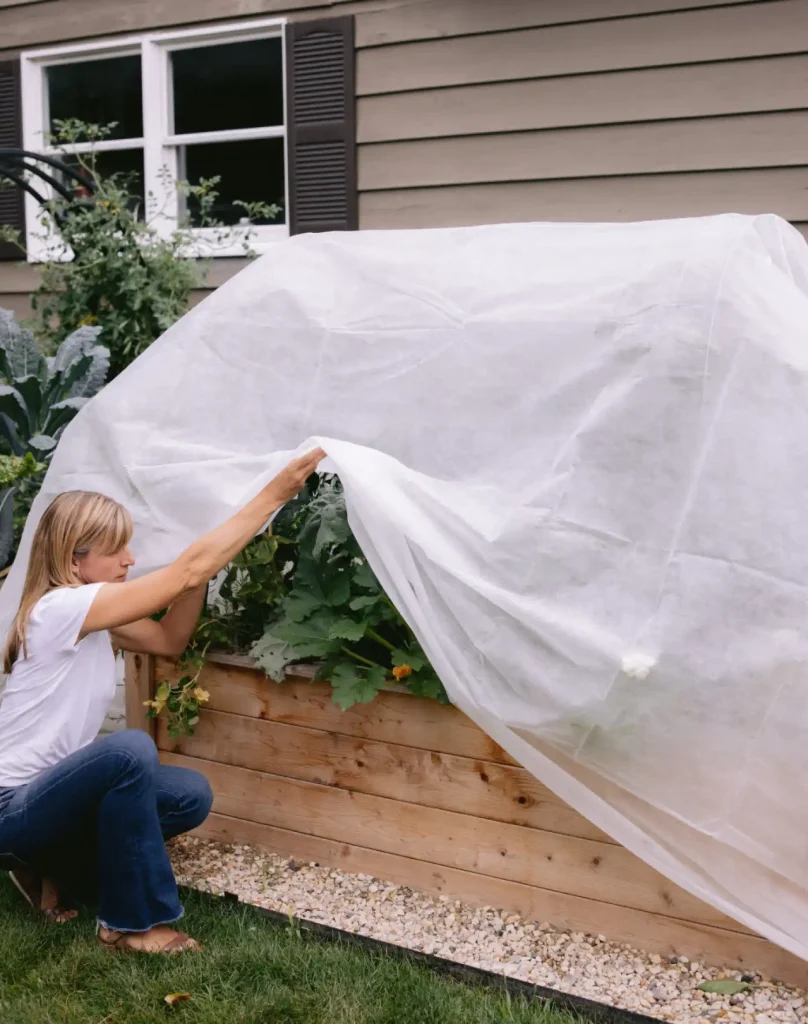
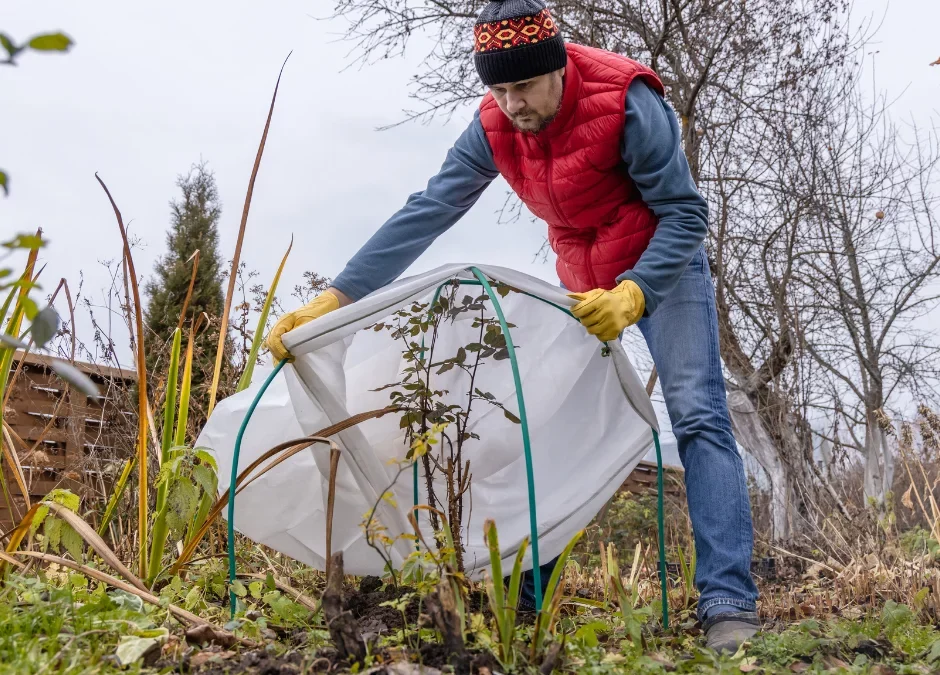
Row covers create a microclimate that traps heat near the soil surface.
Common materials:

- Floating row covers
- Frost cloth
- Garden fleece
These covers:
- Increase soil temperature by 2–5°C
- Reduce frost damage
- Allow light and moisture penetration
Use them during extreme cold nights for maximum effect.
6. Plastic Mulch and Polythene Sheets
Plastic mulch is widely used in agriculture to retain soil warmth.
Advantages:
- Excellent heat retention
- Reduces evaporation
- Prevents weed growth
Caution:
- Avoid waterlogging
- Remove or perforate to allow airflow
- Prefer biodegradable plastic for sustainability
7. Wind Barriers and Shelter Belts
Cold winds significantly reduce soil temperature. Installing barriers helps trap warmth.
Effective wind barriers include:
- Fences
- Hedges
- Crop rows
- Temporary plastic sheets
Sheltered soil maintains a more stable temperature throughout winter.
8. Proper Irrigation Management
Surprisingly, slightly moist soil retains heat better than dry soil.
Winter irrigation tips:
- Water during daytime
- Avoid overwatering
- Ensure proper drainage
Moist soil absorbs daytime heat and releases it slowly at night.
9. Compost Heaping Technique
Composting directly on garden beds before winter generates natural heat through microbial activity.
How it helps:
- Produces internal warmth
- Enhances soil fertility
- Protects soil structure
This is especially useful for vegetable gardens and orchards.
Troubleshooting Table: Winter Soil Warmth Problems
| Problem | Likely Cause | Solution |
|---|---|---|
| Soil freezing too fast | Bare soil surface | Apply 4–6 inches of mulch |
| Plant roots damaged | Poor insulation | Use row covers + mulch |
| Waterlogged cold soil | Excess irrigation | Improve drainage, reduce watering |
| Poor spring growth | Low organic matter | Add compost before winter |
| Frost heaving | Repeated freeze-thaw cycles | Mulch heavily, use cover crops |
| Soil stays cold | Wind exposure | Install wind barriers |
Final Thoughts
Implementing effective winter soil warmth retention strategies is essential for protecting your soil, plants, and future harvests. From mulching and cover crops to raised beds and wind barriers, each method contributes to a warmer, healthier soil ecosystem.
By preparing your soil before winter arrives, you ensure that it remains biologically active, structurally stable, and ready for rapid growth when spring begins. Whether you manage a small garden or large farmland, these strategies will help you maintain productivity year after year.
Start today, because healthy soil in winter means thriving plants in spring.