When winter sets in, most gardeners worry about one thing keeping their crops safe from frost and freezing temperatures. While cold weather can be harsh on plants, nature itself provides several effective ways to protect your crops. By using natural insulation methods, you can help your soil retain warmth, shield plants from cold winds, and ensure healthy growth all season long without relying on artificial materials or costly equipment.
In this guide, we’ll explore the best natural insulation methods for winter crops, their benefits, and easy steps to apply them in your home garden or farm.
Why Winter Insulation Is Important for Crops?
When temperatures drop, plants face stress from freezing soil, cold winds, and lack of moisture. The roots, the lifeline of the plant are especially vulnerable.
Here’s why natural insulation is so valuable:
- Prevents frost damage: Keeps soil temperature steady to protect roots.
- Conserves soil moisture: Reduces water loss from evaporation.
- Improves soil health: Organic materials decompose slowly, enriching the soil with nutrients.
- Encourages early spring growth: Warm, well-insulated soil helps plants bounce back quickly.
- Eco-friendly and cost-effective: Uses readily available natural materials with no harm to the environment.
Natural insulation acts like a warm blanket for your crops it doesn’t stop the cold, but it keeps the soil environment stable enough for plants to survive and thrive.
1. Mulching: Nature’s Winter Blanket
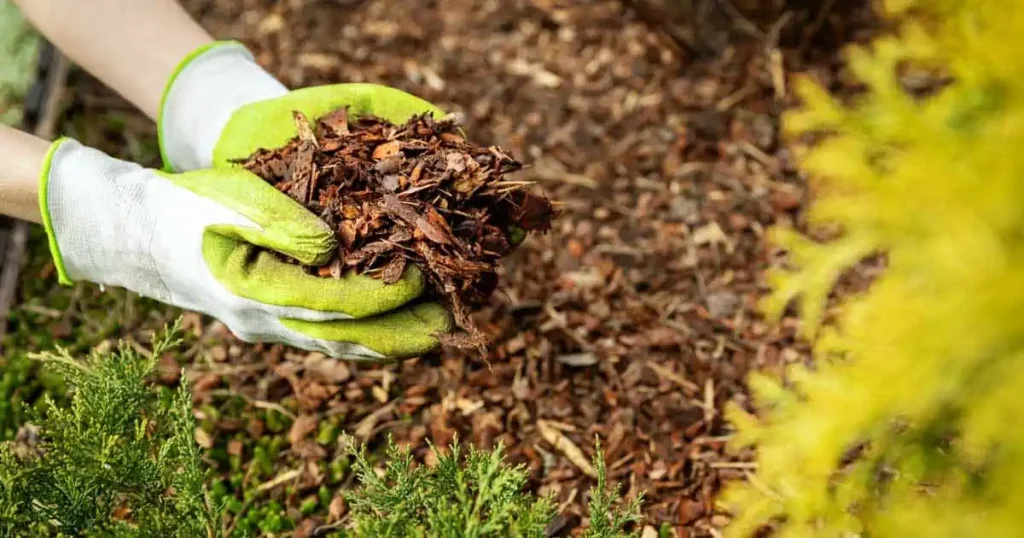
Mulching is one of the most effective and widely used natural insulation methods. It covers the soil, helping trap warmth and prevent freezing.
Best Mulching Materials:
- Straw or Hay: Excellent for covering vegetable beds and root crops.
- Dry Leaves: Readily available and biodegradable.
- Compost or Manure: Adds nutrients while insulating the soil.
- Wood Chips or Bark: Long-lasting and great for perennial plants.
How to Apply:
- Clear weeds and water the soil before applying mulch.
- Spread a 2–4 inch layer evenly over the soil surface.
- Avoid piling mulch against plant stems to prevent rot.
Pro Tip: For extra protection, add a thin compost layer under your mulch, it locks in warmth and provides nutrients all winter.
2. Leaf Litter Insulation

Fallen leaves are one of nature’s best insulators. Instead of raking and discarding them, use them to your advantage.
Benefits:
- Forms a natural, breathable barrier.
- Slowly decomposes, enriching the soil with organic matter.
- Provides habitat for beneficial insects.
How to Use:
Pile dry leaves around the base of your winter crops and garden beds. To prevent them from blowing away, lightly sprinkle water over the top or secure them with twigs or netting.
Tip: Shred the leaves first for even coverage and quicker decomposition.
3. Cover Crops: Living Insulation

Planting cover crops (also known as green manure) is another great natural method to protect soil and crops in winter.
Best Cover Crops for Insulation:
- Clover
- Winter Rye
- Oats
- Vetch
- Mustard
These plants create a living layer over the soil, reducing erosion and acting as a barrier against cold winds.
Benefits:
- Prevents nutrient loss.
- Keeps soil active with microbial life.
- Adds organic matter when tilled back into the soil in spring.
How to Use:
Sow seeds in early autumn before the first frost. Once they mature, let them cover the soil all winter. In spring, till them into the ground as a natural fertilizer.
4. Compost Layering

Adding a layer of compost over the soil before winter is an excellent insulation strategy. Compost not only warms the soil but also releases nutrients as it decomposes.
Why It Works:
Decomposition is a natural heating process. As microorganisms break down organic matter, they generate warmth, creating a natural heat source for plant roots.
How to Apply:
- Spread a 1–2 inch layer of mature compost over garden beds.
- Top it with mulch or straw for double insulation.
This method works perfectly for raised beds and vegetable patches.
5. Grass Clippings

If you have access to grass clippings from mowing, they can serve as a quick and effective insulator for winter crops.
Benefits:
- Retains soil moisture.
- Adds nitrogen to the soil.
- Easy to apply and composts naturally.
How to Use:
Allow fresh clippings to dry for a day or two before spreading a 1–2 inch layer around plants. Avoid thick piles to prevent mold.
6. Evergreen Branches or Pine Needles
Evergreen branches are another excellent natural insulation material, especially after trimming holiday trees or pruning shrubs.

Why They Work:
The needles trap air, which acts as a thermal buffer between the soil and cold air.
How to Use:
- Lay branches gently over garden beds or rows of crops.
- Use pine needles for lightweight, breathable insulation around delicate plants.
Bonus: They also repel some pests and prevent weeds in early spring.
7. Raised Garden Beds
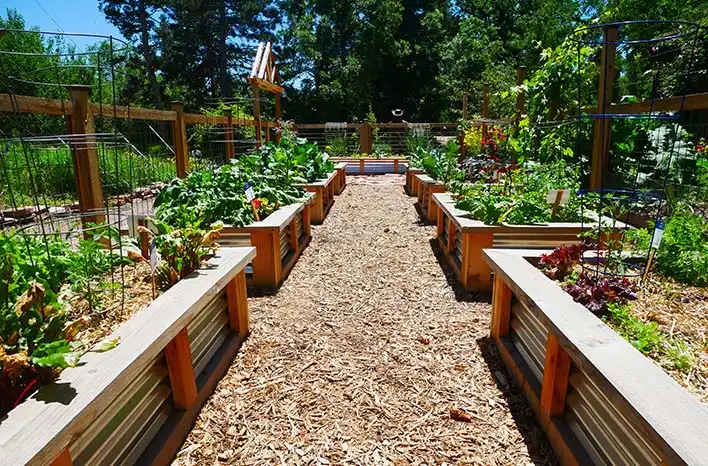
While not a material, raised beds naturally provide better insulation and drainage in winter. The soil warms faster during sunny days and stays loose, preventing freezing at root level.
To maximize insulation:
- Line the bed with straw or cardboard before filling.
- Add a thick layer of mulch after planting.
- Use compost-rich soil for natural warmth.
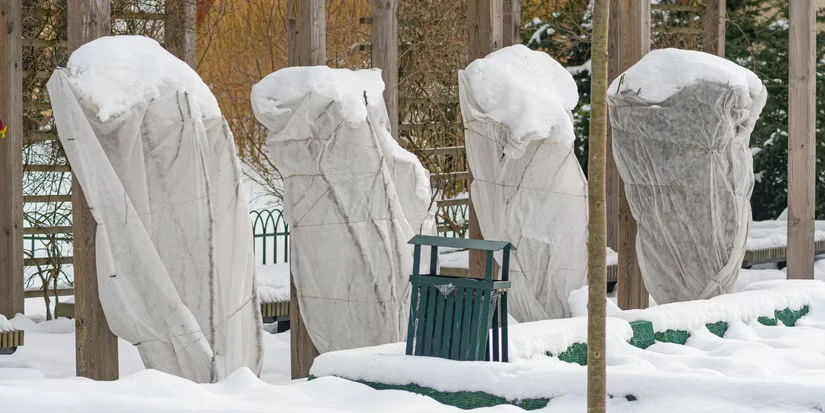
8. Using Row Covers or Natural Cloth

For crops that need extra protection, lightweight row covers made from natural materials like burlap or cotton can help trap heat without blocking sunlight.
Benefits:
- Shields plants from frost and wind.
- Allows air and moisture exchange.
- Biodegradable and reusable.
Simply drape the cloth over stakes or hoops, securing the edges with soil or stones.
9. Soil Preparation Before Winter

Before insulation even begins, healthy soil makes the biggest difference. Well-drained, nutrient-rich soil resists freezing and retains warmth better.
Steps to Prepare Soil:
- Add compost or organic manure in late autumn.
- Loosen compacted areas for better aeration.
- Avoid overwatering, damp soil freezes faster.
This base preparation ensures that insulation methods work effectively.
10. Companion Planting for Protection
Some plants naturally shield others from harsh winds or frost. For example:

- Tall kale or cabbage can protect smaller greens like spinach or lettuce.
- Garlic and onions planted along borders act as natural barriers.
Companion planting combines insulation with pest control, a true win-win for organic gardeners.
Final Thoughts
Protecting your crops in winter doesn’t have to rely on expensive solutions. Nature provides everything you need to create a warm, protective layer for your soil and plants.
By using natural insulation methods like mulching, leaf litter, cover crops, and compost, you can keep your garden healthy, fertile, and ready for spring planting.
Remember, the key to success is balance enough insulation to retain warmth, but not so much that your plants can’t breathe. With a little preparation and the right materials, your winter garden can thrive even under the frostiest skies.