Your tomato plants could be wilted and droopy after spending too much time in the sun on a hot afternoon; on the other hand, there are a lot of green tomatoes on them which you have been taking care of all summer. Fortunately, when tomato plants droop and wilt due to excessive heat there are things you can do to fix them quickly, using tried-and-true methods.
Throughout this page we will explain the primary causes of tomato plants wilting caused by intense heat; we will help you differentiate between simple sun stress and more serious situations that may require medical intervention (i.e. disease) Let’s get your wilty plants to thrive again and grow some fantastic homegrown tomatoes!
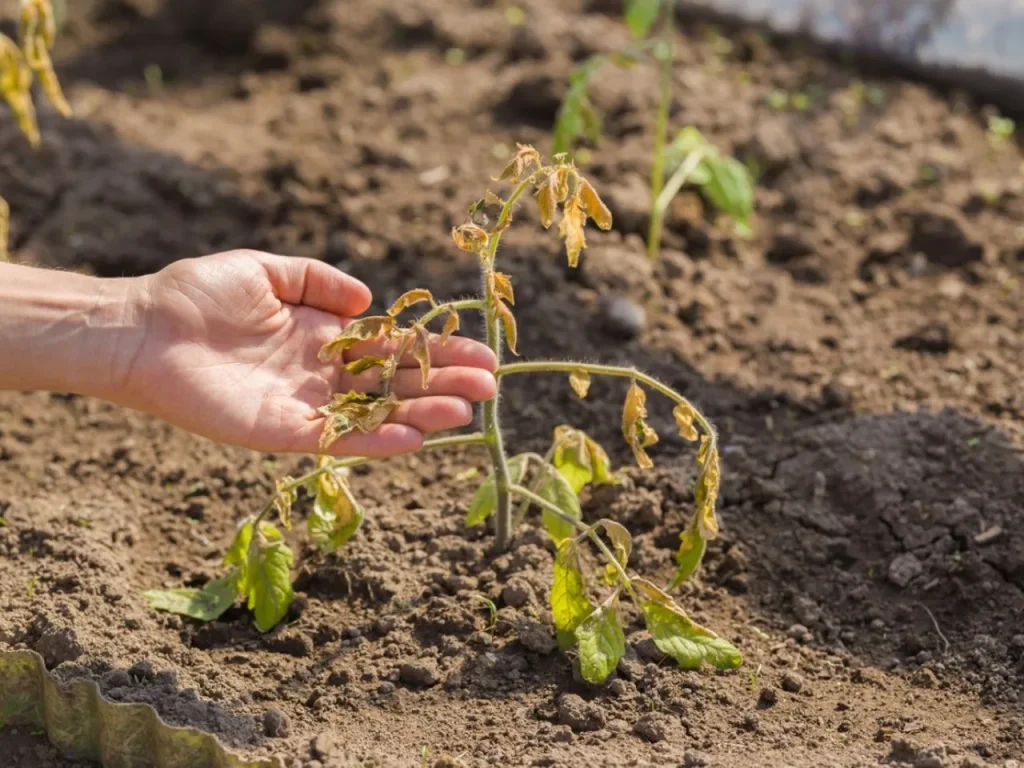
The #1 Reason: Heat Stress and Temporary Tomato Plants Wilting (Physiological Wilt)
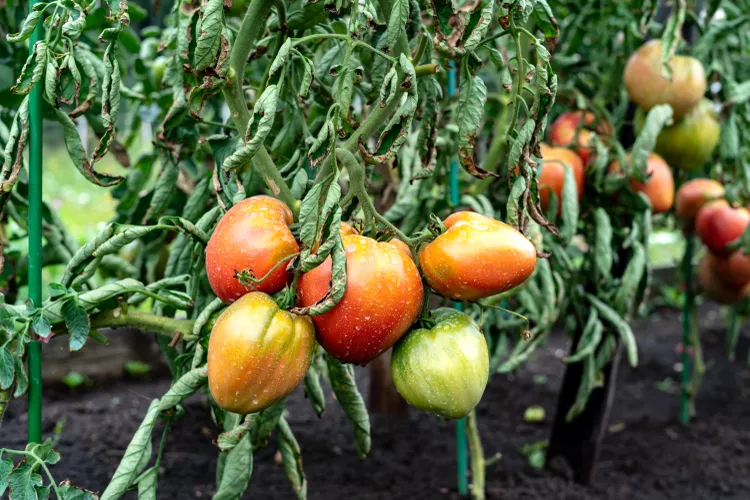
Tomatoes are warm-season lovers, but they have limits. When temperatures climb above 90–95°F (32–35°C) – especially with direct hot sun – plants wilt as a protective mechanism. They close stomata (tiny leaf pores) to reduce water loss through transpiration, causing leaves to droop.
Key signs of heat stress wilting:
- Wilting starts in the afternoon, worst during peak sun.
- Plants perk up in the evening or overnight when cooler.
- No yellowing, spots, or permanent damage yet.
- Soil may still feel moist.
This is temporary physiological wilt – not a disease. Plants “shut down” to conserve water when roots can’t supply leaves fast enough in extreme heat.
Quick fix: Water deeply in the morning or evening (not midday when evaporation is high). Mulch heavily to cool soil and retain moisture. Provide temporary shade during the hottest hours.
Other Common Causes of Wilting in Hot Sun
While heat stress tops the list, rule out these culprits for persistent wilting:
- Underwatering or Inconsistent Moisture Hot sun evaporates soil water fast. Shallow roots dry out quickly, even if you watered “recently.” Fix: Deep, infrequent watering (1–2 inches per week, more in heat). Check soil 2–4 inches down – water if dry.
- Root Damage or Poor Drainage Compacted soil, root-bound pots, or transplant shock limits water uptake. Fix: Loosen soil around roots gently; repot container plants if needed.
- Blossom End Rot (Often Worsens in Heat) Calcium deficiency from uneven watering shows as dark sunken spots on fruit bottoms – but plants may wilt too. Fix: Consistent moisture + calcium boost (crushed eggshells or lime in soil).
- Fungal Wilts (Verticillium/Fusarium) Soil-borne fungi block vascular system; wilting one-sided or permanent, no recovery at night. Fix: Remove/destroy plant; rotate crops; plant resistant varieties (VFNT labels).
- Bacterial Wilt Sudden wilt even with moist soil; stems ooze bacterial slime when cut. Fix: Remove plant immediately; avoid replanting solanaceae in spot for years.
- Pests (e.g., Root-Knot Nematodes, Stalk Borers) Damage roots or stems, reducing water flow. Fix: Inspect roots; use beneficial nematodes or remove borers.
Proven Fixes: Step-by-Step Rescue Plan for Wilting Tomato Plants
Act fast – most heat-stressed tomatoes recover if you intervene early. Install drip irrigation for consistent moisture.
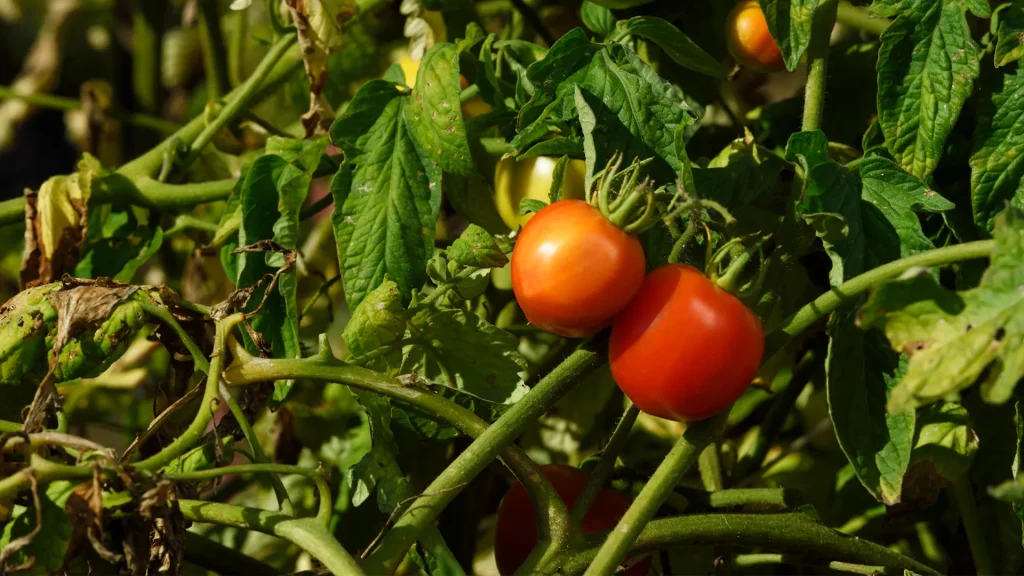
Assess the Situation Check soil moisture, time of day, and if plants recover overnight. Cut a wilted stem – clear water flow = heat stress; brown/blocked = disease.
Water Deeply and Correctly
- Water at base (drip/soaker hose) early morning or evening.
- Apply 1–2 gallons per mature plant in heat waves.
- Mulch 2–4 inches (straw, leaves) to cool soil and hold moisture.
Provide Shade Immediately
- Use shade cloth (30–50% shade), old sheets, umbrellas, or plant taller companions.
- Afternoon shade (2–6 PM) prevents worst wilting.
- Add compost or organic mulch for better water retention.
- Side-dress with balanced fertilizer if growth lagged (avoid excess nitrogen in heat).
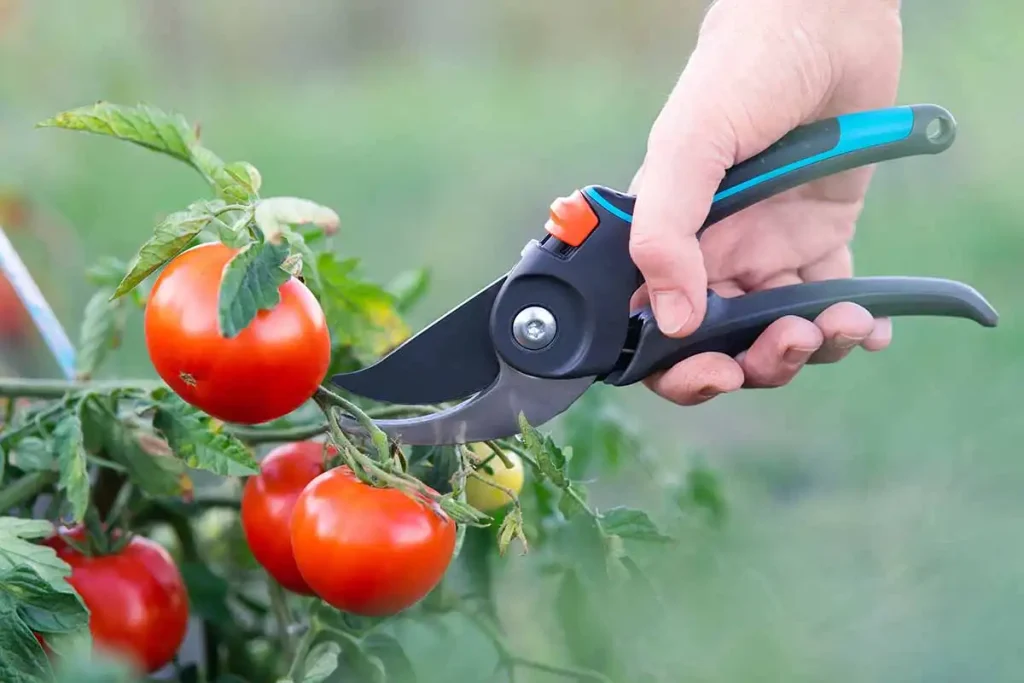
Prune Strategically
- Remove lower leaves touching soil; thin dense foliage for airflow.
- Don’t over-prune – stressed plants need leaves for recovery.
Long-Term Prevention
- Plant heat-tolerant varieties (e.g., ‘Heatmaster’, ‘Solar Fire’).
- Space plants 2–3 feet apart for airflow.
- Use reflective mulch to cool soil.
Bonus: Heat-Tolerant Tomato Varieties to Plant Next Year
Switch to these for fewer wilting headaches:
- Determinate varieties – bushier, quicker harvest before peak summer heat.
- ‘Solar Fire’, ‘Heatmaster’,’Phoenix’ – bred for extreme heat.
- Cherry types like ‘Sun Gold’ or ‘Sweet 100’ – often more resilient.
Don’t Let Hot Sun Ruin Your Tomato Harvest – Act Now!
When tomato plants wilt in the hot sun, it’s usually a sign that they need soil protection, regular watering, and shade. Most plants recover and continue to produce with simple solutions like morning watering, deep mulching, and afternoon shade.
Check your tomatoes at noon the next time the temperature is predicted to reach 95°F or higher. Take these actions right away if they’re drooping. It’s essential for your future BLTs, caprese, and salsa!
Have you struggled with tomatoes that wilted in the heat? What did you find to be the most effective? Let’s support one another in growing stronger tomatoes by leaving a comment below with any advice or queries you may have!