If you’re annoyed with tiny pale lines on your tomato plant leaves, freaky looking tops of onions or funky shaped peppers, you’re most probably experiencing a thrip invasion in your veggie plot. The great news is there are many different ways to naturally and organically fix thrips on vegetable, using tried and true methods without using toxic pesticides to save the valuable crop you’ve produced, as well as protect beneficial insects and the environment.
Some of the organic solutions will include cultural controls, various natural sprays and biological controls, with research backing the results of these methods provided by university extension services, experienced gardeners and practical experience.
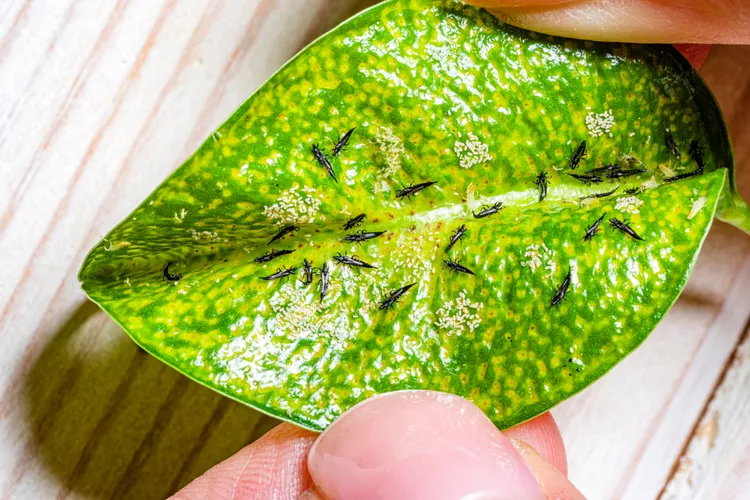
Step 1: Early Detection – Scout Your Garden Regularly to Fix Thrips On Vegetable
Prevention starts with monitoring.
- Inspect weekly: Shake leaves over white paper – thrips drop and crawl.
- Check undersides of leaves, flower buds, and stem crevices with a 10x hand lens.
- Use blue or yellow sticky traps near plants – thrips are attracted to blue.
- Act at first sign – small populations are easier to control.
Step 2: Cultural Controls – Make Your Garden Less Thrips-Friendly
These low-effort habits reduce infestations dramatically.
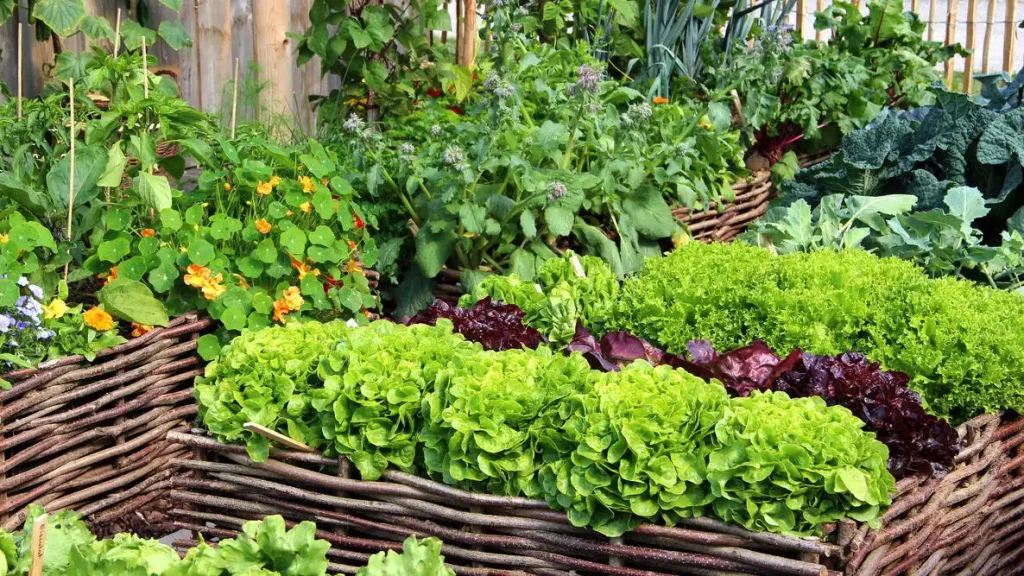
- Row covers: Use fine-mesh floating covers over seedlings/transplants to block flying adults. Remove during flowering for pollination.
- Reflective mulches: Silver or aluminum mulch disorients thrips and repels them (effective early season).
- Plant spacing & pruning: Improve airflow; thin dense foliage to reduce humidity pockets.
- Crop rotation: Avoid planting susceptible veggies in the same spot yearly.
- Weed control: Remove weeds (many host thrips).
- Water blasts: Strong hose spray (morning) knocks thrips off plants – repeat often.
- Healthy soil/plants: Strong plants resist better – use compost, balanced organic feed.
Step 3: Organic Sprays & Treatments That Really Work
Target thrips with contact or repellent options – apply evenings, cover undersides thoroughly, repeat every 3–7 days.
Proven favorites:
- Insecticidal soap: Smothers soft-bodied thrips. Mix per label (e.g., Castile soap + water); safe on edibles.
- Neem oil: Disrupts feeding, growth, reproduction. Dilute with soap; apply weekly. Great preventive.
- Spinosad (organic-approved): Derived from soil bacteria; highly effective on thrips. Use Entrust formulation; follow label.
- Pyrethrin/pyrethrum: Natural knockdown from chrysanthemums; apply 2–3 times 3–4 days apart.
- Diatomaceous earth (food-grade): Dust undersides; abrades exoskeletons (reapply after rain).
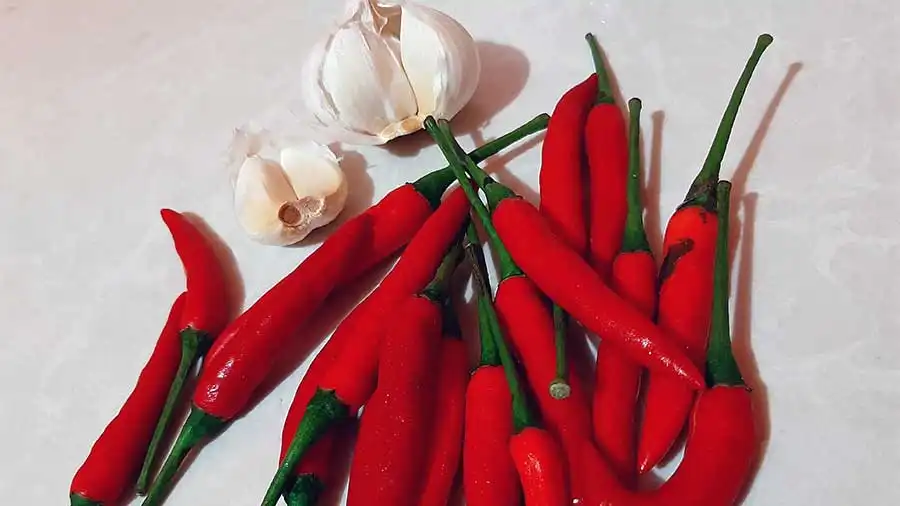
- DIY garlic/chili spray: Blend garlic + hot peppers + water; strain; spray to repel.
Test sprays on small area first; avoid hot sun to prevent burn.
Step 4: Biological Controls – Let Nature Help
Encourage or introduce predators for long-term suppression.
- Beneficial insects: Minute pirate bugs (Orius), lacewings, predatory mites (Amblyseius cucumeris), ladybugs.
- Predatory nematodes: Soil application targets pupating thrips.
- Attract helpers: Plant dill, fennel, alyssum, marigolds, yarrow for nectar/pollen.
Release beneficials after reducing thrips numbers – avoid sprays that kill them.
Step 5: Integrated Approach – Combine Methods for Best Results
No single fix works perfectly – layer strategies:

- Scout + row covers early.
- Water blasts + reflective mulch.
- Neem/soap sprays weekly.
- Release predatory mites/bugs.
- Spinosad for heavy outbreaks.
Monitor after treatments – adjust as needed.
Troubleshooting Table: Common Thrips Issues & Fixes
| Issue/Symptom | Likely Cause | Quick Fix / Prevention | Effectiveness |
|---|---|---|---|
| Silver streaks on leaves | Early feeding damage | Hose blast + neem/soap spray weekly | High |
| Curled/distorted new growth | Heavy infestation in buds | Prune affected tips; spinosad + improve airflow | Very High |
| No reduction after sprays | Poor coverage or resistance | Alternate neem/spinosad/pyrethrin; thorough undersides | High |
| Thrips return after rain | Washed-off treatments | Reapply after rain; use mulch/reflective barriers | Medium-High |
| Beneficial insects dying | Spray timing/choice | Avoid broad sprays; release after knockdown | Essential |
| Virus symptoms (wilt/spots) | Thrips as vectors | Remove infected plants; focus on prevention | Critical |
| Thrips in soil/pupae stage | Hidden life cycle | Beneficial nematodes; soil drench with neem | High |
| Low success overall | Overcrowding/high humidity | Increase spacing; trellis; row covers | Very High |

Keep Your Veggie Garden Thriving Thrips-Free!
Although thrips are difficult to defeat, you can gain an advantage by utilizing biological allies, organic sprays, cultural practices, and early detection. Your tomatoes, peppers, beans, and greens will reward you with robust, bountiful harvests if you begin your scouting now, select resistant cultivars when feasible, and apply these tried-and-true techniques.
Have you tried any of these solutions? In your garden, what has worked best? Let’s beat thrips together! Post your questions or experiences in the comments section.