Are you dealing with extremely hot summers, water limitation, or soils that drain too swiftly? Consider plant in a gravel garden (also known as dry or xeriscape gardens with gravel beds) as a way to add beautiful and low maintenance landscaping to your hot, dry climate area. Gravel gardens only require minimal amounts of water to grow effectively; they reflect heat and limit weed growth while highlighting drought tolerant plants that look full of life, even without regular watering.
Examples of places where a gravel garden would be ideal include the United States’ Southwest region, parts of California, Texas, Arizona, the southern UK during dry seasons, southern European style gardens, or in any hot/dry region. Gravel gardens reflect the look of rock formations within their natural state and can be created while saving both water and time.
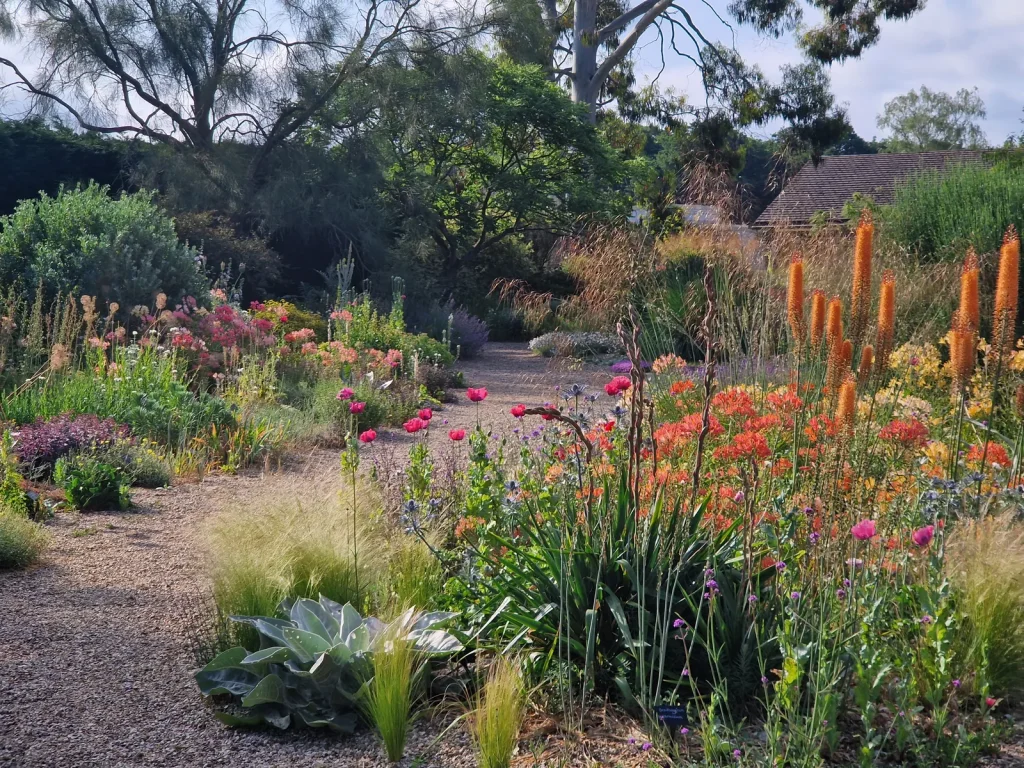
In this comprehensive guide, you’ll find step-by-step directions on how to develop and plant a gravel garden successfully from pre-planting preparation to planting and maintaining your gravel garden, along with the types of plants you can use. Eliminating high-water use lawns and replacing them with durable, attractive landscapes that do not require excessive irrigation will make you feel good about your landscaping choices!
Step-by-Step: How to Plant In a Gravel Garden in Arid Conditions
Choose the Right Site Pick a sunny spot (6-8+ hours direct sun) with good natural drainage. South-facing slopes or flat areas work best. Avoid low-lying spots that collect water. Prepare the Soil
- Remove turf, weeds, and debris.
- Loosen soil 8-12 inches deep.
- Add minimal compost (avoid rich amendments – lean soil encourages tough roots).
- Improve drainage if needed with grit, sand, or raised berms.
- Optional: Lay permeable weed-suppressing membrane (landscape fabric) – cut holes for plants.
Planting Technique (The Key to Success)
- Dig generous holes (twice the root ball width).
- Dunk plants in water until saturated before planting.
- Remove excess potting mix from roots (encourages adaptation to lean soil).
- Plant slightly high so crowns sit above gravel level.
- Water deeply at planting (soak root zone thoroughly).
- Space plants generously (allow for mature spread) – think natural drifts of 3-5 plants.
Apply Gravel Mulch
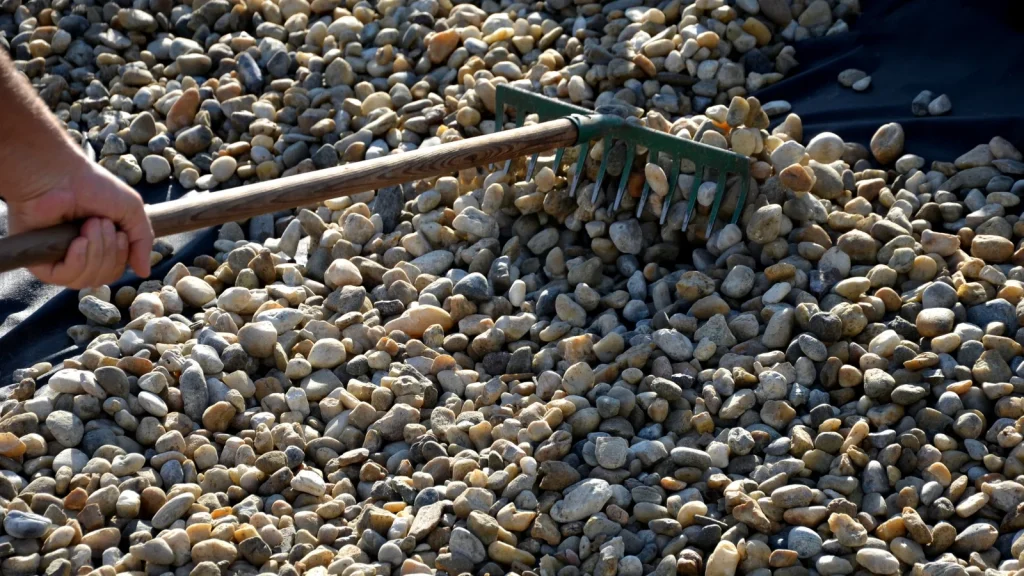
- Use 2-3 inches of washed gravel, pea gravel, crushed stone, or decomposed granite (light colors reflect heat better).
- Choose angular gravel for stability and weed control.
- Leave small “bowls” around new plants to trap rainwater.
- Gravel depth: 2-4 inches ideal for hot climates.
Establishment Watering Water deeply every 5-7 days for first 4-6 weeks. Taper off as roots establish (usually by end of first season). Most plants then need little to no extra water.
Best Drought-Tolerant Plants for Gravel Gardens in Hot Dry Climates
Select plants native or adapted to arid, rocky conditions – silver/grey foliage, hairy leaves, or succulents store moisture.
Proven winners:
- Lavender (Lavandula angustifolia or x intermedia) – Fragrant, purple blooms, silver foliage.
- Russian Sage (Perovskia atriplicifolia) – Airy purple spikes, aromatic, tall structure.
- Sedum/Stonecrop – Succulent groundcovers, colorful flowers, evergreen in mild winters.
- Yarrow (Achillea) – Flat-topped blooms in yellow/pink/white, ferny foliage.
- Agastache(Hummingbird Mint) – Spiky flowers attract pollinators, aromatic.
- Santolina (Lavender Cotton) – Yellow button flowers, grey-green mounds.
- Cistus (Rockrose) – Mediterranean shrub, crinkled flowers, evergreen.
- Gaillardia (Blanket Flower) – Daisy-like blooms, long season.
- Euphorbia (select drought types) – Architectural form, chartreuse bracts.
- Ornamental Grasses (e.g., Blue Grama, Feather Grass) – Movement, texture.
- Succulents like Agave, Yucca, or Delosperma – Bold structure.
- Texas Sage (Leucophyllum) – Silvery leaves, purple blooms after rain.

Group by water needs (hydrozoning): toughest plants farthest from water sources.
Essential Care Tips for Long-Term Success
- Water carefully: Deep roots are developed by deep, infrequent watering. Drip irrigation should only be used during setup.
- Minimal pruning: Steer clear of heavy feeding and remove dead material in the spring.
- Without fertilizer, plants remain compact and drought-tolerant under lean conditions.
- Weed control – Hand-pull early; gravel prevents most regrowth.
- Winter protection – In borderline zones, mulch crowns lightly.
These practices keep maintenance near zero after year one.
Proven Planting Strategies Table for Hot Dry Gravel Gardens
| Strategy | Why It Works in Hot/Dry Climates | How to Implement | Pro Tip / Expected Benefit |
|---|---|---|---|
| Choose Drought-Resistant Varieties | Genetics adapted to low water & heat | Select PMR or xeriscape-labeled plants (Lavender, Russian Sage, Sedum) | Reduces failure rate by 70-80% |
| Deep Planting Holes + Dunking | Gives roots strong start in lean soil | Dunk pots, remove rich mix, plant high | Faster establishment, deeper roots |
| Generous Spacing & Drifts | Maximizes airflow, reduces humidity pockets | 2-4 ft between plants; groups of 3-5 | Lowers fungal risk, natural look |
| Light-Colored Gravel Mulch | Reflects heat, cools soil surface | 2-3″ layer, light tones (white/gray) | Lowers soil temp 5-10°F, suppresses weeds |
| Hydrozoning | Matches water needs to zones | Group thirsty near house; toughest at edges | Saves water, healthier plants |
| Vertical/Architectural Elements | Improves airflow, adds height without sprawl | Add Yucca, Agave, or tall grasses | Creates visual interest, better circulation |
| Minimal Soil Amendment | Encourages tough, deep roots | Add grit/sand only; avoid rich compost | Prevents leggy growth in heat |
| Morning Watering + Drip Only | Leaves dry quickly, no wet foliage | Water AM; target roots | Prevents fungal diseases like powdery mildew |
| No Overhead Watering | Keeps leaves dry | Use soaker/drip; avoid sprinklers | Critical in humid evenings |
| Establishment Phase Watering | Builds root system fast | Deep soak weekly first 4-8 weeks, then taper | Plants survive on rain after year 1 |
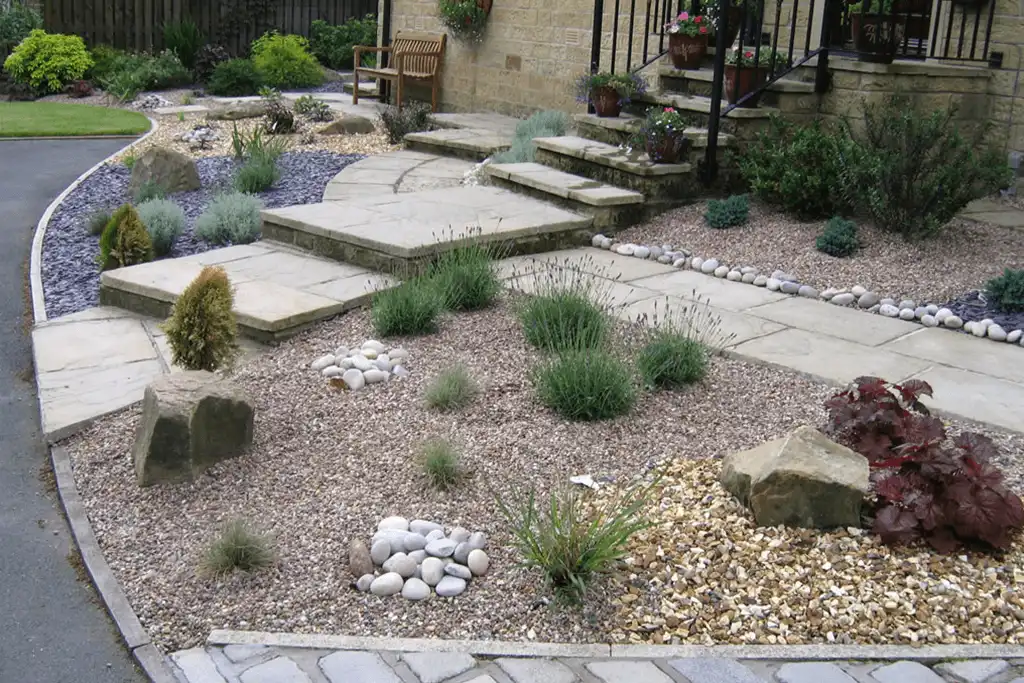
Follow this table as a checklist for success!
Start Your Gravel Garden Today!
The key to planting a successful gravel garden in hot, dry climates is choosing the right plant, preparation, and mulch. Select drought-tolerant cultivars, mulch liberally, plant deeply, and let nature take care of the rest.
Are you prepared to create a low-water masterpiece in your yard? Grab some gravel, pick resilient plants, and get digging. Your future self (and water bill) will thank you!
Which drought-tolerant plant are you most excited to try? Drop a comment below – let’s inspire each other!