Are you thinking of how you can cultivate ginger plants at home without a tropical climate? The nice thing is this is actually very easy to do! Ginger (Zingiber officinale) is a great beginner garden crop that produces well, requires very little effort once established, and can be grown in pots, raised beds, or indoors even in cool climates like the United States, United Kingdom, Canada, and Northern Europe. If you’re wondering how do I grow ginger plants successfully, the good news is that it only takes a few simple steps to get started.
This guide is geared toward novice gardeners/home growers and provides detailed information on how do I grow ginger plants from choosing a rhizome to planting and caring for it, harvesting the crop, and common issues encountered when growing ginger. Since ginger is a tropical plant, it has a preference for warmth and humidity, as well as nutrient-dense soil, so mimicking its native habitat will allow you to have a continuous source of ginger no matter what (especially if you are growing in containers that can be moved indoors). Are you ready to produce this unlimited amount of ginger? Let’s get started!
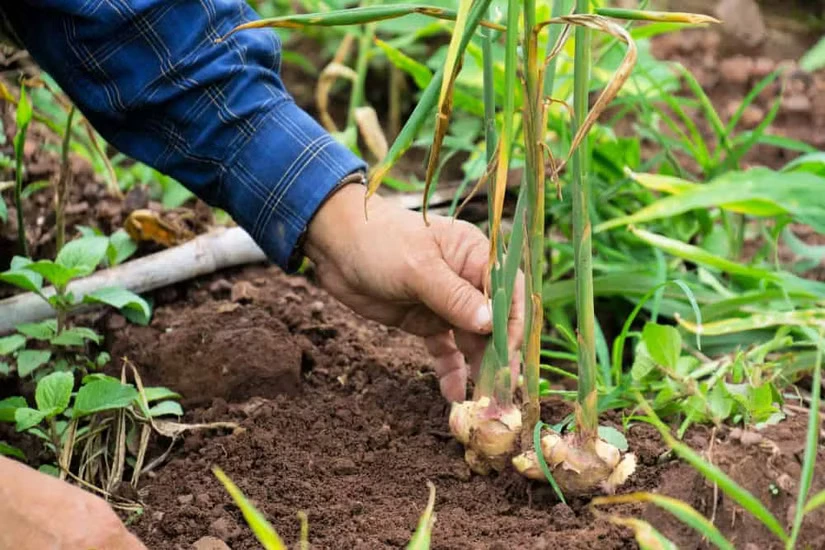
Choosing the Best Ginger Rhizomes to Start With
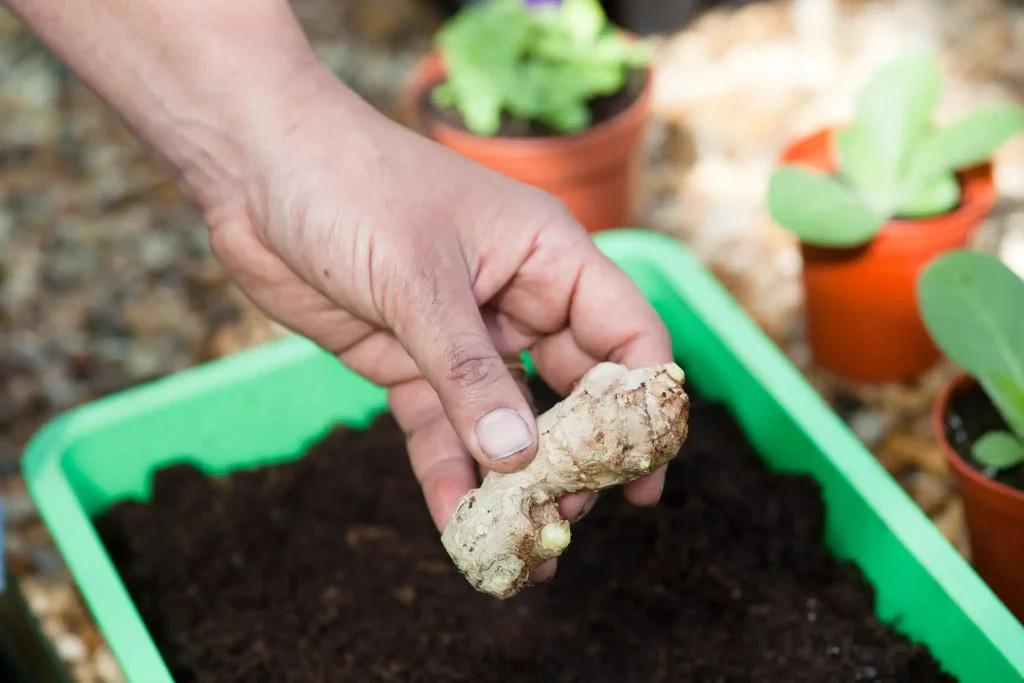
Skip fancy seeds – use organic store-bought ginger!
Tips for selection:
- Pick plump, firm rhizomes with smooth skin.
- Look for “eyes” (small green buds or growth points) – like potato sprouts.
- Avoid shriveled, moldy, or overly dry pieces.
- Organic is best – conventional may have sprout inhibitors (wash well if not).
Cut large rhizomes into 1-2 inch pieces with at least one eye each. Let cuts dry 1-2 days to callus over.
When and Where to Grow Ginger Plants
- For ginger to grow, it requires warm soil (ideally between 21°C and 29°C) and needs to have a minimum soil temperature of 13°C for it to grow at all.
- Ginger should be started indoors late winter/early spring (February-March) and transplanted outdoors after the last frost when the nighttime temperature is above 15 °C.
- Ginger should be planted indoors in a bright, indirect light and can be grown outdoors in filtered sunlight. When placing ginger outdoors, try to find a shady area.
- Ginger can be grown in containers, but you will have to use a wide and shallow planter (12+ inches) to allow for the horizontal growth of the ginger rhizome. Use pots that have drainage holes and good soil drainage.
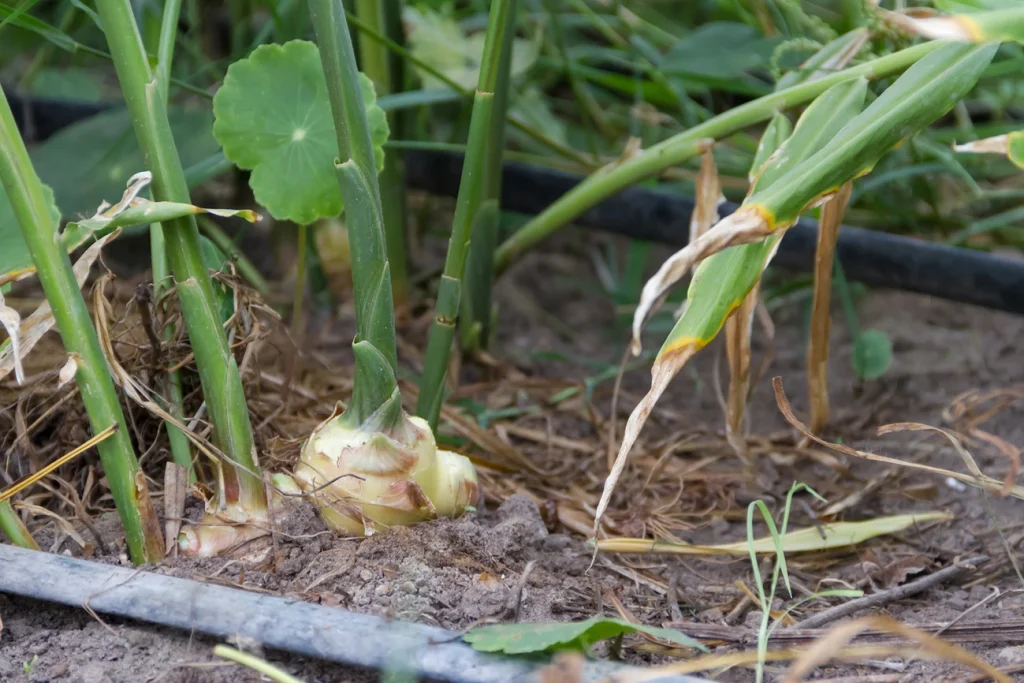
From an indoor standpoint you can start your ginger in a sunny window or with grow lights and then move the pot outside during the summer.
Step-by-Step: How Do I Grow Ginger Plants at Home
- To awaken buds and eliminate inhibitors, soak rhizomes in lukewarm water for the entire night.
- Make a rich, well-draining mixture of potting soil, compost, perlite, and sand; a pH of 5.5 to 6.5 is ideal.
- Plant: Eyes up, lay the rhizome horizontally. Add 1-2 inches of soil on top. Pieces should be spaced 6 to 8 inches apart.
- Water lightly so that it is damp but not drenched; mist until sprouts emerge.
- Location: 70°F or higher; if it’s cold, use a heat mat.
2–8 weeks for germination (be patient!). Lush leaves follow the emergence of shoots.
Essential Ginger Plant Care Tips
- Watering: Soil that is consistently moist, like a wrung-out sponge. In the cooler months, cut back. Rot is caused by overwatering.
- Fertilizing: Use a balanced organic fertilizer (such as compost tea or fish emulsion) once a month. high potassium levels while growing.
- Humidity: Use a pebble tray indoors or mist leaves. 50% or more humidity is ideal for ginger.
- Temperature: Bring indoors in the fall and protect below 50°F (10°C).
- Pruning: Remove any dead leaves and raise the soil around stems to encourage the growth of rhizomes.
- Support: In windy conditions, tall plants may require staking.
Mulch the surface to keep moisture in and keep weeds at bay.
Troubleshooting Common Ginger Growing Problems
Ginger is hardy but watch for these issues. Quick table for fixes:
| Problem | Symptoms | Causes | Solutions |
|---|---|---|---|
| No Sprouts/Germination | No growth after weeks | Cold temps, old rhizome, inhibitors | Use warm spot/heat mat; fresh organic rhizome; soak longer |
| Yellowing Leaves | Leaves pale/yellow, drop | Overwatering/root rot, poor drainage | Improve drainage; let soil dry slightly between waters; repot if needed |
| Brown Leaf Tips | Tips brown/dry | Low humidity, underwatering, sun scorch | Increase humidity (mist/pebble tray); consistent moisture; shade from intense sun |
| Root Rot | Mushy/soft rhizomes, foul smell | Overwatering, poor drainage, cold soil | Reduce water; use well-draining mix; avoid cold; remove affected parts |
| Stunted/Slow Growth | Small plants, few leaves | Low nutrients, cold, compacted soil | Fertilize monthly; warmer spot; loose rich soil |
| Leggy/Weak Stems | Tall, thin growth | Insufficient light | More bright indirect light/grow lights; avoid deep shade |
| Pests (Spider Mites/Aphids) | Webbing, sticky leaves, curled tips | Dry air, infestation | Mist regularly; neem oil/soap spray; increase humidity |
| Wilting Despite Water | Drooping leaves | Root rot or underwatering | Check roots/drainage; adjust watering; repot if rotted |
| No Rhizome Development | Lots of leaves, little root | Low potassium, overcrowding | High-K fertilizer; wider pot; harvest/hill soil |
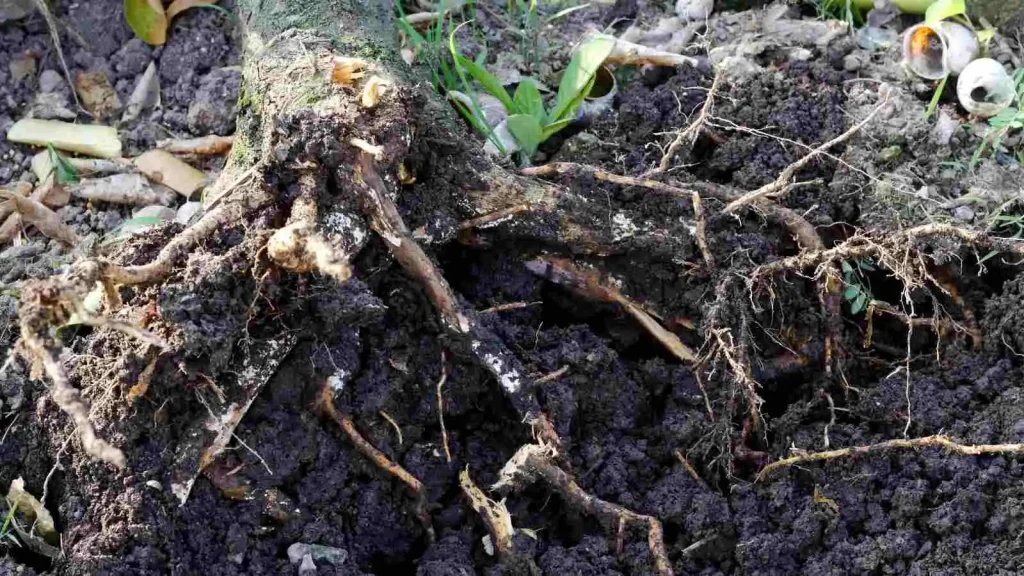
Inspect regularly – most problems from water, temp, or drainage!
Start Growing Ginger Plants at Home Today!
Growing ginger at home is satisfying, simple, and incredibly beneficial. Get some store-bought organic rhizomes, prepare a warm pot, and savor fresh spice for months or even years!
Your meals, teas, and wellness regimen will improve. Have you cultivated ginger? Post advice or inquiries in the comments!
Get your zing on and happy gardening!