Mulch is one of those garden things that sounds optional until you use it correctly once. Then you’re like… wait, why was I watering so much. Why is my soil always crusty. Why do weeds think my beds are a free apartment.
Best mulch types fix a lot, quietly. It holds moisture, keeps soil temperatures steadier, feeds soil life (if it’s organic), reduces erosion, and makes plants less stressed so they grow better. And honestly, it also makes a garden look finished.
But not all mulch is the same. Some are great for vegetables. Some are better for fruit trees. Some can mess with nitrogen. Some can invite pests if you use them wrong. So let’s break it down in a way that actually helps you pick the right one.
What mulch actually does (so you choose smarter)
Mulch works like a protective blanket on top of your soil. It helps by:
- Reducing evaporation so you water less and plants don’t swing between soggy and bone dry.
- Suppressing weeds by blocking light. (It won’t stop every weed, but it makes weeding way easier.)
- Protecting soil structure from heavy rain, wind, and foot traffic.
- Moderating soil temperature so roots don’t cook in summer or get stressed in winter.
- Feeding soil life if it’s an organic mulch, which improves crumbly texture over time.
If you only remember one thing: mulch is less about decoration, more about building better soil conditions long term.
Organic vs inorganic mulch (quick decision)
Organic mulches
These break down and improve soil over time. Most home gardens do best with organic.
Examples: shredded leaves, compost, straw, wood chips, bark, grass clippings, pine needles.
Inorganic mulches
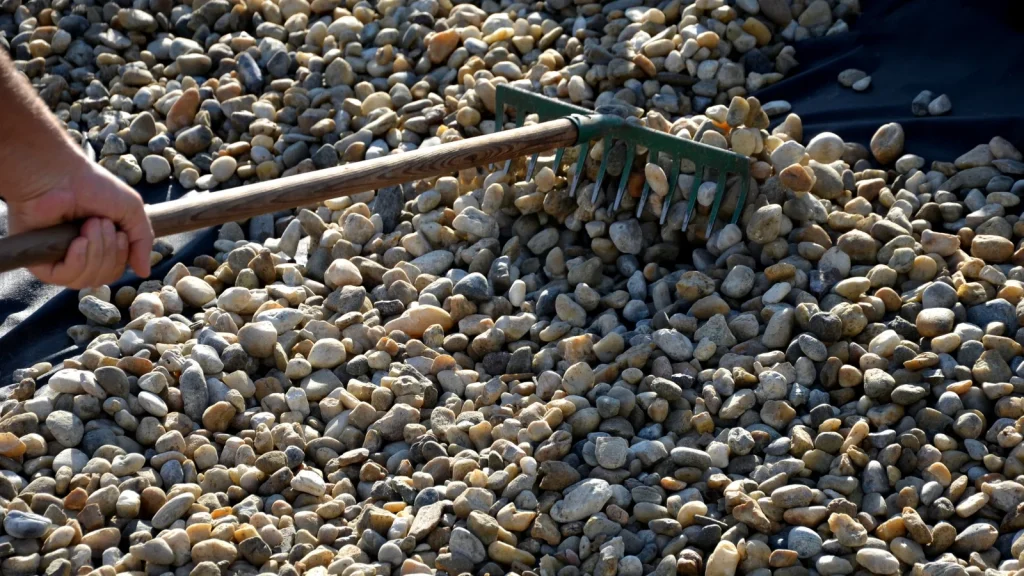
These don’t really break down. They can still suppress weeds and conserve water, but they don’t feed your soil.
Examples: Landscape fabric (kind of), gravel/stone, rubber mulch, plastic.
For most home gardeners trying to improve soil and plant health, organic mulch is the main event.
Best mulch types for home gardens (with real use cases)
1. Shredded leaves (leaf mold in the making)
If you have deciduous trees, you’re sitting on free mulch.
Why it’s great:
- Improves soil structure as it breaks down.
- Encourages earthworms and beneficial fungi.
- Excellent moisture retention.
- Basically made for gardens.
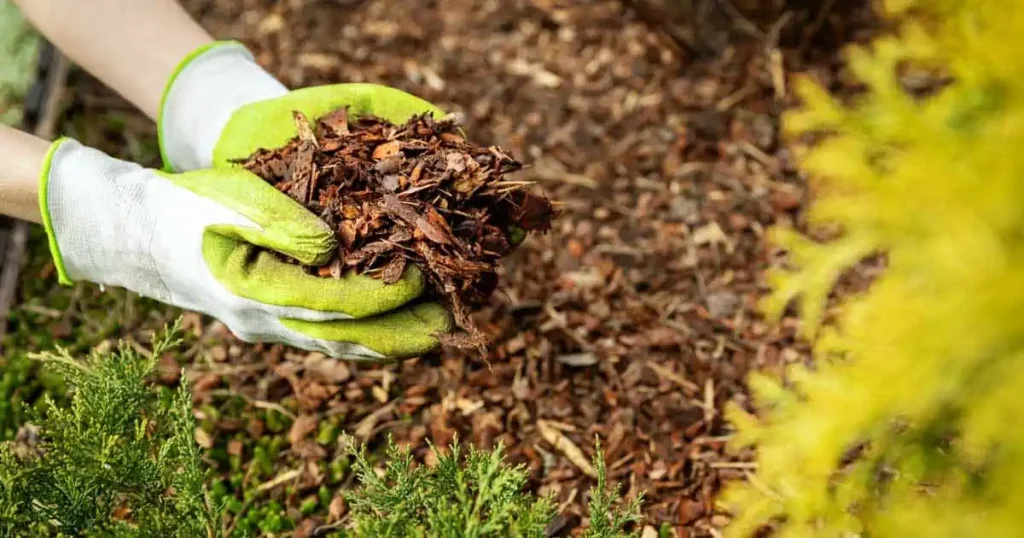
Best for:
- Flower beds, shrubs, under trees, vegetable beds (especially fall and winter coverage).
How to use it:
- Shred first if you can. Whole leaves can mat and repel water.
- Apply 2 to 4 inches. If it’s fluffy, go closer to 4.
- Top up as it settles.
Small caution:
- Thick, wet layers of whole leaves can turn slimy and block oxygen. Shredding fixes most of that.
If you want the cheapest, most soil improving mulch for a home garden, shredded leaves are hard to beat.
2. Compost (more soil builder than “mulch mulch”)
Compost is technically mulch when used as a top layer, but it’s not the longest lasting weed barrier. It’s more like a nutrient rich blanket that gets incorporated naturally.

Why it’s great:
- Boosts soil biology fast.
- Adds nutrients and organic matter.
- Improves clay and sandy soils in a noticeable way.
Best for:
- Vegetable gardens, annual beds, new plantings, tired soils.
How to use it:
- Use 1 to 2 inches as a topdress.
- For weed control, add compost first, then put straw or leaf mulch on top.
Small caution:
- Compost can sprout random seeds if it wasn’t fully finished. Not a disaster, just annoying.
- If your compost is very rich, don’t pile it against stems. Same rule as any mulch.
Compost is the “health food” option. Not always the prettiest. Very effective.
3. Straw (vegetable garden favorite)
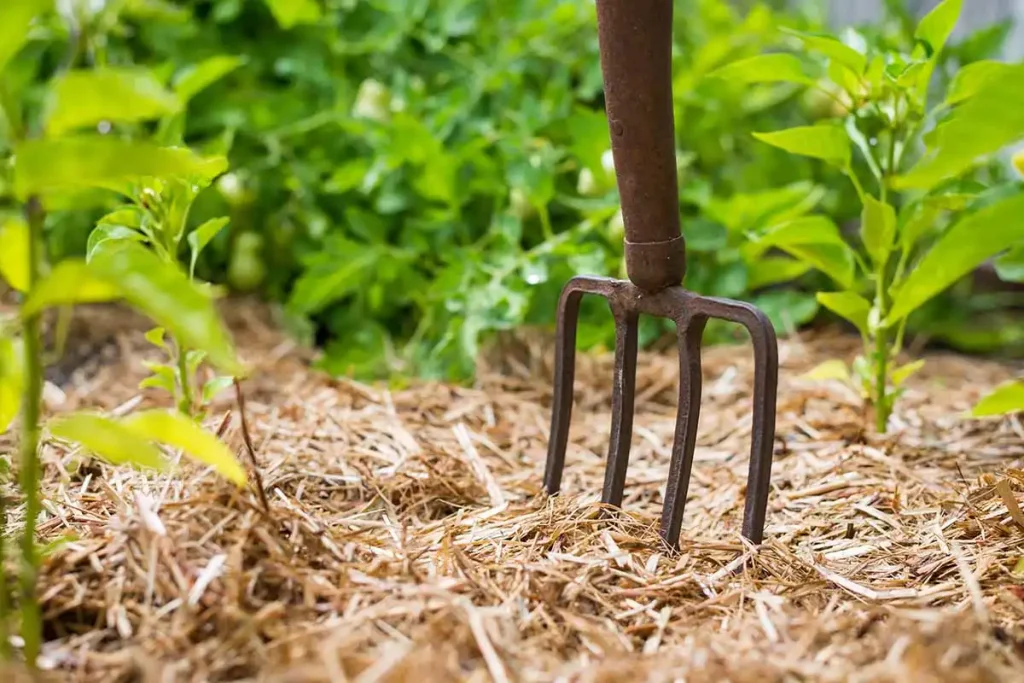
Straw is the dried stalks of grains. It’s different from hay. Hay has seeds. Straw is what you want.
Why it’s great:
- Excellent for moisture retention.
- Keeps soil clean (hello, strawberries and cucumbers).
- Breaks down over a season, improving soil.
- Light to spread, easy to remove or refresh.
Best for:
- Vegetable beds, strawberries, pathways between raised beds.
How to use it:
- Apply 3 to 6 inches initially (it settles fast).
- Keep it a couple inches away from plant stems.
Small caution:
- Make sure it’s actually straw, not hay.
- Straw can sometimes carry herbicide residue in rare cases (from treated fields). If you’re cautious, buy from a trusted local source and do a small test first.
Straw is one of the best mulches for home veggie gardeners who want cleaner produce and less watering.
4. Wood chips (best for perennials, trees, and shrubs)
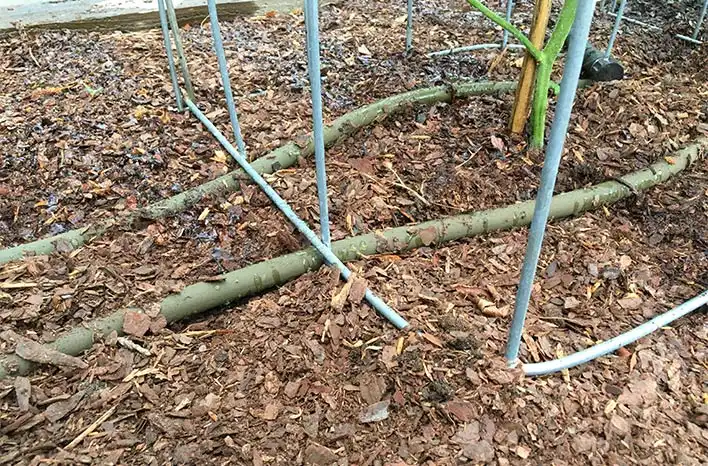
Wood chips are amazing. They’re also commonly misused.
Why it’s great:
- Long lasting (often 1 to 3 years depending on chip size).
- Great moisture retention and temperature buffering.
- Encourages fungal dominated soil, which many perennials and trees love.
- Looks neat and stays put in wind.
Best for:
- Around trees, shrubs, perennial beds, berry patches, orchard areas, garden borders.
How to use it:
- Use 2 to 4 inches.
- Keep 3 to 6 inches away from trunks and crowns. No mulch volcanoes. Seriously.
The nitrogen myth (quick reality check): Wood chips can temporarily tie up nitrogen at the soil surface as they break down, mainly if they’re mixed into soil. As a top mulch, they generally do not starve established plants. For veggies and annuals though, I still prefer straw or leaves, or compost plus straw.
If you’re building a low maintenance landscape bed, wood chips are the workhorse.
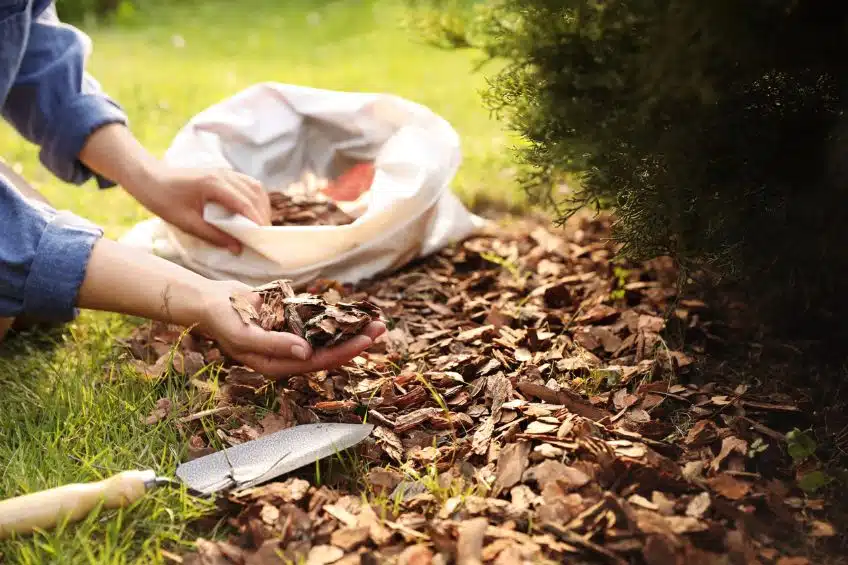
5. Bark mulch (pretty, slow breakdown, less “soil feeding” than chips)

Bark mulch is usually sold in bags. It’s attractive and slower to break down than mixed wood chips.
Why it’s great:
- Decorative, consistent texture.
- Lasts a long time.
- Good for weed suppression when layered properly.
Best for:
- Front yard beds, ornamental shrubs, foundation plantings, pathways.
How to use it:
- Apply 2 to 3 inches.
- Refresh when it thins.
Small caution:
- Some dyed mulches can leach color onto concrete and can be questionable depending on source. If you care, choose natural, undyed.
Bark is great when you want a tidy look and fewer top ups.
6. Pine needles (excellent for acid loving plants, also just… excellent)

Pine needles are underrated. They lock together well, don’t mat like whole leaves, and let water through.
Why it’s great:
- Good weed suppression when layered enough.
- Great for moisture retention.
- Doesn’t compact too tightly.
- Looks natural in woodland style beds.
Best for:
- Blueberries, azaleas, rhododendrons, hydrangeas, woodland beds, around evergreens.
How to use it:
- Apply 3 to 4 inches (they’re airy, so you need more depth).
About soil acidity: Pine needles are mildly acidic, but they don’t drastically change soil pH quickly. Still, they’re a nice match for acid loving plant zones.
7. Grass clippings (powerful, but easy to mess up)
Grass clippings are like a quick nitrogen boost. They can also turn into a smelly green mat if you dump them thick.

Why it’s great:
- Adds nitrogen and organic matter.
- Free and abundant in summer.
- Breaks down quickly.
Best for:
- Vegetable gardens, around heavy feeders, composting, thin layers in beds.
How to use it:
- Use only 1 inch at a time, let it dry, then add more.
- Best when clippings are dry and not sprayed with herbicides.
Small caution:
- Wet clippings in thick layers get slimy, heat up, and can block airflow.
- If your lawn was treated with weed and feed or herbicides, don’t use those clippings in the garden.
Grass clipping mulch is like espresso. Useful. But don’t chug it.
8. Cocoa hull mulch (smells nice, not for everyone)
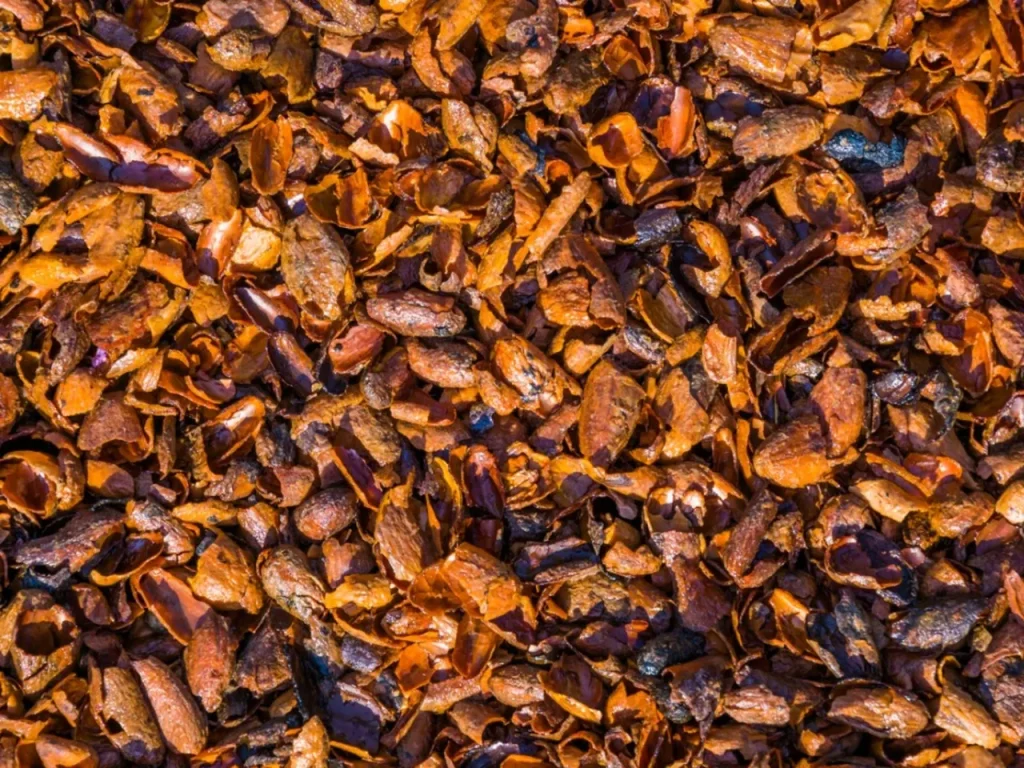
Cocoa hull mulch is a byproduct of chocolate production. It’s attractive and has a pleasant scent.
Why it’s great:
- Looks good, pleasant smell.
- Fair weed suppression.
Best for:
- Ornamental beds where pets don’t have access.
Big caution:
- Toxic to dogs if ingested. If you have dogs that chew things, skip it.
9. Gravel or stone (inorganic, best for specific situations)
Stone mulch is not a soil improver. But it has a role.
Why it’s useful:
- Long lasting, doesn’t blow away.
- Great drainage, reduces mud.
- Works well in hot, dry landscapes if planned right.
Best for:
- Succulents, cacti, Mediterranean herb gardens (thyme, rosemary, lavender), pathways, areas where organic mulch would wash away.
How to use it:
- Install a proper base. Otherwise it sinks and mixes with soil over time.
- Use edging if you want it to stay where it belongs.
Small caution:
- Stone can absorb heat and warm the soil a lot in summer. Great for some plants, rough for others.
- Weeds still grow in dust and debris that collects on top. People are always shocked by that.
10. Black plastic or plastic mulch (productive, but not “soil friendly” long term)

Plastic mulch is commonly used in production gardens for heat and weed control. However, it’s worth noting that many gardeners have expressed discontent with landscape fabric which is often used in conjunction with plastic mulch.
Why it’s useful:
- Warms soil for early crops.
- Strong weed suppression.
- Conserves water.
Best for:
- Heat loving crops like melons, peppers, tomatoes, especially in cooler climates.
How to use it:
- Lay drip irrigation underneath.
- Anchor edges well.
- Remove at end of season if possible.
Small caution:
- Doesn’t feed soil. Can reduce air and water exchange depending on setup.
- Plastic waste adds up. Biodegradable options exist, but results vary.
Best mulch by garden type (simple picks)

Vegetable garden
- Best overall: straw, shredded leaves, compost + straw
- For summer moisture: straw is hard to beat
- Avoid heavy fresh wood chips right in annual rows (unless you know what you’re doing)
Fruit trees and berry bushes
- Best overall: wood chips, shredded leaves
- For blueberries: pine needles plus some wood chips works beautifully
Flower beds and perennials
- Best overall: wood chips, shredded leaves, bark
- If you want the neatest look: bark mulch
Herbs and drought tolerant beds
- Best overall: gravel, small stone, or thin organic mulch depending on plant type
- Mediterranean herbs often prefer a drier surface, so stone can help
How much mulch to apply (this is where most people slip up)
General rule:
- 2 to 4 inches for most organic mulches
- 1 to 2 inches for compost as a topdress
- 3 to 6 inches for straw (it compresses)
Weed suppression needs thickness. A sad, thin layer just becomes a seed bed.
And keep mulch away from stems and trunks:
- Leave a 2 to 3 inch gap around small plants
- Leave a 3 to 6 inch gap around trees and shrubs
Mulch touching bark holds moisture against it. That’s how you get rot, pests, and disease. Also those ugly mulch volcanoes around trees. Just don’t.
When to mulch (timing matters)
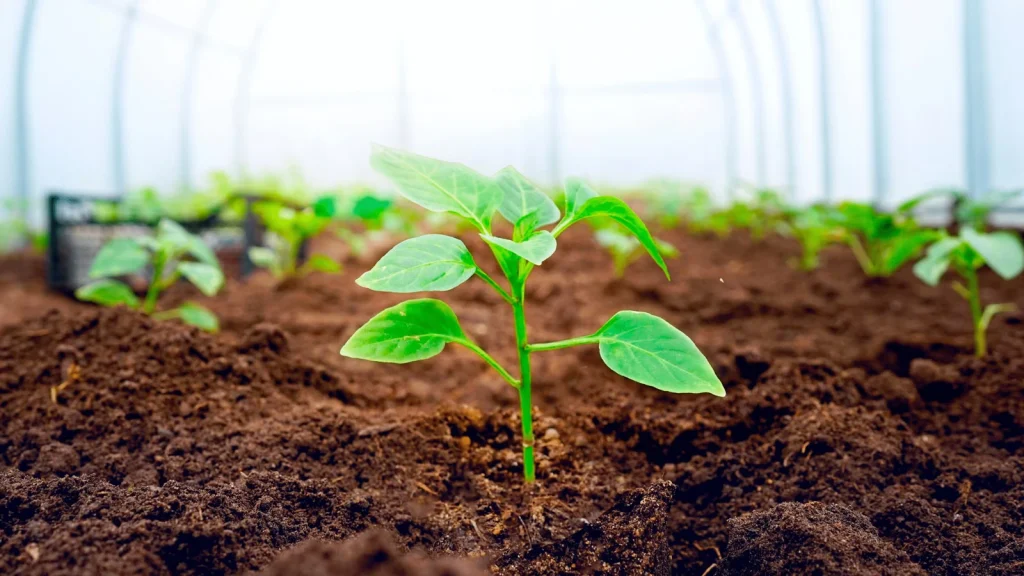
- Spring: Wait until soil warms a bit, then mulch to hold moisture and reduce weeds.
- Summer: Top up mulch to protect soil from heat and reduce watering.
- Fall: Mulch after cleanup to protect soil biology, reduce erosion, and buffer winter swings.
- Winter (cold climates): Mulch after the ground starts to freeze if your goal is to prevent freeze thaw cycles around perennials.
For vegetables, a simple rhythm works: compost early, mulch after seedlings are established.
Common mulch mistakes (so you don’t do the annoying version)
- Mulching over weeds without removing them first
- Mulch is not magic. Knock weeds down, remove the big ones, then mulch thickly.
- Too thin to matter
- If light hits soil, weeds will show up. Go thicker.
- Piling mulch against stems and trunks
- Causes rot. Invites pests. Stresses plants.
- Using hay instead of straw
- Enjoy your new crop of mystery grass.
- Mixing fresh wood chips into soil
- Top mulch is fine. Mixing fresh chips into beds can tie up nitrogen while breaking down.
Understanding why mulch matters can significantly improve your gardening experience by preventing common mistakes and optimizing the benefits of mulching.
My practical “if you’re stuck, do this” mulch plan
If you just want a setup that works for most home gardens without overthinking:
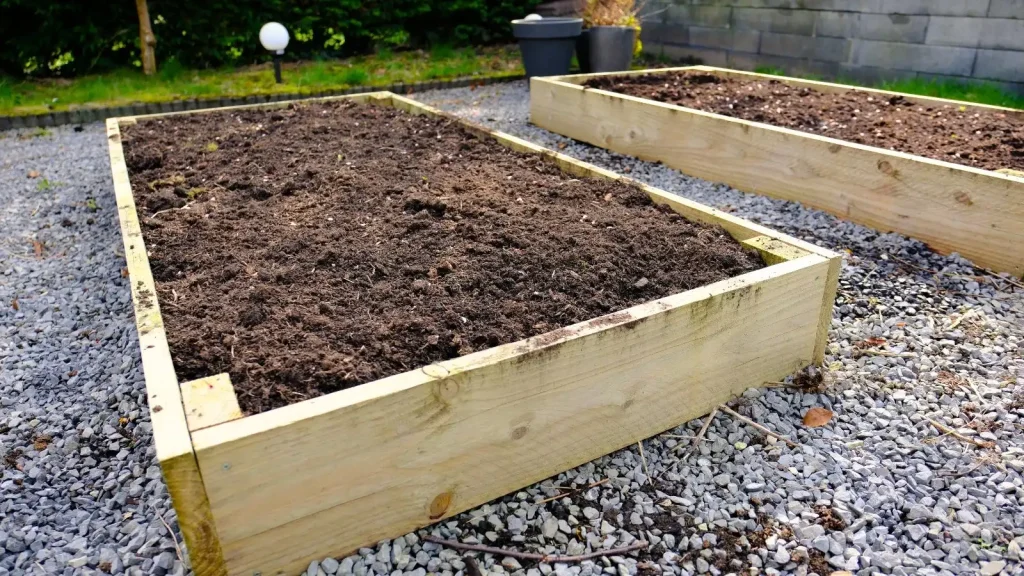
- Vegetable beds: 1 inch compost, then 3 to 4 inches straw once plants are established.
- Perennial beds and shrubs: 3 inches wood chips, refreshed as needed.
- Blueberries and acid lovers: pine needles as top layer, wood chips underneath if you want.
- Paths: wood chips (cheap and soft) or gravel (permanent and clean).
That’s it. Simple. You can get fancy later.
Wrap up (what to choose, quickly)
Mulch isn’t just a topping. It changes how your garden behaves.
If your main goal is healthier soil and less work:
- Best free mulch: shredded leaves
- Best soil builder: compost (as a topdress)
- Best for veggies: straw
- Best for trees and shrubs: wood chips
- Best for acid loving plants: pine needles
- Best for dry, heat loving beds: gravel or stone (used intentionally)
Pick one that fits your plants and your climate, apply it at the right depth, and leave space around stems. Do that and you’ll notice the difference faster than you’d expect. Soil stays darker and cooler. Plants droop less. Weeds give up a little. And you stop feeling like the garden is constantly demanding something.