Is your Phalaenopsis orchid losing its leaves from the center, the crown is turning mushy and discolored as well as smelling bad? Don’t worry, this is one of the different ways orchid with crown rot or go bad under these conditions; however, this condition may very well be fixable if you get going now.
Below is a great guide that will help you to fix this crown rot issue, stop future problems from happening, and return your plant to a healthy, vibrant-looking state.
Orchids make beautiful houseplants and will add much beauty to your home, but due to the way orchids grow, they are very susceptible to developing crown rot when they are over-watered.
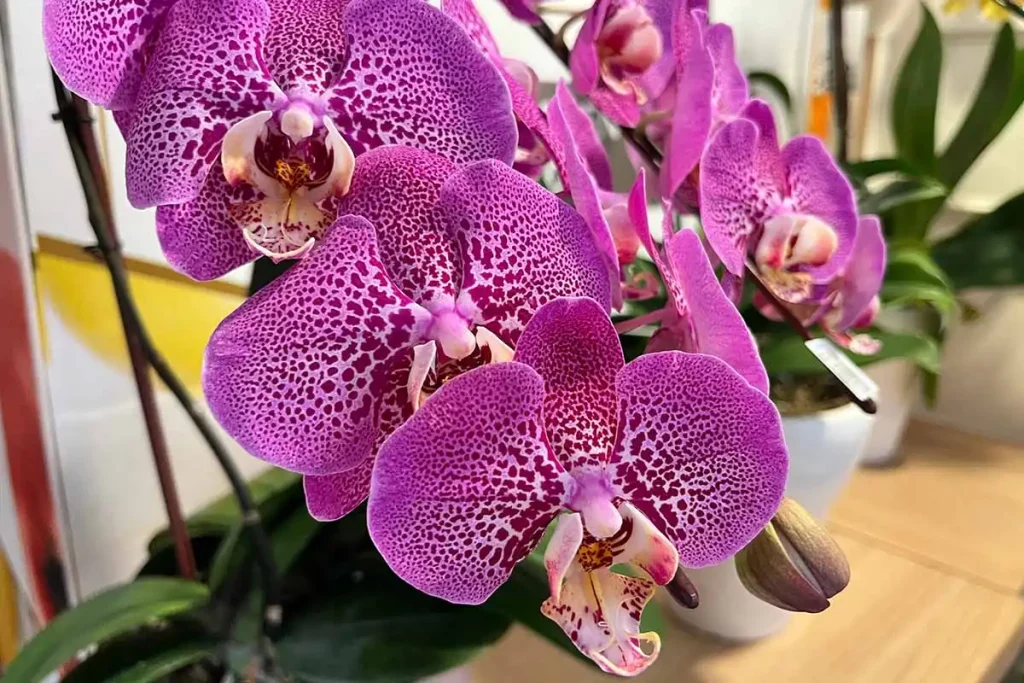
If you know what to look for and how to fix your orchid’s crown’s under these conditions; it could mean the difference between a beautiful flower and a sad, naked piece of trees.
After reading and applying the information found in this guide, you will have the knowledge and confidence to save your orchid and keep it in bloom for many years to come! Let’s get started rescuing that special plant!
Early Symptoms of Crown Rot: Spot It Before It’s Too Late
Catching crown rot early dramatically increases your chances of saving the orchid. Look for these warning signs:
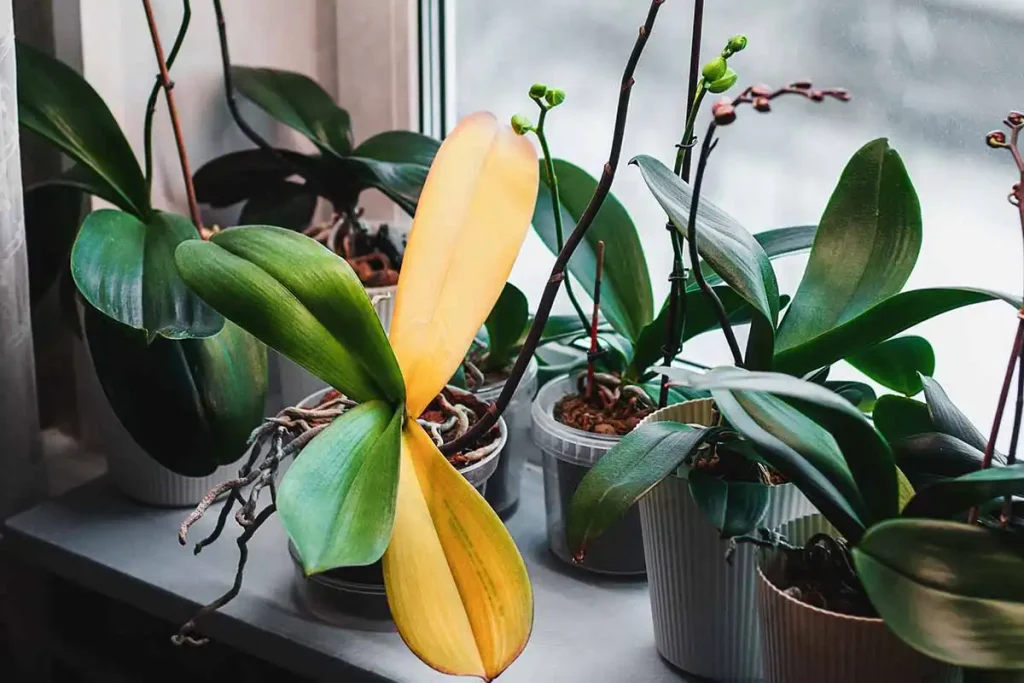
- Yellowing or blackening of the innermost leaves, starting from the base
- Leaves that feel soft, mushy, or easily pull away from the stem
- Discolored, wet-looking tissue in the crown with a foul odor
- Black or brown spots on the crown or leaf bases
- Sudden leaf drop while leaves still look somewhat green
- Stunted new growth or no new leaves emerging
Pro tip: Gently tilt the plant and inspect the crown daily, especially after watering. Healthy crowns are firm, green, and dry. If you notice anything suspicious, act immediately – delay can turn a salvageable plant into a total loss.
Fast & Effective Steps to Save an Orchid with Crown Rot
Here’s the proven, step-by-step rescue protocol that orchid enthusiasts swear by. Many plants recover fully with prompt action.
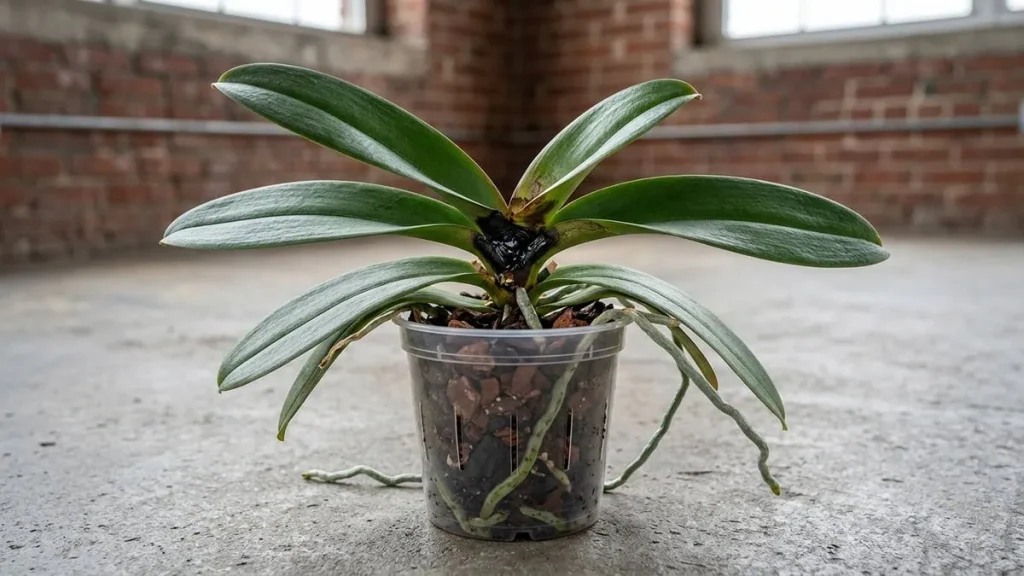
Step 1: Isolate and Assess the Damage
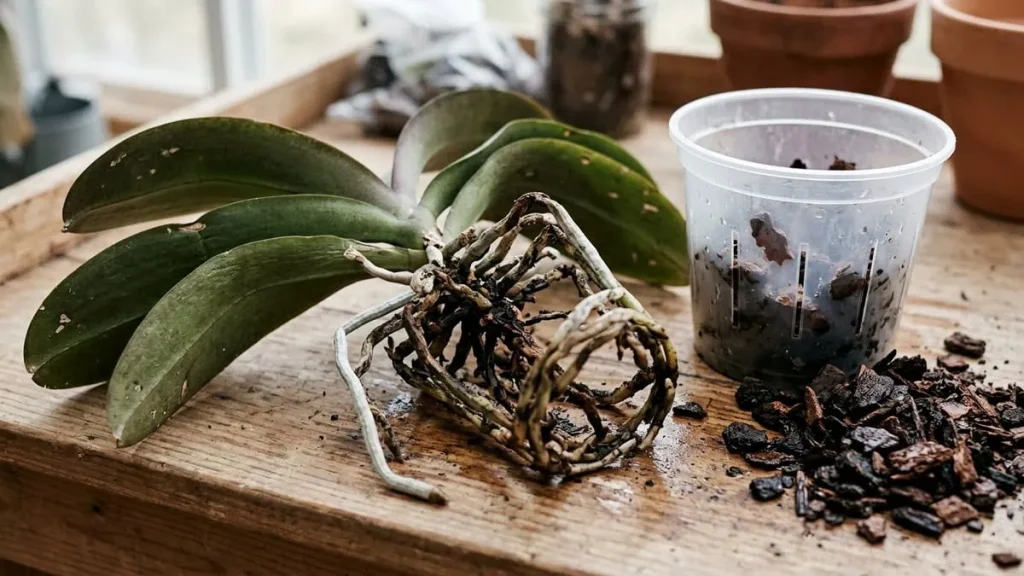
Move the affected orchid away from healthy plants to prevent spread. Remove it from its pot carefully and inspect the roots. Trim any dead or mushy roots with sterilized scissors (wipe with alcohol between cuts). If the crown damage is minor, proceed; if extensive, you may need to attempt “keiki” (baby plant) induction later.
Step 2: Clean and Remove Infected Tissue
Rinse the crown gently with lukewarm water or a mild chlorine solution (a few drops of bleach in water) to flush out debris – some growers recommend tap water for its natural chlorine. Use a sterile tool to carefully remove severely rotten leaves or tissue, cutting back to healthy green parts only. Be conservative; removing too much can stress the plant further.
Dry the area thoroughly with a clean paper towel or by gently blowing on it.
Step 3: Disinfect with Hydrogen Peroxide (The #1 Fast Fix)
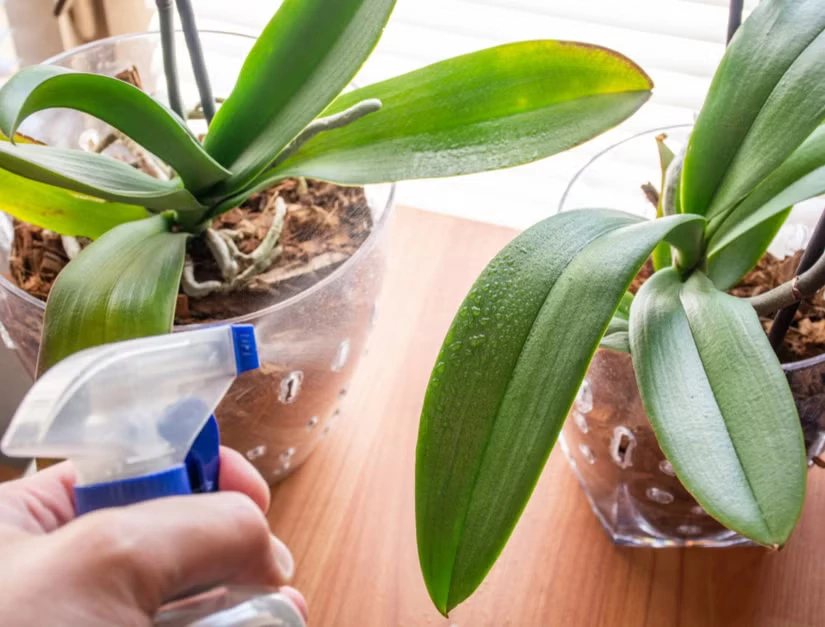
This is the go-to household remedy. Pour or spray 3% hydrogen peroxide directly into the crown. It will fizz and bubble as it kills bacteria and fungi on contact by releasing oxygen. Let it sit for a few minutes (5-10), then blot away excess liquid with a paper towel.
Repeat every 2-3 days until bubbling stops, indicating the infection is under control. Hydrogen peroxide is safe for orchids when used properly and breaks down into water and oxygen.
Step 4: Apply Cinnamon as a Natural Antifungal Barrier
After peroxide treatment, sprinkle ground cinnamon (from your kitchen) generously into the crown and on any cut areas. Cinnamon acts as a natural fungicide and drying agent, absorbing moisture and inhibiting pathogen growth. It’s non-toxic and highly effective for many growers.
Some advanced users add a broad-spectrum product like Physan 20 for extra protection, but household items often suffice for mild cases.
Step 5: Modify Care Right Away and Repot If Needed
- To allow everything to dry out, stop watering for a few days.
- If the old media is contaminated or soggy, repot in a new orchid mix (bark, perlite, sphagnum) that drains well.
- Place it in an area with good air circulation from a fan and bright, indirect light (east or west windows work best).
- Keep the temperature between 65 and 80°F (18 and 27°C) during the day and a little lower at night.
- Water should never be applied directly to the crown; instead, it should be applied sparingly from the sides or bottom. Saucers are always empty.
Some growers try “decapitation” or promoting basal keikis by keeping the plant warm and humid in extreme situations where the crown is entirely gone but the roots and stem are still green.
Common Mistakes to Avoid When Treating Crown Rot
- Over-treating with chemicals that burn healthy tissue
- Keeping the plant too wet after treatment
- Ignoring poor air circulation
- Using dirty tools that reintroduce pathogens
- Giving up too soon – recovery can take weeks to months
Troubleshooting Orchid Crown Rot: Quick Reference Table
Here’s a practical table to diagnose and fix issues fast:
| Symptom | Likely Cause | Immediate Action | Prevention Tip |
|---|---|---|---|
| Yellow/mushy inner leaves | Water pooling in crown | Dry crown, apply H2O2 + cinnamon | Blot water after every watering |
| Black spots on crown | Bacterial/fungal infection | Remove rotten tissue, disinfect | Improve air flow, avoid overhead misting |
| Leaves falling easily | Advanced crown rot | Trim to healthy tissue, reduce watering | Water in morning only |
| Foul smell from center | Active bacterial decay | Flush with peroxide, dry thoroughly | Never let saucer fill with water |
| No new growth after treatment | Residual infection or stress | Continue drying protocol, check roots | Use fresh media, provide bright indirect light |
| Wilting despite moist media | Combined root + crown rot | Repot, trim bad roots, treat crown | Ensure excellent drainage in pot |
| Keiki forming on stem | Crown damaged but plant fighting | Support with humidity, minimal water | Maintain warm temps (75°F+) |
Use this table as your go-to checklist whenever something seems off.
Final Thoughts: You Can Save Your Orchid!
Your orchid doesn’t have to die from crown rot. Most plants can be successfully rescued with quick action, the appropriate tools (which are frequently already in your kitchen), and more intelligent watering techniques. Recall that prevention through appropriate care is always preferable to treatment.
Examine your orchids, modify your schedule, and watch them flourish. Start now. Leave a comment if you have prevented crown rot in an orchid. What did you find most effective?
With these pointers at your disposal, you can maintain the health and beauty of your orchid collection. Enjoy your growth!