As a plant lover, we know how disappointing it can be when your beautiful tree—such as a rubber plant, fiddle leaf fig, or mature magnolia—produces cuttings that do not root, or when your favorite plants become tall and leggy with no branches or leaves at the bottom. This is where the air layering technique becomes incredibly useful, allowing you to propagate new plants from mature stems while encouraging fuller, healthier growth.
Luckily, air layering is a method that can help with these plants and other types of indoor trees. With air layering, you can establish roots on a branch or stem that is still attached to the good parent plant. While you are forming the roots of the new plant, the parent will continue to give nutrients and water to the new plant, allowing the new plant’s roots to develop better than if you took cuttings.

Many people have success applying the air layering method to difficult-to-root houseplants. This guide will give you all the information you need to start, including detailed descriptions of why air layering works so well and how to use this method correctly. In addition, you will find a list of the best plants to use for air layering, tips from professionals to get the best results, and a comparison of all of the trees you would like to try air layering if you haven’t already.
After reading this, you will feel comfortable with how to air layer your favorite plants into many additional plants.
Let the plant roots grow!
Why Choose Air Layering Technique Over Other Propagation Methods?
Air Layering vs. Other Propagation Techniques
While cuttings are by far the quickest and easiest way to propagate, many of the popular plants that people are trying to propagate – rubber trees, philodendrons, magnolias, etc. – have low success rates or take forever to root from cuttings. Seeds often take years or more to reach maturity and will not be true to type, and grafting requires both an experienced propagator and suitable rootstocks.
Air layering fills the gap, as it is more reliable than cuttings for those hard-to-root varieties of plants, creates larger plants much faster than cuttings, and utilizes very little equipment compared to other propagation methods. When performed correctly, experienced gardeners report that conducting air layering results in 80-95% success rates compared to the typical 30-50% success rates for cuttings taken from difficult-to-root plants.
Best Plants for Air Layering: Difficult-to-Root Winners
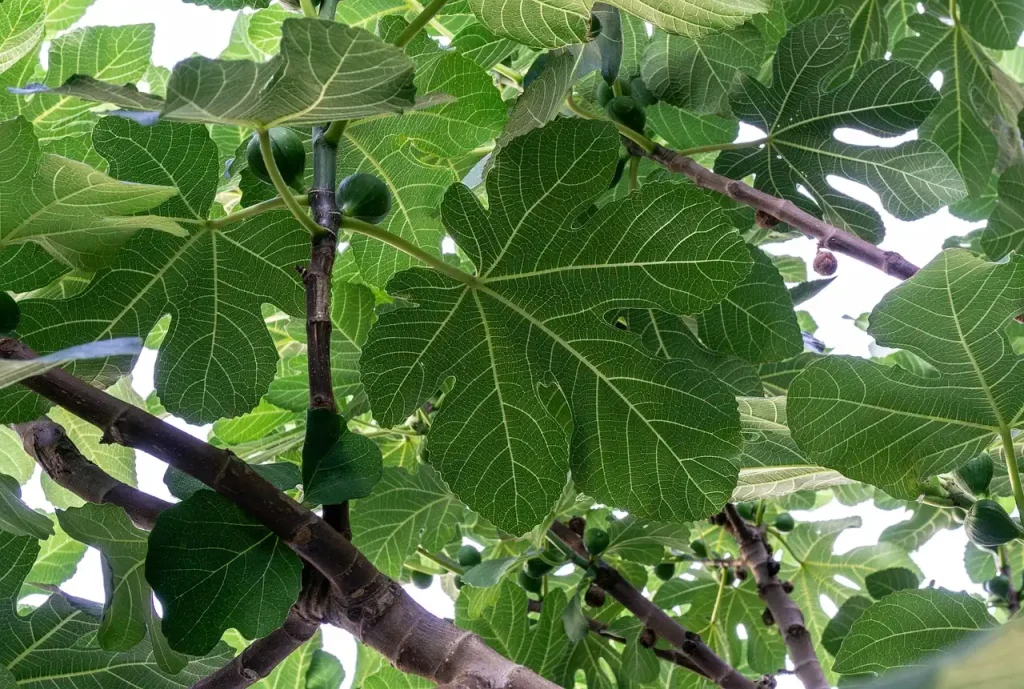
Air layering works beautifully on dicots with woody or semi-woody stems. Top candidates include:
- Houseplants: Rubber plant (Ficus elastica), weeping fig (Ficus benjamina), fiddle-leaf fig, Monstera, Philodendron, Dracaena, Dieffenbachia, Croton, Schefflera.
- Outdoor shrubs & trees: Magnolia, camellia, azalea,rhododendron, Japanese maple, hibiscus, forsythia, jasmine, citrus, apple, rose, holly.
Avoid most monocots (like palms or true grasses) as they rarely respond well. Choose healthy, vigorous stems from the current or previous season’s growth, ideally pencil-thick or thicker.
Step-by-Step Guide: How to Air Layer a Plant (Effective Technique)
Follow these steps in spring or early summer when plants are actively growing for best results.
Choose the right stem: Select a healthy, straight branch or stem about 12–18 inches from the tip. It should be vigorous and pencil-size or thicker. Remove leaves from the section you’ll work on.
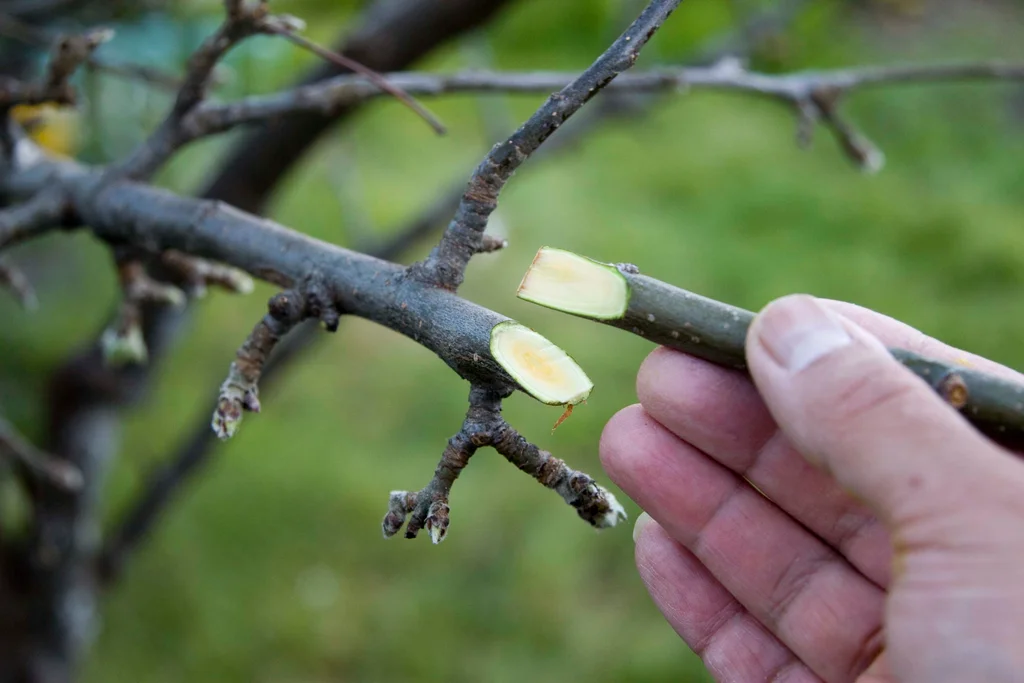
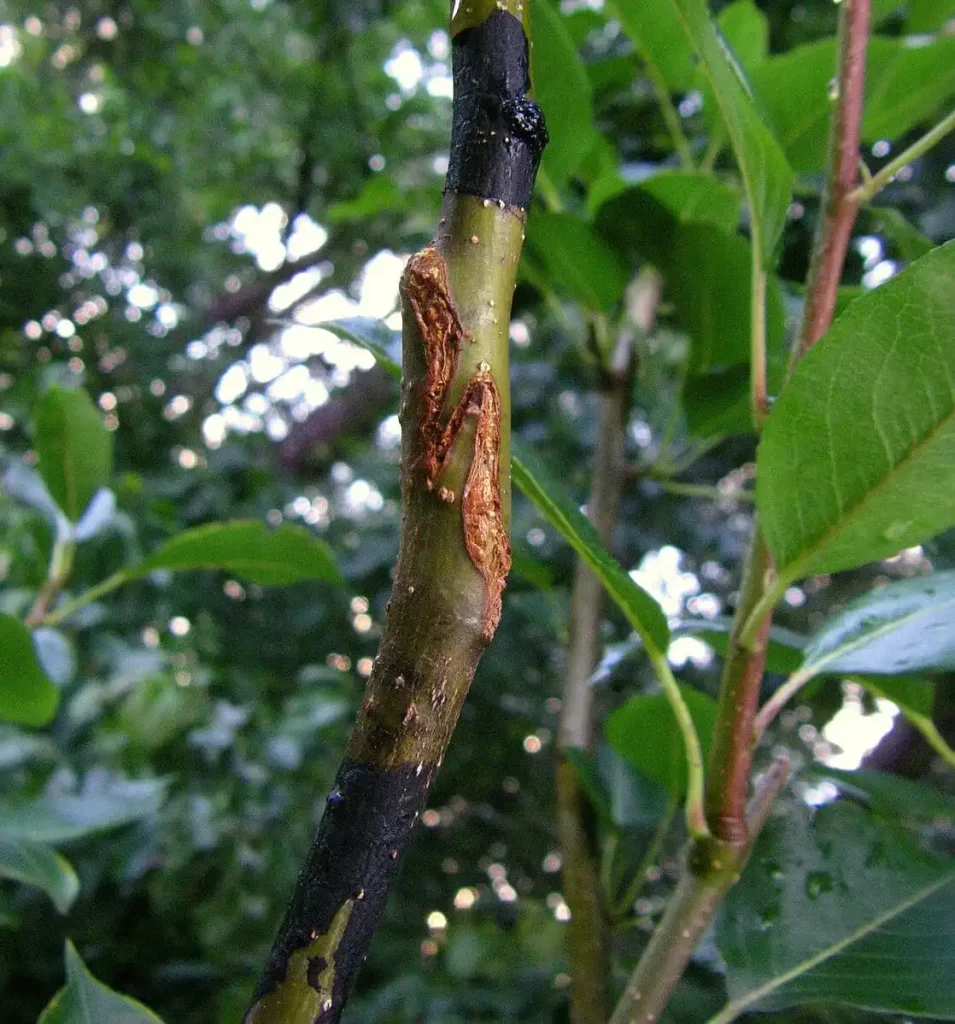
Wound the stem: This is the crucial stage. Make two parallel cuts around the stem of woody plants, spaced 1 to 1.5 inches apart, penetrating the cambium layer and bark. Make a vertical incision to join the cuts, then remove the bark ring (girdling). To avoid callus bridging, scrape away any leftover cambium.Make a single 1-2 inch upward-angled cut nearly to the center of softer stems (such as many houseplants), forming a “tongue” that you can lift slightly.
Apply rooting hormone: Use a lot of rooting hormone to dust or paint the injured area. On challenging plants, this significantly increases root initiation.
Wrap with moist medium: Soak sphagnum moss until damp but not dripping. Pack it firmly around the wound, forming a 3–4 inch thick ball that fully covers the injured section.
Cover with plastic: Wrap the moss ball securely with plastic wrap or a plastic sleeve. Seal both ends tightly with twist ties or tape to create a humid environment. Cover with aluminum foil if using clear plastic to block light and reduce algae.
Monitor and maintain: Every one to two weeks, check (gently peek without disturbing). If necessary, add water through a tiny top hole to keep the moss moist. Depending on the species and environment, roots typically appear in 4–12 weeks (faster in warm, humid environments).
Sever and pot up: Once you see plenty of healthy white roots through the plastic, cut the new plant just below the rooted section. Remove the wrap carefully, pot in well-draining mix, and keep in bright indirect light with high humidity for the first weeks. Water sparingly until established.
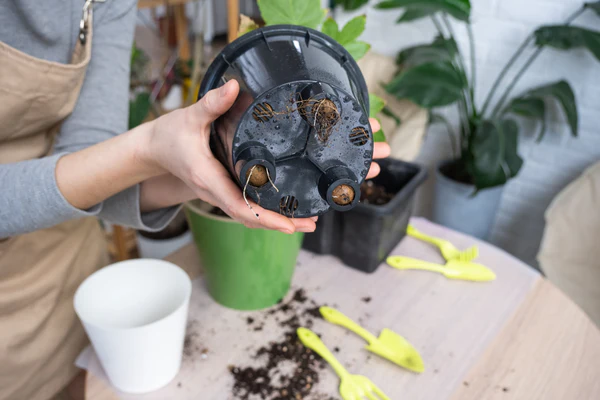
The parent plant will often sprout new growth below the cut, giving you two plants from one!
Comparison Table: Air Layering vs Other Propagation Methods
| Propagation Method | Best For | Success Rate for Difficult Plants | Time to New Plant | Plant Size at Finish | Shock Risk | Skill Level Needed | Cost |
|---|---|---|---|---|---|---|---|
| Air Layering | Woody stems, Ficus, magnolia, rubber plants | High (80-95%) | 6–16 weeks | Larger, established | Low | Moderate | Low |
| Stem Cuttings | Softwood, easy-rooters | Low–Medium for difficult species | 4–12 weeks | Smaller | High | Beginner | Very Low |
| Water Propagation | Vining houseplants | Variable | 2–8 weeks | Small | Medium | Beginner | Free |
| Seed Propagation | True species, not cultivars | Variable | Months to years | Small seedling | Medium | Beginner | Low |
| Grafting | Fruit trees, specific varieties | High with skill | 1 season+ | Variable | Medium | Advanced | Medium |
Air layering clearly wins for size, reliability, and reduced shock when dealing with stubborn plants.
Final Thoughts: Unlock Endless Propagation with Air Layering
For anyone who enjoys hard-to-root plants, the efficient air layering method is revolutionary. This technique produces dependable, sturdy results with little risk, whether you’re saving a lanky rubber tree, multiplying a valuable magnolia, or growing your indoor jungle without purchasing new plants.
Try it on a ficus or philodendron this season to start small. You’ll soon have healthy new plants to enjoy or share if you follow the proper procedures, have a little patience, and provide regular moisture.
Both your garden and your pocketbook will appreciate it!
Which plant will you air layer first? I would love to hear about your accomplishments, so please leave a comment below.