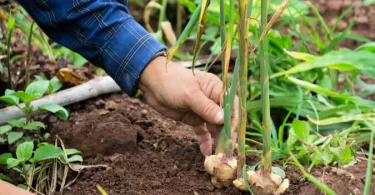
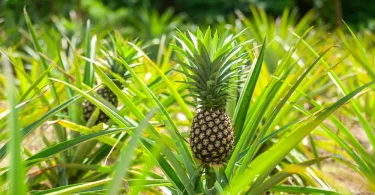
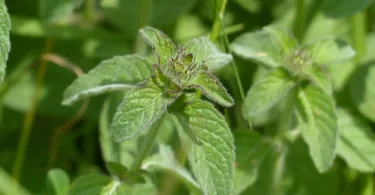
More individuals are looking for ways to manage their health naturally in a world filled with stress, fatigue, and constant strain. One such herbal ally that is being touted as one of the most efficacious natural support systems is adaptogenic herbs. As these plants have been used for centuries, most people who purchase adaptogenics typically get them from health food stores. However, you can grow your own adaptogenic plants right at home!
Whether you want to improve your wellness routine, create a healing garden, or simply enjoy new herbal plants, this guide will show you how to grow adaptogenic plants at home, even if you’re a complete beginner.
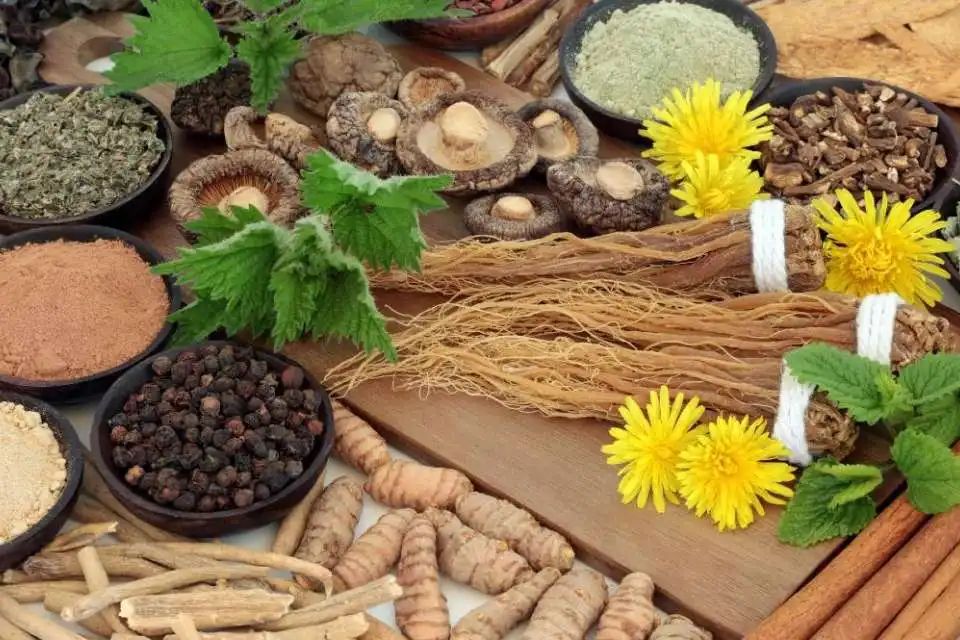
What Are Adaptogenic Plants?
Adaptogens are special herbs that support the body’s ability to maintain balance. They help regulate stress hormones, improve energy levels, strengthen immunity, and support overall well-being.
Some of the most well-known adaptogenic plants include:
- Ashwagandha
- Tulsi (Holy Basil)
- Moringa
- Gotu Kola
- Siberian Ginseng
- Rhodiola Rosea
- Maca Root
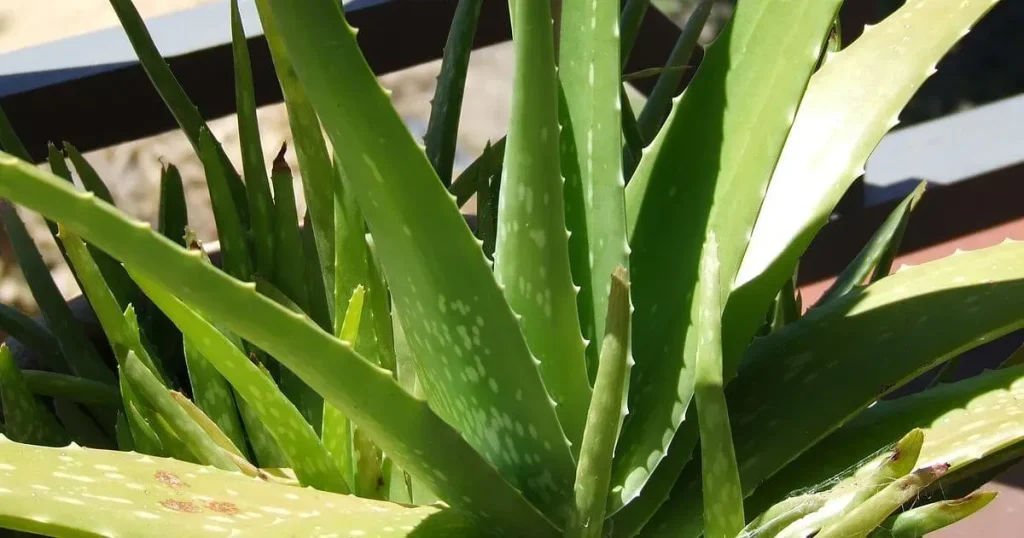
- Aloe Vera (adaptogenic-like qualities)
Many of these herbs grow well in home gardens, balconies, and indoor pots, making them perfect for small spaces or urban homes.
How to Grow Adaptogenic Plants at Home: Step-by-Step
Below is the most beginner-friendly method to grow popular adaptogenic herbs from scratch.
1. Choose the Right Adaptogenic Plants
Start with easy-to-grow herbs. Here are some beginner-friendly options:
Ashwagandha
- Heat-loving plant
- Thrives in dry soil
- Perfect for warm climates
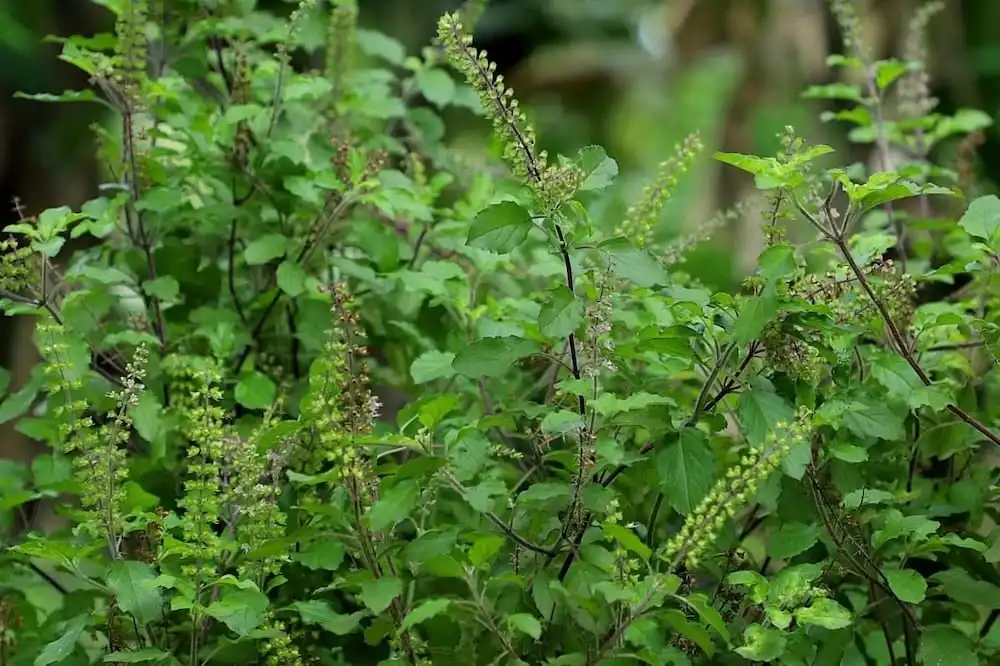
Tulsi (Holy Basil)
- Grows well indoors and outdoors
- Fast-growing
- Strong medicinal properties
Moringa
- Extremely nutrient-rich
- Grows like a tree
- Excellent for large pots or backyards
2. Prepare the Perfect Soil Mix
Adaptogenic plants generally prefer well-draining soil.
Here’s a simple and effective mix:
- 40% garden soil
- 40% compost or organic matter
- 20% sand or cocopeat
This ensures the plant gets nutrients while preventing root rot.
Tip: For moisture-loving plants like Gotu Kola, add more cocopeat.

3. Choose the Best Pots or Containers
Most adaptogenic herbs thrive in medium to large containers.
Recommended pot sizes:
- Ashwagandha: 12–14 inches
- Tulsi: 8–10 inches
- Gotu Kola: wide shallow pot
- Aloe Vera: 10 inches with drainage
- Moringa: 20-inch deep pot (if not planting in ground)
Make sure your pot has good drainage holes to avoid waterlogging.
4. Planting: Seeds vs Cuttings
Seeds:

Cheaper and easy to grow but take longer.
Cuttings:
Faster growth for plants like Tulsi, Gotu Kola, and Aloe.
How to Plant Seeds
- Fill pot with soil mix.
- Water lightly.
- Sprinkle seeds on top.
- Cover very lightly with soil.
- Keep in partial shade until germination.
Seeds usually sprout in 7–14 days depending on the plant.
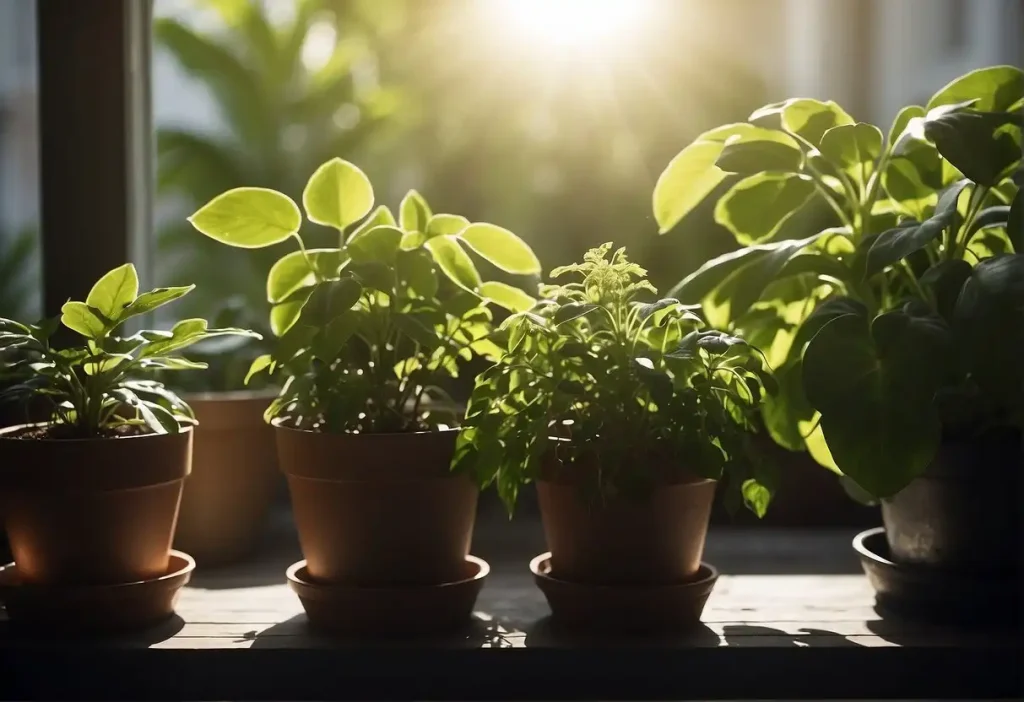
5. Light Requirements for Adaptogenic Plants
Most adaptogenic herbs love sunlight.
Sunlight needs:
- Ashwagandha: 6–8 hours
- Tulsi: 4–6 hours
- Moringa: full sun all day
- Gotu Kola: indirect sunlight
- Aloe Vera: bright light or partial sun
If you’re growing indoors, place the plants near a window that gets plenty of light.
6. Watering Schedule
The biggest mistake beginners make is overwatering.
Adaptogenic plants prefer moderate watering.
General watering guide:
- Water only when the top 1–2 inches of soil feel dry.
- For moisture-loving plants (Gotu Kola), keep soil slightly damp.
- For drought-loving plants (Ashwagandha, Aloe), water every 5–7 days.
Use a spray bottle for seedlings to avoid disturbing the soil.
7. Fertilizing Your Adaptogenic Plants
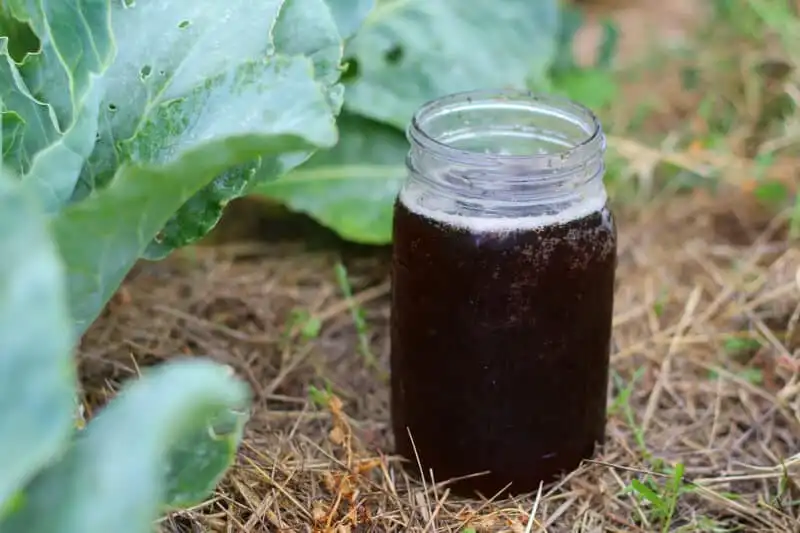
These herbs do not need heavy fertilization.
Use fertilizer once every 30–40 days:
- Organic compost
- Cow manure
- Seaweed solution
- Vermicompost tea
Avoid chemical fertilizers because adaptogenic herbs are consumed for healing and should remain toxin-free.
8. Common Problems & How to Fix Them
Yellow Leaves
- Overwatering
- Poor drainage
- Lack of sunlight

Slow Growth
- Nutrient deficiency
- Old soil
- Not enough heat
Pests
- Aphids
- Mealybugs
- Whiteflies
Solution
Spray with:
- Neem oil
- Soap water
- Garlic spray
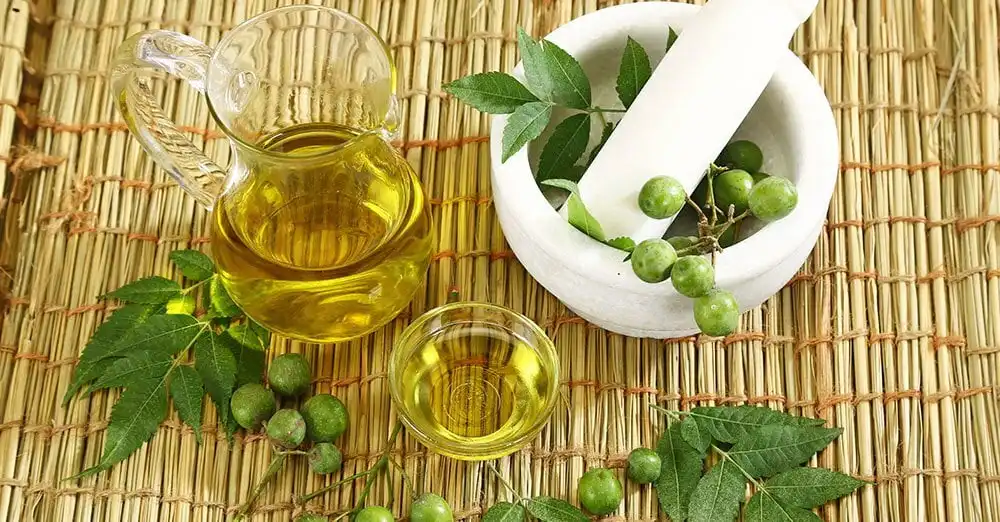
Repeat every 3 days until pests disappear.
9. Harvesting Adaptogenic Plant
Each plant has its ideal harvesting method:
Ashwagandha
- Harvest roots after 150–180 days
- Leaves can be harvested anytime for tea
Tulsi
- Trim leaves regularly to promote bushy growth
- Harvest early morning for best potency
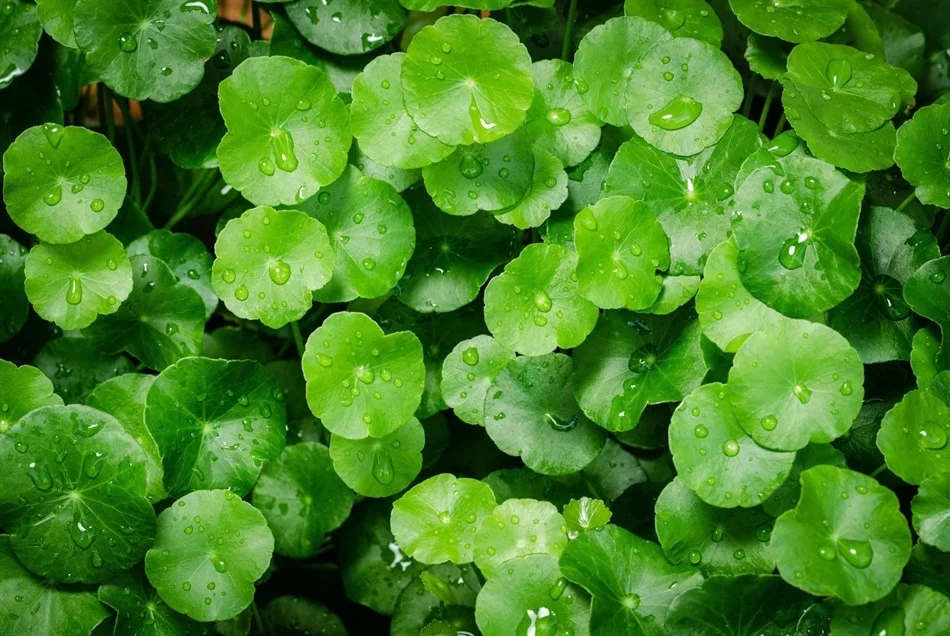
Gotu Kola
- Pluck leaves weekly
- Avoid overharvesting
Moringa
- Harvest leaves once plant reaches 2–3 feet
- Cut stems for regrowth
Aloe Vera
- Harvest mature, thick leaves
- Cut at the base
Use clean scissors to avoid damaging the plant.
Final Tips for Growing Adaptogenic Plants Successfully
- Start with 1–2 easy herbs before expanding.
- Use organic soil and fertilizers for safety.
- Place plants where they get enough light.
- Avoid overwatering—a common beginner mistake.
- Harvest gently and allow plants to regrow.
Growing adaptogenic plants at home is not only rewarding but also a powerful step toward natural wellness. With just a little care and consistency, you’ll have your own garden full of healing herbs that support your body, mind, and overall well-being.