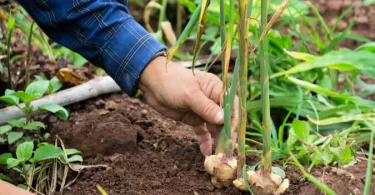
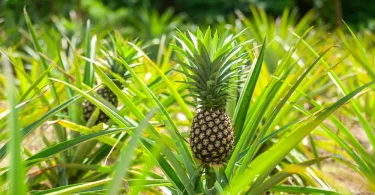
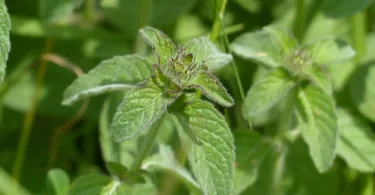
A self-sufficient backyard garden is a rewarding way to grow your own food, reduce reliance on external resources, and embrace sustainable living. By integrating smart planning, organic practices, and resource conservation, you can create a thriving ecosystem that provides fresh produce year-round. This comprehensive guide will walk you through the steps to build a self-sufficient backyard garden, ensuring a bountiful harvest with minimal environmental impact.
Why Build a Self-Sufficient Backyard Garden?

A self-sufficient garden produces food, recycles resources, and sustains itself with minimal external inputs. It saves money, reduces your carbon footprint, and promotes health through fresh, organic produce. Suitable for small or large spaces, this approach works in USDA zones 3–10 with tailored strategies. Plus, gardening boosts mental well-being and connects you with nature, making it a fulfilling endeavor for any lifestyle.
Step-by-Step Guide to Building a Self-Sufficient Backyard Garden
1. Plan Your Garden Layout
- Assess Your Space: Evaluate your backyard’s size, sunlight (6–8 hours daily for most crops), and soil type. Even small spaces (e.g., 100 square feet) can be highly productive with proper planning.
- Crop Selection: Choose high-yield, nutrient-rich crops suited to your climate. Favorites include:
- Vegetables: Tomatoes, lettuce, kale, carrots, zucchini, beans.
- Herbs: Basil, parsley, cilantro, thyme.
- Perennials: Asparagus, rhubarb, fruit trees (e.g., dwarf apple or berry bushes).
- Seasonal Planning: Plan for year-round production by selecting crops for spring, summer, and fall. Use frost-tolerant crops (e.g., spinach, broccoli) for cooler seasons.
- Design for Efficiency: Use raised beds, vertical gardening, or square-foot gardening to maximize space. Include paths for easy access and maintenance.
2. Prepare the Soil
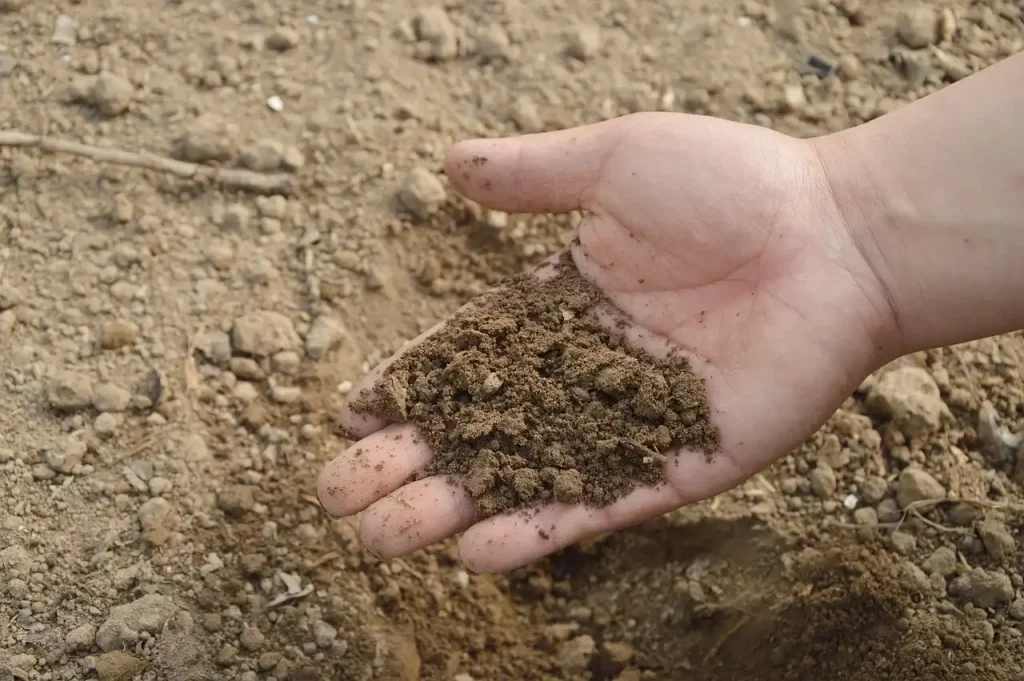
- Test Soil: Use a soil test kit to check pH (ideal: 6.0–7.0) and nutrient levels. Amend with lime (to raise pH) or sulfur (to lower pH) as needed.
- Build Soil Fertility: Incorporate compost, aged manure, or cover crops (e.g., clover, vetch) to enrich soil naturally. Avoid synthetic fertilizers for sustainability.
- Improve Drainage: Ensure soil is loose and well-draining. For heavy clay, add sand or organic matter; for sandy soil, add compost. Raised beds work well for poor soil.
- Mulching: Apply 2–3 inches of organic mulch (e.g., straw, wood chips, or grass clippings) to retain moisture, suppress weeds, and enrich soil as it decomposes.
3. Start Composting
- Compost System: Set up a compost bin or pile to recycle kitchen scraps (vegetable peels, coffee grounds) and garden waste (leaves, grass clippings). Avoid meat, dairy, or oily waste to prevent pests.
- Balance Materials: Use a mix of “green” (nitrogen-rich, e.g., grass clippings) and “brown” (carbon-rich, e.g., dry leaves) materials in a 1:2 ratio.
- Maintenance: Turn compost every 2–3 weeks to aerate and speed decomposition. Keep moist but not soggy. Compost is ready when dark, crumbly, and earthy-smelling (6–12 weeks).
- Use: Add mature compost to soil annually to boost fertility and structure, reducing the need for external fertilizers.

4. Implement Water Conservation
- Rainwater Harvesting: Install rain barrels to collect runoff from roofs or gutters. A 50-gallon barrel can support a small garden during dry spells.
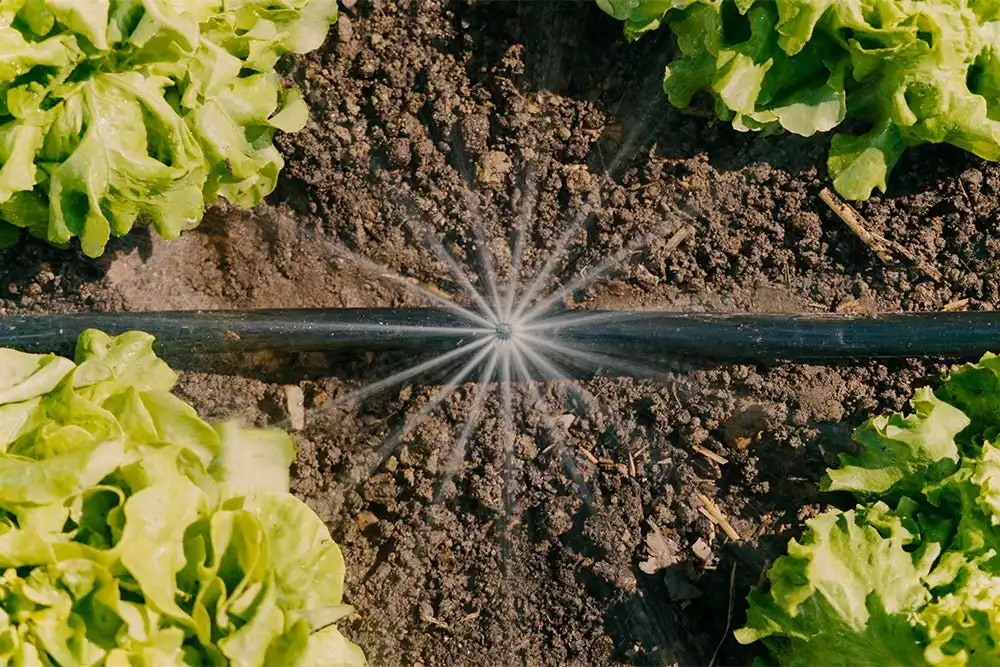
- Drip Irrigation: Use drip irrigation or soaker hoses to deliver water directly to plant roots, minimizing waste. Water early in the morning to reduce evaporation.
- Mulching: Mulch around plants to retain soil moisture and reduce watering frequency.
- Watering Needs: Provide 1–2 inches of water per week, adjusting based on rainfall and plant needs. Group plants with similar water requirements together.
5. Plant Your Garden
- Timing: Plant cool-season crops (e.g., lettuce, peas) in early spring or fall, and warm-season crops (e.g., tomatoes, peppers) after the last frost (check local frost dates).
- Seed Starting: Start seeds indoors 6–8 weeks before planting for crops like tomatoes or peppers. Sow directly for fast-growers like radishes or beans.
- Spacing: Follow seed packet instructions for spacing to avoid overcrowding. For example, space tomatoes 2–3 feet apart, carrots 2–3 inches apart.
- Companion Planting: Pair plants to enhance growth and deter pests. Examples:
- Marigolds with tomatoes to repel nematodes.
- Basil with peppers to deter aphids.
- Avoid planting onions near beans, as they inhibit growth.

6. Maintain Your Garden
- Weed Control: Hand-pull weeds or use mulch to suppress them, reducing competition for nutrients and water.
- Pest Management: Use organic methods like neem oil, insecticidal soap, or introducing beneficial insects (e.g., ladybugs for aphids). Use row covers for crops prone to pests like cabbage worms.
- Crop Rotation: Rotate crop families (e.g., brassicas, nightshades) annually to prevent soil depletion and disease buildup.
- Succession Planting: Replant harvested areas with new crops (e.g., follow spring lettuce with summer beans) to maximize yield.
7. Preserve and Store Your Harvest
- Harvesting: Pick vegetables at peak ripeness (e.g., zucchini at 6–8 inches, tomatoes when fully colored). Harvest greens early in the morning for best flavor.
- Preservation Methods:
- Canning: Preserve tomatoes, pickles, or jams in sterilized jars.
- Freezing: Blanch and freeze vegetables like beans or peas for long-term storage.
- Drying: Dry herbs or peppers in a dehydrator or air-dry in a well-ventilated area.
- Root Cellaring: Store root crops like carrots or turnips in a cool (32–40°F), humid place for months.
- Seed Saving: Collect seeds from open-pollinated or heirloom varieties (e.g., tomatoes, beans) for next season. Dry and store in a cool, dry place.

8. Integrate Sustainable Practices
- Pollinator Support: Plant flowers like zinnias, cosmos, or lavender to attract bees and butterflies, enhancing pollination.
- Cover Crops: Plant cover crops (e.g., rye, clover) in off-seasons to prevent soil erosion, suppress weeds, and add nutrients.
- Organic Pest Control: Use companion planting, neem oil, or diatomaceous earth to manage pests without chemicals.
- Renewable Resources: Reuse garden waste in compost, repurpose containers for seed starting, and use natural mulches to minimize waste.
Common Challenges and Solutions
- Poor Soil Fertility: Low yields may result from nutrient-deficient soil. Add compost regularly, use cover crops, and test soil annually.
- Pests: Aphids, caterpillars, or slugs can damage crops. Use organic controls, row covers, or hand-pick pests.
- Water Scarcity: Drought or irregular watering can stress plants. Install rain barrels and use drip irrigation for consistent moisture.
- Space Limitations: Small yards can limit production. Use vertical gardening, containers, or square-foot gardening to maximize space.
Tips for Success
- Start Small: Begin with a 4×4-foot bed or a few containers to master self-sufficiency before expanding.
- Zone Considerations: In zones 3–6, use cold frames or row covers for extended seasons. In zones 7–10, focus on heat-tolerant crops like okra or sweet potatoes.
- Perennials for Longevity: Include perennials like asparagus, strawberries, or fruit trees for low-maintenance, long-term yields.
- Record Keeping: Track planting dates, varieties, and yields in a garden journal to refine your approach each year.
- Community Sharing: Swap seeds, produce, or tips with local gardeners to enhance variety and knowledge.
Fun Facts About Self-Sufficient Gardening
- Historical Roots: Self-sufficient gardens, or “victory gardens,” were popular during World Wars I and II to supplement food supplies.
- Sustainability Impact: A 100-square-foot garden can produce up to 200 pounds of food annually, reducing grocery costs and emissions.
- Biodiversity Boost: Diverse plantings in self-sufficient gardens support local wildlife and improve soil health.
Troubleshooting Table
| Issue | Cause | Solution |
|---|---|---|
| Low yields | Poor soil or insufficient light | Add compost, test soil, ensure 6–8 hours of sun. |
| Pests | Aphids, slugs, or caterpillars | Use neem oil, row covers, or beneficial insects; hand-pick pests. |
| Waterlogged soil | Poor drainage | Add sand/perlite, use raised beds, ensure proper watering. |
| Bolting | Heat stress or overcrowding | Plant in cool seasons, space properly, choose bolt-resistant varieties. |

Conclusion
Building a thriving self-sufficient backyard garden is an empowering way to grow your own food while embracing sustainability. By planning carefully, recycling resources, and using organic practices, you can create a productive, eco-friendly garden that sustains itself year-round. Start small, experiment with crops, and enjoy the fruits of your labor as you cultivate a greener, healthier lifestyle. Begin your self-sufficient garden journey today, and watch your backyard flourish!